news
New research maps cancer cachexia progression with routine data
Researchers in *Nature Medicine* tracked cancer cachexia progression and onset patterns using routine clinical data from over 160,000 cancer patients. They identified distinct trajectories of weight loss and body mass index decline, offering new ways to identify patients at risk of this debilitating condition. The study gives doctors a better tool to predict when cachexia hits, and how fast it develops, using information they already collect.
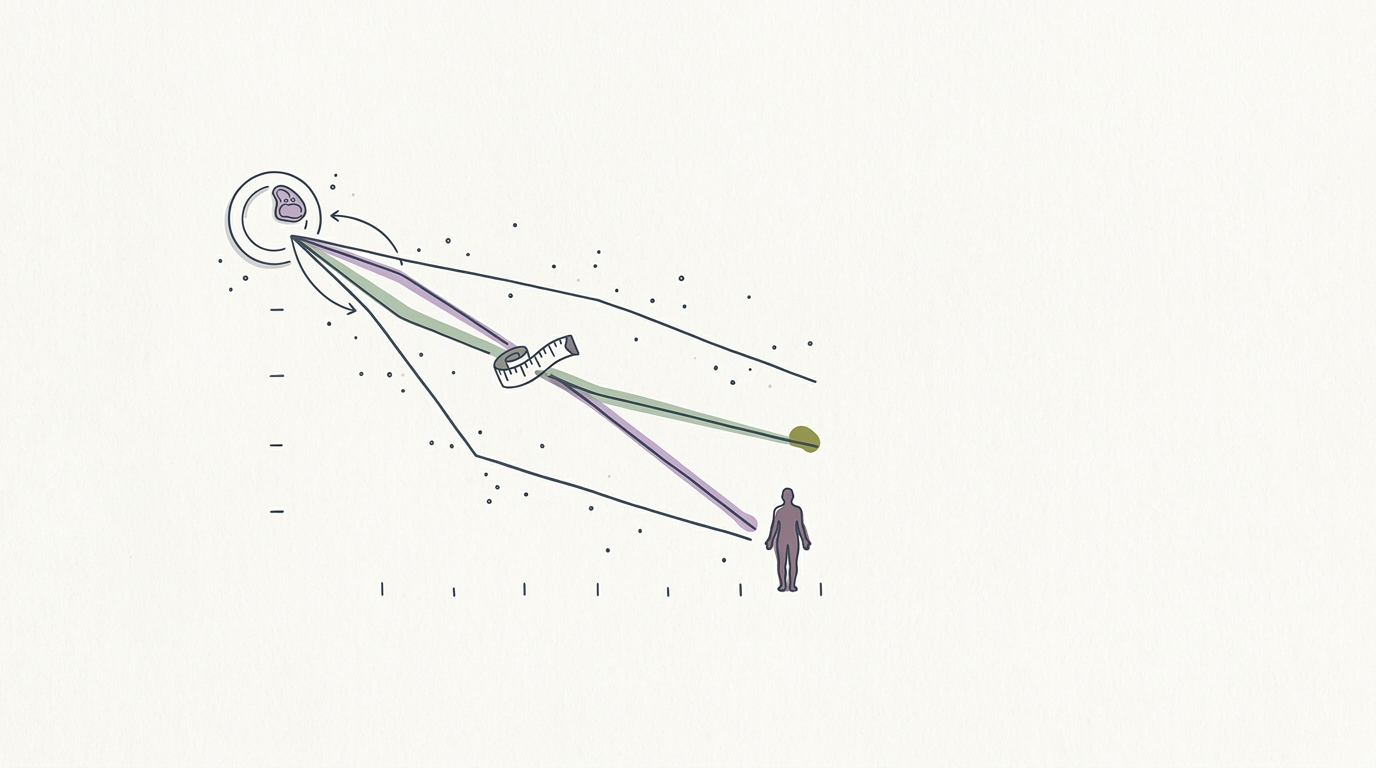
Researchers in Nature Medicine tracked cancer cachexia progression and onset patterns using routine clinical data from over 160,000 cancer patients. They identified distinct trajectories of weight loss and body mass index decline, offering new ways to identify patients at risk of this debilitating condition. The study gives doctors a better tool to predict when cachexia hits, and how fast it develops, using information they already collect.
The architecture take
Cachexia — the kind of metabolic wasting that often accompanies advanced cancer — isn't some abstract medical term. It's the body eating itself to survive the fight, and it’s brutal. This new study maps out the timeline of that decline, finding distinct patterns in how and when patients lose weight. Before, I thought cachexia was a steady slide; this research shows it's more like a few different, predictable paths. That changes things. For patients and clinicians, understanding these trajectories means earlier intervention could be possible. Think of it less as a 'what if' and more as a 'when and how fast.' My take: anything that gives clinicians an earlier signal to intervene on metabolic decline is a win, especially when it re-uses data they're already collecting. The next step is connecting these patterns to specific nutritional or pharmacological interventions that actually slow the process, not just treat symptoms.