news
Nobel Prize awarded for optogenetics in brain research
Karl Deisseroth, Peter Hegemann, and Georg Nagel won the 2026 Nobel Prize in Physiology or Medicine for their work on optogenetics. This technique uses light to control neurons and has transformed how we study the brain and nervous system function. It's a huge deal for understanding mental health, addiction, and how our brains actually work.
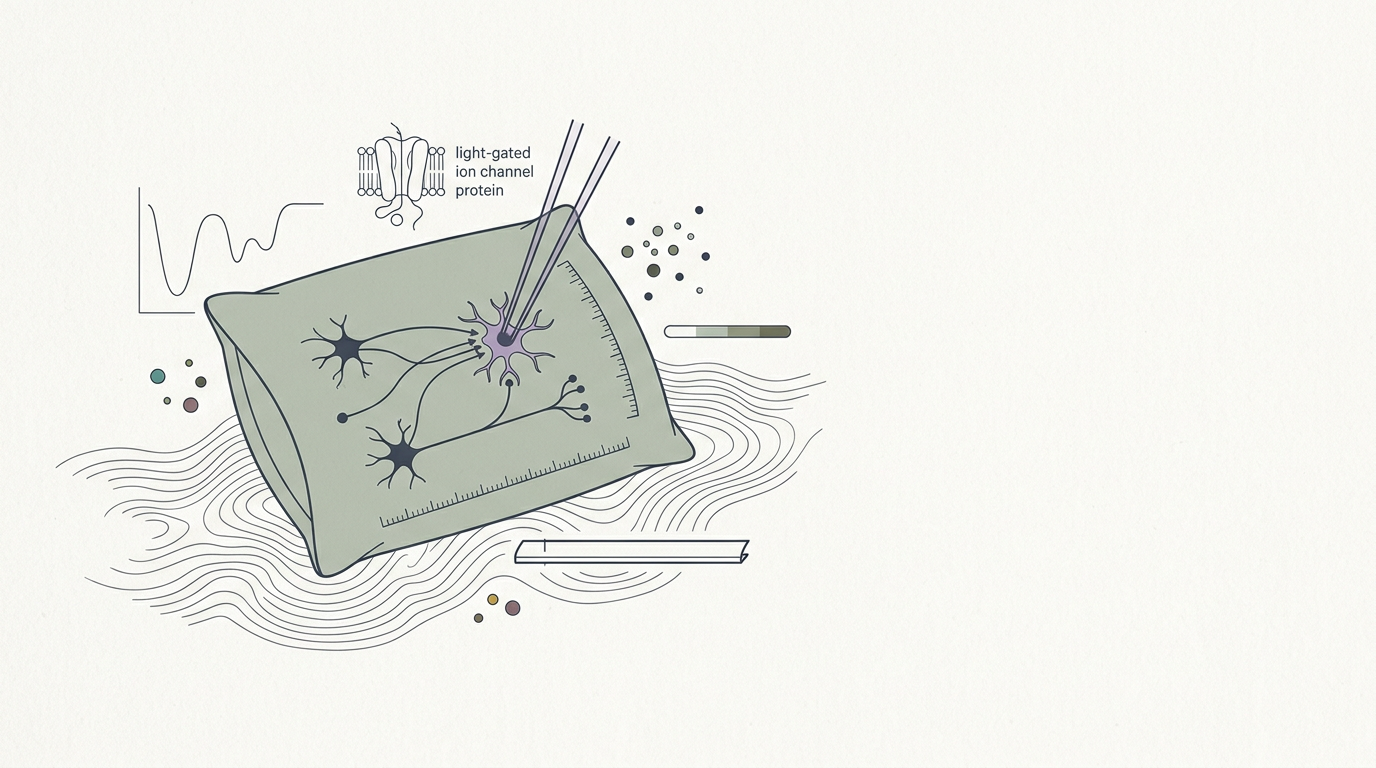
Karl Deisseroth, Peter Hegemann, and Georg Nagel won the 2026 Nobel Prize in Physiology or Medicine for their work on optogenetics. This technique uses light to control neurons and has transformed how we study the brain and nervous system function. It's a huge deal for understanding mental health, addiction, and how our brains actually work.
The architecture take
The Nobel committee just validated a whole field that's been quietly unspooling for years. Optogenetics, the ability to flip neuronal switches with light, isn't just a lab curiosity anymore; it's the fundamental way many researchers understand the brain's wiring. Think about it: instead of just observing, we can now precisely control specific neural circuits. This directly impacts everything from mapping anxiety pathways to understanding the mechanics of addiction and even refining our comprehension of sleep architecture. I've seen enough 'breakthroughs' that never leave the petri dish, but this one has changed the game in how we target specific neurotransmitters and their real-time effects. Expect more nuanced understanding of dopamine, serotonin, and GABA — and eventually, more precise therapies that don't paint with a broad brush. It's less about a magic pill and more about surgical precision for the nervous system. The actual mechanism is the ability to introduce light-sensitive proteins into neurons, making them fire or quiet down on command.