news
Researchers paid college students to sleep seven hours and grades rose
Researchers tested financial incentives on chronically exhausted university students, paying them cash to log at least seven hours of shuteye a night during term. The cohort that hit the seven-hour floor consistently scored higher on finals than their sleep-deprived peers. Immediate cash rewards cut through late-night scrolling faster than any lecture on circadian health.
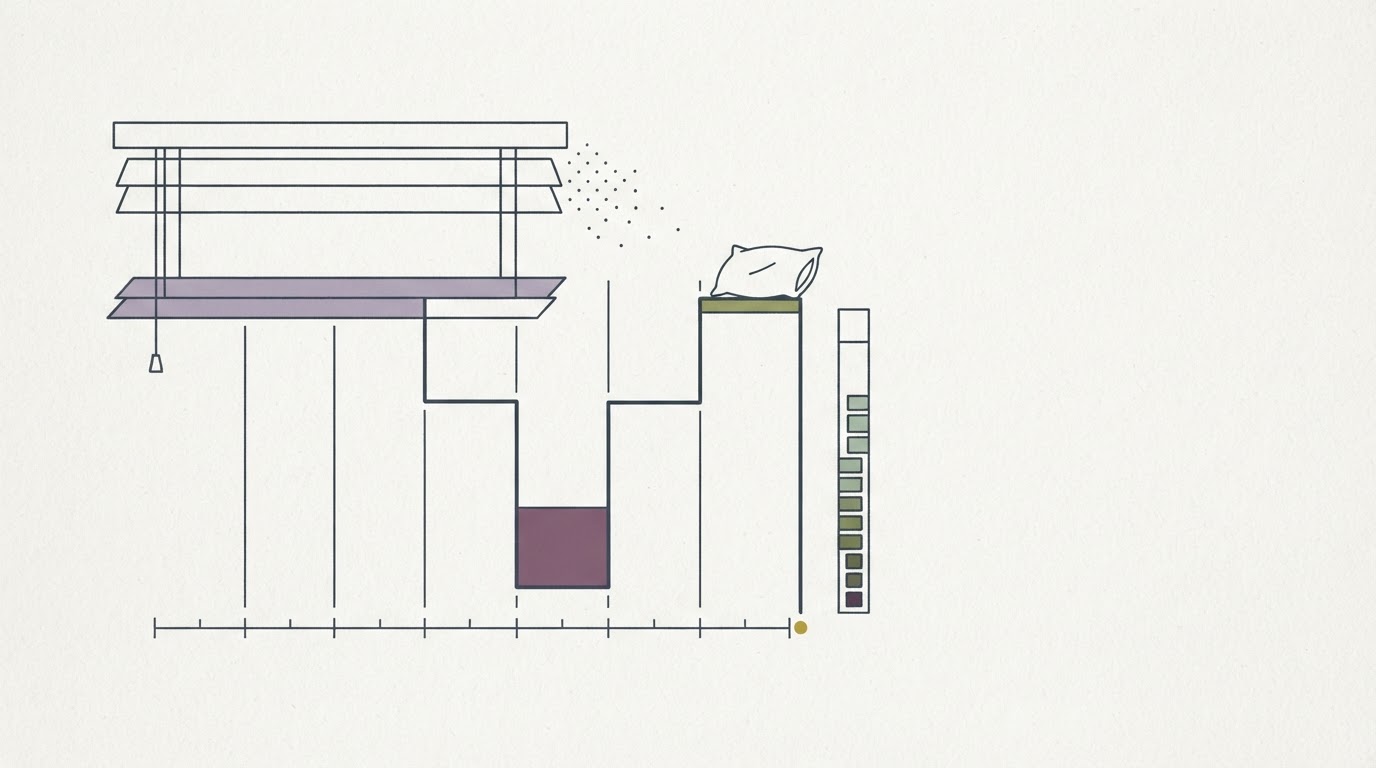
Researchers tested financial incentives on chronically exhausted university students, paying them cash to log at least seven hours of shuteye a night during term. The cohort that hit the seven-hour floor consistently scored higher on finals than their sleep-deprived peers. Immediate cash rewards cut through late-night scrolling faster than any lecture on circadian health.
The architecture take
I used to believe that poor sleep was mostly an education problem, until I watched my own evening resolve vanish in front of a blue screen. Paying students cold cash to stay in bed bypassed every piece of earnest health advice. When researchers attached an immediate financial reward to hitting seven hours, students stopped bargaining with their alarms. Deep slow-wave sleep and REM phases handle memory consolidation and clear daytime adenosine, which directly explains the exam score bump. Without sufficient sleep pressure release, the prefrontal cortex cannot retrieve complex material under test stress. I admit I doubted direct bribery would shift bedtime habits, but immediate reinforcement easily defeats delayed wellness lectures (and Netflix autoplay). I still struggle to power down my laptop by ten. Incentives work. If colleges really cared about academic performance, they would tie course credits to sleep logs instead of selling energy drinks in the library.