news
Lead in medieval teeth shows unequal health toll
New Nature News research, analyzing lead levels in 300 individuals from medieval Germany, found that while lead exposure increased across all social classes during the 13th to 16th centuries due to intensified mining, the poorest residents were disproportionately affected. This suggests a direct link between occupational exposure, socio-economic status, and chronic heavy metal poisoning. It's a clear reminder that environmental toxins impact our body load differently depending on who you are.
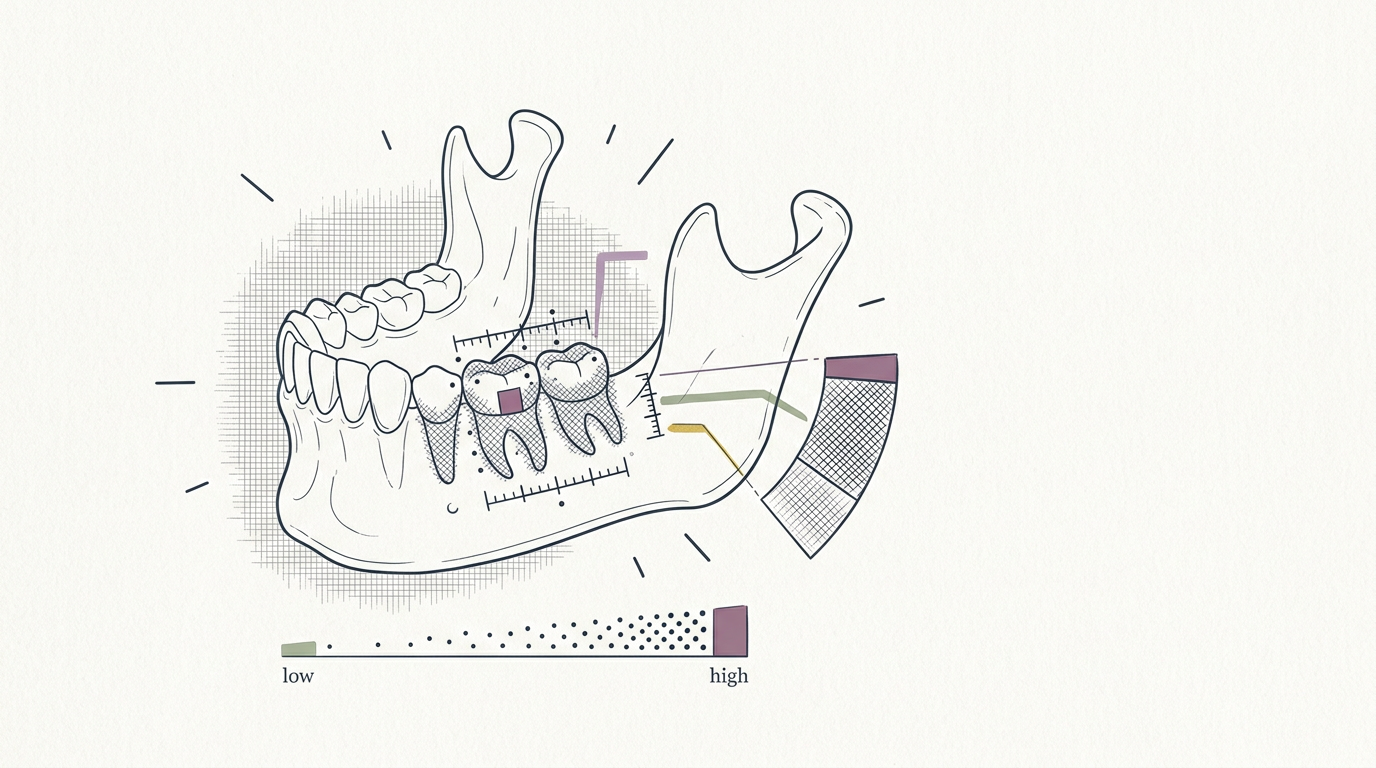
New Nature News research, analyzing lead levels in 300 individuals from medieval Germany, found that while lead exposure increased across all social classes during the 13th to 16th centuries due to intensified mining, the poorest residents were disproportionately affected. This suggests a direct link between occupational exposure, socio-economic status, and chronic heavy metal poisoning. It's a clear reminder that environmental toxins impact our body load differently depending on who you are.
The architecture take
The new Nature data on medieval lead exposure — pulled directly from dental plaque, which is just cool — shows a stark connection between industrial activity and population health. What really got me was how the poorest in society carried the highest lead burden, not just from mining directly, but likely from things like lead-glazed pottery or contaminated water. That's a direct nervous system load we're talking about, messing with cognition and chronic inflammation. It makes me think about how much environmental burden we tolerate today, especially in less privileged communities, because it feels like 'just the way things are.' We're still paying a nervous system tax for industrial progress, and it's rarely equally distributed. What's our modern-day lead exposure, and who's breathing it?