news
GLP-1 drugs get trials for depression and addiction
Clinical trials are underway for GLP-1 agonists to treat neuropsychiatric conditions like depression, anxiety, and addiction. Researchers are exploring how these drugs, known for regulating appetite and blood sugar, might also affect the brain's reward pathways and inflammation. This could expand their use beyond metabolic health to mental health, potentially reshaping treatment protocols.
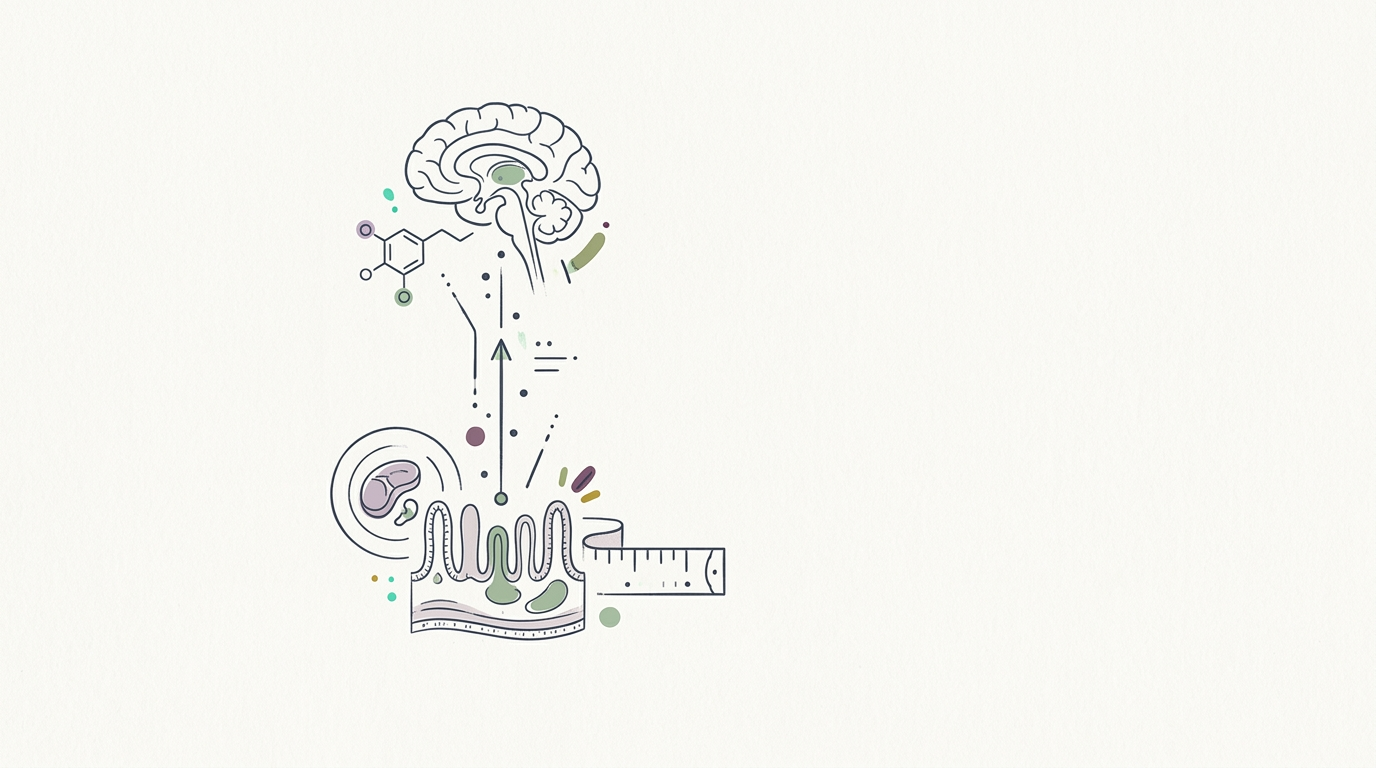
Clinical trials are underway for GLP-1 agonists to treat neuropsychiatric conditions like depression, anxiety, and addiction. Researchers are exploring how these drugs, known for regulating appetite and blood sugar, might also affect the brain's reward pathways and inflammation. This could expand their use beyond metabolic health to mental health, potentially reshaping treatment protocols.
The architecture take
The idea that GLP-1s could treat brain issues like depression and addiction isn't just a stretch—it's a direct shot at the nervous system's core. We've seen these drugs calm the gut and balance blood sugar, but the real power might be in tweaking dopamine pathways. I mean, if it works, it's a huge shift from purely behavioral or talk therapies for some conditions. The mechanism is fascinating: GLP-1 receptors in the brain's reward centers might dial down cravings and boost mood. This isn't just about weight anymore; it’s about signaling in the brain. If trials show clear efficacy, watch for a scramble among pharma companies to position their GLP-1s as neuro-therapeutics, not just weight loss aids. It means more people could be on these drugs, and for reasons far removed from metabolism. I'm keeping a close eye on the dosage and side effects in these new applications—brain chemistry is a delicate thing.