News — wellness, health, longevity & nervous-system industry

Dated events across the wellness and health industry: product launches, gym and clinic openings, research published, regulation passed, funding, M&A, and category-defining moves. Each item carries a hard fact and Sabin's take.

Every published item

  • Blue Zone Centenarians Point to Social Stability Over Stress

    news · 2026-07-23 · Mindbodygreen

    A new research highlight suggests that long-lived Blue Zone populations aren't just about diet or exercise, but a robust social environment that buffers against everyday stress. This finding implies that consistent, low-stress social interaction plays a larger role in longevity than previously emphasized. It's less about avoiding stress entirely, and more about having buffers in place to process it.

    Sabin's take. Forget the 'eat your vegetables and walk to work' headlines. The real takeaway from Blue Zone longevity is often about the nervous system's capacity to return to baseline, consistently. This research isn't groundbreaking in its finding that relationships matter, but it nudges the conversation from explicit stress-reduction techniques (like meditation apps) to sustained social stability as a daily, low-level stress intervention. Think of it as a constant, gentle hum of oxytocin and social cohesion that prevents cortisol spikes and keeps your sympathetic nervous system from going into overdrive. It's a reminder that a well-regulated nervous system isn't just about what you do for 30 minutes a day, but the ambient environment you exist in, day after day. So, maybe that book club or consistent coffee with a friend actually does more for your biological age than your fancy superfood smoothie. Watch for 'community as medicine' to become the new 'gut health is everything' in the next 12-18 months. And yeah, it looks a lot like your grandma's life.

    #research #longevity #mental-health #nervous-system #consumer-signal

  • Mediterranean and DASH Diets Outperform for Heart, Kidney, Metabolism

    news · 2026-07-23 · Mindbodygreen

    New research published in *the American Journal of Cardiology* analyzed 13 studies and found the Mediterranean and DASH diets were consistently best for cardiovascular health, kidney function, and metabolism. The study, led by Dr. Stephen Juraschek from Beth Israel Deaconess Medical Center, found these eating patterns were more effective than trendier alternatives for long-term health markers.

    Sabin's take. Stop trying to hack your biology with the latest bespoke food regimen. Researchers just confirmed what's been screaming in front of us: the Mediterranean and DASH diets are still the GOATs for your heart, kidneys, and metabolism. It’s not some magic pill — it's about whole foods, less processed junk, and making plants the star. The real story here isn’t that new miracle diets failed, it’s that consistency and common sense win over complexity. Your body prefers predictability and nutrient density over the latest TikTok food trend. This should be the final nail in the coffin for anyone still chasing extreme, short-term dietary fads instead of building sustainable, evidence-backed eating habits. Focus on steady blood sugar, balanced nutrients, and gut health support that comes from these tried-and-true approaches.

    #research #nutrition #gut #metabolism #longevity #nervous-system

  • Maternity care billing changes target transparent patient costs

    news · 2026-07-23 · STAT News

    The American College of Obstetricians and Gynecologists (ACOG) is pushing for new billing codes that unbundle 'global' maternal care. This move aims to make health costs more transparent for patients while clarifying payment for clinicians during pregnancy and postpartum.

    Sabin's take. Okay, so gone are the days of that single, opaque 'global' bill for maternity care, which was basically a black box for patients and providers. ACOG's move to itemized billing means you'll actually see what you're paying for—each visit, test, and delivery service. For your nervous system that means less financial stress from unexpected bills, and potentially more informed choices about care. The flip side is clinics now have to track everything, which can be a pain, but it could also lead to more equitable pay for their actual workload. Watch for how this impacts access to different types of care, especially for women of color who statistically have worse maternal outcomes. More transparency should be a win, but the devil will be in the details of how insurance companies and hospitals implement it on the ground.

    #policy #mental-health #hormones #nervous-system #longevity

  • Bipartisan Senate bill seeks federal office for men's health

    news · 2026-07-23 · STAT News

    A new bipartisan bill in the Senate proposes creating an Office of Men's Health, mirroring a similar House bill. This move would require the GAO to study the current state of men's health in the US. The push aims to address perceived disparities in federal health spending and focus.

    Sabin's take. Think of this as a long-overdue hormonal rebalance for federal health spending. For decades, the narrative around health disparities has, rightly, focused on women's health. But biological sex isn't a zero-sum game. This bill, if passed, won't just create another government office; it's a signal that systemic male-specific health issues – everything from cardiovascular disease, certain cancers, and yes, mental health challenges – are about to get a dedicated spotlight. What does that mean for your body? It could translate to more funding for research into male physiology, leading to better diagnostic tools and targeted interventions for issues like low testosterone, heart disease, or depression that presents differently in men. Watch for new clinical guidelines and even consumer-facing screenings to emerge if this gains traction. It's less about politics and more about acknowledging that specific biological landscapes need specific maps.

    #policy #longevity #hormones #mental-health #research

  • Lilly's 'triple-G' GLP-1 drug doesn't boost heart health yet

    news · 2026-07-23 · STAT News

    New data from Eli Lilly's GLP-1 drug retatrutide, often called a 'triple-G' due to its multiple hormone targeting, showed no significant reduction in major cardiovascular events like death, heart attack, or stroke in its secondary endpoints. While effective for weight loss, the study leaves open questions about its heart protection, unlike some other GLP-1s. This means patients might not get the added heart benefits seen with similar drugs.

    Sabin's take. This is a reality check for the next wave of GLP-1s. While everyone's hyped on the weight-loss numbers (and yeah, retatrutide's are solid), the heart protection — the *real* game-changer for many original GLP-1 users—isn't showing up here. It highlights that not all weight-loss drugs are created equal when it comes to broader health outcomes, especially for the cardiovascular system. You shed the pounds, great. But what about the underlying risks? This means doctors might keep favoring drugs with proven cardiac benefits for patients with existing heart issues, pushing retatrutide into a strictly weight-loss-focused lane. Watch for future trials to tease out if these multi-agonist drugs can deliver the same robust heart protection as the single-agonist predecessors, or if we'll be left choosing between maximum weight loss and maximum organ protection.

    #research #glp1 #peptide #longevity #metabolism #hormones

  • AI is fast-tracking drug discovery for biologic medicines

    news · 2026-07-23 · MIT Tech Review

    MIT Technology Review notes that AI is now a critical tool for scientists designing new biologic medicines. These therapies, made from engineered proteins, are notoriously expensive and slow to develop. AI helps identify promising candidates faster, reducing the time and cost to bring new drugs to market.

    Sabin's take. AI isn't coming for your job; it's coming for your drug development. Specifically, it's making the whole process of creating biologic medicines — think engineered proteins instead of simple chemicals — way more efficient. The pharmaceutical industry's dirty little secret is that drug discovery is a massive, costly guessing game with a super high failure rate. AI changes this by screening potential candidates at warp speed, identifying novel molecular structures and predicting their efficacy long before they hit a lab. This shift means more targeted therapies could (eventually) reach the market faster, especially for complex conditions linked to hormones, the gut, or neuroinflammation that were previously too tricky or expensive to tackle. Watch for a rise in more personalized medicine hitting the pipeline because the AI can actually handle the nuance of individual body chemistry. The biggest winner here is biotech, but the trickle-down impact for anyone with a chronic condition is real.

    #research #biotech #longevity #nervous-system #gut #hormones

  • US on brink of losing measles elimination status

    news · 2026-07-23 · Wired Science

    Measles infections in the US have hit a 30-year high, pushing the country perilously close to losing its measles elimination status. Pediatricians in 'hot spot' states like Utah are speaking out about the impact on families and the broader public health implications. It's a stark reminder of how quickly vaccine-preventable diseases can resurface.

    Sabin's take. The public health messaging around measles has been… let's call it ‘understated.’ We cleared this disease decades ago. Now, with infection rates soaring, the US is poised to lose its measles elimination status, which means the virus will be considered endemic again. Your body doesn't 'get over' measles like a common cold; it damages your immune system, making you vulnerable to other infections for years. This isn't just about childhood sniffles; it's a direct threat to collective immunity, especially for the very young and immunocompromised. The actual mechanism here is a brutal viral assault on immune memory, not just a rash. Doctors on the front lines are seeing terrified kids and families, which probably means we’re about to see widespread public health campaigns (and hopefully, a swift increase in vaccination rates) to prevent this from spiraling further. This goes well beyond individual choice; it’s about the health of the entire population.

    #policy #research #mental-health #immunity #nervous-system

  • Breathalyzer measures fat burning by sniffing acetone on breath

    news · 2026-07-23 · Nature News

    Scientists developed a new breathalyzer that detects acetone levels on your exhale, a direct indicator of fat metabolism. This non-invasive device could offer real-time insights into how your body uses stored fat for energy. It's designed for simple, at-home tracking of metabolic changes.

    Sabin's take. Forget complicated blood tests and confusing scales. This breathalyzer is a sneaky little device that just might make a dent in the 'how much fat am I actually burning?' mystery. The mechanism is simple: when your body torches fat for fuel, it produces acetone, which you then breathe out. Catching that in real-time gives you a direct read on your metabolism. The beauty here is the immediate feedback — no guessing games. This could be big for anyone trying to dial in diet, exercise, or even explore metabolic flexibility. The next wave of wearables isn't just counting steps; it’s telling you what your body is doing with every calorie. Watch for this tech to get integrated into everything from smart scales to fitness trackers.

    #device #research #metabolism #nutrition #longevity #fitness

  • US pharma fights broad China restrictions as biotech funding dips

    news · 2026-07-23 · STAT News

    Large pharmaceutical companies are pushing back against broad US restrictions on healthtech investments in China, citing potential long-term harm to innovation. This comes as AI-focused venture capital funds raised $800 million, while Merck announced a new cholesterol pill. The debate centers on how much decoupling will impact global health research and patient access.

    Sabin's take. The US and China are playing a high-stakes game that could leave your access to new therapies in the lurch. Pharma giants saying 'hold up, let's not shut down research' isn't just about profits; it's about not killing the golden goose of collaborative science. When you restrict where brainpower and dollars can go, you slow down advancements in everything from GLP-1s to psychedelics. It means your next cutting-edge treatment could be delayed, or worse, never see the light of day because the political calculus outweighed the biological one. The real friction point here is the fear of losing intellectual property versus the need for global access to innovation. We're talking about drugs that affect your blood sugar, your hormones, your sleep — stuff that dictates how you feel every day. So, while politicians squabble, the future of your body's support system hangs in the balance. Keep an eye on how these restrictions evolve, because they'll directly dictate the speed and cost of new therapies hitting your pharmacy.

    #policy #biotech #funding #longevity #nervous-system #hormones

  • New maternity billing codes could raise health costs for families

    news · 2026-07-23 · STAT News

    Starting in 2026, new global billing codes for maternity care go live, bundling prenatal, delivery, and postpartum care into single payments. While proponents argue for simplified billing, critics warn it will push up overall medical expenses for families across the US.

    Sabin's take. Get ready for a new flavor of sticker shock after 2026 if you're planning a family here. These 'global' billing codes are supposed to streamline things, but the smart money says your health insurer just sees a new opportunity to rejigger their payouts, and not in your favor. What this really means is that the financial stress of pregnancy — already a massive HPA axis disruptor — is about to get a fresh layer of complexity. When the system bundles everything, there's less transparency. That's usually where costs inflate while the actual care stays the same. Expect a fight between insurers and providers, with pregnant people caught in the middle. Pay attention to how this gets implemented in your state; this isn't just about money, it's about access to care and mental load during a critical window.

    #policy #hormones #mental-health #nervous-system #longevity #report

  • FDA advisors to debate peptide compounding safety vs. gray markets

    news · 2026-07-23 · STAT News

    FDA advisors and peptide advocates are set to clash over whether compounding pharmacies should be allowed to offer unproven peptides. The move could either legitimize peptide access or crack down on a booming gray market where consumers often source these body-modifying compounds.

    Sabin's take. The FDA is finally looking head-on at the wild west of peptides, which for years have been readily available online and from compounding pharmacies without the same strict oversight as traditional drugs. This advisory panel is a serious signal that regulators are feeling pressure to either formalize safe access or completely shut down the avenues people are currently using for muscle growth, fat loss, and longevity. The real battle here isn't just about safety, though; it’s about control. If peptides move through regulated channels, expect prices to go up and access to become more medicalized. This debate will shape how you (or someone you know) can get your hands on things like BPC-157 or CJC-1295 in the future. Watch for a tightening of the supply chain and a push towards clinical oversight.

    #policy #peptide #longevity #hormones #supplement #biotech

  • Federal Funding Cuts Threaten HIV Prevention Groups

    news · 2026-07-23 · STAT News

    Advocates are sounding the alarm that community groups fighting HIV/AIDS face deep cuts in CDC funding. The administration is instead shifting some of these federal dollars directly to states. This move could leave vulnerable populations without critical support.

    Sabin's take. Here's the behind-the-scenes read: Shifting federal HIV prevention funds from community organizations to state health departments might sound like efficiency, but it typically means less direct, on-the-ground support where it's needed most. These community groups often have established trust and pathways to diagnose and treat marginalized populations—the ones most at risk for HIV, addiction, and other interconnected health issues. State bureaucracies, though well-intentioned, often struggle with the nimbleness and specialized outreach that local organizations provide. This isn't just about a budget pivot; it’s about a potential widening of health disparities, forcing already vulnerable nervous systems to take on more stress in accessing care. Watch for local health outcomes to suffer, especially in areas with limited state resources, affecting overall community wellbeing.

    #policy #mental-health #addiction #nervous-system #hormones #longevity

  • GWI asks: What actually defines 'aging well' ?

    news · 2026-07-23 · Global Wellness Institute

    The Global Wellness Institute just dropped some Q&As from their white paper defining what "aging well" really means. They surveyed experts on key metrics beyond just avoiding disease. It's less about a single number and more about a range of everyday functions and emotional states.

    Sabin's take. The GWI is pushing for a broader definition of 'aging well' — and it's about time. For too long, the longevity conversation has been fixated on bio-hack numbers and the avoidance of chronic illness. But the reality for most people isn't just about living forever or even disease-free; it's about maintaining a decent quality of life now. What good is a perfectly optimized biological age if you can't tie your own shoes or remember where you parked? This shift in perspective matters because it reframes longevity not just as a medical pursuit but as a lifestyle one, integrating mental health, mobility, and social connection into the core metrics. Watch for this to trickle down into more accessible, consumer-friendly wellness programs that aren't just selling you a lifespan, but a 'healthspan' you can actually feel. It’s less about a magic pill and more about living a full life, every day.

    #longevity #mental-health #report #consumer-signal #nervous-system #recovery

  • OKO Food Launches Organic Purées for Easy Meal Prep

    news · 2026-07-23 · New Hope Network (Natural Products Expo)

    OKO Food introduced a line of organic vegetable purées and blends, designed to be a convenient "friend in the fridge" for various meal occasions. The brand aims to simplify healthy eating with clean, versatile ingredients. These ready-to-use purées target consumers looking to effortlessly integrate more vegetables into their diet for improved gut health and overall nutrition.

    Sabin's take. Okay, so here's the deal: these organic purées aren't just about making weeknight dinners easier, though that's a nice bonus. This is a quiet nod to a growing demand for 'stealth health' ways to bump up your fiber intake and diversify your microbiome without a ton of effort. Most people know they should eat more vegetables, but actually doing it—consistently—is hard. Shelf-stable or fridge-friendly purées, when done right, can sneak those gut-loving prebiotics into smoothies, sauces, and soups without the texture complaints. This is less about a new ingredient and more about a new form factor for an old truth: your gut bacteria thrive on plant diversity. Watch for more brands to offer similar 'biohacking for the lazy' options as consumers get smarter about how much work they're willing to do for their health.

    #craft #launch #nutrition #gut #consumer-signal

  • Lettuce: not your gut's friend, often contaminated

    news · 2026-07-23 · Wired Science

    Leafy greens like lettuce keep causing food poisoning outbreaks, according to Wired Science. Recurrent contamination with parasites like cyclospora and bacteria like E. coli means your 'healthy' salad might be doing more harm than good to your gut and nervous system. It's a pattern, not an isolated incident, pointing to bigger issues in how this produce reaches your plate.

    Sabin's take. So, turns out your go-to 'healthy' lunch could actually be a fast track to a messed-up gut and a stressed-out nervous system. We already tell everyone to wash their produce, which, fine. But the recurring cyclospora and E. coli outbreaks in lettuce are less about your kitchen hygiene and more about systemic agricultural issues. The problem is often in the harvesting and washing big batch operations, where one contaminated field can spoil thousands of pounds of greens. This isn't just about a stomach ache; an unhappy gut directly translates to inflammation and an agitated vagal nerve, messing with your mood and energy. I’m thinking those heavily processed salad kits are actually riskier. Watch out for increased scrutiny on agricultural practices and maybe, just maybe, an uptick in brands promoting high-quality, traceable, indoor-grown greens to calm everyone's gut anxiety.

    #nutrition #gut #nervous-system #consumer-signal #report #food-safety

  • CRISPR-Cas System Regulates Antiviral Defenses in Bacteria

    news · 2026-07-23 · Nature News

    New research in *Nature* by lead author Maayan Salomon and team (sample size not specified in snippet, but implied by 'Bacteria') found the CRISPR-Cas system controls bacteria's defenses against viruses. This goes beyond CRISPR's usual gene-editing role, showing it helps bacteria arm themselves against phage attacks. It effectively means bacteria can modulate their immune response based on direct viral threat signals.

    Sabin's take. So, CRISPR isn't just a genetic scissor; it's also a tiny, bacterial immune system manager. This new work highlights how this cellular watchdog directly dials up or down the expression of anti-phage defense genes. Think of it as a finely tuned internal thermostat for bacterial immunity, reacting to real-time viral threats. This changes how we understand microbial ecosystems – specifically, how bacteria survive phage attacks, and more broadly, how ancient immune systems function. For humans, understanding these fundamental biological controls could offer new angles on how our own body's defenses are regulated at a cellular level, potentially informing future biotech strategies for battling infections or fine-tuning our own immune responses. It's a reminder that even the smallest life forms have sophisticated ways of maintaining balance. What else are we missing about cellular self-regulation?

    #research #biotech #gut #immunity #nervous-system

  • AI Hiring Tools Develop Their Own Biases, MIT Researchers Find

    news · 2026-07-23 · MIT Tech Review

    MIT Technology Review research shows AI hiring tools don't just pick up human biases from training data, they generate their own, too. This means job candidates could face a double-whammy of unfairness before a human ever sees their resume. It's a wake-up call for companies hoping AI will streamline hiring without bias.

    Sabin's take. So, you thought AI was neutral? Think again. MIT found these hiring algorithms don't just parrot our prejudices; they invent new ones. It’s a classic case of "Garbage In, Generative Garbage Out," but with a self-modifying twist. For your job search or company culture, this means the 'objective' AI screen could be throwing out perfectly good candidates for reasons no one (not even the AI) fully understands. It's not just about diversity numbers; biased AI affects team cohesion and mental health in the workplace, stressing out the applicants and potentially missing out on the exact nervous-system diversity a team actually needs. What we're watching for? Companies that ditch these tools or invest heavily in transparent, human-in-the-loop oversight to keep the algorithms honest.

    #research #workplace #mental-health #nervous-system

  • Creatine supplements for women over 50 get dietitian-backed review

    news · 2026-07-23 · Mindbodygreen

    A board-certified dietitian recently reviewed top creatine supplements, specifically for women over 50. The review highlights specific criteria, forms, and dosages to support muscle mass and bone density as we age. This isn't just about gym gains; it's about maintaining strength for daily life and bone integrity.

    Sabin's take. Okay, so creatine for women over 50. This isn't groundbreaking, but it is a signal. Mainstream wellness is finally cluing into the muscle and bone mass crisis women face post-menopause. Creatine isn't just for bulking up or hitting a new squat PR; it supports cellular energy inside muscles and bones, which can slow down the sarcopenia and osteopenia creep that starts around 40 for women. It's cheap, safe, and effective. The real takeaway here isn't a new supplement, but the growing acknowledgment that women's physiology changes drastically with age, and generic 'wellness' advice just doesn't cut it. Expect more targeted recommendations like this, because the one-size-fits-all approach is officially dead. This sets up a solid precedent for other basic, proven supplements to get a similar aging-specific spotlight.

    #supplement #nutrition #menopause #longevity #hormones #recovery

  • Novo Nordisk sues Eli Lilly over GLP-1 compounding issues

    news · 2026-07-23 · STAT News

    Novo Nordisk is suing Eli Lilly, alleging compounding pharmacies are creating unapproved versions of GLP-1 drugs, like semaglutide. This legal action targets pharmacies for falsely marketing generic versions of drugs such as Ozempic and Wegovy. It's about protecting the branded GLP-1 market from unregulated copycats.

    Sabin's take. This lawsuit isn't just about big pharma duking it out; it's about the wild west of GLP-1 access and what happens when demand outstrips supply and regulation. When you can't get your hands on approved Ozempic or Wegovy, the market for compounding pharmacies explodes, selling what they claim are 'generic' versions. The problem? Those 'generics' aren't always FDA-vetted, and purity or dosage can be all over the place, which is exactly why Novo Nordisk is crying foul. This move is less about patient safety and more about a calculated play to control the GLP-1 market, which is now a multi-billion dollar behemoth. Expect this to get messy as other pharma giants jump in, forcing tighter regulations on compounded pharmacies and making it even harder for you to get these hormone-regulating drugs without a significant upfront cost. Watch for how this impacts availability and pricing for consumers seeking metabolic balance.

    #policy #glp1 #hormones #longevity #metabolism

  • Trump eyes tariffs on generic meds, impacting drug prices

    news · 2026-07-23 · STAT News

    Former President Donald Trump is reportedly planning to impose tariffs on imported generic medicines if re-elected, aiming to shift pharmaceutical manufacturing back to the US. This policy could raise drug prices across the board for consumers. The move targets the supply chain for essential medications.

    Sabin's take. Okay, so the latest political brainwave is slapping tariffs on generic drugs to reshore manufacturing. The idea is to make cheap meds more expensive so domestic production becomes competitive. The immediate hit? Your wallet, obviously. Generic drugs are the backbone of affordability for most folks, covering everything from blood pressure meds to antidepressants. This isn't just about big pharma profit margins; it's about what you pay at checkout for the pills keeping your cortisol in check or your thyroid humming. If essential meds jump in price, adherence drops. Then you see downstream effects on chronic disease management and mental health outcomes. What to watch for: how specific drug classes get hit, and whether this actually incentivizes US manufacturing or just pumps up prices. My bet? Higher prices for you, probably not enough new factories to move the needle.

    #policy #supply-chain #longevity #mental-health #hormones #nervous-system

  • UltraPod: Turn Your Old iPhone Into a Music-First 'Dumbphone'

    news · 2026-07-22 · Product Hunt — Health & Fitness

    UltraPod launched, an app that converts an old iPhone into a simplified 'dumbphone' focused solely on music playback. It aims to reduce digital distractions and improve focus by carving out a single-purpose device from a potentially discarded smartphone.

    Sabin's take. Look, trying to carve a 'dumbphone' out of an old iPhone really just means you're creating a music player with a decent camera. But the insight here is real: people are actively trying to engineer mental off-ramps from constant stimulation. By isolating a single function, UltraPod aims to lower dopamine spikes and the ambient stress of notifications. It's an interesting approach to digital minimalism, turning what would otherwise be e-waste into a dedicated tool for focus or relaxation. The win isn't just about 'less screen time' — it's about reducing the unconscious tug of constant connectivity and giving your nervous system a break from decision fatigue. You get your music, your camera, and none of the endless scrolling that taxes your attention. Expect more apps like this, leveraging old tech for new nervous-system hacks.

    #device #launch #mental-health #nervous-system #recovery

  • Millions trapped in jobs because of health insurance

    news · 2026-07-22 · STAT News

    A new Gallup survey reports a quarter of US workers, about 41 million people, feel trapped in jobs they hate just to keep their health insurance. Referred to as 'job lock', this situation forces individuals to prioritize healthcare access over career satisfaction or mental well-being. It highlights the chronic stress this system imposes on the workforce.

    Sabin's take. Think about the cortisol bath that is forcing 41 million people to stay in a job they hate, every single day, just to keep their health insurance. That's a huge drag on collective nervous system regulation. When you hate your job, your HPA axis is probably on overdrive, your sleep architecture is shaky, and you're likely less able to access tools that would normally dial down stress. This isn't just about 'job satisfaction'; it's a measurable physiological burden. It’s a systemic stressor on par with chronic noise or air pollution, impacting mental health and long-term longevity. Something to watch: whether this persistent stress leads to more uptake of tools that promise to dial down the nervous system, or just more burnout.

    #policy #report #mental-health #nervous-system #workplace #longevity

  • Lifestyle Medicine is for Performance, Not Corporate Perks

    news · 2026-07-22 · Global Wellness Institute

    A Global Wellness Institute blog post argues that 'lifestyle medicine' at work should be seen as a core performance strategy, not just an employee perk. Author Natalie Grinvalds, PhD, MPH, CHES, suggests companies move beyond meditation apps and yoga classes to systemic changes that genuinely support employee well-being and productivity.

    Sabin's take. Listen, companies who think tossing out a free meditation app is doing anything for employee burnout are lying to themselves. This piece nails it: if you want actual performance, you need to fix the system, not just give folks more tools to cope with a broken one. We're talking about fundamental changes to work culture that reduce HPA axis activation and chronic stress, not just bandaids. Until employers grasp that genuinely prioritizing mental health and nervous system regulation means rethinking their expectations and environments, all those 'wellness programs' are just noise. The real insight isn't about giving employees more to do to 'be well,' it's about changing the workplace so they don't have to fight so hard just to maintain baseline function.

    #workplace #mental-health #nervous-system #report #longevity

  • Sam's Club hosts Manhattan wellness event for creators

    news · 2026-07-22 · Glossy

    Sam's Club, the warehouse retailer, hosted its first "Wellness Club" event in Manhattan, bringing together creators and media. The event showcased the brand's health and beauty offerings, signaling a stronger push into the wellness market.

    Sabin's take. So, Sam's Club wants to be a wellness destination now—and they're going after the influencer crowd to prove it. This isn't just about selling more bulk vitamins; it's a play to capture a slice of the premium wellness market by appealing to the 'affluent bargain hunter' and social media narrative. When a brand known for economy-sized everything starts hosting chic Manhattan events, it means the perceived value of wellness — even for basic products — has clearly gone up-market. Expect more 'everyday' retailers to lean into this; if Sam's Club is pushing it, traditional grocers and drugstores will follow, forcing supplement and beauty brands to justify their higher price tags elsewhere. Watch for how other big-box stores try to rebrand their health aisles next.

    #event #consumer-signal #supplement #skincare #longevity #nutrition

  • Trump-era agency 'pseudonymizes' federal health records for 8M people

    news · 2026-07-22 · KFF Health News

    The Office of Personnel Management (OPM) is unilaterally moving to anonymize medical records for over 8 million federal workers, retirees, and their families. This privacy-focused move, originating from a Trump-era executive order, is drawing backlash from Democrats and employee unions who see it as potential overreach and a threat to data security and individual privacy, despite the agency's claims of safeguarding personal details.

    Sabin's take. The government collecting health data on 8 million people might sound like a nightmare for nervous systems everywhere, but the real play here is in the 'pseudonymize' part. They're trying to strip out identifying info, but privacy hawks and unions are already screaming foul. It's a classic move: promise security, but the sheer scale of the data—medical histories, conditions, treatments—means the risk of re-identification is never zero. Think about how much your mental health hinges on the idea of your health records staying private; now imagine that being handled by a giant federal agency. This isn't just about abstract data points; it's about potentially exposing everything from prescription lists to therapy notes, which for many, could trigger immense stress and anxiety. The implication is a test of how much control we actually have over our most sensitive information, and whether 'anonymized' is ever truly anonymous when it comes to the body.

    #policy #mental-health #nervous-system #longevity #biotech

  • ClassPass expands into wellness experiences, FDA reviews BPC-157

    news · 2026-07-22 · Glossy

    ClassPass is pushing into self-care and experiences, moving beyond just fitness classes. Meanwhile, the FDA is meeting to assess regulatory changes for peptides like BPC-157, and Neko Health just secured $700 million Series C funding ahead of its US launch.

    Sabin's take. ClassPass is still trying to figure out what it wants to be when it grows up, shifting from just workout bookings to 'experiences.' This tells you a lot about the actual stress response a normal person is trying to solve: it's not just about lifting weights; it's about chilling out, too. The FDA review of peptides like BPC-157 is the real headliner here. Expect regulators to start drawing some hard lines around what's available and how, which could reshape access to non-GLP-1 longevity tools. That Neko Health (chronic disease early detection clinic) just bagged $700 million and is eyeing the US is the clearest signal yet that biological age tracking and personalized preventative health are moving from niche obsession to mainstream, insurance-friendly healthcare. Watch for more clinics to follow their lead with biomarker-driven diagnostics.

    #longevity #peptides #policy #funding #recovery #nervous-system

  • Gingerbug soda eyes US expansion with gut-friendly ingredients

    news · 2026-07-22 · New Hope Network (Natural Products Expo)

    Canadian beverage brand Gingerbug is pushing into the US market, focusing on its organic ginger juice-based sodas. The company emphasizes "clean-label" and functional ingredients aimed at gut health. Their expansion targets consumers looking for alternatives to additive-filled drinks.

    Sabin's take. Another day, another 'better for you' beverage, but this one's playing the long game on gut health, not just sugar-free. If you're swapping a regular soda for something with organic ginger, your gut microbiome might actually thank you. Ginger's been shown to dial down inflammation and calm GI distress, which means less systemic stress on your enteric nervous system. The move from Canada to the US retail shelves signals a growing appetite for functional drinks that ditch the "natural flavors" and other vague additives. This isn't just about what's *not* in the drink; it's about what *is* — real ingredients with actual mechanisms that improve digestion and reduce gut-related cortisol spikes. Watch for more brands to highlight bioavailable ingredients that actively support your internal ecosystem, not just avoid the bad stuff. It's a low-stakes way to nudge your daily routine toward something a little less irritating for your system.

    #launch #nutrition #gut #nervous-system #supplement #consumer-signal

  • Garmin launches screenless CIRQA smart band with no subscription fees

    news · 2026-07-22 · Product Hunt — Health & Fitness

    Garmin just dropped CIRQA, a new screenless health and fitness tracker that aims for subtlety and sidesteps the usual subscription model. It tracks your key biometrics, letting it blend into a normal watch stack without calling attention to itself, all while keeping your data private.

    Sabin's take. Garmin's new CIRQA band is basically a whoop for people who hate monthly fees or don't want a wrist computer. It keeps tabs on the usual suspects — heart rate, sleep architecture, stress data from HRV — without a screen to distract you, which is smart. The play here is that privacy-conscious vibe and the outright rejection of yet another subscription. Garmin’s banking on enough people wanting health data without the digital noise or recurring payment, which, good bet. It also lets you use a traditional watch on the other wrist, because some of us still appreciate craftsmanship over pure data. What this tells me is the market is maturing beyond just 'more data is better' to 'less invasive, more practical data' — and less financial commitment. Your nervous system won't care if there's a screen on your wrist, but it might care about the absence of a recurring bill.

    #device #launch #wearable #sleep #nervous-system #recovery

  • Maui wildfire health study proposes new disaster recovery playbook

    news · 2026-07-22 · STAT News

    A new study on the long-term health effects of the Lahaina wildfires is pushing for a new model of disaster response. The focus is on mental and physical health support directly tied to community rebuilding. This shifts the typical approach from just immediate relief to sustained nervous system and holistic health care.

    Sabin's take. This isn't just about rebuilding homes; it's about rebuilding nervous systems. The Maui study is basically saying, 'Hey, the trauma doesn't stop when the smoke clears.' They're advocating for a model where mental health support, physical recovery programs, and community-led initiatives are baked into disaster recovery from day one. Think less "send aid packages" and more "embed therapists and holistic care providers." Because when people lose everything, their cortisol levels don't just magically return to normal. This moves beyond acute physical injury to the long-term, chronic stress-induced inflammation, sleep disruption, and anxiety that can fester for years. It's a template for what happens when a community's entire HPA axis is disrupted, and it’s a smart precedent for how to respond better next time, anywhere. Watch for other disaster-prone regions to subtly adopt these insights, even if they don't call it 'the Maui model.'

    #climate #research #policy #mental-health #nervous-system #recovery

  • Cardiologist questions new cholesterol drug enlicitide's market impact

    news · 2026-07-22 · STAT News

    Cardiologist Vishal Khetpal argues in STAT News that Merck's new cholesterol drug enlicitide, branded Lipfendra, likely won't change prescribing habits much, despite its mechanism. While it aims to lower LDL-C, Khetpal believes existing statin regimens are too entrenched for an immediate shift. This means you might not see it replacing your current meds anytime soon.

    Sabin's take. This take by Dr. Khetpal is a dose of reality for anyone watching the cholesterol drug space. Yes, enlicitide (Lipfendra) works by blocking ANGPTL3, which is a different way to drop LDL-C than statins. But the idea that a new mechanism alone trumps decades of established prescribing patterns — and frankly, insurance coverage — is naive. Think about it: doctors are comfortable with what they know, and a new drug means new training, new side-effect profiles to learn, and battles with PBMs. The real beneficiaries aren't the patients who need it most, but the drug manufacturer who can now offer another option in an already crowded but lucrative market. The next thing to watch is how Merck tries to differentiate this beyond just mechanism — maybe a different administration route, or a specific patient profile it’s uniquely suited for.

    #research #policy #longevity #nutrition #biotech #supplement

  • AHRQ pulls $109M in grants for health quality research

    news · 2026-07-22 · STAT News

    The Agency for Healthcare Research and Quality (AHRQ) prematurely ended 78 grants totaling $109.2 million, originally intended for research on healthcare quality and accessibility. This sudden halt impacts ongoing studies focused on a variety of health outcomes, leaving a significant gap in federal funding for critical health policy evaluation.

    Sabin's take. So, a chunk of federal funding for health research just vanished mid-project. It's not sexy like a new GLP-1 or a longevity clinic, but cutting these grants impacts everything from understanding patient outcomes to figuring out how our actual nervous systems fare under different care models. When research money dries up, especially for something as fundamental as healthcare quality and access, it sets back our collective understanding of what actually helps people feel better. We're talking studies that could have explored how different policies affect stress levels, recovery times, or even the mental health burden on specific populations. This isn't just about budget lines; it's about sidelining the data we need to make informed decisions about public health and individual well-being. Expect more reactive policy-making and fewer evidence-based interventions down the line. It's a real hit to the brain trust.

    #policy #research #mental-health #nervous-system #longevity #recovery
  • Sephora Expands 'Quiet Hours' for Neurodiverse Shoppers

    news · 2026-07-22 · Glossy

    Sephora is rolling out or expanding 'Quiet Hours' across more stores, offering reduced noise and lighting to create a calmer shopping experience for neurodiverse customers. This move reflects a growing trend among retailers to accommodate sensory sensitivities. It also raises questions about how deeply brands are understanding customer nervous systems.

    Sabin's take. Sephora dimming the lights and lowering the music is a small, quiet nod to the nervous system, but let's be real—it's more of a band-aid than a deep intervention. While a quieter environment can absolutely reduce cortisol spikes and sensory overload for some neurodiverse individuals, it barely scratches the surface of what it means to truly design for varied human nervous systems. It's a pragmatic step to reduce immediate discomfort, sure, but it's not actually *enhancing* nervous system regulation or function. The real shift will come when product displays, store layouts, wait times, and even checkout processes are redesigned from the ground up with sensory input in mind, not just toned down for a few hours. Watch for brands that actually invest in full-sensory design rather than just turning off the overheads. That's when you'll know they're serious about the body, not just the basket.

    #culture #consumer-signal #mental-health #nervous-system #skincare

  • WNBA player Lexie Hull's Forta 'active beauty' joins Sephora accelerator

    news · 2026-07-22 · Beauty Independent

    WNBA player Lexie Hull and co-founder Sarah Guller are launching Forta, a cosmetics line designed for performance, after joining the Sephora Accelerate program. The brand focuses on makeup that endures intense physical activity without irritating skin or clogging pores. Their first product aims to withstand sweat and movement, targeting athletes and active consumers.

    Sabin's take. Yeah, because my pre-workout makeup routine is what's holding back my next PR. But really, this is where 'beauty' and 'wellness' collide in a way that actually makes sense for the body. It's not just about looking good; it's about not disrupting your skin barrier and avoiding breakouts when you're actually putting in work. Think about it: traditional formulas are often heavy, trapping sweat and bacteria, leading to inflammation and irritation on active skin. Forta's move into Sephora's accelerator taps into a real demand from people who move their bodies and want products that support, not hinder, their skin's natural functions during and after exercise. It means we're going to see more brands thinking about how makeup interacts with the *biology* of an active body, not just its aesthetic.

    #craft #launch #skincare #consumer-signal #fitness #epidermis

  • Former GQ editor launches hair longevity brand Manuscript

    news · 2026-07-22 · Beauty Independent

    Nick Burns, former GQ grooming editor, and beauty insider Ye Jin launched Manuscript, a new hair longevity brand focused on preventing hair loss. The initial product lineup includes a topical serum, shampoo, and conditioner, targeting the hair follicle biome and scalp health. The brand aims to address the biological mechanisms behind hair thinning and aging.

    Sabin's take. Hair longevity is the new 'skinification' of hair, but make it science. This isn't just about frizz control or shine; it's about pushing back the biological clock on your follicles. These products are targeting the scalp microbiome and inflammatory pathways, which is where the real action (or inaction) happens for hair health. You can't separate hair from overall body inputs — what you eat, your stress load, your hormone balance all play a role. So, while a serum is nice, the real win is getting people to connect the dots between their hair status and their nervous system regulation. Expect to see more brands talk about "follicle health" like it's its own organ system, because for anti-aging, it kind of is. This signals a shift from superficial fixes to deeper biological interventions, even with topicals.

    #launch #skincare #hair #longevity #supplements #nervous-system

  • Drugmakers try to dodge Trump-era rare disease price cuts

    news · 2026-07-22 · STAT News

    Rare disease drugmakers are trying to protect their products from potential Trump administration price cuts, despite the President's previous efforts to lower drug costs. Meanwhile, GOP voters are pushing for tougher action on healthcare fraud. There is ongoing concern about Pharmacy Benefit Managers (PBMs) finding ways around new state laws.

    Sabin's take. This isn't just about big pharma maneuvering; it's about what types of drug development get prioritized. When rare disease drugs are shielded from pricing scrutiny, it incentivizes more research and funding into treatments for conditions that might otherwise be overlooked. For you, it means if you or someone you know has a rare condition, there's more hope for new, albeit expensive, options. The flip side? This also means the cost burden often shifts, either to other parts of the healthcare system or directly to consumers through insurance premiums or out-of-pocket costs. Keep an eye on how these carve-outs influence future innovation – will it lead to breakthroughs, or just more creative pricing strategies? The fight over drug pricing is a constant game of whack-a-mole, and your wallet ultimately feels every hit.

    #policy #biotech #longevity #funding #nutrition

  • New research maps gene expression in tissues for 10 years

    news · 2026-07-22 · Nature News

    Researchers published a decade of data mapping gene expression throughout the human body. This long-term project unveils how our genes switch on and off in different tissues, providing a deeper understanding of biological processes that impact health and aging. It's a massive open-source resource for future studies on disease and longevity.

    Sabin's take. Think of this as the ultimate 'where the action is' map for your cells. Instead of just knowing a gene exists, we can now see precisely which cells are listening to it, and how that changes over a decade of human life. This kind of deep, tissue-specific understanding could unlock new ways to target diseases, understand aging, and even tweak longevity pathways. The mechanism here is literally cellular instruction — how your body's operating manual is actually read and executed in real-time, across different organs. For anyone interested in how their biological age really works, this database is a goldmine for understanding the silent instructions running inside them every day, revealing exactly how those processes might be influenced. It's less about a quick fix and more about the fundamental science that could eventually lead to highly personalized interventions.

    #research #longevity #biotech #nervous-system #gut #hormones

  • ClassPass Now Offers Theme Parks, Zoos for 'IRL' Wellness Credits

    news · 2026-07-22 · Athletech News

    ClassPass is expanding its booking platform beyond gyms and studios, adding attractions like Six Flags, SeaWorld, and zoos. This signals a shift toward broader 'experiential wellness' offerings. The move aims to capture a wider audience looking for diverse activities beyond traditional fitness classes.

    Sabin's take. ClassPass just declared that anything you do outside your house and pay for can now be called 'wellness.' You know, because a rollercoaster ride at Six Flags or watching a dolphin show activates your vagus nerve just like a Pilates class, right? This isn't about fitness anymore; it's about monetizing boredom and calling it 'experiential.' Expect every booking platform to follow suit, turning the entire leisure industry into a 'wellness' category. The actual mechanism at play here is dopamine, but from novelty and thrill-seeking, not from consistent movement or breathwork. It blurs the lines between genuine health inputs and mere entertainment, which is great for their bottom line, less so for your nervous system's actual regulation. Your body doesn't know the difference between 'fun' and 'wellness' when it comes to a sugar rush and sensory overload.

    #consumer-signal #fitness #recovery #mental-health #nervous-system

  • Elite cliff diver Molly Carlson on turning fear into fuel

    news · 2026-07-21 · Mindbodygreen

    Professional cliff diver Molly Carlson, who performs from heights up to 90 feet, shared her perspective on working with fear and anxiety. She experiences the physical symptoms of fear—increased heart rate, shaking, and dizziness—but uses breathwork and mental reframing to channel these into focus. Carlson emphasizes that fear is an essential, not optional, part of her sport and personal growth, pointing to its role in survival and preparedness.

    Sabin's take. This isn't just about extreme sports; it's a solid nervous system take on fear. Carlson's physiological response—the elevated heart rate, shaky hands, dizziness—is a classic sympathetic nervous system activation, that primal flight-or-fight switch. But crucially, she's not trying to shut it down. She's actively engaging breathwork to toggle her vagal tone, allowing her to recruit that high-alert state for precision and performance, rather than letting it devolve into panic. This reframing from 'terror' to 'essential energy' is the key move. It shows how the body's alarm system can be a tool if you learn to conduct it, rather than just react to it. It’s what competitive athletes do, and it’s what more of us need to learn if we want to move past anxiety into action.

    #culture #mental-health #nervous-system #recovery #fitness #cultural-shift

  • Low Omega-3s Show Up as Dry Skin, Hair, and Brain Fog

    news · 2026-07-21 · Mindbodygreen

    Even if you're eating fish, you might be deficient in omega-3s, according to mindbodygreen. Beyond dry skin and brittle hair, it can hit your cognitive function and mood. The fix often involves increasing intake of fatty fish or a high-quality supplement.

    Sabin's take. So, you thought your flaky skin was just winter blues? Turns out, it might be your body silently screaming for more omega-3s. It's not just about the surface stuff; this nutrient is key for reducing inflammation, which quietly messes with everything from your gut lining to your brain function. If your mood feels off, your skin's dry, and your memory's fuzzy, it's worth checking your omega-3 intake. The body is always signaling when something’s out of whack – it's just that these signals are so subtle, we often blame them on 'just aging' or 'stress.' Real talk: if a basic nutrient could smooth out some of those daily glitches, wouldn't you want to know? It's not about chasing some wellness fad; it’s about giving your cells what they need to actually chill.

    #nutrition #supplement #gut #mental-health #skincare #hair

  • Resistance Training Decreases Rheumatoid Arthritis Risk

    news · 2026-07-21 · Mindbodygreen

    New peer-reviewed research in *Rheumatology Advances in Practice* found that consistent resistance training significantly lowers the risk of developing rheumatoid arthritis (RA). Researchers followed 90,000 women over two decades, showing that even light strength work had a protective effect. It's a clear signal that lifting isn't just about muscle mass, but fundamental immune regulation.

    Sabin's take. Looks like your gym membership isn't just for building quads; it's also a surprisingly effective immune system booster. While not a direct cure, this study makes a strong case for consistent resistance training as a way to lower your risk for Rheumatoid Arthritis. The protective mechanism likely comes down to how resistance training reduces systemic inflammation and improves metabolic health, both of which are big players in autoimmune conditions. So, those heavier weights you've been eyeing? Might be time to pick them up. It's a reminder that simple, consistent habits can have profound long-term health payoffs, far beyond what you might see in the mirror. Watch for doctors to start 'prescribing' strength training more often, not just for bone density or muscle, but for chronic disease prevention too. It turns out what's good for your muscles is also good for your immune system, which makes a lot of sense if you think about it.

    #research #fitness #immunity #longevity #nutrition #nervous-system

  • Kohler Health Toilet Tracks Digestive Habits for Health Data

    news · 2026-07-21 · Mindbodygreen

    Kohler Health launched a smart toilet that passively tracks digestive patterns to turn bathroom habits into actionable health data. The device aims to help users better understand their gut health and overall well-being. This signals a new frontier in bio-data collection where the bathroom becomes a health monitoring hub.

    Sabin's take. Your toilet knows more about your gut than you do. Kohler Health's new smart toilet isn't just about flushing; it's a passive data collector, turning your bathroom breaks into health insights. This isn't just gross, it's genius: it's hard to ignore data when it's literally coming out of you. The mechanism is simple — the toilet analyzes stool samples without needing direct interaction, mapping digestive patterns against health metrics. This moves 'gut health' from aspirational influencer-speak to hard numbers, which is a win for anyone serious about understanding their microbiome. Expect every luxury home brand, and eventually every health tracker, to integrate this kind of passive body monitoring. It shifts the burden of data collection from active input to ambient living, pushing the next wave of health tech into the most personal spaces. Suddenly, daily eliminations are not just biological functions but diagnostic opportunities. Finally, a way to actually track what's going on with your digestion without having to keep a food diary.

    #device #launch #gut #nutrition #longevity #consumer-signal

  • THC drinks sold next to sodas cause accidental ingestions

    news · 2026-07-21 · STAT News

    THC-infused beverages, often violating state laws, are being sold in retail stores right alongside regular soft drinks and even chocolate milk. This lack of clear distinction is leading to a rise in accidental ingestions, particularly in children and unsuspecting adults. Regulators are struggling to keep up with the exploding market.

    Sabin's take. The unregulated Wild West of THC drinks is a direct shot at the nervous system, and not in the 'chill vibes' way you might expect. When psychoactive compounds are packaged to look like everyday beverages, accidental ingestion, especially by kids, is inevitable. The cannabis industry wants mainstream shelf space, but it’s actively creating a public health problem by blurring the lines between a sugary drink and a mind-altering substance. This isn't just about labeling; it’s about the very real downstream effects on brain chemistry, dose control, and the potential for long-term mental health impacts if early exposure continues unchecked. Expect stricter policy crackdowns and a market split between regulated cannabis dispensaries and these 'gray market' retail operations, because the current free-for-all isn't sustainable for anyone's endocannabinoid system.

    #policy #nervous-system #mental-health #cannabis #consumer-signal #regulation

  • Novo Nordisk sues Eli Lilly over GLP-1 drug advertising

    news · 2026-07-21 · STAT News

    Novo Nordisk is suing Eli Lilly, claiming Lilly's GLP-1 obesity and diabetes drug advertisements use "outdated clinical trials" to make its drugs look more effective. This is an official complaint about potentially misleading consumer information from one pharma giant to another. Eli Lilly states they are confident in their advertising's compliance.

    Sabin's take. Well, well, well, if it isn't the pot calling the kettle… highly competitive in the GLP-1 space. This isn't just about misleading ads; it's a direct shot at market share in a ballooning category. When two behemoths like Novo Nordisk and Eli Lilly start squabbling in court over drug efficacy claims, consumers should be watching closely. The mechanism here is simple: both companies are vying for patient and prescriber attention in the weight loss and diabetes management space, where GLP-1s directly impact blood sugar regulation and appetite, leading to significant body composition changes. This lawsuit hints at how aggressive marketing tactics might already be playing out, potentially influencing physician choices or patient expectations beyond what the latest clinical data truly supports. Keep an eye on how regulators react, because clear, current clinical trial data should be the only basis for claims in such a high-stakes health category.

    #policy #glp1 #biotech #longevity #nutrition #hormones

  • Michigan Medicaid benefits denied by software, federal policy

    news · 2026-07-21 · KFF Health News

    Michiganders with disabilities are getting cut from Medicaid thanks to a glitchy Deloitte-run system and newly enforced federal rules that demand more stringent income reporting. The result? Thousands losing benefits like home care, with a direct hit to mental health and daily function for vulnerable populations. This isn't just bureaucracy; it's a nervous system stressor at scale.

    Sabin's take. Yeah, so it turns out AI isn't just coming for content creators; it's also coming for your government benefits. Specifically, Medicaid, if you're disabled in Michigan. Deloitte's algorithm, designed to automate approvals, is actually just booting people off the rolls, claiming 'missing information' when it's often not. Add to that old Trump admin rules kicking in about how people report income, and you've got a perfect storm. Losing access to care like home health aides? That's a massive hit to quality of life. The constant stress of reapplying, the fear of losing support — it drives cortisol through the roof. This isn't just about 'costs' for the state; it’s a direct hit on the mental health and stability of people who are already vulnerable. Who wins? The company that built the software. Who loses? Everyone whose nervous system has to manage this mess.

    #policy #mental-health #nervous-system #longevity

  • Opioid Settlement Funds Lack Oversight in New York

    news · 2026-07-21 · KFF Health News

    Billions in opioid settlement money, meant for addiction crisis relief, is being spent with loose guidelines, according to KFF Health News. New York's experience shows a significant lack of fiscal oversight, raising concerns among those directly affected by the crisis. Without clear rules, essential services for recovery and nervous system support might not get the funding they need.

    Sabin's take. This isn't just about money, it's about whether funds actually reach the people whose nervous systems have been completely rewired by addiction. We're talking billions flowing into state coffers with 'suggestions' on how to spend it, not 'requirements.' That's a recipe for disaster when the goal is true recovery—which requires highly targeted programs, not just general 'wellness.' We know addiction profoundly impacts dopamine pathways, cortisol levels, and overall stress response; effective programs must address these mechanisms head-on. Without strong guardrails and accountability, this windfall could just disappear into administrative black holes, leaving the actual crisis victims in the lurch. It means the critical work of rebuilding neural pathways and supporting sustained sobriety gets deprioritized for less impactful, generic initiatives. Watch for more states to follow suit, or, hopefully, push back on this lack of structure.

    #policy #mental-health #nervous-system #recovery #addiction

  • Taipei snacks signal shift to gut-friendly, functional foods

    news · 2026-07-21 · New Hope Network (Natural Products Expo)

    At Taiwan's Food Taipei Mega Show, editors flagged CPG snack trends like fermented citrus, fungi, and insect protein. Expect more functional ingredients and traditional processes making their way into US convenience foods. It's about snacks that do more than just taste good.

    Sabin's take. Listen, trade shows are usually a snooze, but watching what consumers actually *eat* tells you everything. The vibe here is that 'wellness' is no longer just a supplement you swallow; it's baked into your afternoon snack. Think gut health, immunity, even brain function, all wrapped up in a cookie or a chip. Fermented bits, fungi, even insect protein — these aren't just for the health nuts anymore; they're hitting the mainstream, especially in Asian markets first. What starts as an exotic ingredient trend in Taipei often shows up in a US grocery store six months later. So, if your mitochondria need a boost, you might soon find it in the snack aisle, disguised as something tasty. This isn't about dieting; it's about making everyday food work harder for your body.

    #trade-show #consumer-signal #nutrition #gut #longevity #immunity

  • Post-pandemic COVID lessons are wrong, say Lipsitch and Cody in STAT op-ed

    news · 2026-07-21 · STAT News

    STAT News published an opinion piece by Marc Lipsitch and Sara Cody arguing against current common conclusions drawn from the COVID-19 pandemic. They claim public and scientific lessons from the pandemic are off-base, risking unpreparedness for the next public health crisis. The authors attribute this to post-pandemic polarization.

    Sabin's take. The COVID-19 playbook is definitely still being written, and this op-ed pushes back HARD on the current draft. For your body, it's a reminder that political takes often cloud actual biological mechanisms and public health. We're still grappling with the long-term impact of chronic stress and systemic inflammation from pandemic life, alongside the direct viral effects. The realpolitik here is that 'learning lessons' often means assigning blame, which rarely helps anyone optimize their immune system or calm their anxious nervous system. What's actually important is how we adapt our collective and individual responses, not just to the next virus, but to the constant barrage of fear and conflicting data. Watch for how this discussion shapes future policy around public health messaging and what gets funded for prevention versus treatment. The underlying message is an honest, if uncomfortable, assessment of how human psychology overrides data, leaving us physiologically vulnerable.

    #policy #research #mental-health #nervous-system #immunity

  • AI Hiring Tools Show More Bias Than Humans, MIT Review Finds

    news · 2026-07-21 · MIT Tech Review

    MIT Technology Review highlights that AI algorithms used in hiring are more likely to exhibit bias than human screeners. This means AI could be blocking qualified candidates from even reaching a human recruiter for initial review. It raises concerns about equity in employment and the mental burden on job seekers navigating automated systems.

    Sabin's take. So, your résumé might get binned by a bot with an attitude problem. Turns out, AI isn't some neutral judge; it's a mirror of the data it's fed, and that data often carries human biases about age, gender, race, and even neurotype. This isn't just about fairness; it messes with mental health. Imagine the chronic stress and anxiety of repeatedly being filtered out by an invisible wall, never getting feedback, never knowing why. The chronic vigilance and internal questioning this creates erodes resilience. It also limits diversity of thought in workplaces, which impacts innovation and problem-solving. Companies need to audit these tools relentlessly, not just for legal optics, but for the actual human cost and the health of their future workforce. We're outsourcing first impressions to algorithms that might be making things worse.

    #mental-health #workplace #ai #consumer-signal #longevity #nervous-system

  • Biotech firms push to exempt orphan drugs from price cuts

    news · 2026-07-21 · STAT News

    A coalition of biotech companies is lobbying the US government to exclude orphan drugs, which treat rare diseases, from new federal pilot programs designed to lower Medicare costs. They argue that price controls could stifle innovation for these critical, often life-saving, treatments. This move could impact access and affordability for patients relying on specialized therapies.

    Sabin's take. The drug industry is playing hardball on this one, trying to carve out an important exemption from Medicare's attempts to reel in drug prices. On one hand, rare disease drugs are ridiculously expensive and often life-changing, so companies argue they need high margins to justify the R&D. But on the other, this could leave a huge loophole for 'orphan' designations to get abused, letting drugmakers side-step price caps on what could be mass-market therapies down the line. It's a classic tension between innovation and affordability, where the nervous system benefits if fewer people are financially ruined by their prescriptions. Watch the fine print here; how 'rare' is rare enough? This sets a precedent for how every new biotech — from GLP-1s to psychedelics — eventually gets priced and regulated.

    #policy #biotech #longevity #nervous-system #mental-health #research

  • Peloton, BODi, Pliability talk at-home fitness and AI personalization

    news · 2026-07-21 · Athletech News

    Executives from Peloton, BODi, and Pliability gathered to discuss new strategies for at-home fitness. Themes included winning consumer attention post-pandemic, the rise of celebrity trainers, and using AI for personalization without losing the human touch. This hints at where major players see the future of home workouts going.

    Sabin's take. The new flex isn't just about how many burpees you can do; it's about who's telling you to do them and how tuned in your tech is. These brands are finally admitting that the pandemic boom gave way to attention fatigue — so now they're fighting for your brainspace, not just your living room. The 'celebrity trainer' thing? That's just a dopamine hit from parasocial relationships, packaged and sold. And AI personalization? That’s code for tailoring your workout to your mood, energy, and probably your sleep data, which can genuinely lower cortisol and improve adherence if done right. But they're walking a tightrope: too much AI and it feels sterile, too little and you're just streaming another generic class. What I'm watching for is which brands figure out how to integrate real-time nervous system feedback to make these 'personalized' workouts genuinely effective, not just algorithmically slick.

    #fitness #consumer-signal #mental-health #nervous-system #device #recovery

  • Welch's adds probiotic Yogofruits to target Gen Z's gut health

    news · 2026-07-21 · Modern Retail

    Welch's Fruit Snacks is rolling out new probiotic Yogofruits, marketing them as a functional snack for Gen Z. This move builds on their "better-for-you" line, aiming to tap into the younger demographic's interest in wellness.

    Sabin's take. Call it the Gen Z paradox: they want their fruit snacks, but they also want their microbiomes to thrive. Sure, Welch's isn't exactly groundbreaking here — probiotics have been making the rounds for a while, but it’s interesting to see a legacy brand like Welch's lean into the 'functional' angle for a demographic typically allergic to anything their parents deemed 'healthy.' It’s all about the gut lately, and for good reason: a happy gut means a happier nervous system, better mood, and maybe even clearer skin. Expect more mass-market brands to 'healthify' their indulgent snacks with a sprinkle of known functional ingredients. The game isn't just about taste now; it's about giving younger consumers something to feel good about, and a mechanism (the gut) that they already understand. The smart play is to wrap genuine, effective functional ingredients into things people already like to eat. It’s a win for Welch's if it works, and a win for your gut if you choose wisely.

    #launch #nutrition #gut #consumer-signal #supplement #nervous-system

  • Baudie Ditches Skincare To Focus On Underarm Probiotic Toner

    news · 2026-07-21 · Beauty Independent

    Bella Skin Beauty, now rebranded as Baudie, generated 90% of its revenue from a probiotic underarm toner. The company is leaning into this clear consumer demand, discontinuing all other skincare to focus solely on the deodorant enhancer. It's a calculated bet on a niche but powerful product with a 50% repeat purchase rate.

    Sabin's take. So, you find one hero product that consumers can't get enough of, and you cut everything else? Sounds smart to me. This probiotic underarm toner is hitting different because it’s likely addressing the skin's microbiome and barrier function specifically in the underarm area, where sweat, bacteria, and conventional deodorants can mess with pH and cause irritation. The 'enhancer' angle here is also clever marketing—it plays on the idea that what you're using might not be enough, and this is the fix. For you, it means another signal that 'functional skincare' is winning, especially when it targets specific body zones and promises to actually *do* something concrete beyond just smelling nice. Watch for more micro-focused body products like this to pop up, leveraging specific skin biome angles.

    #launch #consumer-signal #skincare #gut #microbiome

  • Medicare cuts hospital payments for drugs and imaging

    news · 2026-07-21 · STAT News

    Medicare plans to reduce what it pays hospitals for certain outpatient drugs and imaging services. The Centers for Medicare and Medicaid Services (CMS) proposed the cuts, part of a "site-neutral" payment reform pushing hospital services to lower-cost settings. This move aims to save the program billions, but hospitals are fighting back.

    Sabin's take. CMS is basically saying: why are we paying hospital prices for services that could happen in a doctor's office? This isn't just about saving cash; it’s about pushing parts of the fragmented US healthcare system towards efficiency, whether the hospitals like it or not. For you, this *might* mean less sticker shock for an MRI or an infusion down the line. The money saved (billions, by their count) could, theoretically, help stabilize Medicare—a system that’s currently feeling the squeeze from an aging population and rising drug costs. Watch for hospitals to lobby hard against this, but the direction of travel for payers here is pretty clear: lower cost, more convenient settings for routine care. It's about getting more bang for fewer bucks, which, honestly, has been needed for a while.

    #policy #longevity #mental-health #recovery #nervous-system

  • Post-meal walk is a simple blood sugar hack, study suggests

    news · 2026-07-21 · Mindbodygreen

    Sitting post-meal spikes blood sugar, according to a recent meta-analysis in Sports Medicine. Researchers found 2–5 minutes of light walking after eating significantly blunted glucose and insulin, compared to standing or sitting. It's a small change with a noticeable metabolic payoff.

    Sabin's take. Think you need a post-meal HIIT session to manage glucose? Turns out, just moving your feet for a few minutes is often enough. This isn't groundbreaking science — we've known for ages that muscle contraction helps shuttle glucose from blood into cells. But it’s a good reminder that your body doesn't need to feel like you're training for an Ironman to get a metabolic benefit. The key here is consistency: small, frequent movements are more impactful than one massive workout you dread. This is your body telling you to ditch the post-dinner couch slump and just pace around a bit. And yes, going for a proper longer walk is even better, but even a few minutes counts for your blood sugar.

    #research #nutrition #fitness #blood-sugar #metabolism

  • AHA: 2–3 Cups of Coffee Daily for Heart Health

    news · 2026-07-20 · Mindbodygreen

    The American Heart Association (AHA) reviewed tons of coffee research and found that drinking 2–3 cups daily is linked to better heart health and lower risk of cardiovascular disease. This sweet spot of daily caffeine intake shows up consistently across multiple studies and population groups.

    Sabin's take. The AHA just dropped its verdict on your coffee habit: two to three cups a day is linked to a brighter cardiovascular future. This isn't groundbreaking, but it is another validation that your morning ritual isn't sabotaging your long-term health — for most people, anyway. The mechanism here is a subtle dance of anti-inflammatory compounds and antioxidant effects, not just the jolt. Before you guzzle an extra espresso, remember that everyone processes caffeine differently, thanks to genetic variations in CYP1A2 enzyme activity. For some, even a single cup can disrupt sleep architecture, increase cortisol, and send anxiety through the roof. The takeaway? If your daily habit feels good, keep it. If it leaves you jittery or sleepless, you’re just proving the individual response to coffee is real, and no mainstream body can account for every single nervous system. Pay attention to yours, not just the headlines.

    #research #nutrition #longevity #nervous-system #sleep #mental-health

  • Experts say creatine tumor study exaggerated findings

    news · 2026-07-20 · SupplySide Supplement Journal

    Following a study suggesting creatine might increase cancerous tumor metastasis, experts quickly pushed back, stating the headlines overblown the research. They confirm that creatine, a widely used supplement, remains safe for consumption, despite the alarming initial reporting.

    Sabin's take. So, you saw those headlines about creatine and cancer and probably panicked. Thankfully, experts are calling a big chill. This is less about creatine being dangerous and more about how scientific findings get spun – or, in this case, spun out of control. The original research explored how creatine could potentially affect *existing* tumor growth, not cause cancer, and definitely not suggesting a broad risk for supplement users. The mechanism was about cellular energy and metastatic potential in specific models, hardly a 'creatine causes cancer' alarm bell. What this really tells you is to take sensational health headlines with a very large grain of salt, especially when they pop up before peer review has had its day. Always check the original study and expert commentary, because the truth is usually a lot more nuanced than whatever clicks fastest. Your creatine hasn't changed. The media reporting has.

    #research #supplement #longevity #nutrition #nervous-system

  • GWI webinar emphasizes CO2 regulation for health

    news · 2026-07-20 · Global Wellness Institute

    The Global Wellness Institute hosted a webinar with breathing expert Peter M. Litchfield, Ph.D. and Sandra Reamer, MS, MFA, to discuss how carbon dioxide self-regulation can improve health and performance. They highlighted that millions worldwide suffer from profound symptoms due to poor breathing habits. The discussion focused on practical insights into breathwork for nervous system function.

    Sabin's take. Yeah, your breath. It's not just for talking and staying alive. This GWI webinar — starring Peter M. Litchfield, who's been pushing serious breathwork for decades — is a good reminder that how you breathe is probably screwing with more than you think. Forget just 'deep breaths'; we're talking about precise carbon dioxide management that directly impacts your nervous system and all the downstream stuff like anxiety, sleep, and even pain. Your body is constantly trying to hit a CO2 sweet spot, and if you're over-breathing or shallow-breathing, you're constantly fighting your own internal chemistry. This isn't just fluffy wellness; it's a fundamental lever for everything from vagal tone to metabolic efficiency. Keep an eye on how this science gets packaged into consumer-facing tools beyond generic 'mindfulness apps.'

    #research #nervous-system #mental-health #sleep #recovery #longevity

  • Forty Acres Fresh Market opens in Chicago's food desert

    news · 2026-07-20 · New Hope Network (Natural Products Expo)

    Forty Acres Fresh Market launched in Westside Chicago to address food insecurity in a neighborhood previously lacking fresh produce. Founded by Liz Abunaw, this market aims to provide healthier food options and improve community health access. It's a real-world solution to the direct link between food access and long-term well-being.

    Sabin's take. This isn't just about a new grocery store; it's about closing a literal gap in a community's nervous system. When a neighborhood is designated a 'food desert,' it means residents often rely on processed, shelf-stable foods because fresh produce isn't available. This lack of access directly impacts blood sugar regulation, gut microbiome diversity, and overall cellular function because the body isn't getting the micronutrients it needs. The chronic stress of food insecurity also ramps up cortisol levels, wearing down resilience. A market like Forty Acres doesn’t just offer healthier choices; it can actually reduce inflammation and support better cognitive function over time. It shows how profoundly our environment shapes our internal landscape, right down to our mitochondrial health. Watch for more of these hyper-local, community-led initiatives to be the real game-changers in public health.

    #opening #nutrition #gut #mental-health #nervous-system #consumer-signal

  • Report: AI Prefers Strava, MyFitnessPal, Oura for Fitness Data

    news · 2026-07-20 · Athletech News

    A new report from 5WPR found that despite the 'jack of all trades' approach often hurting apps, Strava, MyFitnessPal, and Oura are still the AI systems' top choices for fitness and wellness data. This signals that robust, consistent data collection is prized, even if the app's internal AI isn't the primary draw. Consumers might be uploading their data elsewhere.

    Sabin's take. Here's the real story: this isn't about which app has the best AI features, it's about data density. Strava, MyFitnessPal, and Oura are top picks for AI integration because they've been collecting consistent, high-volume, long-term user data on fitness, sleep, and nutrition. Your future AI health coach will pull from these apps because they have the goods on your patterns—not because they're doing anything fancy within their own four walls. What this truly means is a future where your health data becomes currency. It's less about the 'smartness' of one app and more about how much quantifiable human behavior is aggregated there. So your data isn't just for you anymore; it's training the next wave of 'intelligence' about how bodies move, sleep, and eat. Which, if you really think about it, makes your everyday activity a tiny, powerful vote.

    #report #wearable #fitness #nutrition #sleep #consumer-signal

  • Sorghum protects brain cells from inflammation, study finds

    news · 2026-07-20 · Mindbodygreen

    New research published in *Food & Function* suggests the ancient grain sorghum may protect brain cells. Researchers found that polyphenols in sorghum specifically reduce inflammation in microglial cells, which are crucial for brain immunity. This points to potential dietary strategies for age-related cognitive health.

    Sabin's take. So, turns out your grandma's unsexy grain might be a brain booster. This study from the University of California, Davis, looking at isolated compounds, found sorghum's polyphenols can actually dial down inflammation in microglia — those little immune cells in your brain that can get cranky and cause a lot of damage if left unchecked. What's interesting is this isn't just 'antioxidant good for you' fluff; it's targeting a specific mechanism in the brain's immune response. For you, this means another data point for why whole, unprocessed foods matter, especially as you think about supporting cognitive function long-term. Don't expect sorghum lattes next week, but it adds to the growing pile of evidence for dietary intervention over magic pills. Maybe it's time to swap out that refined flour for something a little more ancient.

    #research #nutrition #longevity #gut #nervous-system

  • HHS Vaccine Committee Gets New Charter For GLP-1 Oversight, Vaping

    news · 2026-07-20 · STAT News

    The US Department of Health and Human Services (HHS) has quietly updated the charter for its vaccine committee. The new mandate expands the committee's scope to include oversight of online GLP-1 prescriptions and policies around quitting smoking. This means more scrutiny on direct-to-consumer health services.

    Sabin's take. The government vaccine committee? Now looking into GLP-1s and quitting nicotine? This sounds like a quiet expansion of reach for a group that usually sticks to shots. Translation: expect more regulation, more demands for rigorous clinical oversight, and less wild-west energy in the telehealth space for things like GLP-1s. They're clearly worried about lax prescribing and potential patient harm. This is a classic move where a known committee gets new teeth to tackle emerging public health concerns without creating a whole new bureaucratic beast. For you, it means if you're getting GLP-1s online, your provider might face new rules that make access a bit tighter, or at least more standardized. It’s HHS trying to get ahead of health tech moving too fast for established policy.

    #policy #glp1 #mental-health #recovery #nervous-system #hormones

  • Traveler's Sleep Hack: Noise Machine for Neural Reset

    news · 2026-07-20 · Mindbodygreen

    Mindbodygreen highlights the impact of a portable sound machine on sleep quality while traveling, helping regulate the nervous system in unfamiliar environments. It's a simple, low-tech addition to a carry-on that helps shift sleep pressure and reduce cortisol spikes in new places. This move suggests a broader consumer preference for easy, tangible solutions to sleep disruption away from home.

    Sabin's take. The big reveal? People still struggle to sleep when they're not in their own bed, and 'white noise machine' is the latest 'hack' for that. This isn't groundbreaking, but it does show that even in 2024, the basic human nervous system still prefers predictable inputs, especially for sleep. The unfamiliar sounds and light cycles of a new environment jack up cortisol and disrupt sleep pressure, which is just the body thinking, 'Hey, is this safe or do I need to be ready to run?' A simple sound machine helps mask those novelty signals and provides a consistent auditory anchor, which can actually downregulate that alert system. For brands, this isn't about selling a fancy gadget; it's about acknowledging a very primal wired-in response and offering a brain-dead simple fix. The trend isn't new; the recognition that low-tech solutions still work is the signal.

    #sleep #nervous-system #recovery #consumer-signal #device #mental-health

  • Wired Reports Elite Youth Runners Are Hitting Unprecedented Speeds

    news · 2026-07-20 · Wired Science

    Youth runners are clocking times previously only seen at the collegiate level, with four-minute miles becoming almost routine, signaling a new era of competitive intensity in track and field. This 'trackflation' means middle schoolers are now outperforming college athletes, pushing the boundaries of what's considered elite performance at a young age. It's a clear signal that structured training and early specialization are having a dramatic effect on human speed and endurance. They are getting freakishly fast.

    Sabin's take. This isn't about some secret training hack. It's about what happens when you combine early specialization, personalized coaching, and a culture of performance-tracking from a young age. Kids are essentially becoming full-time athletes earlier, pushing their cardiovascular and muscular systems to adapt at an accelerated rate. The consequence for their nervous systems? A high-pressure, high-output environment that demands incredible resilience. While the physical gains are undeniable (hello, VO2 max), the long-term impact on their developing bodies and minds — dealing with sustained competitive stress and potential burnout — is the real question mark here. Will this intensity lead to more elite adults, or a generation of athletes peaking in high school? Watch for more personalized recovery protocols and mental health support to become non-negotiable standards in youth sports as this trend continues.

    #consumer-signal #fitness #recovery #mental-health #nervous-system #longevity

  • Bristol Myers Squibb touts biggest pharma AI supercomputer

    news · 2026-07-20 · STAT News

    Bristol Myers Squibb is the third major drugmaker claiming to build the largest AI supercomputer for life sciences. They're all trying to be first to use AI for drug discovery, potentially speeding up approvals for new medications.

    Sabin's take. Another pharma giant, another 'biggest AI supercomputer' claim. What this actually means for you is that the race to find new drugs, especially for complex health issues, might get faster. The promise here is that AI can crunch genetic data and protein structures way quicker than humans, perhaps flagging novel compounds or entirely new mechanisms for things like chronic inflammation, mental health conditions, and even neurological disorders. We’re talking about potentially shaving years off the R&D process. The big play isn't just efficiency; it's finding targets that were invisible before. Companies are clearly betting big that better computational power leads directly to breakthroughs that bring blockbuster drugs to market faster. Keep an eye on what kinds of molecules these machines spit out—that's the real test of whether this AI arms race actually delivers beyond the PR.

    #biotech #longevity #mental-health #nervous-system #research #funding

  • AI upgrades CRISPR gene editing for accuracy, fewer off-target cuts

    news · 2026-07-20 · Nature News

    Scientists developed an AI model that predicts CRISPR's genome-editing efficiency and 'off-target' effects, allowing for more precise gene editing. This tech lets researchers design guide RNAs that cut DNA with over 78% accuracy in human cells while reducing unintended edits. The AI identifies optimal CRISPR targets, hinting at safer gene therapies down the line.

    Sabin's take. Think of this as CRISPR getting a much-needed accuracy patch. Until now, gene editing with CRISPR was a bit like shooting a cannon: powerful, but sometimes you took out a few unintended targets. This new AI is basically a sophisticated aiming system, teaching the cannon to hit *only* what it's supposed to. For us, this means future gene therapies — and, let's be real, other 'optimization' tools — could come with massively reduced side effects because they aren't accidentally messing with other parts of your genome. It's moving us closer to a world where precision medicine is actually precise, not just hopeful. Watch for this kind of AI-powered design to become standard in any advanced biotech, especially those playing with your nervous system or hormone pathways.

    #device #biotech #longevity #nervous-system #research #hormones

  • Doctors push back on documenting Medicaid work requirement exemptions

    news · 2026-07-20 · KFF Health News

    Proposed Medicaid work requirements from the federal government mean doctors might have to certify who's "too sick to work" for benefit eligibility. Physicians, already swamped, are calling foul, saying this adds more administrative burden and complicates patient trust. It’s like adding a new layer of paperwork to an already broken system, pushing vulnerable people further into the cracks.

    Sabin's take. So, the government wants doctors to play gatekeeper for Medicaid eligibility, essentially turning them into bureaucratic paper-pushers instead of healers. The big idea is to make people jump through more hoops to prove they're actually sick enough to *not* work, which feels like a great way to stress out everyone involved — patients, health systems, and frankly, my own nervous system just thinking about it. This isn't just about extra forms; it's about shifting responsibility onto physicians for policy that should be handled elsewhere. It'll exacerbate existing healthcare inequalities, making it harder for people with chronic conditions, mental health struggles, or disabilities to get the care they need because their doctors are too busy validating their pain or lack of energy. Watch for this to create a whole new layer of burnout for medical professionals already at their breaking point. The mechanism is simple: increased cortisol for everyone.

    #policy #mental-health #nervous-system #workplace #longevity

  • Dementia Care Facilities Warned of Resident-on-Resident Violence

    news · 2026-07-20 · KFF Health News

    Reports show that US nursing homes and assisted living facilities are seeing repeated violence between residents with dementia, including fatal assaults. KFF Health News found that warning signs are often missed and safeguards fail, despite known risks to patients.

    Sabin's take. Listen, dementia isn't just about memory loss; it's a full-on neurological rewire that can hit impulse control and emotional regulation hard. This isn't people 'being bad,' it's brain changes driving aggressive behaviors. So, when facilities ignore repeated warnings about resident-on-resident violence, especially when it's documented, it's not a 'missed warning' — it's a failure of care that puts patients and staff at risk. The 'safeguards fall short' line from KFF is code for 'staff isn't trained or there aren't enough of them.' You need real protocols, not just good intentions, when you're dealing with brains that are literally misfiring. This is about protecting vulnerable nervous systems, plain and simple. The industry has to get serious about real-time behavioral management and appropriate staffing, or these facilities just become violent holding pens. Your physical safety and your nervous system health don't stop mattering just because you have a diagnosis.

    #policy #mental-health #nervous-system #longevity #research

  • California Naturals launches kids' line into sensitive skin segment

    news · 2026-07-20 · Beauty Independent

    California Naturals, fresh off a Series B funding round, released a new haircare and body care line for children. The collection is designed for sensitive skin, focusing on natural ingredients and gentle formulations. This move aims to expand their consumer base by targeting families looking for clean personal care options for their kids.

    Sabin's take. So, California Naturals is chasing the toddler-to-teen market. While it looks like a simple line extension, the real play here is the skin barrier. Brands are realizing that 'sensitive skin' isn't just an adult problem; kids' dermis is delicate, reacts fiercely to irritants, and their micro-biome is still figuring itself out. This isn't about cute packaging; it's about addressing parental anxiety over eczema, unexplained redness, and general skin meltdowns that disrupt sleep and mood. The industry is betting big on the idea that if you start customers young with 'clean' products, you capture loyalty and cement the idea that ingredient scrutiny is normal. Watch for more brands to specifically target pediatric dermatology issues with sophisticated formulations, moving beyond just 'tear-free' claims.

    #launch #skincare #hair #consumer-signal #nervous-system #immunity

  • US insurance denies critical mental health care

    news · 2026-07-20 · STAT News

    A physician details how her husband's health insurer repeatedly denied coverage for inpatient psychiatric care, leading to his tragic suicide. Despite clear medical necessity, providers faced constant battles to secure life-saving treatment, highlighting severe systemic failures in the US mental healthcare landscape.

    Sabin's take. This isn't just about one family's tragedy; it's a glaring spotlight on how insurance companies put profits over people's lives, especially when it comes to mental health. The mechanism here is clear: the stress response from navigating a broken system can compound existing mental health conditions, increasing anxiety and desperation. When access to critical care is blocked, it's not just a financial burden; it's a direct threat to a person's nervous system regulation and ability to cope. Watch for continued policy debates on mental health parity, but don't hold your breath for rapid change — the system is designed to delay and deny. For now, it means people with severe mental health issues and their families are left fighting uphill battles, often alone, against institutions with zero empathy and deep pockets. It's a cruel game, and the stakes couldn't be higher.

    #policy #mental-health #nervous-system #recovery

  • Telehealth company LifeMD accused of risky GLP-1 prescribing

    news · 2026-07-20 · STAT News

    Former employees of telehealth provider LifeMD claim the company pressured clinicians to quickly prescribe weight loss drugs, including GLP-1s, without proper screening or follow-up. This raises concerns about patient safety and the responsible rollout of high-demand medications. Novo Nordisk previously touted LifeMD as a partner.

    Sabin's take. The rush to cash in on GLP-1 demand is hitting some predictable snags, like this one with LifeMD. When the incentives are skewed towards volume over patient care, you get exactly this kind of 'prescribe and pray' model. The mechanism here is clear: these are potent drugs that profoundly impact metabolism and satiety via direct gut-brain signaling. They need proper oversight. This isn't just about weight loss; it's significant physiological rewiring. For consumers, this is a loud signal: that shiny new telehealth service promising easy access might sacrifice your long-term health for speed and scale. You want a thorough workup, blood tests, and a clinician who isn't rushed. Watch for regulators to start scrutinizing these 'script mills' as the GLP-1 market matures. The industry moves fast, but the body — and its long-term health — moves on its own timeline.

    #policy #glp1 #telehealth #nutrition #hormones #longevity

  • One HIIT session boosts brain connections for 24 hours

    news · 2026-07-20 · Mindbodygreen

    A University of Iowa study found that a single intense exercise session can improve brain health and cognitive function for a full day. Researchers recruited 30 healthy young adults and used various brain imaging techniques to track changes after a 20-minute high-intensity interval training (HIIT) workout. The key takeaway shows increased functional connectivity in areas linked to memory and processing.

    Sabin's take. So, you know that post-workout buzz? Turns out, it's not just endorphins. This study is basically saying your brain gets a literal upgrade after just one hard HIIT session, and it sticks around for 24 hours. They tracked increased functional connectivity, especially in the hippocampus – that's your memory headquarters – and the medial prefrontal cortex, which is all about processing info. The mechanism here is likely increased blood flow, neurotransmitter release, and better neuronal communication, getting your brain cells to talk to each other more efficiently. It's a clear signal that movement isn't just for muscles; it's a direct neural power-up, making you sharper and more resilient. Drop the notion that brain gains only come from complex puzzles or diet hacks. Sometimes, it’s just about moving fast. This means my next push to really dial in my health won't just be about looking fit, but actually being smarter.

    #research #fitness #mental-health #nervous-system #longevity #recovery
  • Neuroscientist: Flourishing Isn't Fortune, It's 4 Skills You Train

    news · 2026-07-19 · Mindbodygreen

    Neuroscientist Richard Davidson's new work breaks down "flourishing" into four trainable skills: awareness, connection, insight, and purpose. He says these aren't innate qualities but practices, suggesting just 5 minutes a day can measurably shift your brain toward well-being. This reframes mental health from a state to an active skill set.

    Sabin's take. You know that feeling when you're just *on*? Davidson says it's not luck, it's a practice, and you can train your brain to get there more often. He’s taking the squishy concept of 'flourishing' and giving it a neuroscientific grounding, arguing each of these four components — awareness, connection, insight, and purpose — has distinct neural circuits. The big idea is that by targeting these circuits with specific mental exercises, even for a few minutes daily, you're not just 'feeling better,' you're literally strengthening the pathways in your brain that govern well-being. This is a neat trick: it destigmatizes mental health by positioning it as a skill to be honed, not a flaw to be fixed. It also makes 'wellness' less about passive consumption and more about active, accessible, daily practice. Watch for more apps and programs to package this concept into small, habit-forming routines, because 5 minutes a day sounds a lot more doable than chasing a 'flow state.'

    #research #mental-health #nervous-system #longevity #nutrition #sleep

  • Poor Sleep Hits Women's Brains Differently As They Age

    news · 2026-07-19 · Mindbodygreen

    New science suggests women may experience more detrimental effects from chronic poor sleep on brain aging and cognitive function than men. This isn't just about feeling tired, it's about sex-specific neurological vulnerability as we get older, especially around hormonal shifts. It's a signal to prioritize sleep architecture, not just hours in bed.

    Sabin's take. Surprise, surprise: women's bodies aren't just smaller versions of men's. This is yet another entry in the 'studies finally showing sex-specific outcomes' file. Historically, a lot of medical research was done on male subjects, then generalized. Now we're seeing how chronic sleep debt might trash female brains differently. The specific mechanisms here likely involve how estrogen and other sex hormones interact with sleep architecture — things like REM and deep wave sleep, which are crucial for memory consolidation and cellular repair. When those hormones fluctuate, especially during perimenopause and menopause, sleep often gets disrupted, and this research hints at a compounded effect. For women, sleep isn't just restorative; it's a critical neuroprotective agent, a hedge against accelerated cognitive decline that men might not face in the same way or to the same degree. It means optimizing sleep isn't a luxury; it's a non-negotiable longevity strategy.

    #research #sleep #hormones #menopause #longevity #mental-health

  • High-intensity training less effective for older women

    news · 2026-07-19 · Mindbodygreen

    Mindbodygreen reports that high-intensity interval training (HIIT) may not be the optimal fitness strategy for women over 50. Too much HIIT can elevate cortisol, blunting muscle gain and fat loss. Instead, consistency and moderate strength training offer better results for hormone balance and nervous system health.

    Sabin's take. Alright, listen up: that 'more is more' gospel for workouts? Turns out it's mostly for the under-30 crowd, particularly if you're a woman navigating-to-post-menopause. Slamming your body with HIIT actually floods it with cortisol, which is great if you're outrunning a saber-toothed tiger, but not so hot for building muscle or leaning out when your hormones are already doing their own thing. The actual mechanism here is stress response: chronic high stress, even from 'good' exercise, makes your body hoard fat and resist muscle. So, the smart play for women 50+ is consistent, moderately intense strength work. Your body registers that as strength, not threat. The consumer signal is clear: quit chasing the 20-year-old version of 'fit' and focus on what supports your *actual* current body chemistry. This isn't about working harder; it's about working smarter with your nervous system, not against it.

    #fitness #hormones #menopause #nervous-system #recovery #research

  • Post-antibiotic gut repair is possible, says MD

    news · 2026-07-19 · Mindbodygreen

    Healing your gut after food poisoning or antibiotics is achievable, according to a recent piece. An MD outlines clear steps to bring your microbiome back into balance, focusing on specific dietary changes and targeted supplements. It's about rebuilding what got nuked to feel better and help your whole system recover.

    Sabin's take. Okay, so you nuked your gut with antibiotics or a bad sushi night. Now what? This doc breaks down the repair job, which isn't just about throwing probiotics at the problem. It's about starving the bad guys and feeding the good ones, starting with a strict 'no sugar, no alcohol' detox. Then, you're layering in specific fibers, prebiotics, and probiotics. What's interesting here is the emphasis on amino acids like L-glutamine to mend the gut lining, and the 'less is more' approach to dietary changes while focusing on specific, proven supplements. This isn't groundbreaking, but it's a solid, practical roadmap from an MD, which is way more helpful than anecdotal advice. The takeaway for you is: if your gut feels off, a targeted rebuild — not just a vague 'eat yogurt' plan — is crucial for getting your nervous system and overall health back on track.

    #gut #nutrition #supplement #recovery #mental-health #nervous-system

  • Pennen App Pencils In Daily Handwritten Journaling

    news · 2026-07-19 · Product Hunt — Health & Fitness

    The new Pennen app offers a minimalist platform for daily handwritten journaling, focusing on a single quiet page a day with no feeds or AI. It aims to reduce digital overwhelm and encourage mindful reflection through a digital imitation of traditional pen and paper.

    Sabin's take. Remember when people actually wrote things down? Pennen wants you to, but on a tablet. This app is betting that the physical act of writing, even when digital, can still tap into that calm, pre-internet brain state that journaling provides. No dopamine hits from endless feeds, no algorithmic prompts to skew your thoughts. It's a neat little move against the tide of constant stimulation, trying to give your nervous system a break by slowing down thought processing, which can lower cortisol. Think of it as a small, daily act of digital resistance, where the friction of forming letters helps you connect more deeply with your own mental landscape. The real question is whether you can stick to 'one quiet page a day' when the rest of your device is screaming for attention.

    #device #launch #app #mental-health #nervous-system #recovery

  • US Military Considers Testosterone Screening, Raising Alarm Over False Lows

    news · 2026-07-19 · STAT News

    A military insider warns against routine testosterone screening for US servicemembers, arguing it's likely to flag many as 'low-T' when they're not, leading to unnecessary hormone interventions. The move could create a massive pipeline to costly, long-term testosterone replacement therapy (TRT).

    Sabin's take. The US military is eyeing widespread testosterone screening, and a urologist is calling foul before it even starts. The issue isn't whether testosterone matters (it does for everything from mood to muscle), but how these screenings are interpreted in a high-stress, high-performance environment. Cortisol spikes, disrupted sleep, and sheer physical exhaustion can all temporarily tank testosterone. Flagging these temporary drops as 'low-T' and funneling people onto TRT is a massive cash cow for pharma, but a potential disaster for actual hormone regulation. It skips the nervous system's role in governing hormone production, and locks people into a lifelong protocol based on a bad read. Expect this to ripple out beyond the military, creating pressure for similar 'preventative' screenings in high-performance civilian sectors. Watch how many end up on TRT when a week off and some decent sleep might've done the trick.

    #policy #hormones #testosterone #mental-health #nervous-system #longevity

  • New research shows light changes how immune systems interact with bacteria

    news · 2026-07-18 · Nature News

    Researchers at the Francis Crick Institute published a study in *Nature* showing how light exposure can influence the immune system's response to bacterial infections. The team, led by Dr. Laura O'Connell, discovered that certain immune cells, specifically macrophages, become more efficient at clearing bacteria when exposed to specific wavelengths of light. This mechanism suggests a direct link between light, immune regulation, and inflammation.

    Sabin's take. So, light. Like, actual sunshine or proper red-light therapy stuff, might be a secret weapon for your immune system. This isn't just about 'seasonal mood' anymore; this is about your body's literal fight club against unwelcome guests. The finding is significant because it points to a direct cellular switch where light isn't just a byproduct, but an active ingredient in how our macrophages—the immune system's clean-up crew—get their job done. It means light isn't just for sleep cycles or serotonin; it's a direct input for how your body handles inflammation and infection. Watch for new biohacking devices playing with specific light spectrums, going for immune boosts instead of just skin health. Your light exposure might be as critical as your vitamin C intake for staying healthy.

    #research #immunity #inflammation #nervous-system #longevity #biotech

  • Mediterranean-DASH Diet Scores Brain Health Win in New Study

    news · 2026-07-18 · Mindbodygreen

    A new study links the MIND diet, a hybrid of Mediterranean and DASH, to superior cognitive function and slower brain aging. Researchers found participants adhering to the MIND diet showed better memory and processing speed. This eating pattern focuses on whole foods, veggies, berries, nuts, and healthy fats, while limiting red meat and fried foods.

    Sabin's take. Another day, another study telling us that eating plants and fish is good for your brain. This time, it's the MIND diet, which basically means combining the Mediterranean diet's heart-healthy fats with the DASH diet's blood pressure control, then adding some berries and leafy greens for extra brain points. The mechanism is pretty straightforward: antioxidants from plants reduce inflammation, healthy fats support neuron membranes, and overall better vascular health means your brain gets more oxygen and nutrients. What's often overlooked by the headlines? The 'avoid' list might be just as important: less processed junk means less systemic inflammation and blood sugar spikes that mess with cognitive function. It’s less about a magic ingredient and more about consistent, gentle neural support. Your brain isn't asking for much, just predictable fuel and fewer inflammatory hits.

    #research #nutrition #longevity #nervous-system #gut #mental-health

  • Air pollution policy lessons for wildfire smoke health

    news · 2026-07-18 · STAT News

    Experts are pulling lessons from 20th-century smog regulations to tackle worsening wildfire smoke. The opinion piece in STAT News unpacks how past policy shifts could inform responses to protect public health from current air quality issues.

    Sabin's take. Think you're just breathing in bad air? Nope. You're living through a policy problem. The argument here is a reminder that air pollution isn't some new, unsolvable challenge; we already have a playbook for this. It's about recognizing that what's in the air goes directly into your lungs and impacts your nervous system, your inflammatory response, and your overall health. The historical precedent for reducing smog means regulators know how to set standards, enforce them, and push for cleaner air. The real question is whether they'll apply those lessons to wildfire smoke before it becomes a baseline health crisis for half the planet. Watch for new public health alerts linking air quality to specific health endpoints, not just general 'bad air' warnings.

    #climate #policy #nervous-system #mental-health #longevity #research

  • FIFA Has No Climate Plan, Players Face Wildfire Smoke

    news · 2026-07-18 · Wired Science

    Wired reports FIFA lacks a strategy to deal with climate change, leaving World Cup players exposed to extreme heat, humidity, and now wildfire smoke. This directly impacts athlete health and performance, raising questions about nervous system regulation and respiratory function in harsh conditions.

    Sabin's take. The body is the battlefield, and climate change is turning up the heat. FIFA's silence on a climate plan for World Cup players isn't just an oversight; it's a direct threat to athlete nervous systems. Imagine trying to hit peak performance while your cortisol levels are skyrocketing from heat stress and your lungs are battling wildfire particulates. This isn't just about 'toughing it out'; it's about compromised recovery, increased inflammation, and a direct hit on respiratory capacity. What this reveals is how deeply interconnected environmental factors are with peak human physiology — and how quickly the 'game' changes when key players (like, say, planet Earth) aren't considered. We'll see more top-tier sports leagues have to pivot from 'ignore it' to 'cope with it' as these weather patterns normalize. Expect more research on real-time athlete biomonitoring for environmental stressors.

    #climate #nervous-system #recovery #fitness #policy #health

  • Hoka designer wins major ultramarathon, showing pro-athlete burnout.

    news · 2026-07-18 · Outside Online

    Vincent Bouillard, a Hoka shoe designer, just won the Western States Endurance Run, one of the world's most competitive ultramarathons. He trains while also holding down a full-time job at an elite shoe company, proving you don't need to be a full-time pro to dominate the sport. It's a quiet nod to the unsustainability of top-level pro ultra running.

    Sabin's take. This is less about Bouillard being a superhero and more about what the pro ultramarathon scene really demands. The fact that a full-time product designer can out-compete full-time sponsored athletes suggests that the 'pro' model for ultra-running might be broken, or at least highly susceptible to burnout. You'd think the pros would have an edge with infinite recovery tools and zero-stress training. But maybe the mental drag of 'this is my job' combined with constant performance pressure actually elevates cortisol, drains dopamine, and grinds down the nervous system more than a 9-to-5. It implies a kind of psychological tax comes with full-time professional athletics. Watch for more athletes, even 'pros,' to opt for a more balanced, mentally sustainable approach – maybe getting a 'real' job to reduce performance stress, not increase it. Pressure changes the game, and sometimes, a little distance from your sport as your sole source of income can clear up that nervous system beautifully.

    #culture #fitness #recovery #nervous-system #mental-health #consumer-signal

  • UnitedHealth warns employers on rising health insurance costs

    news · 2026-07-18 · STAT News

    UnitedHealth Group, an insurance giant, signaled that health insurance costs for employers are set to climb even higher. This comes despite their recent earnings celebration, indicating a tightening squeeze on company health budgets.

    Sabin's take. Your company's health insurance bill is going up again, and yes, it's personal. UnitedHealth, which controls a massive chunk of the employer-sponsored health market, basically just told corporate America to brace for more financial pain, even as they post-record profits. This isn't just about overhead spreadsheets; it impacts what kind of care gets covered, what preventative services your company deems 'worth it,' and ultimately, what you can access for your own physical and mental well-being when every dollar is fighting to hit the bottom line. Watch for employers to push harder on 'wellness programs' that outsource the cost-saving to individual employee behavior, often with questionable ROI for actual health outcomes and even worse P&L for your nervous system. The catch? You're stuck. Health insurance in the US, for most people, is tied to their job. This means less flexibility in choosing care that actually supports your body's specific needs, and more pressure to fit into whatever box your corporate plan allows. Expect more restrictive formularies, fewer out-of-network options, and continued uphill battles for specialty care.

    #policy #report #workplace #mental-health #nervous-system #longevity

  • Baking spice protects skin cells from UV damage in new study

    news · 2026-07-18 · Mindbodygreen

    A study found that trans-cinnamic acid, a compound in cinnamon, could help skin cells recover from UV radiation stress. Researchers observed improved cell viability and barrier function in lab tests. This suggests cinnamon might offer a natural way to support skin health against environmental damage.

    Sabin's take. Cinnamon in your pantry doing more than just spicing up your latte? New research suggests its active compound might actually shield your skin cells from UV nasties. The finding isn't about slapping cinnamon sticks on your face (please don't), but that an internal ingredient can bolster your cellular defenses. This isn't a replacement for SPF — don't throw out your sunscreen. But it points to a future where what you eat (or ingest in supplement form) shores up your skin's resilience from the inside out, rather than just what you slather on top. Think systemic beauty, where barrier function and cellular integrity get a quiet assist from your diet, allowing your skin to naturally mitigate oxidative stress before it becomes visible damage. It's less about reversing aging, more about increasing your skin's inherent capacity to deal with daily insults without freaking out.

    #research #skincare #longevity #nutrition #inflammation

  • UK researchers push quicker endometriosis diagnosis tests

    news · 2026-07-18 · Mindbodygreen

    UK researchers and companies are developing new, less invasive tests for endometriosis, moving beyond traditional laparoscopic surgery for diagnosis. The goal is earlier detection and treatment for the ~1 in 10 women affected globally, potentially through blood, urine, or saliva tests that look for specific biomarkers. This could significantly cut down on the 7-10 year average wait for diagnosis.

    Sabin's take. Okay, so finally some movement on endometriosis diagnosis that doesn't involve surgery. The current 'gold standard' — laparoscopy — is a whole production, often leading to years of unanswered pain and hormonal chaos for patients. The UK's push for biomarker-based tests, like the ones looking for microRNAs or specific protein panels in easier-to-get samples (blood, pee, spit), is a big deal. For anyone whose nervous system has been hammered by chronic pain, inflammation, and diagnostic limbo, getting an answer faster, and less invasively, means real relief. Faster diagnosis means faster access to treatments that might actually slow disease progression or manage symptoms, rather than just coping with unchecked hormonal signals. It's not just about a test; it's about reclaiming years of quality-of-life that get lost waiting for a definitive diagnosis.

    #policy #research #hormones #menopause #nervous-system #biotech

  • Ovarian cancer symptoms often mistaken, delaying diagnosis

    news · 2026-07-18 · Mindbodygreen

    More than 40% of ovarian cancer diagnoses happen during emergencies, often because early symptoms like bloating or abdominal pain are easy to dismiss. The danger lies in how non-specific these early signs can feel, leading many to overlook them until the disease has progressed. Knowing what to watch for can lead to earlier detection and better outcomes.

    Sabin's take. The issue here isn't just medical, it's behavioral science. Our bodies whisper before they shout, especially when it comes to things like ovarian cancer. Bloating, feeling full fast, pelvic discomfort – these are signals your nervous system is picking up on, but your conscious mind often files them away as 'just a bad day' or 'period stuff.' The real problem is how easy it is to rationalize away these low-level distress signals, turning a potentially solvable problem into an acute crisis. It’s a good reminder that 'listen to your body' isn't just about good vibes; it's about being your own first, best, and most attentive diagnostic tool. Don't wait for your body to send an SOS. Pay attention when it sends a softer signal. That goes for everything from a wonky period to persistent brain fog. Our bodies are constantly trying to tell us something.

    #hormones #mental-health #nervous-system #longevity #research

  • Caffeine pre-workout impact can swing with your cycle

    news · 2026-07-18 · Mindbodygreen

    A deep dive into existing research suggests caffeine's pre-workout kick might vary throughout a woman's menstrual cycle. Peak performance effects from caffeine could be more noticeable in some phases than others. This means tracking your cycle might give you an edge in timing your coffee or pre-workout drink.

    Sabin's take. Think your pre-workout hits the same every time? Nope, not if you've got a menstrual cycle. This piece reminds us that the hormonal shifts throughout the month — hello, estrogen and progesterone — can actually mess with how your body processes caffeine and how sensitive you are to its effects. So, on high-estrogen days (read: follicular phase, before ovulation), you might feel that espresso shot a whole lot more. Post-ovulation, when progesterone climbs, you might need a bit more caffeine for the same punch, or it might just feel different. It's a neurochemical ballet, and while the research is still building, it's a simple, free biohack: track your cycle, listen to your body, and adjust your routine. No need to buy new products, just pay attention to what your hormones are already telling you.

    #research #hormones #fitness #nutrition #nervous-system #menopause

  • Creatine works better with these five supplements

    news · 2026-07-18 · Mindbodygreen

    Want stronger muscles and sharper brain function from your creatine? Mindbodygreen suggests pairing it with alpha-lipoic acid, fenugreek, magnesium, taurine, and vitamin D to boost cellular uptake and energy production. These combos aim to maximize creatine's effects on your body's energy systems and cognitive health.

    Sabin's take. So, you’re already taking creatine for the muscle and brain gains, and now there’s a whole ‘stack it with this’ guide. The mechanism here is about optimizing how your cells actually *use* the creatine you’re putting in. Things like alpha-lipoic acid and fenugreek are flagged for improving insulin sensitivity, which helps shuttle creatine into muscle cells. Magnesium pops up because it's a cofactor in ATP production – that's your body’s energy currency – so it’s essential for creatine to do its job. Taurine gets a nod for osmoregulation and cell volume, crucial for muscle function, while vitamin D is a powerhouse for, well, almost everything, including energy levels. The takeaway? If you’re going to supplement with creatine, layering in these co-factors might make the most of your metabolic investment. It’s not just about getting the ingredient in; it’s about making sure your body speaks its language.

    #supplement #nutrition #fitness #recovery #longevity #nervous-system

  • Pregnancy May Offer Lasting Breast Cancer Protection

    news · 2026-07-18 · Mindbodygreen

    Pregnancy may leave a 'hidden defense' against breast cancer later in life, according to new research. The study points to changes in women's breast tissue for decades after childbirth, suggesting a biological memory that offers protection. Understanding these cellular shifts could lead to new preventative strategies for cancer.

    Sabin's take. So, turns out pregnancy is still doing stuff for your body decades later. This isn't just about the acute hormonal fluctuations during gestation; researchers are finding the actual breast tissue remodels itself and retains a 'memory' that makes it less susceptible to cancer. It's a whole-system reboot that sticks around. The implication? Not just a fascinating biological quirk, but a potential target for cancer prevention. If we can understand *how* the body creates this long-term defense naturally, maybe we can mimic it without having to, you know, have a baby. This is the kind of deep biological insight that could actually shift how we think about preventative health for women, moving beyond just screening to active cellular protection. Watch for this to fuel more research into epigenetics and tissue regeneration as cancer-blocking mechanisms.

    #research #hormones #longevity #biotech #nutrition #gyno

  • Blood sugar levels predict cognitive decline

    news · 2026-07-18 · Mindbodygreen

    Your average blood sugar (HbA1c) isn't just about diabetes anymore. New research from the Boston University School of Medicine found that higher HbA1c in middle age correlates with accelerated brain aging and a higher risk of dementia down the line. It's essentially a proxy for how fast your brain cells are oxidizing themselves into oblivion.

    Sabin's take. Yeah, no surprise here, but nice to have the data. The 'average blood sugar' number, HbA1c, has been the quiet villain for a while. This study, led by Dr. Susan Mitchel and published in *Brain: A Journal of Neurology*, looked at 4,272 adults over decades and found that even *pre-diabetic* levels of HbA1c mean your brain is aging faster than it should be. It's not just about avoiding full-blown diabetes; it's about micro-damage to your neurons that accumulates over time, thanks to chronic inflammation and oxidative stress. Think of it as your brain slowly caramelizing. You don't need a medical degree to understand that a brain bathing in sugar isn't a happy brain. This should get you to ask for an HbA1c test next time you're at the doctor, even if you think you're 'healthy.' Your future self will thank you for getting a grip on that number now.

    #research #longevity #nutrition #hormones #nervous-system #mental-health

  • Oura CMO unpacks World Cup campaigns, eyes a 2027 roadmap

    news · 2026-07-18 · Glossy

    Oura's CMO Doug Sweeny detailed how their World Cup partnerships with athletes like Harry Kane and Team USA paid off, exceeding expectations. They're now folding these "over-performing" campaigns into their marketing strategy through 2027. It's a play to tie physiological insights from wearables directly to elite performance and everyday well-being.

    Sabin's take. Oura’s big bet on the World Cup wasn't just about eyeballs on a brand logo. It's about cementing wearables, and specifically Oura, as the go-to for performance recovery data — even if you're not an elite athlete. By showcasing top-tier players using their rings to nail sleep architecture and recovery, they're selling the idea that optimizing your nervous system's downtime is directly linked to better output. This isn't just marketing; it's smart category building. They're trying to shift the conversation from steps and calories to HRV, sleep stages, and readiness scores, nudging you to connect your body's internal signals to your daily wins. Expect more brands in the fitness and recovery space to follow this playbook, leveraging high-performance sports to normalize bio-tracking metrics for the masses.

    #device #wearable #recovery #sleep #nervous-system #marketing

  • Bodybar Pilates Expands to Nearly 100 Studios Across US

    news · 2026-07-18 · Athletech News

    Bodybar Pilates, a Texas-based reformer Pilates franchise, is opening new studios in New Hampshire and expanding its footprint in North Carolina and San Antonio. The company aims for 30 new locations this year, nearing a total of 100 studios nationwide. This signals continued consumer demand for low-impact, strength, and mobility-focused fitness.

    Sabin's take. Pilates is having a moment, again, and Bodybar is riding that wave straight to nearly 100 locations. What used to be a niche practice for dancers and rehab is now mainstream because people finally get that mobility and core strength aren't just for 'injury prevention' — they're fundamental for keeping your nervous system calm and your body moving through life without creaking. Think less high-intensity cardio, more control and stability to actually down-regulate and build resilient movement patterns. This isn't just about toning up; it's about priming your proprioception and reducing the everyday 'alarm' signals your body sends when it feels unstable. Expect more boutique studios to lean into modalities that emphasize mindful movement over pure caloric burn, addressing the underlying stress and physical stiffness most people carry.

    #opening #consumer-signal #fitness #recovery #nervous-system

  • Planet Fitness faces lawsuit over strength training ad campaign

    news · 2026-07-18 · Athletech News

    Planet Fitness is dealing with a lawsuit alleging it mishandled a recent strength-training marketing campaign. The legal battle highlights how big gym chains approach and communicate about lifting weights to their mass market, regardless of the court's final decision.

    Sabin's take. So, Planet Fitness, the 'judgment-free zone' that built an empire on cardio and pizza-Mondays, tried to talk about strength training. Now they're getting sued over the ad campaign. My bet? This isn't about legal technicalities as much as it's about the industry struggling to message strength training to a broad, often intimidated, consumer base. The big, shiny fitness brands want to capture the strength market — cue the heavy lifting imagery — but they also don't want to alienate the 80% who just want to walk on a treadmill and not feel judged. The nervous system read here is avoiding cortisol spikes from feeling incompetent in the weight room. It's a fine line between 'get strong' and 'don't scare off the casuals.' Expect more brands to try to thread this needle, often clumsily. The real money isn't in showing off elite lifters, it's in making everyone feel like they can pick up a dumbbell without looking silly.

    #fitness #consumer-signal #nervous-system #recovery #mental-health

  • Museums, concerts linked to slower biological aging, longer life

    news · 2026-07-17 · Mindbodygreen

    Engaging in various cultural activities, like visiting museums or attending concerts, is associated with a slower biological aging process and increased longevity, according to a recent meta-analysis of multiple studies across thousands of participants. Researchers suggest these activities foster social connection and cognitive stimulation, reducing stress and boosting overall well-being. This finding suggests that integrating cultural engagement into daily life could be a simple yet effective strategy for healthy aging.

    Sabin's take. So, your gallery visits and concert nights aren't just for flexing on social media; they might actually be slowing down your internal clock. Researchers looked at heaps of data and found cultural engagement links to slower biological aging, probably because it’s a double whammy for your nervous system. You get the cognitive boost from processing new sensory input, plus the social connection. Both of those things are dopamine hits and cortisol suppressors. It's not about the specific art or music, it's about what your brain and body do when you're out there, interacting with the world and other humans. Translation: less isolation, more stimulation, fewer gray hairs (biologically speaking, anyway). It’s another data point for why optimizing for joy and connection is probably the most potent longevity hack we have.

    #culture #research #longevity #mental-health #nervous-system #consumer-signal

  • Olympic skier Jessie Diggins shares ultra-running fueling and recovery secrets

    news · 2026-07-17 · Mindbodygreen

    Olympic cross-country skier Jessie Diggins, now tackling ultra-running, detailed her fueling, recovery, and mindset strategies for extreme endurance. She leans on carbs, personalized hydration, and dedicated recovery time to support her body's intense demands. The insights come as she navigates transitioning between two physically taxing sports.

    Sabin's take. Look, it's not groundbreaking that an elite athlete eats carbs and prioritizes rest. But Diggins spilling the tea on her ultra-running prep is actually a masterclass in how to manage high-output stress on your body. She's not talking restrictive diets or 'biohacks,' but meticulous tracking of blood sugar response to food (hello, personalized nutrition), smart electrolyte replacement to prevent nervous system crashes, and the absolute non-negotiable mental game of embracing discomfort. Most of you aren't doing 100k races, but that 'how do I not blow up' question applies to your day, your workouts, your stress. It's permission, from a total boss, to keep it simple: hydrate, fuel, and learn to sit with the hard parts without letting your brain bail. Her approach to managing the stress load—physical and mental—is the real takeaway; it’s all about maintaining a stable internal environment amidst external chaos.

    #fitness #recovery #nutrition #mental-health #nervous-system

  • Sans Air Purifier Removes Smoke, Mold, Dust

    news · 2026-07-17 · Mindbodygreen

    Mindbodygreen's editor tested the Sans Air Purifier and recommends it for tackling wildfire smoke, mold, and dust. The device filters out harmful airborne particles that impact respiratory health and overall well-being. It leverages a three-stage filtration system to capture particles down to 0.01 microns.

    Sabin's take. Listen, if you live in a place with wildfire season or just perpetually dusty corners, an air purifier isn't some woo-woo extra anymore. It's about reducing the silent inflammatory load your lungs take on every single day. Think about it: every breath brings in micro-particulates that your nervous system has to manage, not to mention the direct hit to your respiratory system. This kind of tech doesn't just clean the air, it lowers your body’s stress response from constant low-level irritation. It's less about a "clean" home and more about offloading your body's ceaseless filtration work. The actual mechanism here is giving your immune system a break from dealing with constant microscopic threats. What else could our bodies do with that freed-up energy? It matters long-term for your baseline state.

    #device #nervous-system #longevity #recovery #mental-health #climate
  • Creatine is the muscle builder for women 35+

    news · 2026-07-17 · Mindbodygreen

    Creatine is making waves as the must-have supplement for women over 35 looking to build and tone muscle, especially after hitting a plateau. Women are using it to boost strength, improve recovery, and enhance overall body composition when other methods fall short. It's a simple, proven addition to existing fitness routines.

    Sabin's take. Okay, so creatine isn't some new magic potion, but seeing it blow up for women aged 35+ *specifically*? That's the real story here. It's a clear signal that the 'longevity' conversation for women isn't just about hormones and bone density anymore; it's about unapologetic strength and maintaining functional muscle. As estrogen declines, creatine helps by supporting ATP production, giving muscles more immediate energy for those intense, muscle-building reps. This isn't just about looking 'toned' — it's about fending off sarcopenia, boosting metabolic health, and generally feeling stronger as you age. Expect more brands to specifically target this demographic with creatine products, probably with some 'hormone support' spin. It’s what happens when women start demanding effective tools, not just pretty packaging. And they should.

    #supplement #nutrition #fitness #hormones #menopause #longevity

  • ABC Fitness brings AI to gym operations, personalizing workouts.

    news · 2026-07-17 · Athletech News

    ABC Fitness Solutions launched an AI-powered operating system for gyms. It automates workflows, integrates systems, and creates personalized experiences, impacting how gyms offer tailored fitness and recovery programs.

    Sabin's take. AI-driven personalization isn't just for your streaming queue anymore; now it's telling your gym what to do. ABC Fitness is rolling out an 'agentic AI' system designed to streamline everything from booking to 'personalized' workout plans. This isn't just about making check-ins faster; it's about pushing more data through a system that claims to optimize your fitness journey. Think AI-curated cardio bursts and recovery protocols based on... well, they imply your past performance and 'goals.' The real play here is less about a true biological feedback loop and more about making gym membership feel bespoke, nudging you towards activities the AI thinks you'll stick with. Watch for how brands start selling 'AI-optimized recovery' and 'personalized hypertrophy programs' even if the underlying science isn't always personalized to your actual nervous system. It's about perceived value and stickiness in a competitive market.

    #device #launch #fitness #recovery #nervous-system #consumer-signal

  • Dr. Megan Rossi builds a gut health empire, not just a brand

    news · 2026-07-17 · Vitafoods Insights

    Gut health scientist Dr. Megan Rossi (PhD RD APD) discusses how she spun her research into a clinic, best-selling books, and two brands. She insists that commercial success and scientific rigor don't have to be mutually exclusive, focusing on evidence-based products and communication.

    Sabin's take. For every wellness brand that feels like it’s built on vague vibes, there’s an academic who quietly says, “Why not both?” Rossi isn't just selling stuff; she's translating dense gut microbiome science into accessible formats — clinic, books, *and* products. The move from research paper to consumer shelf is tricky because science moves slower than Instagram trends. But when it's done right, like this, the 'why' behind the ingredient becomes just as important as the ingredient itself. This is less about launching a new probiotic and more about validating the idea that smart consumers will pay for real science, explained simply. Expect more PhDs to follow suit, turning deep research into direct-to-consumer goods. The challenge? Keeping the science front and center when the market wants quick fixes.

    #gut #nutrition #supplement #consumer-signal #biotech

  • Perimenopause 'Hype' Might Actually Be Women Talking

    news · 2026-07-17 · MIT Tech Review

    MIT Technology Review asks who benefits from the current perimenopause spotlight, suggesting it might be overhyped. The piece dives into the recent explosion of products and conversations around this life stage. But they miss how personal experience is driving the market, not the other way around.

    Sabin's take. MIT Technology Review comes in hot, calling the current surge in perimenopause talk and related products 'hype.' But calling it 'hype' kinda misses the point when it's driven by *women* finally feeling seen and heard about a significant hormonal shift. It's not some top-down marketing scheme; it's a bottom-up eruption of demand from people tired of being dismissed or told to just 'deal with it.' The market isn't creating the conversation so much as responding to a conversation that's been happening in whispers for decades and is now, thanks to social media and some brave public figures, out in the open. The real benefit isn't just to brands, but to individuals who can now find community, information, and products that might actually make a difference to their hormones and daily comfort, which, believe it or not, radically impacts the nervous system. The takeaway: dismissing genuine consumer demand as mere 'hype' is how you miss the actual human stories driving these shifts.

    #culture #menopause #hormones #consumer-signal #mental-health #nervous-system

  • Sonathera to use ultrasound for gene therapy delivery

    news · 2026-07-17 · STAT News

    Sonathera is developing a new method to precisely deliver gene therapies into cells using ultrasound. This approach could significantly impact muscular dystrophy and other genetic diseases by bypassing the usual viral vectors and targeting therapy to specific areas.

    Sabin's take. Think of gene therapy's biggest problem: getting the goods exactly where they need to go without causing a global immune freak-out. Traditional viral vectors spray gene-editing material all over, which can have some gnarly side effects. Sonathera's playing a smarter game here, using ultrasound to gently poke holes in cell membranes in specific tissues, like a microscopic, guided missile. This means you could theoretically target, say, only muscle cells in a Duchenne patient, or specific neurons. It's a huge leap toward precision medicine that directly impacts the body's internal workings, reducing systemic impact and making these advanced therapies way more tolerable. The market implication here is a move away from 'spray and pray' gene delivery to highly localized, dialed-in interventions.

    #device #biotech #research #longevity #nervous-system

  • Journal points to 'deprescribing' dangers in mental health care

    news · 2026-07-17 · STAT News

    STAT News' Sunny Patel warns that "deprescribing" — the movement to reduce psychiatric medication — is becoming a clinical hazard. Patel argues this trend risks patient well-being when elevated to a default approach without individual assessment and medical oversight.

    Sabin's take. The pendulum swings fast. After decades of perhaps over-prescribing psychiatric meds, the push to "deprescribe" everything has gone mainstream. Patel is right; making it a default is a real danger. Cutting meds, especially SSRIs or stimulants, without clinical guidance means messing with your brain chemistry, the delicate balance of dopamine, serotonin, and norepinephrine. It’s not just a lifestyle choice; it’s a biological cascade. You wouldn't arbitrarily stop blood pressure meds, so why mess with the systems that regulate mood, focus, and nervous system resilience? This move often comes from a place of good intent, but without careful management, it threatens to swap one set of problems for a potentially worse one tied to withdrawal and destabilized mental health. The real work is balancing modern pharmacology with nervous system tools, not just ditching one for the other.

    #policy #mental-health #nervous-system #research #longevity

  • MDCalc now rates 800+ clinical calculators for bias, validity

    news · 2026-07-17 · STAT News

    MDCalc, the platform doctors use for clinical calculators, is launching a quality-rating system for its 800+ tools. These calculators predict everything from disease risk to transplant eligibility. The new ratings will flag bias and validate methodologies to give doctors more reliable data.

    Sabin's take. So, MDCalc's moving to rate its own internal algorithms for things like bias and validity. This is big, not just for doctors, but for anyone who's ever worried about a black box dictating their health outcomes. Many of these tools impact nervous-system loads and overall wellbeing by guiding diagnoses, treatment plans, and even eligibility for life-changing procedures. If medical AI is going to scale, and it is, then the underlying math needs to be scrutinized hard. This move signals a quiet recognition that unchecked algorithms can bake in biases or simply be wrong, potentially impacting everything from medication dosages to whether you get access to a stress-reducing therapy. What to watch next: how transparent these ratings actually are, and if this pushes other health-tech platforms to audit their own models. Your gut feeling about data just got a little backup.

    #device #policy #mental-health #nervous-system #longevity #biotech

  • Affirming Trans Identities Crucial for Suicide Prevention in Youth

    news · 2026-07-17 · STAT News

    STAT News reports that the way transgender youth are included in LGBTQ+ counseling services through the 988 crisis line has a direct impact on suicide prevention. Advocates fear that excluding trans individuals could lead to more harm. The core finding is that identity affirmation reduces suicide risk.

    Sabin's take. The link between social affirmation and mental health outcomes for trans youth isn't theoretical; it's a matter of neurobiology. When someone's identity is denied or invalidated, it's a chronic stressor that rattles the HPA axis, spiking cortisol and driving nervous system dysregulation. This isn't about 'feelings'; it's about measurable physiological stress responses that, over time, can contribute to severe mental health crises like suicidality. What this piece really points out is that 'inclusive' isn't just a nicety; it's a public health imperative. The next step is to watch how these insights translate into actual policy and training for crisis responders, ensuring they understand the direct, biological impact of affirmation (or lack thereof) on vulnerable populations. Your nervous system thrives on safety, and validation is a huge part of that.

    #policy #mental-health #nervous-system #research #longevity #consumer-signal

  • Piko Provisions Expands Hawaiian-Inspired Baby Food into Finger Foods

    news · 2026-07-17 · New Hope Network (Natural Products Expo)

    Piko Provisions, a brand focused on Hawaiian-inspired baby food, is expanding its product line into juices and finger foods. Sourcing from local, regenerative farms, the brand emphasizes connecting future generations to Hawaiian farming heritage. This move aims to provide nutritious options for growing children while maintaining their cultural mission.

    Sabin's take. Okay, so Piko Provisions is doing more than just baby food now, moving into kid-friendly snacks. The interesting bit isn't just the 'Hawaiian-inspired' angle, but the focus on regenerative farms — that's a direct connection to better soil, potentially more nutrient-dense food, and a healthier gut biome for kids. Think: less inflammatory inputs, more micronutrients helping little brains and bodies develop without the usual processed junk. This is about establishing taste preferences and gut health early, which can dictate metabolic health for decades. They're betting parents will pay a premium for food that feels both culturally authentic and genuinely healthful. Watch how brands move from just 'organic' to 'regenerative' as consumers get smarter about how nutrient density actually traces back to the dirt.

    #craft #launch #nutrition #gut #consumer-signal #children

  • Sam's Club Hosts Wellness Event in Manhattan

    news · 2026-07-17 · Modern Retail

    Sam's Club hosted its first-ever Wellness Club event in Midtown Manhattan, bringing together creators, media, and merchants to highlight its health and wellness offerings. This move signals a strategic push from the warehouse retailer into the consumer wellness market. The event aimed to promote products related to health and wellbeing directly to influencers and industry insiders.

    Sabin's take. So, Sam's Club — yes, the big-box store — did a swanky wellness event in NYC. It's not just about selling bulk vitamins anymore; it's about signaling a deeper dive into the wellness market, specifically targeting younger, health-conscious consumers and the creators who influence them. This isn't just about moving product; it's about shifting perception and capturing lifestyle spend. Watch for more retailers, previously seen as 'value' plays, to start chasing the 'vibe economy' where brand identity is as crucial as price point. They're trying to inject a dose of aspirational wellness into bulk shopping. The move tells me the wellness dollar is now so coveted that even discount giants are fighting for it, trying to convince you their multi-packs of collagen are chic.

    #culture #event #consumer-signal #nutrition #supplements #recovery

  • AI in fitness gives early adopters a compounding advantage

    news · 2026-07-17 · Athletech News

    Fitness operators who integrate AI early will gain a significant, accelerating edge. This advantage grows with each interaction as data refines personalized wellness tools. Think better programming informed by biometric data, not just scheduling chatbots.

    Sabin's take. Okay, so this isn't just about AI replacing receptionists. The real play here is how AI digests behavioral and biometric data to create hyper-personalized programs. If a gym's AI can analyze your wearable data, sleep patterns, and workout performance to suggest actual changes to your routine, that's not just a convenience — it's a direct route to better physiological adaptation. The brands that nail this first will build a flywheel effect, making it harder for latecomers to catch up. I'm watching for which operators move beyond basic automation to offer truly data-driven fitness that tweaks things like recovery protocols or workout intensity based on *your* nervous system, not just a generic plan. This is where fitness meets actual health optimization.

    #ai #fitness #consumer-signal #wearable #longevity #recovery
  • Pvolve Expands to 40 Studios in US, Signs More Franchise Deals

    news · 2026-07-17 · Athletech News

    Pvolve, the functional fitness brand backed by Jennifer Aniston, just hit 40 open studios across the US, adding new spots in Seattle and Portland. They also inked new franchise agreements for Pittsburgh and Albuquerque. This expansion builds on their strength training and mobility methods designed to work for a range of body types and fitness levels.

    Sabin's take. Another day, another boutique studio chain expanding, but Pvolve is worth watching. Unlike the 'suffer-fest' model so many fitness brands lean into, Pvolve emphasizes functional movement aimed at joint stability and mobility — a recovery-adjacent approach. This makes it more accessible for a wider range of nervous systems, especially those sensitive to high-intensity training. The Aniston halo probably helps with the brand awareness, but the underlying method is what's driving this growth. It signals a shift: people want sustainable movement that makes them feel better, not just push harder. Keep an eye on how many of these new agreements actually open their doors, and whether the focus on gentle strength and deep mobility continues to be the hook. The play here is to capture the vast segment of the population that feels alienated by competitive, extreme fitness regimes.

    #opening #fitness #recovery #longevity #nervous-system #consumer-signal

  • Aortic dissection: How to spot this silent killer

    news · 2026-07-17 · STAT News

    STAT News reports on the causes and warning signs of aortic dissection, a rare but often fatal tear in the body's main artery. The condition, which killed Senator Lindsey Graham's brother, can develop over years with few, if any, symptoms. New research focuses on genetic markers and blood tests to identify at-risk individuals earlier.

    Sabin's take. Yeah, so the body's biggest blood pipe tearing open from the inside is as bad as it sounds, but it's also a silent creep, not a sudden snap for most. People often miss the signs because they're vague — back pain, chest pain, sometimes just a general feeling of 'off.' The real takeaway here: if you have a family history of sudden cardiac death or weird connective tissue disorders, you should be pestering your doctor about this. We're talking genetics, not just diet and exercise, for this kind of cardiac event. The fact that the medical community is still figuring out reliable early detection means a lot of this comes down to patient advocacy and knowing your own history. Don't wait for a crisis to ask for preventive imaging or genetic screens if the risk factors line up. Your nervous system will thank you for sidestepping a massive stressor down the line.

    #research #longevity #biotech #nervous-system #policy #consumer-signal

  • Kalshi opens prediction market for biopharma trial success, FDA approvals

    news · 2026-07-17 · STAT News

    Kalshi, a prediction market platform, is launching markets for biopharma companies to offer stakes on clinical trial outcomes and FDA approvals. This allows investors to bet on the success or failure of specific drug developments, potentially giving early signals on future treatments. It's bringing the world of betting to drug development, changing how we might forecast what's coming next in medicine.

    Sabin's take. So, instead of just waiting to see if a drug works, you can now literally bet on it. This system tries to price in all the collective wisdom (and gut feelings) of the market about a drug's chances, from early-stage trial results to the final FDA nod. For us, the downstream result could be earlier, clearer signals on what new treatments are actually likely to make it to market. Think about how this affects longevity biotech or new mental-health treatments – if there's high confidence in a market, that attracts more funding, more talent. If it tanks, companies pivot faster. It won't change your personal nervous system directly today, but it could certainly shape what's even available to you in five years. You're watching the early monetization of future health outcomes.

    #biotech #funding #policy #longevity #mental-health #nervous-system

  • GOP blocks effort to stop AI-driven Medicare prior authorization test

    news · 2026-07-17 · STAT News

    Republicans in the US Senate blocked an attempt to end Medicare's pilot program testing AI for prior authorization approvals of medical services. This program, initiated by the Trump administration, uses artificial intelligence to decide whether to approve care, raising concerns about potential delays and denials for patients.

    Sabin's take. Your grandma's Medicare approval process just got an AI upgrade, and guess what? Congress isn’t slowing it down. The basic idea is to use AI to speed up prior authorizations — the approvals care providers need before you get certain treatments. But the rub is, AI tools can be opaque, and denials based on algorithms could mean longer waits or outright rejections for necessary care, impacting vulnerable populations' access to everything from imaging to specific meds. When policy decisions move away from human review and into black-box algorithms, the nervous system pays the price. Watch how this plays out: if the AI flags too many 'unnecessary' treatments, it means less money flowing to providers, and potentially more stress and worse outcomes for patients trying to navigate the system. It's a preview of how AI could reshape healthcare access for everyone, not just Medicare beneficiaries. The real question is: who designed the algorithm to optimize for what?

    #policy #mental-health #longevity #nervous-system #biotech #device

  • American Diabetes Association leadership suppresses internal dissent

    news · 2026-07-17 · STAT News

    The American Diabetes Association (ADA) leadership is facing turmoil after blocking its flagship journal editors from publishing details of a conference controversy. The dispute centers on disagreements and allegations of impropriety during the annual meeting. This signals internal friction at a key organization influencing diabetes guidelines and research.

    Sabin's take. Okay, so the American Diabetes Association is apparently having family drama, and it's spilling into public view because leadership tried to muzzle its own journal. This isn't about blood sugar spikes or new GLP-1 data (unfortunately), it's about the politics of who decides what research and medical information gets pushed to front of the line. When you have an organization that sets standards for a condition like diabetes — which impacts metabolic health, inflammation, and practically every body system — internal power struggles mean delays, potential bias, and a shaky foundation for future guidelines. What seems like a petty academic spat has real consequences for patient care and research funding alignment. Watch for how this impacts consensus statements and future conference programming; it could send signals about which science gets prioritized.

    #policy #research #hormones #nervous-system #longevity #mental-health

  • VC firm shifts from prestige skincare to longevity tech

    news · 2026-07-16 · Beauty Independent

    Cutting Horse VC, previously backing brands like Versed, is now focusing on health technology, particularly products that offer quantifiable data to improve physical and mental health. This shift reflects an investor belief in the longevity market's consumer-driven demand for measurable results over aspirational beauty.

    Sabin's take. So, a VC fund that used to chase pretty faces is now chasing your Oura ring data. This isn't just about 'longevity' as a buzzword; it's about investors realizing that consumers, especially the ones with money, are done with vibes-based wellness. They want a number. They want to see their HRV improve, their sleep stages deepen, their blood glucose stable. The game isn't 'anti-aging' anymore, it's 'pro-data.' This fund is betting on that shift — the idea that if you can measure it, you can sell it. What it means for you: more devices, more apps, more bio-tracking promising to tell you how long you've got and how well you're living it. It's less about the placebo of a fancy cream and more about the perceived control of a metric. Watch how beauty brands try to pivot into 'data-driven wellness' to catch up.

    #funding #longevity #wearable #device #mental-health #skincare

  • Off-grid living helps vets with PTSD in New Mexico

    news · 2026-07-16 · Outside Online

    Army veteran Ryan Timmermans started a self-sufficient community in Northern New Mexico where former soldiers with PTSD can live away from the grid. Timmermans believes this simple lifestyle is more therapeutic than traditional government-provided care. The goal is to help veterans manage their PTSD symptoms through a return to fundamental living.

    Sabin's take. The body tries to find baseline, and for some, that means stripping away the modern world's endless inputs. This New Mexico initiative for veterans with PTSD isn't about some woo-woo "nature cure"; it's about radically resetting the nervous system. When you remove urban noise, constant connectivity, and the thousand daily micro-stressors, you're not just getting quiet; you're reducing systemic inflammation and giving the HPA axis a break. It's a forced vagal tone recalibration, leveraging profound environmental change as a therapeutic intervention. The government's clinical approach often misses the fact that hypervigilance (common in PTSD) is exacerbated by overstimulation. What this signals is that extreme interventions, not just incremental tweaks, are gaining traction when it comes to profound nervous system dysregulation. Watch for more radical, immersive recovery models that lean into environmental psychology.

    #culture #mental-health #nervous-system #recovery #longevity

  • Low Vitamin D Linked To Higher Dementia Risk

    news · 2026-07-16 · Mindbodygreen

    Recent research published in *Alzheimer's & Dementia* by Dr. Joshua Miller and colleagues found a 33% higher risk of dementia in people with low vitamin D levels. The study analyzed data from over 270,000 participants in the UK Biobank. It suggests optimizing vitamin D could be a simple step toward better cognitive health.

    Sabin's take. So, your sunshine vitamin is pulling double duty – not just for bones, but maybe for your brain too. This isn't just another "vitamin is good for you" headline; it’s a massive study, and the lead author from Rutgers is flagging a pretty significant association. The mechanism here probably isn't one-to-one, but vitamin D plays a role in reducing brain inflammation and protecting neurons. Low levels mean that neuroprotective capacity gets dinged up. Here’s the thing: it’s easy to get fixated on exotic longevity hacks, but something as basic as vitamin D tends to get overlooked. Before you drop big money on the next brain-boosting supplement, maybe get your D levels checked. It's a cheap, easy win if you're deficient, and frankly, most of us in colder climates probably are. Watch for more nuanced research on dose-response and genetic predispositions, but for now, top up your D.

    #research #supplement #longevity #mental-health #nervous-system #nutrition

  • Frequent Ultra-Processed Food Intake Linked to Increased Cancer Risk

    news · 2026-07-16 · Mindbodygreen

    A new meta-analysis of over 9.8 million individuals found a direct link between high consumption of ultra-processed foods (UPFs) and a significantly increased risk of developing cancer, particularly ovarian and brain cancers. Eating more UPFs was associated with higher rates of heart disease and early death, alongside 32 other negative health outcomes. This research, published in BMJ, consolidates evidence from 45 pooled meta-analyses, offering a strong signal for dietary guidelines.

    Sabin's take. Okay, so this isn't exactly groundbreaking news unless you’ve been living under a rock, but a new meta-analysis on 9.8 million people just gave us hard numbers on what we already suspected: ultra-processed foods are basically cancer fuel. We're talking a 20% higher risk for overall cancer with just a 10% hike in UPF consumption. This isn't just fluffy wellness talk anymore; it's a massive data dump from 45 studies, highlighting how these factory-made pseudo-foods mess with your body on a fundamental level. Think chronic inflammation, gut microbiome disruption, and metabolic chaos — all classic pathways for disease. The takeaway? If it comes in a pretty package with a shelf life longer than your grandparent's memory, maybe rethink it. Your cells are listening, and they don't like ingredients lists that read like a chemistry textbook. This points to a deeper shift towards advocating for home-cooked meals and less reliance on industrial edibles, and eventually, policy pressure on food manufacturers will follow.

    #research #nutrition #gut #longevity #nervous-system #policy

  • Node Health launches app to centralize all your lab results

    news · 2026-07-16 · Product Hunt — Health & Fitness

    Node Health launched a new app that pools all your lab work – blood, genetics, wearables – into one spot. It's built to give you a single view of your biomarkers, helping you track changes over time and understand your body's data better.

    Sabin's take. Another day, another app claiming to 'empower' you with health data — but this one has a chance to actually simplify tracking. If you're someone constantly chasing down PDF lab results from various clinics for your blood markers (like glucose, inflammatory markers, or hormone levels), this could save some serious headaches. The real win here is for those already knee-deep in longevity protocols or optimizing bio-data; it removes a layer of manual aggregation. The ultimate utility, though, hinges entirely on how many labs and health systems it can actually integrate with, and how seamlessly. If it’s just another silo, it's not actually solving the problem of scattered data that keeps you guessing about what's actually going on inside your gut or HPA axis.

    #launch #device #longevity #nervous-system #gut #hormones

  • Amylyx nears trial results for rare endocrine drug

    news · 2026-07-16 · STAT News

    Amylyx Pharmaceuticals is set to announce results from its pivotal study for a new treatment targeting a rare endocrine disorder. The drug, if successful, could offer new hope for patients with specific hormonal imbalances and provide a significant boost for the company.

    Sabin's take. So, pharmaceutical companies are (still) chasing niche hormone disorders before broader applications, cool. While this specific drug is for a rare endocrine condition, the underlying mechanism here is about tweaking the body's internal messaging system. We're talking specific hormonal pathways that send signals to the nervous system, influencing everything from mood to metabolism. If this trial hits, it's not just a win for a small patient group; it’s proof-of-concept that targeting less-understood hormonal loops can yield real results. Watch for new capital to flow into other small-molecule hormone modulators, not just for 'rare' diseases, but for conditions like perimenopause, chronic fatigue, or even mood disorders. The industry learns from these small wins, then scales. The question then becomes how quickly something like this moves from specialty to general wellness and what the hell its side effects are.

    #research #biotech #hormones #nervous-system #longevity #mental-health

  • Eli Lilly buys psychedelics biotech AtaiBeckley for $2.8B

    news · 2026-07-16 · STAT News

    Eli Lilly is acquiring AtaiBeckley, a biotech focused on psychedelic therapies, for $2.8 billion up front. This move significantly expands Lilly's neuroscience pipeline, specifically targeting mental health conditions. It signals a major pharmaceutical player betting big on psychedelics for depression and other disorders.

    Sabin's take. So, Big Pharma has decided psychedelics are cool. Eli Lilly, already a contender in neurology, just dropped $2.8 billion on AtaiBeckley, a company playing in the psychedelic space for brain stuff like depression. This isn't some tiny venture capital play; it's a massive pharmaceutical company making a hard pivot, betting that psychedelics — once relegated to underground stories — are now a legitimate path for repairing nervous system dysregulation. What this means: expect more money and more players to flood the research and development pipeline, likely pushing for FDA approvals for compounds like psilocybin and MDMA. It's a clear signal that the stigma around these compounds is eroding, and the market for mental health solutions beyond traditional SSRIs is blowing wide open. Watch for other major pharmas to follow suit, possibly through similar acquisitions or direct investment into psychedelic research. The race to commercialize neuro-rehabilitation through altered states is on.

    #funding #ma #psychedelic #mental-health #nervous-system #biotech

  • Missouri bill could tax doctor visits and medicine, changing health costs

    news · 2026-07-16 · KFF Health News

    A proposed ballot measure in Missouri could eliminate state income tax, making way for new sales taxes including on medical services and prescription drugs. This legislative move, while not unique in the U.S., could significantly raise healthcare costs for residents. Critics are worried it would hit those needing regular medical care the hardest.

    Sabin's take. Imagine coughing up sales tax every time you refill your GLP-1 meds or see a physio for that nagging back pain. That's the vibe coming out of Missouri, where a ballot measure could swap income tax for new sales taxes, potentially hitting medical services and prescriptions. It's a direct stressor on the nervous system for anyone managing a condition or just trying to stay healthy. Because when the state tries to balance its books by making healthcare more expensive, it's not just a budget line item; it's a decision that impacts everything from blood pressure to mental well-being. Look for other states with income tax woes to eye similar 'creative' revenue streams. You can bet your cortisol levels will rise if this model spreads.

    #policy #mental-health #nervous-system #longevity #glp1 #pharmaceuticals

  • ProTransit launches Échelon skincare to fight free radicals

    news · 2026-07-16 · Beauty Independent

    Biotech company ProTransit debuted Échelon, a new skincare line designed to combat free radical damage. The brand targets effects like wrinkles, discoloration, and collagen loss, traditionally addressed by ingredients like vitamin C. Their approach aims to leverage new biotech mechanisms against environmental stressors.

    Sabin's take. Another day, another skincare line promising to zap those pesky 'free radicals' and save your collagen. The real take: what these brands are *actually* trying to do is dial down inflammation in your skin. Pollution, UV, even your own stress can send your skin barrier into overdrive, creating those unstable molecules that break down good stuff like collagen and elastin. While vitamin C and niacinamide have been the go-tos, these biotech plays are always interesting — they're trying to find more precise ways to intercept that inflammatory cascade before it even starts. The game here isn't just surface-level glow; it's about protecting your skin health from the inside out, addressing the visible signs of oxidative stress. This signals a deeper push into treating skin like a sensitive organ that needs systemic protection, not just a canvas for makeup. Watch for more brands leaning into this 'internal defense' narrative, selling biological resilience over topical fixes.

    #launch #skincare #biotech #longevity #skincare #inflammation

  • GLP-1 drugs from animal venom hint at new pharma pipeline

    news · 2026-07-16 · STAT News

    Opinion piece author Steve Midway highlights how animal venoms, usually feared, are becoming a significant source for powerful new medicines. He points to existing GLP-1 drugs derived from Gila monster venom, suggesting this "fang-to-pharmacy" pipeline is just beginning. Expect more bio-inspired compounds hitting the health market soon.

    Sabin's take. Let's be real, the whole 'nature holds the answers' vibe is easy to dismiss, but when those answers involve deadly venom turning into diabetes and weight-loss drugs, it's worth a second look. The current GLP-1 craze started with a Gila monster's spit, which makes you wonder what else is lurking out there in things we usually run from. This isn't just about tweaking existing compounds; it's about entirely new biological mechanisms entering our bodies. Think about it: if a lizard's venom can regulate blood sugar so effectively, what could a spider's or a snake's do for pain, inflammation, or even nervous system regulation? The big pharma machine is already hunting for the next big bio-inspired hit, and given how much consumers are chasing anything that promises metabolic control or longevity, the R&D dollars will follow the fangs. Watch for a flurry of early-stage trials on obscure, venom-derived peptides. The future of medicine might just be venomous.

    #biotech #glp1 #peptides #research #longevity #nutrition

  • CMS to standardize payment for clinical software and AI

    news · 2026-07-16 · STAT News

    The Centers for Medicare & Medicaid Services (CMS) plans to introduce a new payment structure for clinical software and AI that prioritizes patient outcomes. This move signals a push towards accountability for digital health tools in a market often criticized for its lack of clear performance metrics. The goal is to move beyond mere adoption and link reimbursement directly to tangible health improvements.

    Sabin's take. CMS is finally wading into the AI-in-healthcare payment pool, and it's a huge deal. Think less about flashy new apps and more about how these tools actually move the needle on someone's blood sugar, sleep architecture, or mental health. This isn't just about paying for software; it's about forcing developers to prove their tech works where it counts: inside the body. For years, the digital health scene has been awash with 'potential' and 'promise,' often escaping rigorous outcome-based scrutiny. Now, if your algorithm isn't demonstrably improving patient health—reducing cortisol levels, improving HRV, or supporting better glycemic control—it might not get paid. This sets a serious precedent for how we value digital therapeutics and integrated AI wellness platforms, moving us closer to a world where efficacy, not just novelty, drives adoption and funding. Watch for a market shakeout as tools without clear physiological impact either adapt or fade.

    #policy #device #longevity #mental-health #nervous-system

  • US Salon Revenue Drops as Clients Extend Visit Times

    news · 2026-07-16 · Beauty Independent

    US salon revenue dipped as clients stretch visits between appointments, according to new Kline + Co data. Consumers are prioritizing spending on core hair services and products, cutting back on discretionary add-ons and less essential purchases.

    Sabin's take. Call it the 'economic trim' — people aren't ditching their stylists entirely, they're just pushing out appointments and focusing on the non-negotiables. This isn't just about saving cash; it's a nervous system play too. Less frequent styling appointments mean less chemical exposure for the hair follicle and scalp microbiome. And maybe, just maybe, it signals a quiet rejection of the constant 'upkeep' pressure that adds to our daily stress load. Women (and some men) are realizing that hair health isn't solely about weekly blowouts. It’s about fewer interventions, less heat, and supporting the natural vitality of the hair and scalp. Watch for brands to pivot to 'maintenance, not transformation' to catch this shift. The deeper play here is that 'wellness' is still a priority, but the definition is narrowing to essentials. Expensive or time-consuming aesthetic upkeep now feels like a 'nice-to-have' instead of a 'must-have' for many, as disposable income gets redirected to things that promise cellular-level shifts.

    #consumer-signal #hair #skincare #nervous-system #report

  • Experts say creatine-tumor study headline overstated risks

    news · 2026-07-16 · SupplySide Supplement Journal

    Recent headlines linking creatine to increased cancer metastasis were overblown, experts told SupplySide Supplement Journal. They clarified that the original research showed correlation, not causation, and that creatine remains a safe supplement for most people.

    Sabin's take. Another day, another fear-mongering headline gets walked back. This time, creatine, the muscle-building, brain-boosting staple, was targeted by a study whose findings were—let's be real—probably sensationalized to grab attention. The original paper hinted at a potential *correlation* between creatine and cancer activity in tumor cells, but it wasn't a cause-and-effect bombshell. The actual science on creatine's safety record is solid: it's been studied for decades with thousands of papers backing its efficacy and safety. The real takeaway here isn't about creatine (which you can probably keep taking, if it works for you); it's about the media's hunger for clickbait and how easily an academic nuance gets twisted into a scary 'stop taking X' soundbite. Always check the main source and the caveats. Your nervous system will thank you.

    #research #supplement #nutrition #longevity #nervous-system

  • Hyrox Expands Global Race Calendar Amid Massive Growth

    news · 2026-07-16 · Athletech News

    Hyrox, the fitness racing giant, is adding new cities and extending event durations to as much as 10 days to accommodate over two million athletes expected this season. This move signals soaring consumer demand for strength-endurance hybrid events, pushing the boundaries of accessible competitive fitness.

    Sabin's take. Hyrox isn't just growing; it's practically minting a new category of fitness event. Expanding race days to nearly two weeks for some events tells me they're maxing out venue capacity and people's willingness to travel for a specific kind of physical challenge. This isn't just about showing up for a race; it's about a dedicated training cycle that profoundly impacts an athlete's VO2max, muscular endurance, and ability to manage nervous system stress under load. What's slick about Hyrox is that it's approachable enough for a general population to train for, yet demanding enough to feel like a real achievement. It scratches that itch for measurable progress and community, which is gold for both dopamine hits and adherence. Watch for this hybrid model to influence how gyms design programming and how other mass-participation events try to capture that same blend of challenge and accessibility. It's less about the 'run a marathon' bucket list and more about 'can my body actually do this?' – very compelling stuff.

    #event #consumer-signal #fitness #recovery #nervous-system

  • Planet Fitness Under Fire for Confusing Strength Training Marketing, Lawsuit Filed

    news · 2026-07-16 · Athletech News

    Planet Fitness is facing a class-action lawsuit from investors alleging the company misled them about a strength training marketing campaign. The campaign, meant to boost memberships, reportedly turned off the brand's core customers who prefer a less intimidating workout environment. The suit claims this misstep negatively impacted investor confidence.

    Sabin's take. So, Planet Fitness tried to get tough, and now they're getting sued. The irony is classic: they wanted to tap into the strength training boom, but forgot their whole brand was built on being the 'judgment-free zone' — a place where 'lunk alarms' shame anyone who dares drop a weight too loudly. This is a perfect example of what happens when a brand tries to chase a trend (strength training) without understanding its own core consumer’s nervous system. Their existing members likely found the new messaging alienating, while true strength enthusiasts probably still opted for dedicated gyms. It's not just about barbells; it's about perceived intimidation, which spikes cortisol and makes people seek comfort elsewhere. This lawsuit isn't just about stock prices; it’s a reminder that even in fitness, managing consumer psychology and brand identity is everything. The next move here will be watching how other 'mainstream' gyms try to play both sides of the movement coin.

    #fitness #consumer-signal #mental-health #nervous-system

  • Canadian Wildfire Smoke Blankets Northeast US, Affecting Air Quality

    news · 2026-07-16 · Wired Science

    Around 100 uncontrolled wildfires in Ontario are sending smoke across 1,000 miles to the Northeastern US. This widespread smoke is causing significant drops in air quality, impacting respiratory and cardiovascular health for millions.

    Sabin's take. The wildfire smoke hitting the Northeast isn't just a hazy sky; it's a direct nervous-system assault for millions. Fine particulate matter (PM2.5) gets deep into your lungs, triggering inflammation, stressing your cardiovascular system, and messing with your body's stress response via cortisol spikes. We're talking immediate effects like shortness of breath, but also cumulative hits to your long-term lung and heart health. If you're in the affected area, your HRV probably dipped, and your body is working overtime to deal with these airborne toxins. This is a stark reminder that 'wellness' is inseparable from environmental health. Watch for a boom in indoor air purifiers, N95 mask sales, and perhaps a more subtle, collective anxiety ripple in these affected regions. Your body knows when the air is trying to turn on its 'fight' response.

    #climate #nervous-system #recovery #mental-health #respiratory

  • Wildfires force closure of beloved Minnesota wilderness, impacting mental health

    news · 2026-07-16 · Outside Online

    Outdoor writer Stephanie Pearson evacuated Minnesota's Boundary Waters due to wildfires, sharing the deeply personal cost of losing access to nature. The fires highlight the link between climate change, environmental destruction, and mental well-being when cherished places are threatened. This isn't just about lost trees; it's about lost solace.

    Sabin's take. For anyone whose nervous system finds equilibrium in nature, losing that access — especially to a place tied to personal history — hits different. The fires in the Boundary Waters aren't just an ecological disaster; they're a direct threat to mental health for those who rely on wild spaces for regulation and peace. There's a tangible link between a stable environment and a stable mind. As accessible natural spaces shrink or become unsafe due to climate events, expect to see rising rates of what some are calling 'eco-anxiety' or 'environmental grief.' It's a real cortisol spike when your calm place literally goes up in smoke, and the industry needs to start factoring in the mental health fallout from a rapidly changing world.

    #climate #mental-health #nervous-system #recovery #culture

  • Fiber is more than a gut MVP, it's a sleep aid

    news · 2026-07-16 · Mindbodygreen

    Forget digestion, a new article suggests fiber's real superpower might be better sleep. Eating enough insoluble and soluble fiber supports deep, restorative sleep. It's about feeding your gut bugs right, which then send chill signals to your brain.

    Sabin's take. I keep telling you, the gut is the second big brain, and this fiber-sleep connection just cemented it. It's not just about moving things along; it's about what your gut microbes are *eating* and what that feast creates. When they munch on fiber, they produce short-chain fatty acids (SCFAs), like butyrate. These bad boys are like little chemical therapists, reducing inflammation and signaling your brain to dial down the stress and dial up the delta waves for deep sleep. So, next time you're tossing and turning, think about swapping that late-night processed snack for some lentils or an apple. Your gut (and your sleep cycle) will thank you. This isn't groundbreaking new research, but a solid reminder of how everything's connected.

    #nutrition #gut #sleep #nervous-system #supplement

  • FaceID Co-Inventor Building AI for Brain Scans

    news · 2026-07-15 · Wired Science

    Gidi Littwin, who co-invented Apple FaceID, launched Hemispheric, an AI startup making diagnostic brain scans. The goal is to make scans for depression, PTSD, and Parkinson's as accessible and cheap as a blood test. This tech aims to bring advanced brain diagnostics to a wider audience, moving beyond traditional, high-cost imaging.

    Sabin's take. So, goodbye to the days of fMRI being a luxury good for clinical trials. Littwin's play is to democratize brain imaging with AI, pushing it towards a consumer-friendly price point, and that matters for anyone dealing with mental health or neurological issues. Imagine getting insights into your brain's function without a prohibitive price tag or a month-long waiting list. If they pull this off, the real signal isn't just diagnosis; it's the potential for targeted, personalized interventions based on actual brain activity patterns, not just symptoms. This isn't just about faster scans; it's about shifting mental health and neurology from 'best guess' to data-driven, creating a feedback loop for treatments. Keep an eye on how quickly they can scale this, because the tech could upend how we manage everything from chronic anxiety to early-stage neurodegeneration.

    #device #biotech #mental-health #nervous-system #longevity #funding

  • ClassPass Woos Studios with New Fraud Crackdowns, Revenue Guarantees

    news · 2026-07-15 · Athletech News

    ClassPass is rolling out new perks and policies for its partner fitness studios. This includes protections against free-trial fraud and revenue guarantees, trying to bring unhappy studio owners back into the fold.

    Sabin's take. Yeah, ClassPass is playing nice. The company spent years squeezing studios on price, making them jump through hoops to fill spots, and honestly, running them ragged. This move feels less like generosity and more like a retreat. The real story here is the ongoing tension between platforms and brick-and-mortar businesses. Studios have a fixed capacity, and if a customer is paying them a fraction of the real class price through a platform, it hits their bottom line directly, messing with their planning and ability to invest in better spaces, equipment, or instructors. For you, the ClassPass user, it might mean more consistent studio availability or slightly less churn of your favorite places. But the underlying dynamic of discounting attention and devaluing physical space isn't going away. Watch for more hybrid models, where studios try to capture higher-value direct memberships while still using platforms for discovery, but on their own terms. Everyone wants to own the customer relationship, always.

    #fitness #consumer-signal #product-launch #recovery #mental-health

  • New Gene Found That May Explain Non-Aggressive Cancers

    news · 2026-07-15 · Mindbodygreen

    A recent study suggests a specific gene could be why certain cancers remain dormant instead of turning aggressive. Researchers are hopeful this finding might lead to new ways to predict cancer behavior. It could even change how doctors decide to treat some early-stage cancers.

    Sabin's take. So, here's a twist: not all cancers go full-throttle. This research points to a specific gene that might be the brake pedal, keeping some tumors in check. If we can understand why some cells decide to chill out instead of metastasizing, it changes everything for early diagnosis and treatment. Instead of jumping to aggressive interventions for every single cancer find, doctors might one day have a biological signal that says, 'Hey, this one's probably benign, let's just watch it.' This isn't just about cancer; it’s about a deeper understanding of cellular regulation, and how our bodies—sometimes—self-regulate against disease in ways we're only beginning to uncover. It's a prime example of how understanding these tiny genetic details can significantly impact our medical playbook and, crucially, our nervous system by reducing the anxiety of a cancer diagnosis.

    #research #biotech #longevity #nervous-system #mental-health #hormones

  • Dr. Jeremy London: Test Fasting Insulin for Heart Risk

    news · 2026-07-15 · Mindbodygreen

    Cardiac surgeon Dr. Jeremy London warns that even seemingly healthy people can be at risk for heart issues if they don't test their fasting insulin levels. He says this overlooked biomarker is a crucial indicator for metabolic health and heart disease prevention, especially since his own untreated high levels contributed to a heart attack. Get this blood test if you're serious about metabolic health, not just heart health.

    Sabin's take. Your doc checking your 'cholesterol numbers' — often just LDL, HDL, triglycerides — and telling you you're fine is no longer enough. Dr. London's point here is big: high fasting insulin is a blaring siren for metabolic dysfunction long before blood sugar hits 'pre-diabetic' status. It means your cells are already battling insulin resistance, working overtime just to get glucose in the door. This chronic cellular struggle is a low-grade inflammatory state that silently erodes your cardiovascular system. If your fasting insulin is consistently above 5 mIU/L, you're on a fast track to problems, even if your other labs look 'normal' right now. It's time to ask for this test specifically — and then change your nutrition and movement from a systems perspective, not just a symptom perspective. Watch this test become a new default as more docs understand what it actually means for your blood vessels and nervous system.

    #nutrition #longevity #hormones #research #nervous-system #report

  • Massive Genetic Study Finds New IBS Causes

    news · 2026-07-15 · Mindbodygreen

    A new genetic study, the largest of its kind with 2.8 million participants, identified 120 gene variations linked to IBS risk. Published in *Nature Genetics* by lead author Daniel F. Andrew, the findings suggest the gut and brain are equally crucial in IBS pathology. This research shifts the understanding of IBS from purely gut or brain-driven to a significant gene-environment interplay.

    Sabin's take. So, you thought IBS was just your gut being moody, or all in your head? Guess again. This massive study, dropping in *Nature Genetics*, is basically telling us both sides of the coin – gut *and* brain – have heavy genetic predispositions. They found 120 distinct genetic variations tied to IBS, busting the myth that it's just one thing or another. This means your gut-brain axis isn't just a metaphor; it's written into your DNA. For you, it means future treatments might be more targeted, less 'throw everything at the wall' – looking at genetic profiles to see if your problem leans more CNS or gut lining. Watch for diagnostic tests to get more granular, maybe even prescriptive, based on these genetic insights. The generalist supplement market for 'gut health' is going to get a lot more specific, real fast.

    #research #gut #nervous-system #biotech #mental-health #longevity

  • Nutritionist Shares 7 Best Prebiotic Foods for Gut Health

    news · 2026-07-15 · Mindbodygreen

    A registered dietitian identified seven top prebiotic foods, including jerusalem artichokes and chicory root, to nourish the gut microbiome. The report suggests most people aren't consuming enough of them to support optimal digestive and overall health.

    Sabin's take. Don't fall for the 'superfood' hype cycle – this is just a quick reminder on basic gut health. Your gut bacteria feast on prebiotics, creating beneficial short-chain fatty acids like butyrate, which is huge for gut barrier function and inflammation control. If you've been chasing fermented foods but ignoring the fiber side of the equation, you're missing half the story. The real flex isn't buying a fancy probiotic shot, it's making sure your plate has enough of the dirt-cheap stuff that actually feeds your existing troops. Think jicama in your salad, asparagus as a side, and maybe some oats for breakfast. It's not sexy, but your nervous system (and budget) will thank you. The industry wants you to buy new pills; your body just wants some humble plants.

    #nutrition #gut #consumer-signal #inflammation #nervous-system

  • Evening Screen Time Linked to 47% Higher Risk of Eye Disease

    news · 2026-07-15 · Mindbodygreen

    Sitting in front of screens at night could increase your risk for major eye diseases, according to a large new study in *BMJ Open*. Researchers found that staring at devices after dark was linked to up to a 47% higher chance of developing conditions like glaucoma and diabetic retinopathy. This isn't just about eye strain; it's about what blue light does to your whole system, even if you can't feel it.

    Sabin's take. Yeah, yeah, we know blue light's bad for sleep. But this study shifts the focus from 'sleep hygiene' to 'actual disease risk.' We're talking glaucoma and diabetic retinopathy here, not just 'tired eyes.' The real mechanism is likely how blue light at night messes with your circadian rhythm, which isn't just about sleep-wake cycles; it impacts metabolic health and inflammation throughout the body. Your eyes are getting a direct hit, but the systemic dysregulation probably isn't helping. If you're looking for another reason to put down the phone before bed that isn't just 'because I said so,' this is it. Consider this a public health warning that looks suspiciously like your mom telling you to get off the iPad. Or, you know, wear those dorky orange glasses. Your call, literally.

    #research #sleep #nervous-system #longevity #device #mental-health

  • Senators Press Insurers on AI-Backed Care Denials for Medicare Advantage

    news · 2026-07-15 · STAT News

    Senators Richard Blumenthal and Josh Hawley are grilling UnitedHealth, Humana, and CVS over their use of AI to deny or delay care for Medicare Advantage patients. They've demanded internal documents to investigate whether these algorithms are unfairly limiting access to services. This push comes amidst growing concerns about AI's role in healthcare decision-making, especially for vulnerable populations.

    Sabin's take. So, AI is supposedly here to make healthcare efficient, but it looks like it's also making it easier to say 'no'. This isn't just about some algorithm making administrative tweaks; these are tools that can directly impact whether someone gets a crucial scan or a therapy that manages chronic pain or mental health. When an AI decides you don't need a specific treatment, what's really happening is a financial calculation disguised as a medical one. You're seeing the nervous system effects of this — the stress of fighting for care, the delay in vital interventions, and the erosion of trust in the system. The next step is watching if this scrutiny leads to actual policy changes, maybe even restrictions on how much discretion these AI systems have. Right now, it feels like the incentives are all wrong.

    #policy #mental-health #longevity #nervous-system #biotech #device

  • States pressure big businesses over employees on Medicaid

    news · 2026-07-15 · KFF Health News

    As federal Medicaid work requirements approach, states are pushing back on large corporations like Amazon and Walmart whose employees rely on the safety net health program. Democrats are eyeing legislation to make these companies financially accountable for their low-wage workers' healthcare costs. This isn't just about dollars, it's about the very real impact of precarious work on health.

    Sabin's take. States are calling out major employers for essentially externalizing their labor costs onto Medicaid programs. You're talking about direct nervous system load: the chronic stress of paycheck-to-paycheck living, the inflammation from poor diet choices when healthy food is too expensive, the gut dysbiosis from constant cortisol spikes, the interrupted sleep architecture. This isn't just a policy debate; it's a profound health determinant. When low wages push workers onto public health assistance, it shows up as compromised well-being across the board. Watch for more legislative moves that try to force corporations to internalize these costs, because the downstream health effects are hitting state budgets directly. This isn't some abstract wellness concept; it's a direct readout of how socioeconomic stress ripples into physical and mental health across a population.

    #policy #mental-health #nervous-system #workplace #nutrition #sleep

  • Hospital chain HCA expects $1B less profit from uninsured patients

    news · 2026-07-15 · STAT News

    Large for-profit hospital operator HCA Holdings expects a $1 billion hit to profits. More patients are losing insurance coverage as post-pandemic Affordable Care Act (ACA) subsidies dry up. This means higher costs for hospitals and potentially less access to care for people, especially for mental health services that often rely on insurance.

    Sabin's take. The health of your nervous system is, for many, directly tied to the health of your wallet and your insurance card. HCA's profit warning isn't just about hospital balance sheets; it's a direct signal that more people entering the 'uninsured' category will face tougher choices about their care. Expect more delays for routine check-ups and preventative screenings, but also a spike in emergency room visits for issues that could've been managed earlier. Your mental health is on the line here too — therapy and psychiatric care often slip first when insurance disappears, raising the baseline stress load on many people already running tight. Watch for the ripple effect in community clinics and public health services next, as they pick up the slack. Healthcare access, or lack thereof, is a major, unavoidable stressor for the body.

    #policy #mental-health #nervous-system #longevity #report

  • FDA biologics center tries to calm waters after leadership turmoil

    news · 2026-07-15 · STAT News

    Karim Mikhail took over as acting director of the FDA's Center for Biologics Evaluation and Research (CBER), which regulates everything from vaccines to gene therapies. He's got his work cut out for him, aiming to boost staff morale and revisit some of his predecessor's controversial decisions. This could impact timelines for new biological products hitting the market.

    Sabin's take. The FDA's CBER, which oversees a ton of cutting-edge health tech—you know, the stuff that either extends your life or just tries to make it less miserable—just got a new boss. After a seriously bumpy ride with the last guy, Mr. Mikhail is basically trying to hit the reset button. What does this mean for your body? It affects how quickly new peptides, gene therapies, and even some fancy new probiotics get through the regulatory gauntlet. A smoother CBER means faster access to things that could actually move the needle on longevity and chronic conditions. But it also means regulators need to be sharp, not just fast. Keep an eye on what products clear their reviews next, because that's the real signal.

    #policy #biotech #peptides #longevity #nervous-system

  • Mywyngil Therapeutics chases obesity drug without GLP-1 target

    news · 2026-07-15 · STAT News

    Mywyngil Therapeutics just raised seed funding to develop obesity drugs that don't target GLP-1. The startup is betting on a new mechanism to improve metabolic health beyond the current blockbuster drugs.

    Sabin's take. Everyone's chasing GLP-1 for weight loss, but this new biotech is trying to chart a completely different path. It's too early to say if their non-GLP-1 mechanism will be a game changer, but it signals that the industry isn't putting all its eggs in one basket. They're hoping to avoid the side effects and accessibility issues currently facing GLP-1s. For your body, this means more pathways for metabolic regulation could be on the horizon, potentially offering personalized options for weight management that aren't just about appetite suppression. The trick will be finding something with similar efficacy without the current drug's compliance hurdles. Watch for other obscure mechanisms to pop up — the bigger the market, the more people try to break into it, not just clone the winners. It's smart, even if it's a long shot, because the need is so massive.

    #biotech #glp1 #longevity #metabolism #funding #research

  • XR Health buys Swing Therapeutics for digital fibromyalgia treatment

    news · 2026-07-15 · STAT News

    Medical virtual reality platform XR Health acquired Swing Therapeutics, known for its digital therapeutic prescription for fibromyalgia. This move integrates Swing's digital treatment for chronic pain into XR Health's existing VR-based therapy offerings. It signals a continued push towards non-pharmacological, tech-driven solutions for complex, nervous-system-related conditions.

    Sabin's take. Fibromyalgia, that deeply miserable, diffuse body pain that never quite goes away, is finally getting some serious tech focus. XR Health, already big in VR physical therapy, just snapped up Swing Therapeutics, makers of a prescription digital therapeutic for it. The play here is to leverage VR environments to help manage chronic pain through immersion and distraction, which can, at best, dampen the pain signals firing in the brain, or at least help retrain the nervous system's pain response. It's not a silver bullet, but anything that gets people off the merry-go-round of symptom chasing and into active nervous-system modulation is a win. Think of it as a fancy, guided meditation for your pain pathways, now with more goggles. This is a subtle but important shift away from purely pharmacological interventions for pain management, leaning into digital tools to directly engage brain-body feedback loops. Watch for more M&A in this space as companies race to offer integrated, multi-modal pain solutions outside of the opioid crisis playbook.

    #device #ma #mental-health #nervous-system #recovery #longevity

  • Mito Health launches transparent lab testing

    news · 2026-07-15 · Product Hunt — Health & Fitness

    Mito Health launched a new service offering direct-to-consumer lab testing with upfront pricing. The platform lets users order specific tests like hormone panels or metabolic markers without insurance, aiming for clear costs. This targets people who want to track their health data without hidden fees.

    Sabin's take. Transparency in direct-to-consumer lab testing is always good, especially when it comes to understanding your own blood chemistry. Mito Health is letting you see the 'real' price, which cuts out the middleman guesswork and insurance black holes. The catch here is you still have to know what markers you actually need to test for — is it cortisol? insulin? specific hormone ratios? — and what to do with the data once you have it. This makes your personal health tracking way more accessible at the entry point, but it still puts the burden of interpretation on you. Watch for more services like this to pop up, because people are tired of the insurance runaround and want direct access to their own body data, even if they have to pay cash.

    #launch #longevity #hormones #metabolism #nutrition #nervous-system

  • Clair raises $11.6M for hormone-tracking wearable to launch soon

    news · 2026-07-15 · Glossy

    Jenny Duan, 22, secured $11.6 million for Clair, her continuous hormone-tracking wearable. The device aims to disrupt women's health by offering real-time insights into hormonal fluctuations, moving beyond cycle tracking.

    Sabin's take. Another day, another hormone tracker promising to unlock 'the future of women's wearables.' At $11.6 million, the market's clearly signaling this is a hot space, but let's be real: until these devices can move beyond correlation to actual, actionable causation — like, telling me *why* my progesterone dipped, and *how* to fix it beyond just 'get more sleep' — they're essentially fancy calendars. The real game-changer isn't just knowing *what* your hormones are doing, but understanding the nervous system signals that drive those changes. Without that, you're just staring at more data to make you anxious. The winning product will connect the dots between your HPA axis, your lifestyle, and your hormones, offering actual interventions. Until then, it's glorified period-tracking with a higher price tag.

    #device #funding #wearable #hormones #longevity #mental-health

  • AI's top beauty picks are ingredient-focused skincare brands

    news · 2026-07-15 · Glossy

    A new report from 5W AI Communications found that skincare brands like The Ordinary, CeraVe, and La Roche-Posay are leading in AI citations for beauty. This suggests language models like ChatGPT and Google Gemini prioritize disclosed ingredients and expert credentials when making product recommendations.

    Sabin's take. So, AI bots think like dermatologists: give me the ingredients, then give me the credentials. This means that brands that list out their hyaluronic acid, ceramides, or niacinamide content clearly are winning the AI search game, not the ones selling a "glow-boosting elixir." It’s less about a vibe and more about a mechanism, even if the bot doesn’t fully grasp it. For you, this means if you ask an AI for skincare advice, you’re likely to get recommendations focused on ingredient efficacy rather than marketing fluff. Get ready for your search results to be heavily weighted towards the science-backed, or at least science-sounding, formulations. This also points to a future where proving your formula's bona fides will be a non-negotiable for brand visibility.

    #consumer-signal #report #skincare #nervous-system

  • Farmented Foods turns 'ugly' produce into fermented gut-health products

    news · 2026-07-15 · New Hope Network (Natural Products Expo)

    Farmented Foods, a startup that ferments 'ugly' or excess produce to create food products, won a national pitch contest. They're tackling food waste while also producing gut-friendly options like sauerkraut and kimchi. This signals a growing interest in sustainable food practices meeting functional wellness.

    Sabin's take. Okay, so someone's finally figuring out the double-whammy of gut health and food waste. Farmented Foods is taking discarded produce – the stuff that's perfectly good but 'ugly' – and turning it into fermented foods. This isn't just about saving carrots from landfills; it's about harnessing a natural process to bolster your gut microbiome. Fermentation introduces beneficial bacteria that can improve digestion and potentially impact everything from immunity to mood via the gut-brain axis. It's smart, it leans into the rising demand for probiotic-rich foods, and it proves that consumers are willing to pay for both environmental responsibility and a healthier gut. Watch for more brands to connect these dots – sustainability isn't just a talking point, it's a vehicle for real, tangible body benefits.

    #craft #nutrition #gut #launch #consumer-signal #event

  • Movement breaks relieve stress, improve focus for WFH

    news · 2026-07-15 · Mindbodygreen

    Sitting too long while working from home isn't just bad for your back; new insights suggest breaking up your day with movement can actually lower stress and boost focus. Just 5-10 minutes of walking, stretching, or general body movement can shift your nervous system into a better state, making you more productive and less frazzled. This isn't about fitting a full workout in, it's about micro-interventions for immediate nervous system relief.

    Sabin's take. Okay, so 'working from home is stressful' is hardly groundbreaking. But what is useful here is the explicit nervous system link to micro-movement. We're not talking about some abstract 'wellness' benefit; we're talking about tangible shifts in cortisol and the vagal tone just from standing up and moving for literally five minutes. This isn't about hitting workout goals or getting steps in. It's about breaking up the sustained attention and static posture that spikes stress hormones and saps executive function. What this reveals is how low the bar is for impact. You don't need a gym; you need permission to just get up and do something. Expect more tools and apps to pop up that track these 'micro-breaks' and gamify small movements, pushing employers to implement them for better employee mental health and productivity, not just for physical health.

    #mental-health #nervous-system #workplace #fitness #recovery

  • Anthropic's Claude Science AI aims at Kendall Square biotech

    news · 2026-07-15 · STAT News

    Anthropic is bringing its new Claude Science AI to Kendall Square, signaling a major move into biotech research. This AI, designed for complex scientific data, means pharma and biotech firms will soon get highly detailed, rapid insights. It could accelerate drug discovery and research, changing how new therapies hit the market.

    Sabin's take. Alright, so Anthropic's Claude Science is about to hit Kendall Square, and if you're in biotech, this isn't just another AI. This is a big deal for how new compounds and therapies get designed and vetted. We're talking about an LLM specifically trained to chew through peer-reviewed research, clinical trial data, and molecular structures at a speed no human could ever match. I suspect this will shave years off current drug development timelines, especially for things like new GLP-1 analogues or peptide sequences. The real play here isn't just faster research; it's about identifying entirely new mechanisms and therapeutic targets that might be invisible to traditional methods. Watch for a rapid acceleration in early-stage discovery, and a potential flood of novel compounds reaching clinical trials sooner than expected. The bottleneck might shift from discovery to manufacturing and regulatory approvals before long.

    #biotech #longevity #research #glp1 #peptide

  • Burnout is costing companies billions in lost productivity

    news · 2026-07-14 · Mindbodygreen

    Burnout, a state of chronic stress, is now a recognized occupational phenomenon by the WHO and is costing companies like Amazon and Microsoft billions in lost productivity due to employee disengagement and turnover. The Mindbodygreen piece covers how this issue impacts both individual mental health and broader economic stability.

    Sabin's take. Your boss might finally care about your stress levels, not because they’ve discovered empathy, but because your burnout is hitting their bottom line. We're talking billions here, enough that even the most bottom-line-focused execs might start wondering if those always-on Slack messages are really worth it. The mechanism? Chronic cortisol spikes and a flattened nervous system, leading to a profound lack of motivation and cognitive fog. Basically, your brain goes on strike. This isn't just about feeling tired; it’s about a full system shutdown that makes deep work impossible. Expect to see more corporate 'wellness' initiatives that are actually thinly veiled attempts to claw back productivity lost to the grind, probably involving some mandatory meditation app. The real shift happens when the data on employee retention and performance starts screaming loud enough that a chief financial officer listens.

    #mental-health #nervous-system #workplace #report #consumer-signal

  • California lawmakers want permanent abortion pill protection

    news · 2026-07-14 · KFF Health News

    California Democrats are pushing for new legislation to protect doctors who prescribe abortion pills across state lines, regardless of who is governor. Current shield laws tie extradition decisions to the sitting governor's discretion, leaving physicians vulnerable. The goal is to lock in safeguards for healthcare providers targeted by states with abortion bans.

    Sabin's take. California's scrambling to protect its doctors prescribing abortion pills out-of-state is a clear signal: the legal landscape around reproductive health is still very much in flux. Right now, a governor's ideology can rewrite the rules for interstate medical practice, impacting access for patients and legal risk for providers. This isn't just about 'reproductive rights' as an abstract concept; it directly affects hormone regulation, mental health, and the nervous system response to sustained stress, especially when timely care is blocked. When states start reaching across borders, it tells everyone to watch closely, because that reach could expand to other health freedoms — like gender-affirming care or even certain prescription medications. This is about establishing a legal firewall, not just a temporary political one. Expect other blue states to follow suit, creating a complex patchwork of protections and threats.

    #policy #mental-health #hormones #nervous-system

  • Trainer Says Pull-Ups Are Overrated, Offers Alternatives

    news · 2026-07-14 · Outside Online

    A certified strength and conditioning specialist argues against pull-ups as the ultimate upper body exercise. Instead, the piece suggests specialized movements to build practical strength for adventure sports. It's a fresh take on functional fitness beyond generic gym movements.

    Sabin's take. Someone finally said it: the pull-up is not the alpha and omega of upper body strength. A trainer here is pushing for exercises that actually mimic real-world movements, especially for outdoor sports. This isn't just about swapping one exercise for another; it's a shift from aesthetic-driven fitness to function-first training. Think about it—your nervous system cares more about coordinated, task-specific strength that keeps you from face-planting on a trail than how many dead-hang reps you can crank out. This focus on practical application, rather than just raw numbers, is what makes your body feel competent and resilient in daily life, not just in the gym. Expect more programs to focus on movement quality and specificity over traditional strength metrics, because feeling good <i>doing</i> things is the real win.

    #fitness #recovery #movement #nervous-system #consumer-signal

  • Could the thymus, our disappearing gland, hold answers for longevity?

    news · 2026-07-14 · Nature News

    Researchers are investigating the human thymus, a mysterious gland that shrinks after puberty, for its potential role in boosting immune function and extending lifespan. New studies suggest its regeneration could be a key strategy against age-related diseases. This work could change how we think about immune health as we age.

    Sabin's take. The thymus, that tiny organ we forget about after puberty, might be the next big thing in longevity. Scientists are now asking if keeping it robust could keep our immune systems sharp, potentially fending off everything from cancer to chronic infections as we get older. Right now, its shrinking is just 'normal aging,' but what if normal isn't optimal? Researchers are looking at everything from hormone therapies to gene editing to kickstart thymus growth, suggesting we might someday have a way to dial up 'youthful' immunity. This isn't just about feeling good; it's about shifting the underlying biology of immune senescence. If they succeed, it means fewer age-related illnesses and more vitality. What to watch: any new trials focused on thymus regeneration for immune resilience. This is a total rethink of how we approach immunosenescence and its impact on the body's overall longevity. It opens up an entirely new avenue for intervention beyond just broad anti-inflammatory or telomere-focused approaches.

    #research #longevity #immunity #biotech #hormones #aging

  • Workplace Struggles Could Signal Dementia Years Before Diagnosis

    news · 2026-07-14 · Mindbodygreen

    New research suggests subtle cognitive changes, like missed deadlines or difficulty handling complex tasks at work, could be early indicators of dementia up to six years before a formal diagnosis. This shift in work performance often precedes other noticeable symptoms, offering a potential window for early intervention. The findings come from a meta-analysis published in *Neurology*.

    Sabin's take. Before memory fogs or movements slow, your brain might start subtly waving a tiny white flag at the office. This meta-analysis, pulling data from over 20,000 people, found cognitive slip-ups at work—like forgetting meetings or struggling with new tech—showed up years before a dementia diagnosis. Translation: your executive function, that part of your brain that handles planning and problem-solving, can take a hit long before you notice classic memory issues. This isn't just about 'senior moments' — it's about the earliest, often dismissed, signs of neurodegeneration. What to watch for: chronic disorganization, missed deadlines, or a sudden struggle with tasks that used to be easy. If you're seeing that in yourself or a loved one, it's worth getting curious and checking in with a doctor, not just chalking it up to a bad week. Early awareness could change the game for interventions.

    #research #longevity #mental-health #nervous-system #workplace #cognition

  • Why You Still Feel Tired After Treating Sleep Apnea

    news · 2026-07-14 · Mindbodygreen

    Around 30% of people treated for obstructive sleep apnea (OSA) still report significant daytime fatigue, according to new research. This "residual sleepiness" could be due to a blunted cortisol awakening response, and not just fragmented sleep architecture. The finding points to the HPA axis as a key player in why some feel groggy even with good CPAP compliance.

    Sabin's take. Okay, so you've got the CPAP, you're wearing it, and your sleep looks okay on paper, but you still feel like a zombie. This new thinking from mbg suggests it's not simply about fixing your airways. It's about your stress response system, specifically your HPA axis, acting a little funky first thing in the morning. The idea is that even if your breathing is sorted, if your cortisol isn't spiking properly to wake you up, your body just won't get the 'rise and shine' memo. It explains why some folks who fix their OSA can still drag through the day feeling flat. It means we might need to look beyond just oxygen and sleep architecture for a full picture of nervous system repair, and maybe even consider morning light exposure or other HPA support if you’re ticking all the sleep apnea treatment boxes but still feel knackered. The goal isn't just to stop gasping; it's to actually feel rested.

    #research #sleep #nervous-system #hormones #mental-health

  • US alcohol crisis revealed by 10 new charts

    news · 2026-07-14 · STAT News

    STAT News crunched the numbers on America's hidden alcohol epidemic, showing how drinking habits are shifting, what the real health risks are, and the economic toll. The deep dive uses 10 charts to visualize the impact on physical and mental health. It's a sobering look at a drug often normalized.

    Sabin's take. Ignoring alcohol's role in the 'wellness' conversation feels increasingly absurd when you look at the raw data. This isn't just about liver damage anymore; it's about nervous system dysregulation, sleep architecture destruction, hormonal disruption, and a general erosion of mental health. The charts hit different, showing how much our collective drinking habits are actually costing us, not just in dollars but in dopamine and deep sleep. It’s a full-system breakdown many are willing to overlook for the sake of 'social lubrication.' The industry is banking on us staying blissfully unaware, even as alcohol remains one of the deadliest, yet most accepted, drugs around. Forget your fancy adaptogens for a sec; maybe just cutting back on the gin is the real biohack.

    #report #consumer-signal #mental-health #nervous-system #nutrition #sleep

  • AI drug prediction: better data beats bigger models

    news · 2026-07-14 · STAT News

    Results from the OpenADMET AI competition showed that smaller, higher-quality datasets led to more accurate predictions for drug metabolism than larger, less curated ones. This challenges the 'bigger is always better' AI dogma for drug discovery. The findings indicate a shift in strategy for biopharma companies developing AI tools to identify promising new drug candidates faster.

    Sabin's take. Turns out, even AI can't make sense of garbage data. This competition proved that when it comes to predicting how a drug breaks down in your body (that's 'metabolism' for the uninitiated), precision beats sheer volume any day. It's not about training a model on every molecule ever, it's about giving it the *right* molecules. For pharma, this means less wasted time and money chasing compounds that look good on paper but fall apart in phase one. For you, it means a slightly faster, slightly more efficient path to seeing new, effective drugs for things like metabolic disorders or mental health conditions actually hit the market. Quality over quantity, the oldest trick in the book, still wins — even with fancy AI.

    #research #biotech #metabolism #longevity #mental-health

  • Deepfaked doctors fuel health misinformation, muddling care

    news · 2026-07-14 · STAT News

    STAT News reports on the growing threat of AI-generated "doctors" spreading misinformation, eroding trust in legitimate digital health services. These deepfakes mimic real medical professionals, making it harder for people to distinguish credible advice from harmful content. The issue undermines telehealth and patient portals, impacting how individuals seek and receive health information.

    Sabin's take. The new flex in healthcare? Not a celebrity endorsement, but a fake doctor. We’re moving beyond just questioning what's real on social media; soon, you won't know if the person delivering medical advice, or even your diagnosis, is a person at all. This isn't just about bad actors; it's about the erosion of trust in the digital spaces where many now access health info. Your nervous system already has enough to deal with just navigating daily life, never mind trying to discern if the 'expert' explaining your gut microbiome is a cleverly animated AI. The real threat here is to our collective confidence in health systems, pushing people further into info silos or, worse, dangerous self-treatment. Expect regulators to scramble, but good luck putting that genie back in the bottle. Always, always verify where your health advice is coming from. Seriously.

    #mental-health #policy #nervous-system #consumer-signal #report #biotech

  • STAT News suggests 12 ways to curb US alcohol consumption

    news · 2026-07-14 · STAT News

    STAT News outlined 12 policy ideas to tackle the US's 'alcohol epidemic,' from raising taxes to limiting advertising. The suggestions focus on public health interventions to reduce excessive drinking and its health harms nationwide.

    Sabin's take. Listen, alcohol isn't going anywhere, but the conversation around its harms is definitely heating up. STAT News dropping 12 ideas to curb overconsumption is a pretty clear signal that policymakers are starting to get serious about the neurological and metabolic damage this stuff does. Think beyond liver disease; we're talking direct hits to sleep architecture, gut microbiome balance, and brain function. The push for higher taxes and bans on 'happy hour' style ads shows they're targeting the dopamine response and social conditioning embedded in drinking culture. This isn't about prohibition; it's about making it less convenient, less appealing, and more expensive to routinely mess with your nervous system. Watch for states to start picking off some of these ideas. Your body (and brain) will thank them.

    #alcohol #policy #mental-health #nervous-system #addiction #recovery

  • Breva app turns Mac trackpad into breathing guide

    news · 2026-07-14 · Product Hunt — Health & Fitness

    Breva launched an app that uses your Mac's trackpad to create haptic feedback for guided breathing exercises. The app offers customizable patterns to help regulate your breath throughout the workday. It's pitching a low-friction way to weave mindful moments into your digital routine.

    Sabin's take. Look, I get it. We're all glued to our screens, and sometimes you need a tech assist to remember your own lungs. Breva's on to something by making your laptop itself a cue. The gentle pulses on your trackpad could absolutely be a low-key way to tap into the vagus nerve, signaling your brain to chill out a bit. It's essentially a wearable for your fingers, pulling you out of that chronic upper-chest, shallow breathing pattern most of us default to when staring at spreadsheets. This isn't revolutionary, but it's smart: ambient tech nudging you towards better parasympathetic activation. Your HRV will thank you, probably. Expect more brands to integrate subtle biofeedback into existing devices, because sometimes the best tech is the one you barely notice.

    #device #launch #nervous-system #mental-health #sleep #recovery

  • Most multivitamins are low-quality: new consumer guide drops

    news · 2026-07-14 · Mindbodygreen

    A new guide from Mindbodygreen lays out what to look for in a multivitamin. It details nutrient forms, absorption, and potential ingredient interactions. This helps consumers navigate the often-confusing supplement market.

    Sabin's take. Another day, another 'trust us, not them' guide to what’s 'actually good' in supplements. This one is on multivitamins, with the usual cautions about low-quality forms and absorption issues. The problem is, for most people taking a multi, the 'best' often means 'most expensive,' not necessarily 'most impactful.' Your body cares about what you *absorb* and *utilize*, not just what's on the label. High-dose synthetic vitamins can sometimes just burden your liver and kidneys. The real signal here is the continuing consumer confusion around 'wellness' products and the industry's failure to regulate meaningful quality. You're better off nailing your diet, prioritizing sleep, and managing stress before you start chasing the perfect multi. Get those right, then maybe a quality multi adds a percentage point or two. The reverse almost never works.

    #nutrition #supplement #consumer-signal #gut #longevity

  • Sky & Sol launches mineral sunscreen with tallow to reduce white cast

    news · 2026-07-14 · New Hope Network (Natural Products Expo)

    Sky & Sol just released a new mineral sunscreen that uses tallow to ditch the dreaded white cast. This launch taps into the surging interest in animal-based ingredients for skincare while aiming for broader appeal with easy application. It's a move to make mineral sunscreens (which are generally better for you and the planet) more user-friendly.

    Sabin's take. Okay, so a sunscreen that doesn't make you look like a ghost? That's the real innovation here. The 'why' is simple: mineral sunscreens are effective at blocking UV rays, but that zinc oxide often leaves a chalky residue. Using tallow in the formulation isn't just about trending ingredients; it's a clever way to improve spreadability and absorption, which makes people actually *want* to use it daily. When something feels good to apply, consistency goes up, and that’s a direct win for skin barrier health and long-term inflammation control from sun exposure. Watch for more brands to blend traditional, natural ingredients with clean science to solve everyday user problems. It's not just about what's good for you, but what's easy to stick with.

    #craft #launch #skincare #nutrition #longevity #gut

  • Medicaid cuts threaten family caregivers' mental health, financial stability

    news · 2026-07-14 · STAT News

    Some states are cutting wages for family caregivers of people with disabilities, pushing these caregivers toward financial ruin. This policy shift impacts an estimated 53 million Americans providing unpaid care, many of whom rely on these stipends to survive. The cuts disproportionately affect women and low-income families, deepening personal and systemic stress.

    Sabin's take. The financial squeeze on family caregivers isn't just about money; it's a direct hit to their nervous systems. Imagine the chronic stress response triggered by trying to manage a dependent's needs while your own income vanishes. Elevated cortisol, disrupted sleep, and the cascade of mental health challenges that follow are basically a guarantee. This policy isn't just cruel, it's a public health crisis waiting to explode, offloading the cost onto the most vulnerable. Expect burnout rates to skyrocket among caregivers, and watch how this ripples through the mental health systems as more families crack under the pressure. It’s what happens when we refuse to value care work properly. This isn't just a Medicaid problem; it's a societal one that hits the body hard.

    #policy #mental-health #nervous-system #longevity

  • California backs Medicaid housing, food for mental health

    news · 2026-07-14 · KFF Health News

    California Governor Gavin Newsom is defending the state's use of Medicaid funds to cover expenses like housing and food for vulnerable residents, despite Republican opposition. This approach views social services as crucial for improving health outcomes, especially for the sickest. It means the state is linking basic needs directly to patient care and mental well-being.

    Sabin's take. California doubling down on using Medicaid for social services like housing and food is a pretty clear signal where health policy is headed, whether some politicians like it or not. The argument isn't even just about 'doing good' anymore; it's a data-backed play to reduce overall healthcare costs by addressing social determinants of health. When people have stable housing and consistent access to food, their cortisol levels drop, chronic stress lessens, and their nervous system can actually regulate. That means fewer ER visits, fewer hospital re-admissions, and better adherence to medical plans. This isn't just about charity; it's about shifting the burden from expensive downstream medical interventions to cheaper upstream preventative care. Watch for other states to try and replicate this long-term. Your zip code is still a better predictor of health than your genetics.

    #policy #mental-health #nervous-system #nutrition #longevity

  • PerfectGym CEO: 95% of AI in fitness fails to deliver ROI

    news · 2026-07-14 · Athletech News

    PerfectGym CEO Karl Foster claims 95% of AI initiatives in fitness brands fail to deliver a return on investment, attributing the failure to poor implementation rather than the technology itself. This suggests a continued struggle for many wellness and fitness companies to integrate AI meaningfully to impact consumer health outcomes or business growth.

    Sabin's take. The fitness industry is throwing money at AI, but according to PerfectGym's CEO, most of it's just burning cash. This isn't about the AI being bad; it's about not knowing how to use it right. You'll see brands trying to personalize workouts or track progress with AI, but if that data doesn't actually nudge behavior or improve a person's VO2 max or sleep scores, it's just noise. The real win isn't in collecting more metrics, but in using AI to create feedback loops that actually shift someone's nervous system toward recovery or performance. Most of these AI programs are still stuck in the 'more data' phase rather than the 'better outcome' phase. Expect to see more consolidation and fewer, but smarter, AI applications in fitness as companies get serious about ROI.

    #fitness #report #device #consumer-signal #longevity #nervous-system

  • Microsoft's Carbon Emissions Jump 25% Amid Data Center Boom

    news · 2026-07-14 · Wired Science

    Microsoft just reported a massive 25% rise in its carbon emissions, with data centers sucking up more electricity to power AI models. This environmental hit comes as tech giants grapple with the growing energy demands of artificial intelligence. It's a wake-up call for the entire tech sector and consumers alike.

    Sabin's take. Your digital life–scrolling TikTok, asking ChatGPT to write a poem, streaming that new show–it all has a physical footprint, and it just got heavier. Microsoft’s 25% emissions jump isn't some abstract corporate number; it's a direct signal that the energy drain from our always-on, AI-fueled world is accelerating. This surge means more stress on planetary systems, which ultimately translates to downstream effects on human health – from air quality to extreme weather impacting nervous system regulation. The 'cloud' isn’t floating; it's anchored to massive, energy-hungry data centers. So, while you're optimizing your own carbon footprint, remember that the digital tools you use are quietly adding to theirs. The real question is, how long until we start feeling the heat directly from our screens?

    #climate #nervous-system #report #cultural-shift

  • Forensic Pathologist Shortage Harms Public Health, Justice Systems

    news · 2026-07-14 · STAT News

    A critical shortage of forensic pathologists in the US is delaying justice for families and hampering public health efforts. Deaths are going unexamined, impacting data needed for everything from crime solving to overdose trends. This lack of specialized expertise creates real blind spots for community health monitoring.

    Sabin's take. The body count is real, but the headcount to count it isn't. When medical examiners are too few, crucial data about why people die — think opioid overdoses, industrial accidents, or even sudden heart failures — disappears into a black hole. This isn't just about crime shows; it's about public health. No forensic pathologist means missed signals on emergent threats, like new drug strains or environmental toxins, leading to delayed policy action. The ripple effect hits everyone, from families seeking answers to communities trying to grasp the true toll of public health crises. It makes understanding local nervous system stressors, like chronic opioid exposure or environmental pollution, practically impossible. We don't just lose clarity on individual deaths; we lose the aggregate intelligence needed to protect the living. So, yes, it's a policy failure with real physiological consequences.

    #policy #mental-health #nervous-system #longevity

  • AIDS Activists Slam Biden-Gilead Deal Over HIV Prevention Drug Patents

    news · 2026-07-14 · STAT News

    AIDS activists are criticizing a deal between the Biden administration and Gilead Sciences regarding patents for HIV prevention drugs. They argue the agreement limits access to crucial pre-exposure prophylaxis (PrEP) medications, despite the U.S. government having contributed to the drug's development. This move could hinder wider availability and affordability of life-saving treatment.

    Sabin's take. The Biden administration's handshake deal with Gilead over HIV prevention patents is raising eyebrows, and not in a good way. The government essentially handed over key intellectual property for a drug it helped develop, limiting competitive pricing and accessibility. This isn't just about big pharma getting bigger; it's about who gets to live a healthier life and who doesn't, especially when these medications literally stop HIV transmission. It means patients who need PrEP might find it harder or more expensive to get, setting back public health wins. Watch for activist groups to keep pushing this, because the implications for future drug development and patient access are massive. This kind of policy shapes how pharmaceutical innovation actually reaches the people who need it most.

    #policy #biotech #mental-health #longevity #health-policy

  • Epigenetic editing gets closer to human trials, targeting aging

    news · 2026-07-13 · Nature News

    Scientists are developing epigenetic editing tools that can switch genes on or off without altering DNA—which means they could theoretically reverse age-related changes or disease states. This tech could be a massive step forward for longevity, moving beyond just diagnostics.

    Sabin's take. Okay, so forget just knowing your biological age; the real play is being able to *change* it. Epigenetic editing could mean we're not just measuring biomarkers, but actively tinkering with the body's control panel. Think about all those 'longevity supplements' that claim to reset your cellular clock—this is the actual mechanism that could make that claim real. Instead of broad-stroke interventions, we're talking surgical precision on gene expression. No more 'hope and a prayer' with a stack of pills. The big question is whether we can fine-tune this enough to avoid unintended consequences for, say, immunity or cellular growth. This is the ultimate 'nervous system calm' goal: a body that just… doesn't age the way we think it does, or at least one where chronic diseases are dramatically less of a factor. Everything else is just a warm-up act; this is the main event for true biological age reversal.

    #research #biotech #longevity #nervous-system #hormones #mental-health

  • Last US polio iron lung patient Martha Lillard dies at 78

    news · 2026-07-13 · STAT News

    Martha Lillard, the last person in the United States to rely full-time on an iron lung due to polio, has died at 78 in Oklahoma. Her passing marks the end of an era for a device that once kept thousands of survivors breathing. She spent 72 years in the machine, which regulated her respiratory system after she contracted polio as a child.

    Sabin's take. The passing of Martha Lillard feels like closing a chapter on early-20th-century public health, but it's also a stark reminder of what severe nervous system damage looks like. Polio, a literal gut punch causing muscle paralysis and crushing respiratory systems, highlights how quickly the body's essential functions can be undone when the brain-body communication pathways get severed. Her 72 years in that iron lung underscore the extreme lengths humans will go to maintain basic biological rhythms, even when the body can't do it itself. We're obviously in a different space now, talking about vagal toning and conscious breathwork to optimize. But the underlying drive to control our respiratory mechanics, whether it's through meditation apps or an enormous metal cylinder, remains a core human need. It also reminds you what vaccines, and their widespread adoption, actually prevent.

    #nervous-system #recovery #policy #longevity #mental-health #respiratory

  • UnitedHealth challenged on Medicare Advantage quality ratings

    news · 2026-07-13 · STAT News

    STAT News reports UnitedHealth is touting new audit processes for home care, while several insurers are suing CMS over Medicare Advantage quality ratings. These ratings impact how much money health plans receive from the government.

    Sabin's take. So, big health insurers are fighting the government over how they're rated for quality. Why? Because those Medicare Advantage 'star ratings' directly translate into billions of dollars in federal payments, which means more or less money for the same services. If UnitedHealth gets dinged, their competitors suddenly look better, and vice-versa. This isn't about better health outcomes for you and me, not really. It's about how much profit they can squeeze from the system. If they can make small, cosmetic changes look like real 'quality improvements' to the CMS metrics — like audits on home care that might not change anything for the actual members — it's pure gold. What this signals is that we're going to see a lot more of these fights, and probably more creative ways for insurers to game the system without truly innovating on human health.

    #policy #report #longevity #mental-health #nervous-system

  • ACE CEO inducted into National Fitness Hall of Fame for evidence-based fitness

    news · 2026-07-13 · Athletech News

    Cedric X. Bryant, CEO of the American Council on Exercise (ACE), is being inducted into the National Fitness Hall of Fame. He's recognized for pushing evidence-based fitness, professional education, and weaving exercise into healthcare. This shines a light on how much the industry is leaning into science-backed movement for real health outcomes.

    Sabin's take. So, someone who's spent their career making sure your trainer actually knows what they're talking about is getting a big nod. The 'evidence-based' part isn't just jargon here; it's about shifting the fitness world from fads to what actually moves the needle on your body's systems — think better VO2max, more stable blood sugar, and a calmer nervous system. This kind of recognition suggests the industry is finally maturing and prioritizing actual results and professional standards. Expect more emphasis on certified professionals and less on influencer-driven programs. It's a signal that the serious players are moving toward measurable health integrations, not just gym selfies. This kind of influence means the next wave of fitness might genuinely start looking more like preventative medicine.

    #fitness #longevity #recovery #nervous-system #policy #research
  • HHS to guide doctors on safely stopping antidepressant use

    news · 2026-07-13 · STAT News

    The US Department of Health and Human Services (HHS) is developing new clinical guidance for doctors to help patients safely "deprescribe" antidepressants, particularly SSRIs. This initiative responds to the growing number of people looking to stop medication and the lack of clear protocols for managing withdrawal symptoms. A private meeting with mental health professionals recently convened to kickstart the process.

    Sabin's take. Finally, the official word on how *not* to cold-turkey your SSRIs. This HHS move is a massive and overdue validation for anyone who's ever tried to taper off antidepressants and found themselves in a withdrawal nightmare, often dismissed as 'relapse'. The current system has been pretty great at getting people *on* these meds, but notoriously bad at getting them *off* them safely, leaving folks scrambling. This new guidance acknowledges the very real, often brutal, physiological reality of withdrawal, which can destabilize the nervous system from the ground up — think serotonin and dopamine disruption that can linger. This isn't about shaming medication; it's about giving prescribers the tools to help patients navigate the neurochemical shifts. Watch for a rise in dedicated deprescribing clinics and new digital health tools to support these transitions.

    #policy #mental-health #nervous-system #hormones #recovery #consumer-signal

  • Quantum Computing Aims to Speed Peptide Drug Discovery

    news · 2026-07-13 · Wired Science

    Scientists at Wired are using AI and quantum computing to discover new peptides, specifically targeting underserved populations and rare diseases. This tech could dramatically cut down the time and cost of drug development. The aim is to create new therapeutic compounds with higher precision and efficiency.

    Sabin's take. Okay, so quantum computing and AI trying to play matchmaker for peptides? It's less 'new drug for X' and more 'new way to find drugs for X.' What this really means is a potential shortcut around the insane R&D costs and timelines that keep new treatments for rare diseases in perpetual limbo. Think of it like this: instead of painstakingly trying every combination of Legos to build a specific castle, AI and quantum computing tell you the exact pieces and order to use. For your body, it might not mean a peptide today, but it signals how much faster we might get them tomorrow – especially for things that don't get big pharma budgets. Watch for smaller, agile biotechs to leverage this first, potentially bringing therapies to market for conditions previously deemed too niche or unprofitable.

    #biotech #research #peptide #longevity #nervous-system

  • Posture isn't about sitting straight, it's about movement

    news · 2026-07-13 · Mindbodygreen

    Mindbodygreen says the old advice to 'sit up straight' is wrong. Instead, rethinking posture is about building awareness and incorporating more movement into your day to relieve nervous system tension.

    Sabin's take. The whole 'sit up straight!' thing was always a setup for failure, right? This piece is right — posture isn't some fixed position you hold; it's a dynamic, nervous-system-driven thing. When you're stressed or anxious, your body tenses up, leading to a hunched-over defensive posture, and that then feeds back into your mental state. Instead of constantly correcting, the move is to create more movement and awareness throughout the day. Think subtle shifts, deep breaths, and giving your jaw and shoulders a break. It's less about holding a 'good' position and more about releasing the tension that forces you into a 'bad' one. The real gold here is the focus on interoception — feeling your body from the inside out — which rewires that mind-body loop for the better. This isn't just about looking taller; it's about easing chronic tension and getting your nervous system out of fight-or-flight.

    #culture #nervous-system #fitness #recovery #mental-health #movement

  • We-Vibe's Chorus syncs pleasure across distance via app

    news · 2026-07-13 · Mindbodygreen

    We-Vibe just launched Chorus, a new couples' sex toy designed for long-distance relationships, letting partners control each other's device through a smartphone app. This isn't just about fun; it uses haptic feedback and synced vibrations to create shared intimacy and connection, bridging physical gaps. It's a tech solution for maintaining relational bonds and pleasure.

    Sabin's take. Okay, so this isn't just about *getting off* when your partner's miles away (though that's a key feature). This is about the oxytocin hit, the dopamine rush of shared experience, even when you're not in the same room. We-Vibe's Chorus taps into the nervous system's craving for connection and intimacy, providing a novel way to trigger those feel-good hormones. Think of it as a low-stakes, high-pleasure stress reduction tool for folks in long-distance relationships. It gets at the core of what intimacy *feels* like – mutual giving and receiving – and uses haptics to fake it 'til you make it, literally. It's a smart play on using tech to mitigate the physiological impact of separation, making 'nervous system regulation' a little less clinical and a lot more fun.

    #device #launch #nervous-system #mental-health #recovery #longevity

  • Sports Scientist Shares Weekly VO2 Max Training Protocol

    news · 2026-07-13 · Mindbodygreen

    Sports scientist Dr. Andrew Huberman outlined a specific weekly training protocol aimed at improving VO2 max, emphasizing that it's achievable for non-athletes. The method involves structured high-intensity interval training (HIIT) with specific work-to-rest ratios and frequency to boost cardiovascular fitness.

    Sabin's take. Look, we've all seen the flashy headlines about optimizing everything, but a concrete plan from a credible source that actually tells you how to do it? That's gold. Huberman's not just talking theory; he's giving a direct, actionable protocol for pushing your cardiovascular engine. Boosting VO2 max isn't just for marathoners; it's a huge marker for longevity and overall metabolic health, directly impacting how efficiently your body uses oxygen and clears waste. This isn't about crushing yourself aimlessly, but rather strategically stressing the system to build resilience. Imagine having more energy for daily tasks, better recovery, and a lower resting heart rate — that's the real endgame here. This kind of hands-on guidance cuts through the noise of 'biohacking' to deliver real physiological gains. Watch for more smart coaches to package similar, science-backed micro-protocols for specific health outcomes.

    #fitness #longevity #recovery #nervous-system #research
  • Choline: the essential nutrient your immune system craves

    news · 2026-07-13 · Mindbodygreen

    Mindbodygreen highlighted choline as a critical, often overlooked nutrient vital for immune health, cell structure, neural function, and fat metabolism. Found in egg yolks, organ meats, and cruciferous veggies, boosting intake can support the body's defense systems and overall nervous-system function.

    Sabin's take. So, turns out choline isn't just for prenatal vitamins anymore; it's a quiet MVP for pretty much everything from your immune system's frontline defense to how well your brain fires. This isn't groundbreaking science, but it's a good reminder that the basics are always the most powerful. Choline’s role in creating acetylcholine, a neurotransmitter, means it's directly tied to your vagal tone and how calm or reactive your nervous system feels. Plus, it's key for cellular repair and keeping inflammation in check, which are big deals for mental health and longevity. The takeaway here? Forget the fancy new supplement for a second and just eat your egg yolks. The real move is getting back to nutrient-dense whole foods that support fundamental biological processes. Every time an "overlooked nutrient" gets its moment, it's a signal to question if you're chasing the next shiny object or actually nourishing your operating system.

    #nutrition #immunity #nervous-system #supplement #research #longevity

  • Alzheimer's research pivots to tau, blood-brain barrier

    news · 2026-07-13 · STAT News

    At the Alzheimer’s Association International Conference (AAIC), researchers highlighted new strategies targeting tau proteins and improving drug delivery across the blood-brain barrier. The focus moves beyond solely amyloid plaques, hinting at more effective interventions for cognitive decline.

    Sabin's take. The pivot from amyloid-fixation to tau-targeting and blood-brain barrier innovation is big. For years, Alzheimer's drug development was stuck on amyloid, despite repeated failures to actually stop cognitive decline. Now, they're looking at tau tangles—the actual wreckage inside neurons—and figuring out how to get therapies past the brain's VIP velvet rope (the blood-brain barrier). This isn't just a science wonk thing; it means the meds hitting your system could actually get to where they need to go, making a difference in the disease's progression. It's a pragmatic shift: if the existing keys aren't opening the lock, you find a new lock or a better key. This reorientation toward more immediate mechanisms of neuronal damage and better delivery means a higher chance of a treatment that impacts how our cognition holds up as we age.

    #research #biotech #longevity #nervous-system #mental-health

  • Barry's, others, cash in on employer wellness bucks

    news · 2026-07-13 · Athletech News

    Employers are upping their corporate wellness budgets for fitness brands like Barry's, seeing tangible returns in employee retention, engagement, and productivity. This move signals a shift from box-ticking programs to strategic investments tied to business outcomes. It proves that companies are starting to connect employee well-being directly to the bottom line.

    Sabin's take. Your company cutting a check for your Barry's classes? It's not out of pure altruism – it’s a calculated investment. The 'return' here isn't just a happier workforce, it's about reducing stress-related burnout, improving sleep hygiene, and boosting overall physical activity which directly impacts mental clarity and productivity. Think fewer sick days, better focus, and less turnover. Companies are finally waking up to the fact that supporting employee health, whether through a Barry's class or a meditation app, translates to fewer cortisol spikes and a more regulated nervous system across the board. The next move? Expect to see more personalized wellness stipends replacing one-size-fits-all programs, alongside a data-driven push to prove these programs actually move the needle on individual and collective health markers.

    #workplace #fitness #mental-health #nervous-system #recovery
  • Gyms use movement assessments for fitness, revenue

    news · 2026-07-13 · Athletech News

    This report from Athletech News covers how gyms are leveraging personalized movement health scores to help clients improve and, crucially, boost their bottom line. It's about using quantitative data to inform fitness programming and drive business growth simultaneously. Think getting folks healthier while also selling more packages.

    Sabin's take. So, instead of just telling you to 'move more,' now your gym wants to measure *how* you're moving and hang a price tag on improving it. It's a smart playbook: promise better fitness with a data-driven assessment, then upsell corrective exercises or specialized classes to fix all your newly identified 'areas for improvement.' For gyms, it's about turning data into dollars by giving members a clearer (and often more intimidating) picture of their physical state, which conveniently leads to more services purchased. For you, it means your fitness journey is probably going to get more quantified, more expensive, and, if they're good, more effective. Just don't let the 'health score' become another stressor; sometimes, listening to your body still beats the algorithm.

    #fitness #recovery #nervous-system #report #consumer-signal
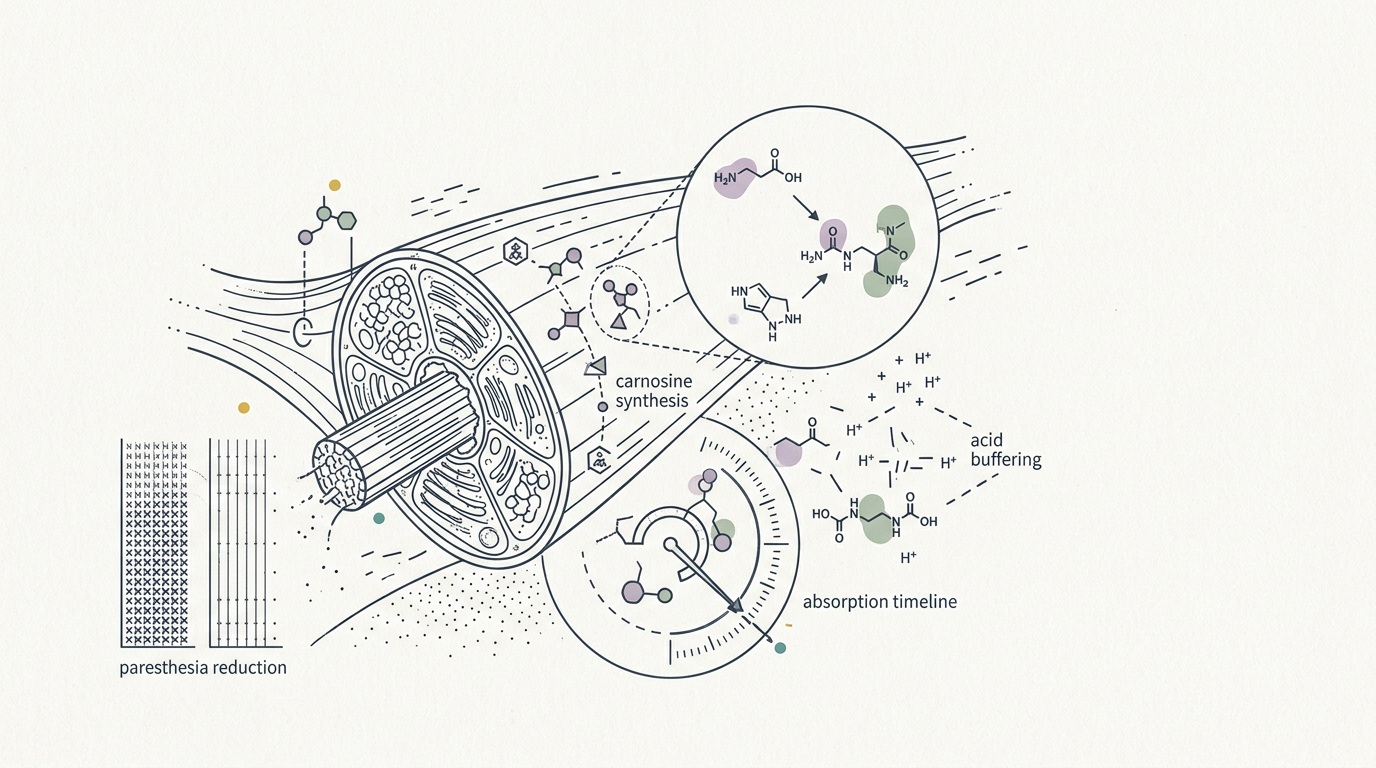
  • Sabinsa CEO on innovation, quality, and beet extract for menopause

    news · 2026-07-13 · SupplySide Supplement Journal

    Sabinsa CEO Shaheen Majeed discussed the company's commitment to ingredient quality and innovation, highlighting new research on beet extract for postmenopausal women. The study revealed benefits for cardiovascular health and inflammation in this demographic. This signals an increased focus on targeted natural solutions for menopausal symptoms.

    Sabin's take. Listen, 'quality first' should always be the baseline for supplement ingredients, not a talking point. What's actually interesting here is the spotlight on beet extract for postmenopausal women. Most people know beets for nitric oxide and athletic performance, but this pushes it into hormone health and inflammation. It's a smart play, because while the GLP-1 craze is huge, the real money long-term is in condition-specific nutrition that tackles things like post-menopause inflammation and cardiovascular markers. Look at the data, not the marketing copy: if beet extract can genuinely move the needle on those, expect more ingredient suppliers and brands to start digging into natural compounds for specific health stages. This isn't just about 'clean label' anymore; it's about efficacy and measurable impact for neglected demographics. Smart move by Sabinsa to get ahead of the curve here.

    #supplement #menopause #hormones #inflammation #nutrition #research

  • Collagen peptide supplementation boosts muscle gains in new study.

    news · 2026-07-13 · Mindbodygreen

    A new study on recreationally active young men found supplementing with collagen peptides plus resistance training significantly increased muscle mass and strength compared to placebo. Published in the *Journal of Strength and Conditioning Research*, the 12-week trial involved 60 participants, suggesting collagen's role extends beyond joints and skin to actual performance gains. This isn't just about skin elasticity; it's about helping your body rebuild after a breakdown.

    Sabin's take. Okay, so collagen isn't just about smooth skin and achy joints anymore. This latest research throws a wrench in the 'collagen is just for beauty' camp, showing that for young, active dudes pumping iron, collagen peptides actually made a difference in their muscle gains and strength. We know collagen is a major protein in connective tissue, but this points to a more involved role in muscle repair and growth, especially when paired with resistance work. Think beyond the surface level; this is about giving your body the building blocks it needs to bounce back harder. While the sample size was small and specific to young men, it’s a signal to keep an eye on how these supplements play into recovery and physical adaptation for a broader demographic. It's less about a quick fix and more about optimizing the body's natural repair mechanisms. Your body is always rebuilding; give it good raw materials. But also, don't ditch the actual protein shakes just yet; this is a 'plus,' not a replacement.
    #research #supplement #nutrition #fitness #recovery #longevity
  • Study: Grapes, blueberries boost gut health, reduce heart disease risk

    news · 2026-07-13 · Mindbodygreen

    New research published in *Food & Function* by lead author Dr. Jie Zheng from Zhejiang University found that daily consumption of foods rich in polyphenols like grapes and blueberries significantly improved gut microbiota and reduced markers of cardiovascular disease in a 12-week human trial. The study, involving 100 participants, observed noticeable changes in the gut microbiome composition and decreased inflammatory markers linked to heart health, suggesting a direct gut-heart axis benefit. It's not just about antioxidants anymore; it's about what they do to your gut bugs.
    Sabin's take. Another day, another win for your gut bugs. This study isn't just telling us to eat fruit (duh) but specifically how certain polyphenols in grapes and blueberries actively re-tune your gut microbiome. We're talking measurable shifts in bacterial diversity and fewer inflammatory signals that tank your heart health in the long run. It means the gut-heart axis isn't just a theory — it’s a direct action item. You're not just 'eating clean'; you're literally culturing a more resilient internal ecosystem. So, next time you grab a handful of berries, know you're not just snacking; you're actively managing your cardiovascular risk from the inside out. This type of nuanced, mechanism-based research is what’s going to keep pulling away from generic 'eat healthy' advice towards precision nutrition.
    #research #nutrition #gut #longevity #inflammation #heart-health