news
ACL rehab leaves persistent reaction time delays in the brain
A meta-analysis of 21 studies in Sports Medicine found that patients cleared after ACL reconstruction still show measurable cognitive-motor deficits and delayed reaction times. Physical recovery of the knee joint does not mean the central nervous system has recalibrated. The findings explain why reinjury rates stay high when return-to-play clearance relies only on strength and hop tests.
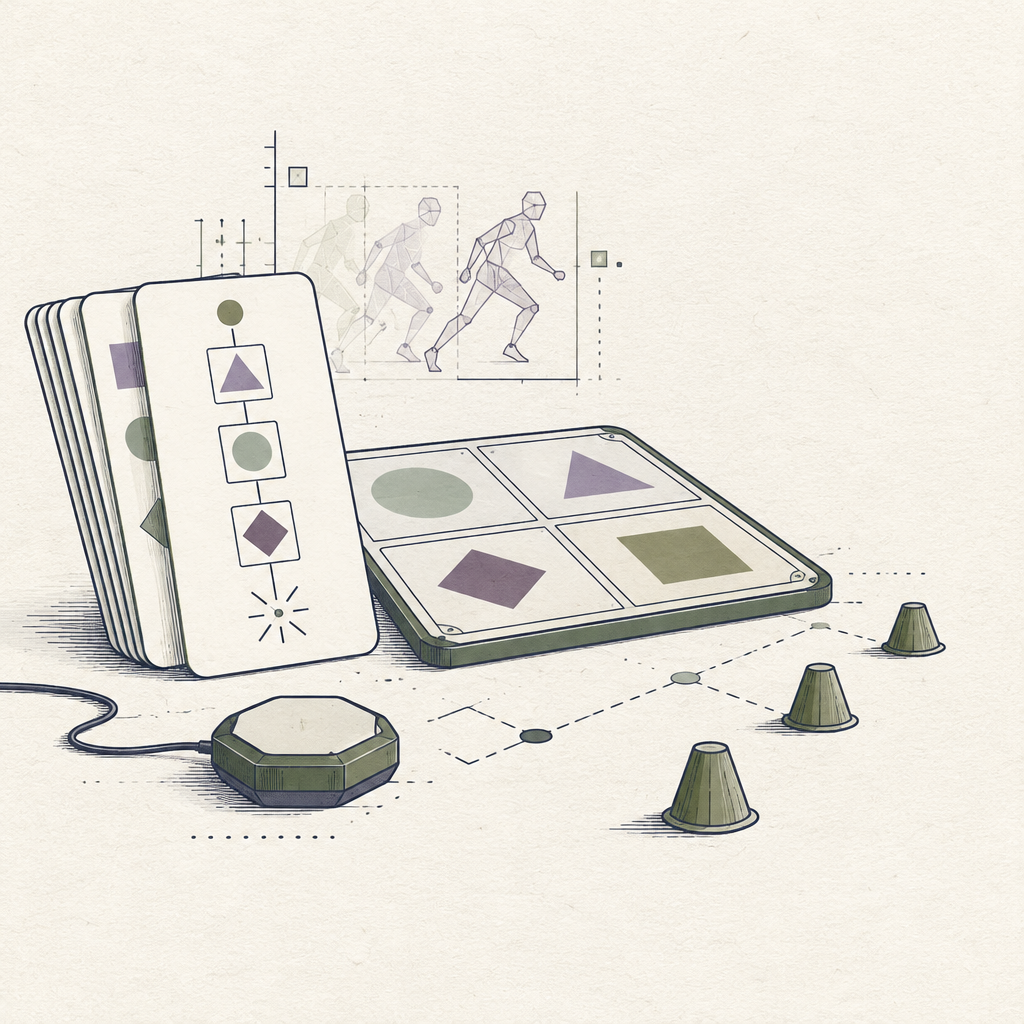
A meta-analysis of 21 studies in Sports Medicine found that patients cleared after ACL reconstruction still show measurable cognitive-motor deficits and delayed reaction times. Physical recovery of the knee joint does not mean the central nervous system has recalibrated. The findings explain why reinjury rates stay high when return-to-play clearance relies only on strength and hop tests.
The architecture take
Your surgeon clears your knee because the graft is intact and your quad index hit 90 percent, but your brain is still lagging behind the play. When an ACL tears, you rip out dense mechanoreceptors that feed real-time proprioceptive data straight to your cerebellum. I used to think clearance protocols were simply about quad symmetry and graft healing. I was dead wrong. The brain compensates by relying on visual processing instead of automatic reflex loops. That visual detour costs critical milliseconds, which shows up as measurable reaction time lag under game conditions. I watched a friend blow their reconstructed knee on a simple deceleration cut six months after acing every clinic hop test. Sports physical therapy treats joint mechanics while completely ignoring central processing speed. If you are rehabbing a knee, doing static balance and leg presses on a gym floor is only half the work. You have to train reactive neurocognitive drills under physical fatigue to force the nervous system back into reflex territory.