news
Walking Speed and Cadence Predict Longevity Better Than Daily Step Counts
A study in JAMA Network Open tracking accelerometer data found that walking cadence matters more for all-cause mortality than hitting an arbitrary 10,000-step quota. Faster paces above 80 to 100 steps per minute showed significantly steeper reductions in cardiovascular and cancer risk. The data shifts attention away from raw volume toward how briskly you actually move.
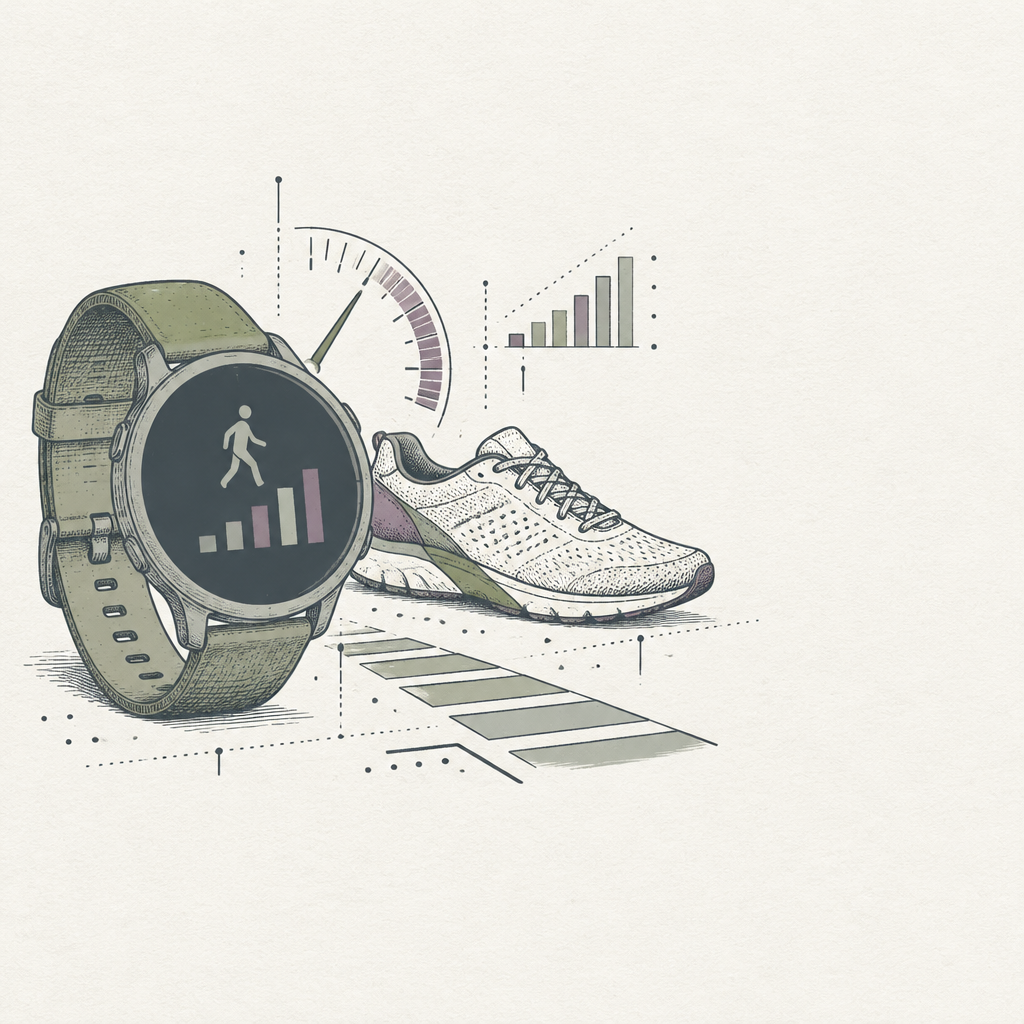
A study in JAMA Network Open tracking accelerometer data found that walking cadence matters more for all-cause mortality than hitting an arbitrary 10,000-step quota. Faster paces above 80 to 100 steps per minute showed significantly steeper reductions in cardiovascular and cancer risk. The data shifts attention away from raw volume toward how briskly you actually move.
The architecture take
I used to obsess over clearing 10,000 steps before dinner, even if half of them were sluggish shuffles between my desk and the kettle. I changed my mind once the accelerometer cohorts started publishing cadence splits. When you push past 80 to 100 steps a minute, you flip an autonomic switch. The mechanical demand forces your cardiorespiratory loop to adapt, clearing glucose faster and driving shear stress through the arterial walls to release nitric oxide. A lazy stroll keeps you moving, but a brisk clip actually recruits your fast-twitch muscle fibers and triggers mitochondrial turnover. I track my walking cadence on my watch now instead of staring at the daily odometer. (My dog hates the faster pace, but my heart rate recovery looks markedly better.) A brisk twenty-minute walk around the block does more for your vascular tone than two hours of distracted pacing through a grocery store. Speed signals reserve capacity. Push the pace.