news
Alzheimer's Blood Test Can Spot Advanced CTE in Living Patients
Researchers adapted an Alzheimer's plasma assay to detect advanced chronic traumatic encephalopathy in living patients, bypassing the historic requirement of post-mortem brain autopsies. The test measures phosphorylated tau proteins circulating in the bloodstream following repetitive head trauma. It offers athletes, military veterans, and clinicians an objective diagnostic signal while cognitive symptoms can still be addressed.
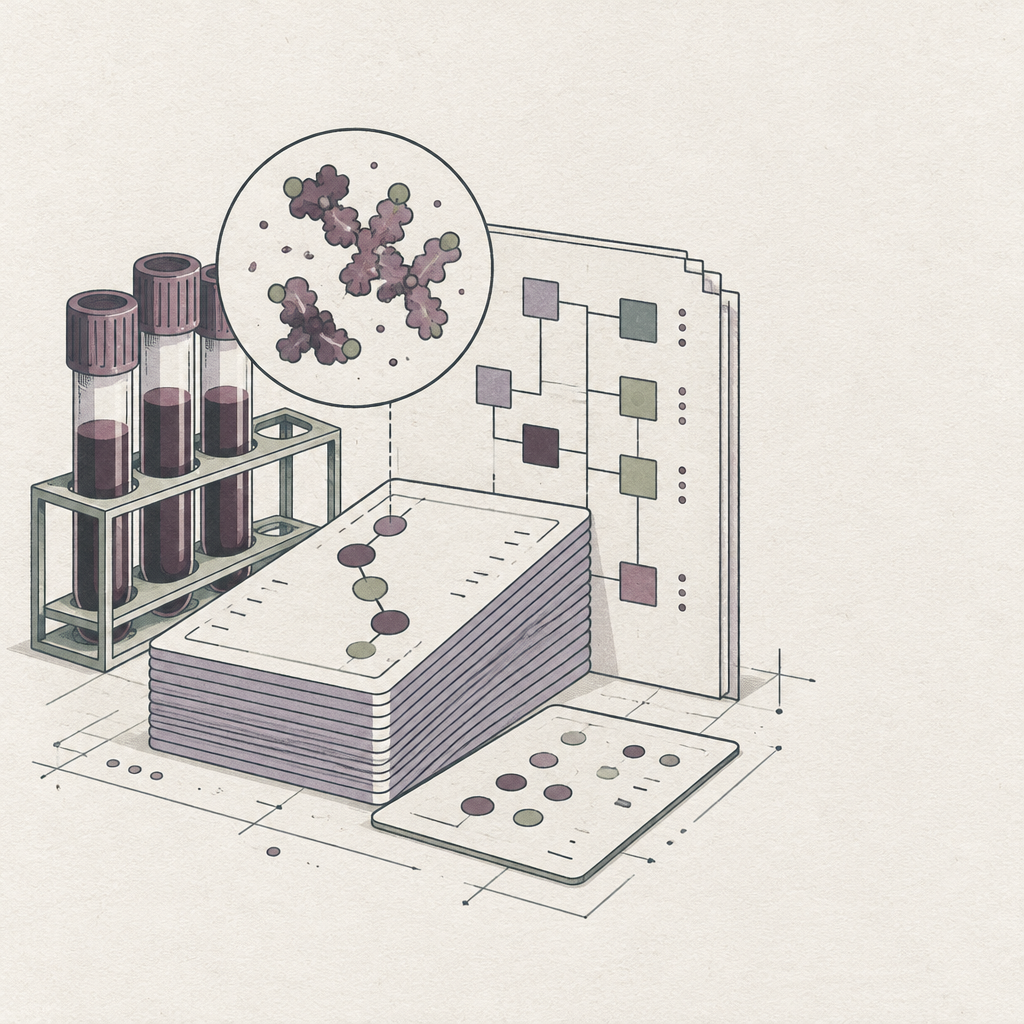
Researchers adapted an Alzheimer's plasma assay to detect advanced chronic traumatic encephalopathy in living patients, bypassing the historic requirement of post-mortem brain autopsies. The test measures phosphorylated tau proteins circulating in the bloodstream following repetitive head trauma. It offers athletes, military veterans, and clinicians an objective diagnostic signal while cognitive symptoms can still be addressed.
The architecture take
I spent years assuming a definitive CTE diagnosis belonged strictly to an autopsy table, because for decades that was the grim reality. Watching plasma biomarker science jump from Alzheimer's clinics straight into contact sports changes how I view head trauma entirely. The test tracks phosphorylated tau proteins leaking through the blood-brain barrier after years of sub-concussive hits trigger chronic neuroinflammation and microglial activation. Brains keep quiet scores. I used to think the hardest hurdle for retired athletes was getting doctors to take mood shifts seriously. The physical roadblock was having zero measurable blood targets. Once you quantify tau pathology with a routine draw, cognitive decline stops being speculative. It strips away the easy deniability front offices lean on when former linebackers report memory lapses and rage. I expect private longevity clinics to start offering this panel to amateur rugby players within eighteen months (for an eye-watering cash fee), long before insurers touch it.