news
UK Bans 1,400 Supplement Ads Over Autism and ADHD Claims
The UK Advertising Standards Authority pulled nearly 1,400 ads from supplement brands claiming their products could prevent or counteract ADHD and autism. The sweep targeted companies exploiting neurodivergence searches with unproven gut-brain and vitamin promises. It marks one of the regulator's largest crackdowns on rogue wellness marketing to date.
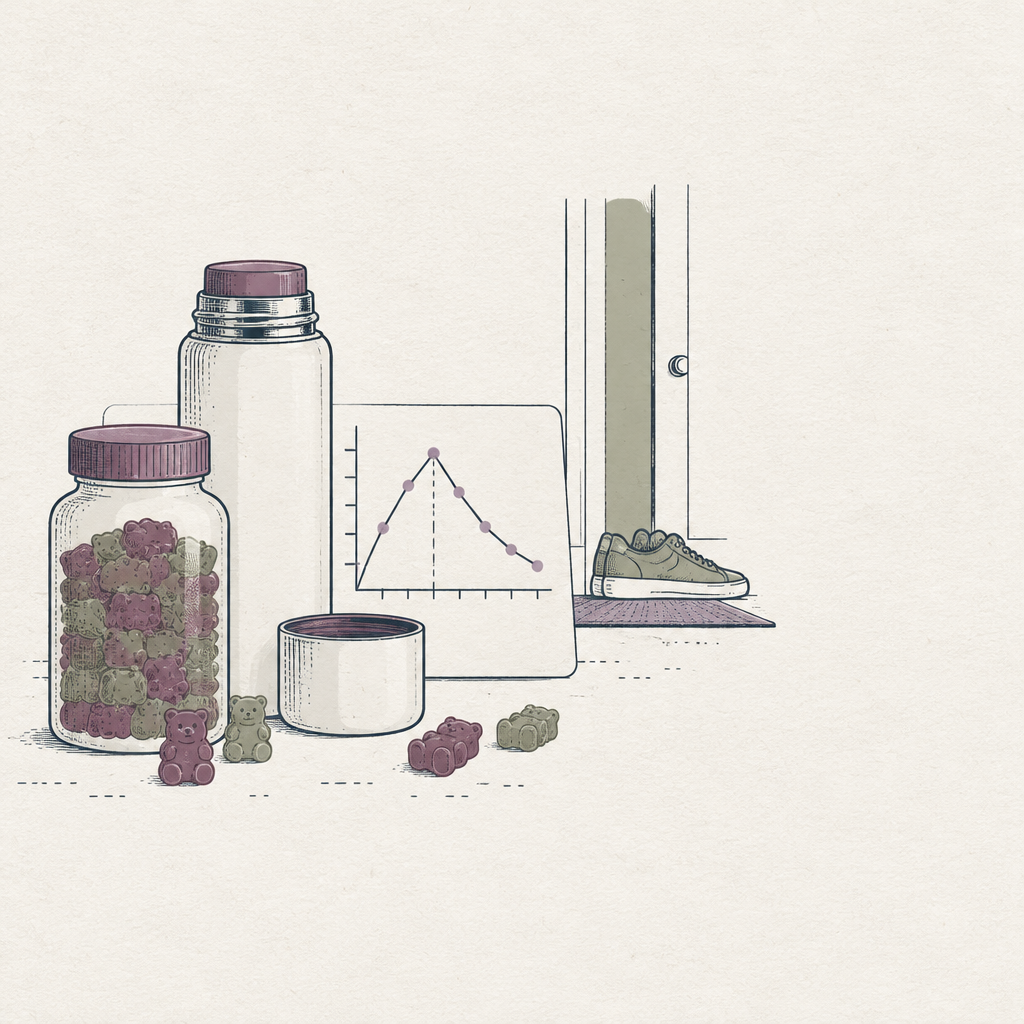
The UK Advertising Standards Authority pulled nearly 1,400 ads from supplement brands claiming their products could prevent or counteract ADHD and autism. The sweep targeted companies exploiting neurodivergence searches with unproven gut-brain and vitamin promises. It marks one of the regulator's largest crackdowns on rogue wellness marketing to date.
The architecture take
Selling a gummy that promises to fix your kid's executive function was always running on borrowed time. The UK Advertising Standards Authority finally used automated monitoring to wipe out nearly 1,400 ads making medical claims about neurodevelopmental conditions. Supplement marketers love pointing at the gut-brain connection or dopamine pathways to hint that a blend of magnesium, zinc, and lion's mane can replace clinical care. I understand why people buy them when public health waitlists for neurodevelopment assessments stretch into years. Desperate parents and exhausted adults want an over-the-counter lever they can pull tomorrow morning. But legally, food supplements cannot claim to prevent, treat, or cure disease. This sweep matters because it signals a shift from slow, complaint-based enforcement to proactive algorithmic sweeps. Regulators in Europe and North America will likely adopt the same scraping tools next. If a brand relies on vague neuro-optimization language to mask medical treatment promises, the runway just ran out.