news
UK Food Rules Miss Half of Ultra-Processed Items, Study Finds
A new statistical analysis reveals current UK HFSS regulations classify only 46% to 58% of ultra-processed foods as unhealthy. When evaluated against dietary models aligned with actual national health guidance, over 90% of those same products fail. That regulatory blind spot leaves grocery aisles full of heavily processed staples carrying clean health scores.
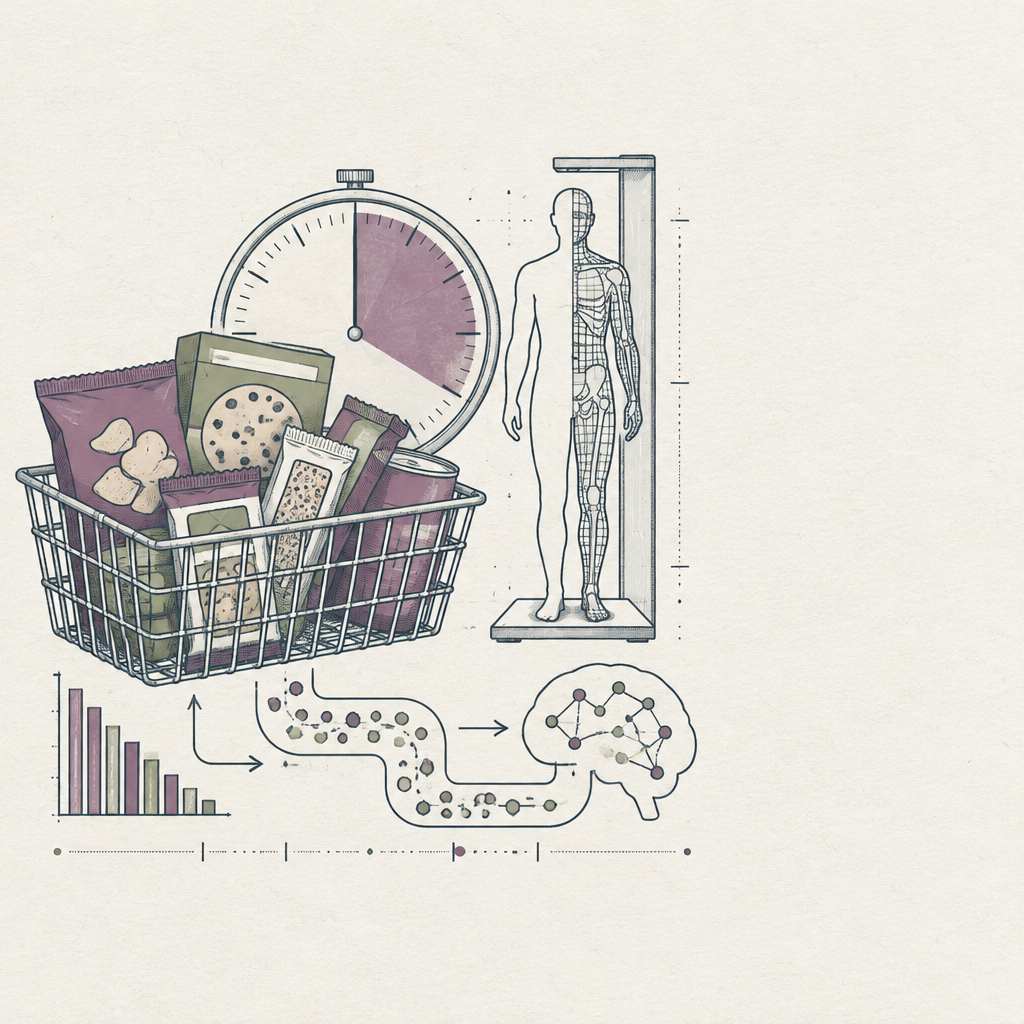
A new statistical analysis reveals current UK HFSS regulations classify only 46% to 58% of ultra-processed foods as unhealthy. When evaluated against dietary models aligned with actual national health guidance, over 90% of those same products fail. That regulatory blind spot leaves grocery aisles full of heavily processed staples carrying clean health scores.
The architecture take
Current food labeling acts like an industrial ingredient list is fine as long as you tweak the sodium and swap in a sweetener. It evaluates isolated nutrients rather than the food matrix itself, which is how snack bars packed with emulsifiers and extruded grains manage a green traffic light. When you eat those engineered foods, the hit to your gut microbiome and post-meal glucose stability happens regardless of whether the package got a regulatory pass. Emulsifiers strip the mucosal lining of the gut, industrial seed oils trigger low-grade systemic inflammation, and hyper-palatable textures bypass normal satiety signaling in your brain. Regulators are still treating food like an arithmetic problem of grams of fat versus fiber, while your digestive tract experiences it as biochemical static. Until policy targets ultra-processing rather than isolated nutrient scores, don't outsource your metabolic judgment to a government-approved label. Check the ingredient list for things you cannot buy in a normal spice drawer.