news
Study maps 30-day brain injury protein signature after elective surgery
Researchers in GeroScience tracked 447 plasma proteins in 616 older adults undergoing elective surgery and memory evaluations. Systemic inflammation surged on day one, but by day 30, blood markers shifted to persistent neuronal injury proteins like neurofilament light that predicted four-year cognitive decline.
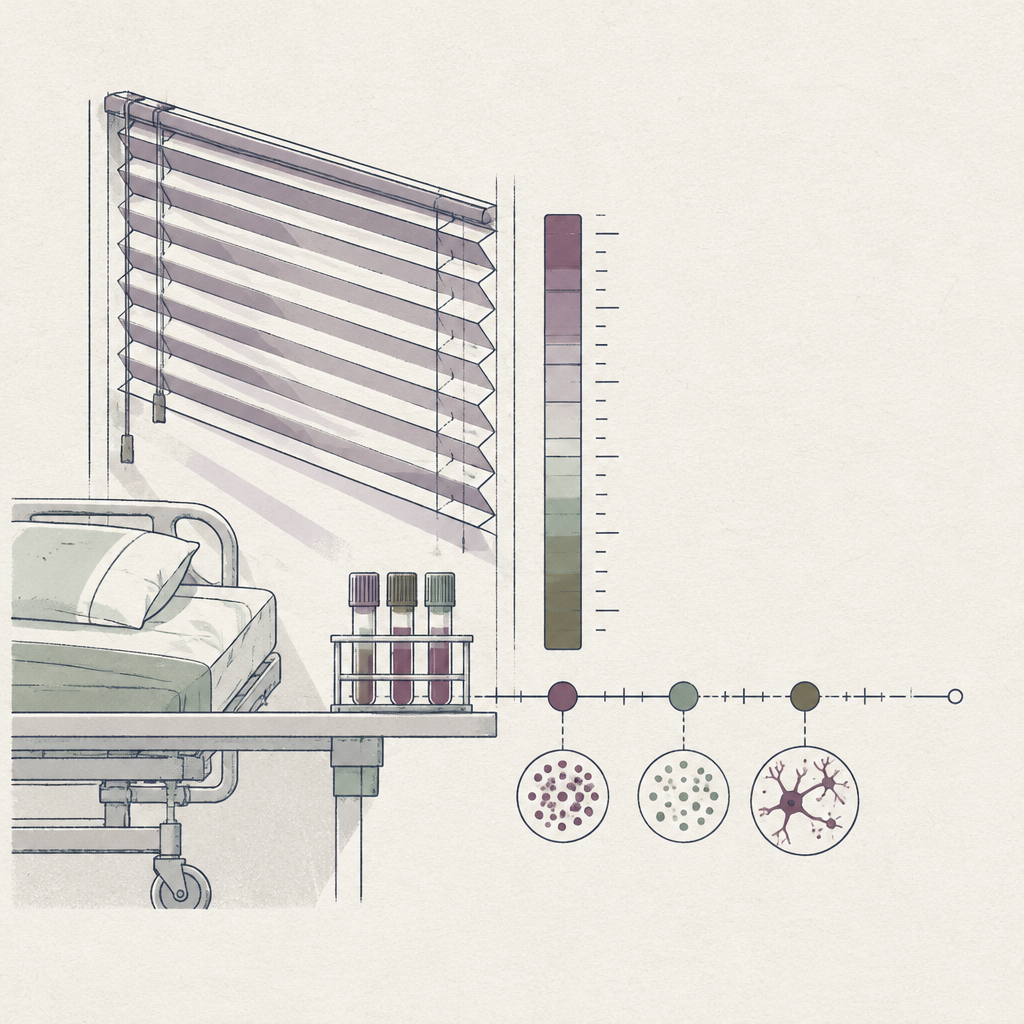
Researchers in GeroScience tracked 447 plasma proteins in 616 older adults undergoing elective surgery and memory evaluations. Systemic inflammation surged on day one, but by day 30, blood markers shifted to persistent neuronal injury proteins like neurofilament light that predicted four-year cognitive decline.
The architecture take
I used to assume post-anesthesia brain fog was just lingering pharmacological haze that cleared once the drugs left your fat tissue. This trial proves otherwise. The team watched 330 inflammatory proteins flare on day one after an operation, which is standard tissue trauma response. The real surprise arrived at day 30, when general swelling quieted down but specific markers of axonal destruction, including NEFL and EN-RAGE, remained elevated. That means elective surgery triggers a delayed wave of neuronal stress that persists for weeks after the incision heals. If an older parent seems cognitively off a month after a hip replacement, they are not imagining it. I suspect this will force surgical prehab clinics to start prescribing anti-inflammatory protocols and sleep protection long into the recovery window, rather than cutting patients loose at their two-week wound check.