news
Cold Therapy Slows Muscle Recovery After Exercise, Study Finds
A new trial shows cold water immersion right after training delays muscle repair and blunts strength gains compared to passive rest. Freezing temperatures constrict blood vessels and suppress the natural acute inflammation required for tissue adaptation. If the goal is rebuilding muscle rather than numbing acute soreness, resting quietly works better.
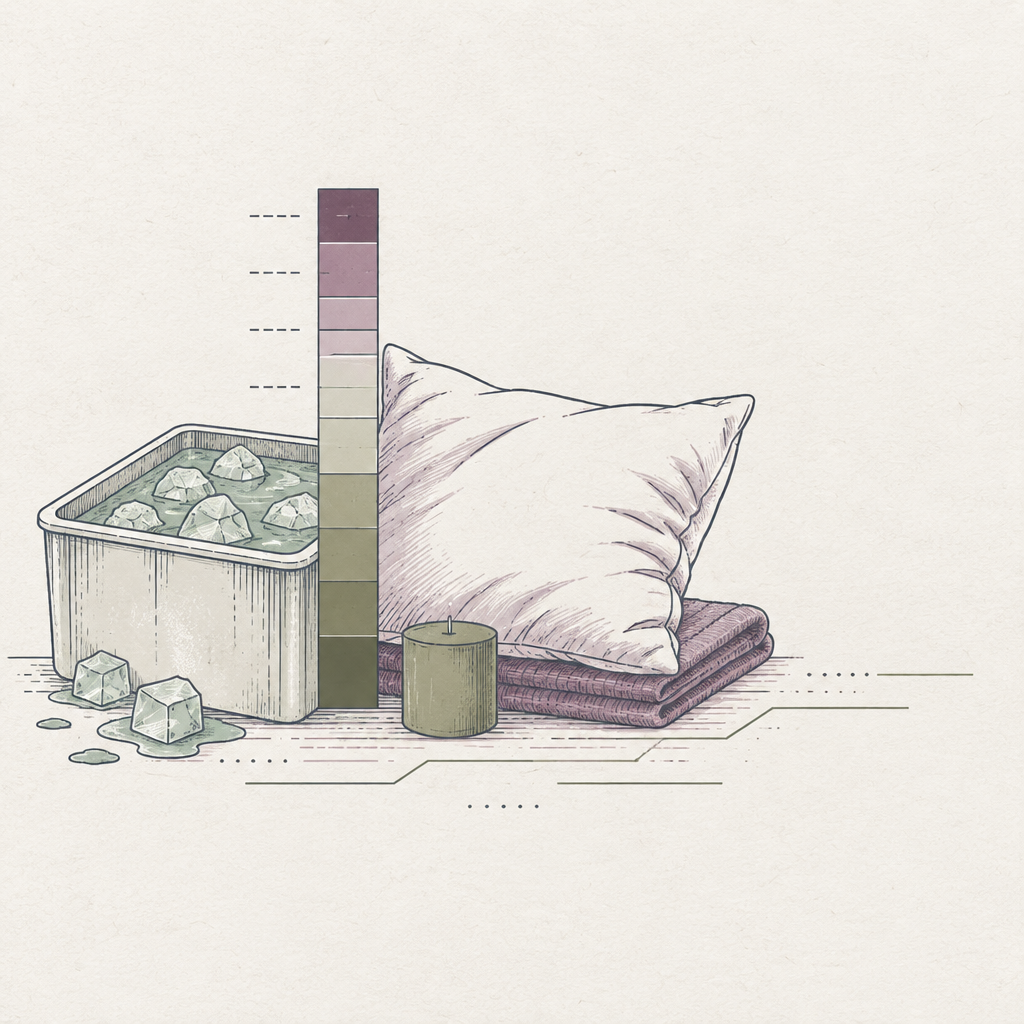
A new trial shows cold water immersion right after training delays muscle repair and blunts strength gains compared to passive rest. Freezing temperatures constrict blood vessels and suppress the natural acute inflammation required for tissue adaptation. If the goal is rebuilding muscle rather than numbing acute soreness, resting quietly works better.
The architecture take
I spent three winters shivering in 48-degree water because I thought suffering bought me faster recovery. Turns out, blunting the body's natural inflammatory cascade right after lifting or sprinting is a great way to halt the very adaptation you trained for. When you shock tissue with cold, intense vasoconstriction clamps down local blood flow and suppresses satellite cell activation. You drop soreness temporarily by numbing nerve endings, but muscle protein synthesis takes a hit. I stopped plunging immediately post-workout last year, and my baseline strength numbers finally ticked up. Freezing yourself spikes cortisol and activates sympathetic drive at the exact hour your nervous system needs to drift toward parasympathetic repair. If you want mental grit or a dopamine surge before dawn, take the plunge. If you want tissue rebuilding after hard intervals, a hot shower and eight hours of sleep beat a chest freezer every time.