news
WHO Issues Split Guidelines on Childhood and Adolescent Obesity Management
The World Health Organization published two distinct guidelines targeting obesity in children and adolescents across primary care settings. The guidance formally separates early childhood habit interventions from adolescent clinical care, opening the door to earlier metabolic screening and structured medical support.
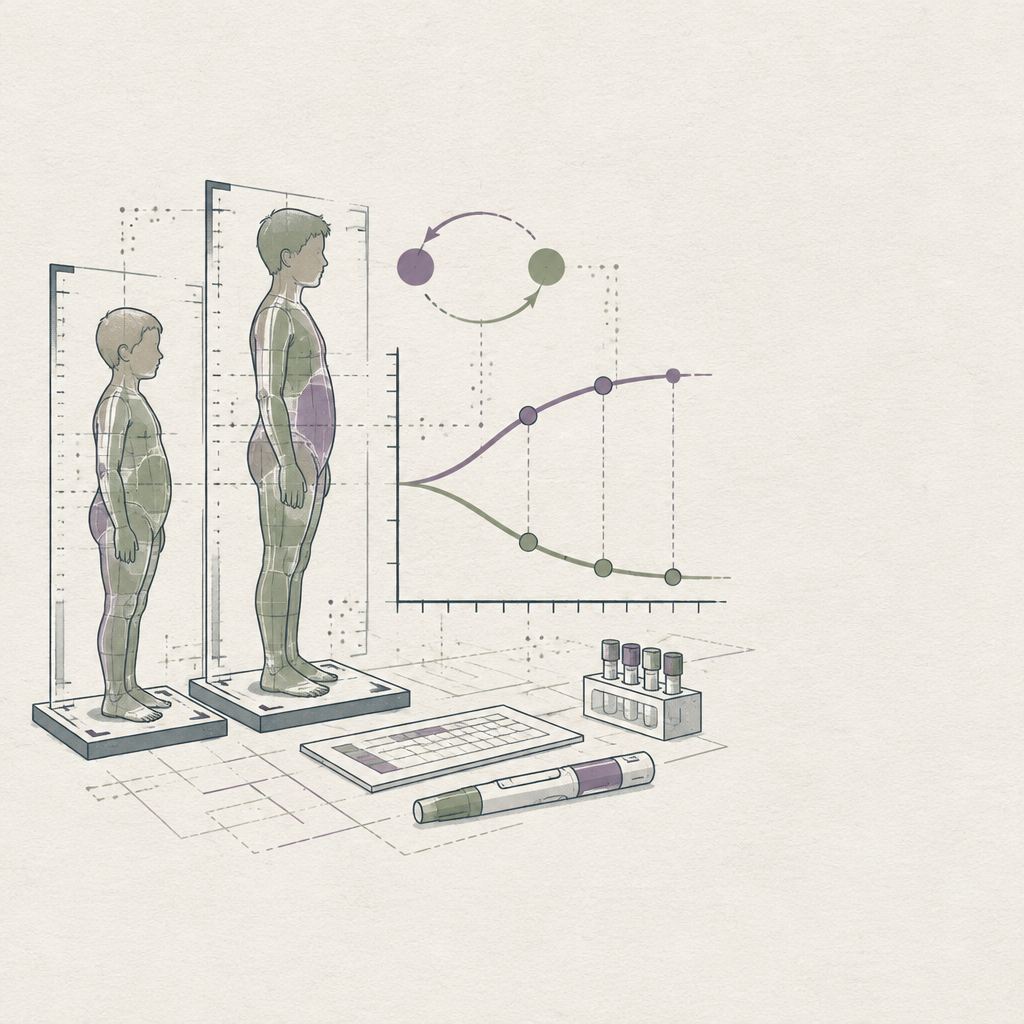
The World Health Organization published two distinct guidelines targeting obesity in children and adolescents across primary care settings. The guidance formally separates early childhood habit interventions from adolescent clinical care, opening the door to earlier metabolic screening and structured medical support.
The architecture take
Public health agencies spent three decades handing families food pyramids and pretending willpower was the missing ingredient. The WHO splitting childhood and adolescent obesity into two separate clinical pathways marks a quiet concession that adolescent metabolic dysfunction is not just a habit issue. When insulin resistance sets in during puberty, the hormonal signal driving appetite goes haywire, locking the nervous system into constant hunger while basal metabolic rate drops. By treating adolescent obesity as a distinct clinical state, the WHO is clearing the runway for earlier biomarker testing, targeted endocrine support, and eventually GLP-1 therapies in younger demographics. What I am watching next is how pediatricians handle the gap between behavioral coaching and pharmaceutical intervention. Drugmakers are racing to push pediatric approvals, but without baseline circadian regulation and real food access, medication simply manages a symptom while the underlying metabolic stress continues running in the background.