news
German Health Experts Push for Bans on Infinite Scroll and Autoplay
German addiction medicine specialists are urging regulators to outlaw engagement traps like infinite scrolling and autoplay on major platforms. The policy push aims to curb rising rates of compulsive screen use tied to chronic sleep disruption and adolescent depressive symptoms. Regulating interface design as an environmental health hazard marks a decisive turn away from individual habit policing.
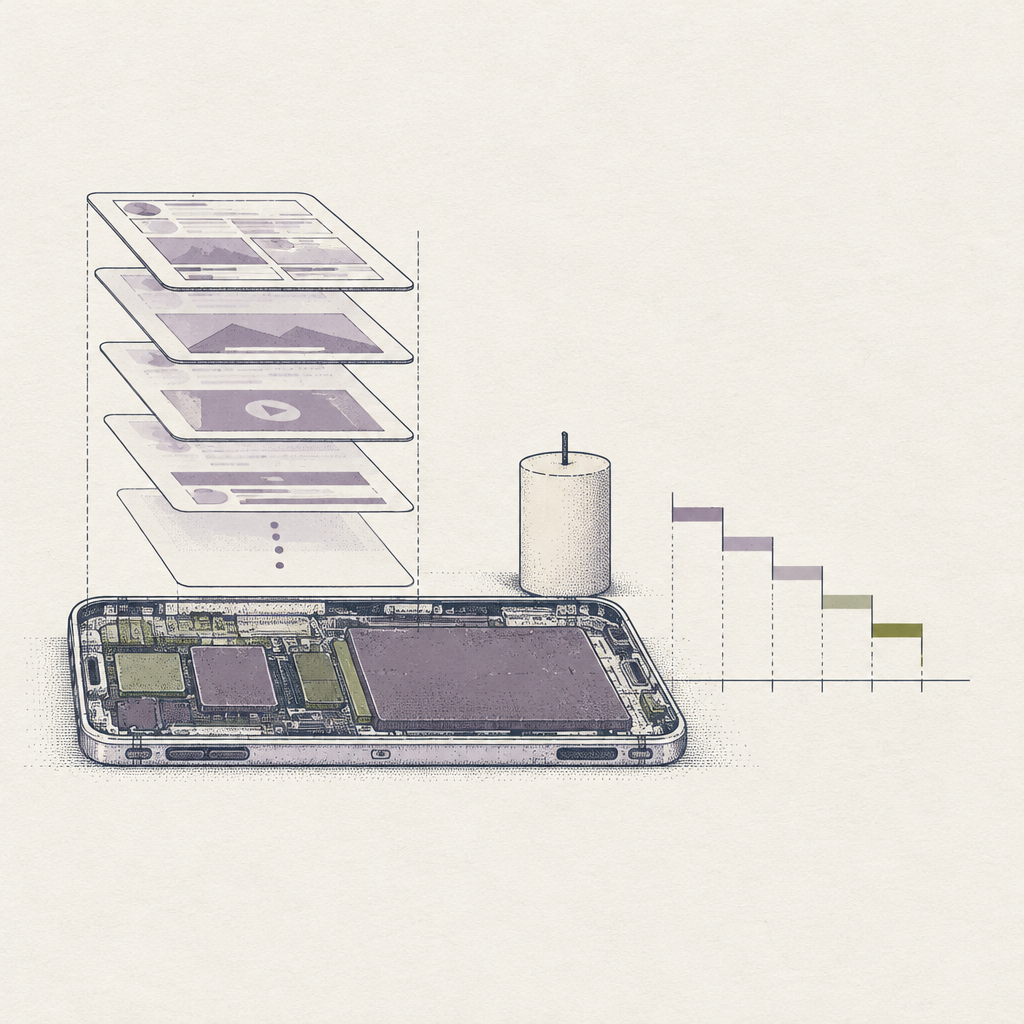
German addiction medicine specialists are urging regulators to outlaw engagement traps like infinite scrolling and autoplay on major platforms. The policy push aims to curb rising rates of compulsive screen use tied to chronic sleep disruption and adolescent depressive symptoms. Regulating interface design as an environmental health hazard marks a decisive turn away from individual habit policing.
The architecture take
I used to believe screen fatigue was purely an individual boundary failure. Then I looked at the actual neurochemistry of variable rewards. Autoplay and bottomless feeds hijack the dopamine circuit by deliberately stripping out natural stopping cues. When an app removes friction, it bypasses conscious executive control and keeps the nervous system trapped in low-grade vigilance. Your sleep pressure builds normally in the dark, but sustained dopamine and late cortisol spikes trick the brain into feeling wired at 1 a.m. German clinicians are right to treat these interface loops like commercial irritants rather than personal lifestyle quirks. Nobody can out-discipline software fine-tuned by armies of engineers to keep baseline arousal elevated. If European regulators actually mandate manual clicks and hard page breaks, wearable sleep scores will register the relief within days. I would welcome mandatory friction. Boredom is restorative.