news
Marta Garaulet Tracks Seven Years of Siestas and Metabolic Risk
Chronobiologist Marta Garaulet followed adults over seven years to measure how daytime naps alter cardiometabolic health. Brief naps under thirty minutes protect blood sugar and cardiovascular markers, while longer midday crashes consistently backfire.
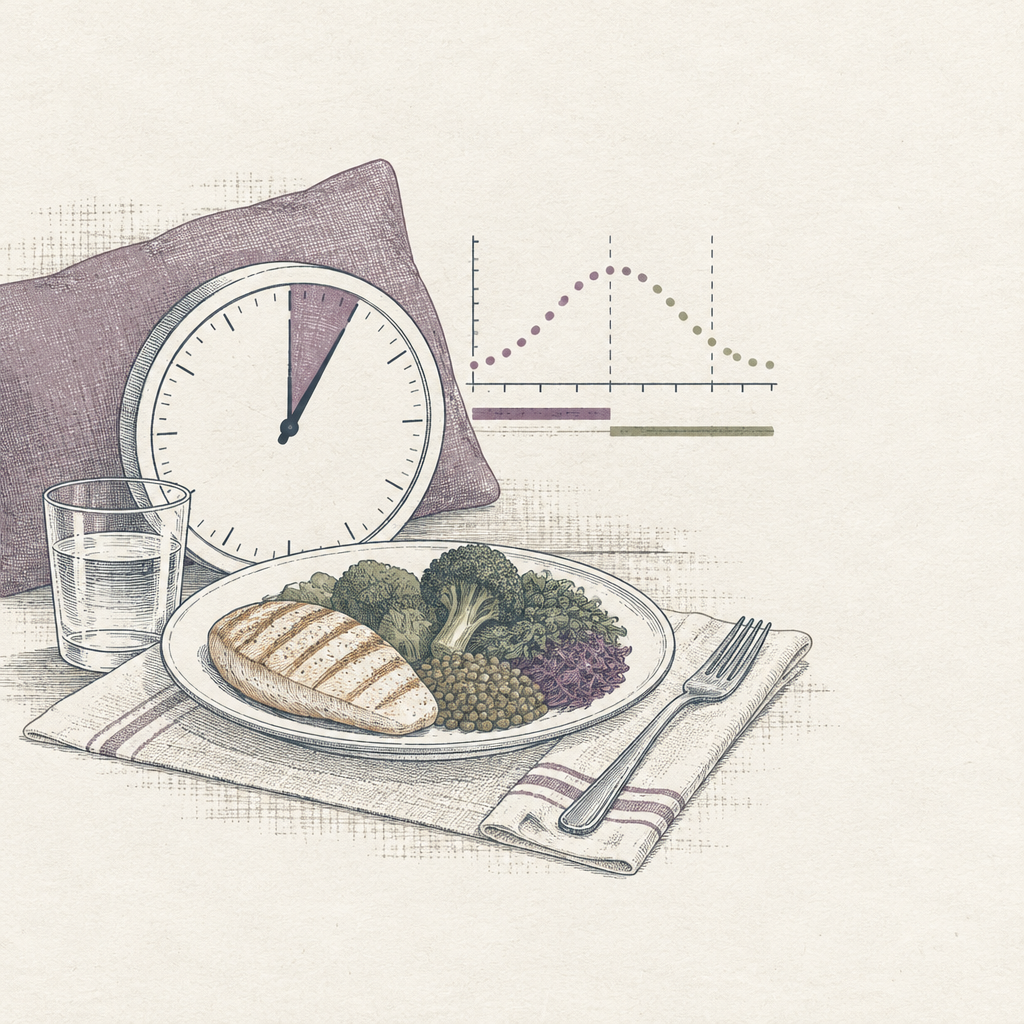
Chronobiologist Marta Garaulet followed adults over seven years to measure how daytime naps alter cardiometabolic health. Brief naps under thirty minutes protect blood sugar and cardiovascular markers, while longer midday crashes consistently backfire.
The architecture take
I used to think any nap was an indulgence that wrecked nighttime sleep pressure. Garaulet's seven-year data showed me where I had it backward. A brief twenty-minute rest drops midday sympathetic tone and buffers cortisol without letting your core temperature crater into deep slow-wave sleep. Wake up before minute thirty, and you get the mental reset without sleep inertia dragging down your afternoon glucose clearance. Push past forty-five minutes, and your body registers it as split night sleep. That longer bout spikes waking blood pressure, scrambles insulin sensitivity at dinner, and dilutes the adenosine you need by ten at night. I keep an alarm set for twenty-two minutes flat on my desk days. It turns out the Mediterranean habit works, but only if you respect the clock. Treat a midday pause as a quick nervous system rinse, not a mini-night.