news
Over half of youth gambled in the past year, Rutgers reports
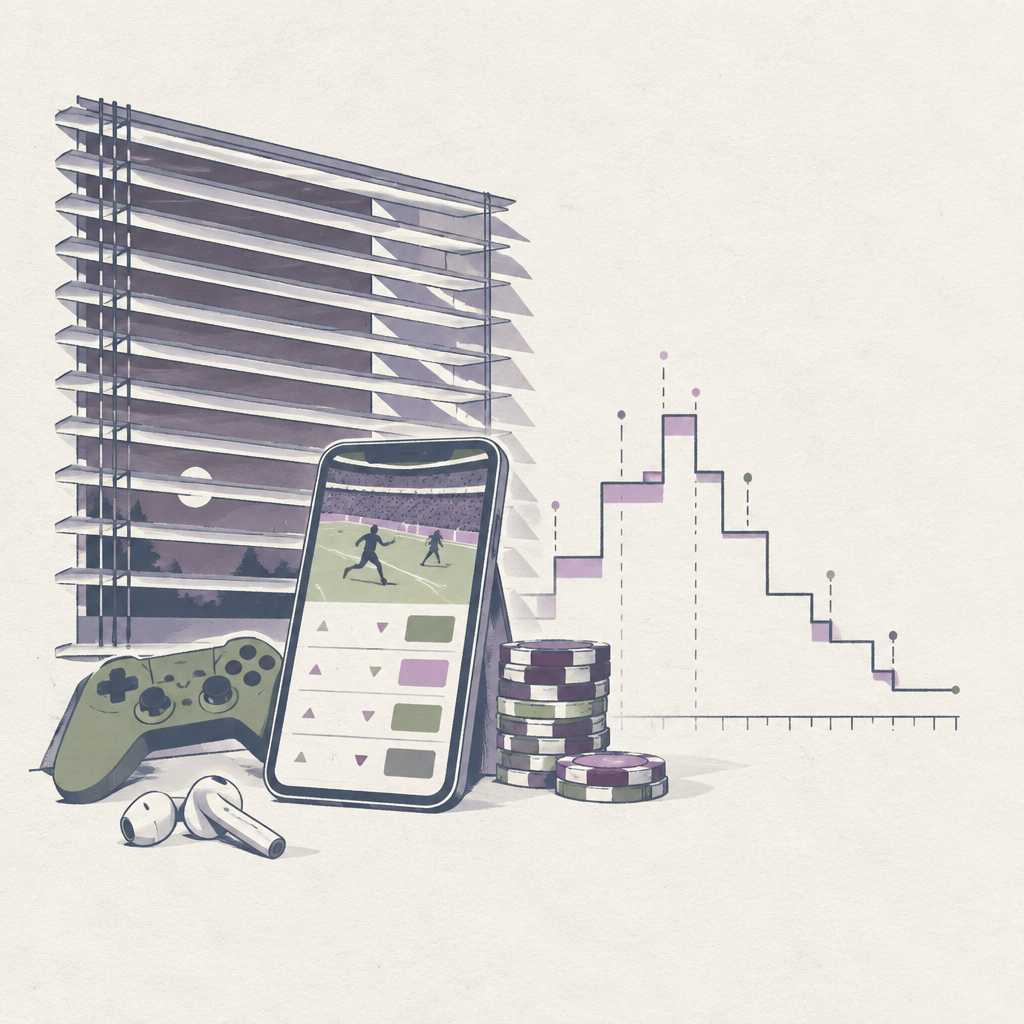
A national survey of 1,677 adolescents and young adults from the Rutgers Center for Gambling Studies found that 52.5% gambled in the previous year, including 42.7% of teens aged 13 to 17. Lead researchers Lisa Nower and Jackie Stanmyre reported that 11% of young people who gambled met criteria for high-risk problem behavior. Gamified trading and mobile sportsbooks have brought high-frequency betting straight to teenage bedrooms.
A national survey of 1,677 adolescents and young adults from the Rutgers Center for Gambling Studies found that 52.5% gambled in the previous year, including 42.7% of teens aged 13 to 17. Lead researchers Lisa Nower and Jackie Stanmyre reported that 11% of young people who gambled met criteria for high-risk problem behavior. Gamified trading and mobile sportsbooks have brought high-frequency betting straight to teenage bedrooms.
The architecture take
Treating teen gambling like a bad habit misses how sportsbooks actually make their money. These apps run on intermittent reinforcement, delivering random dopamine spikes that hijack developing reward circuits before impulse control has fully matured. I used to think sports betting was just another teenage vice. I was wrong. I watched how fast live micro-bets turn a baseline evening into pure physiological agitation. When a teenager wagers on individual plays, their nervous system stays locked in chronic sympathetic arousal, riding sharp surges of cortisol and adrenaline every thirty seconds. That constant static destroys sleep pressure and exhausts attention capacity. Sports leagues and betting platforms know exactly what they are doing by embedding odds directly into live game broadcasts. Regulators talk about age verification, but kids bypass digital friction in five minutes flat. I expect adolescent mental health clinics will spend the next three years retooling their intake protocols around runaway dopamine burnout.