news
UK funds ten studies tracking youth mental health ahead of social bans
The UK government is backing ten longitudinal studies to track adolescent mental health before and after planned social media restrictions take effect. Researchers will monitor sleep markers, anxiety scores, and depressive symptoms across thousands of teenagers to measure what forced digital abstinence actually does to developing brains.
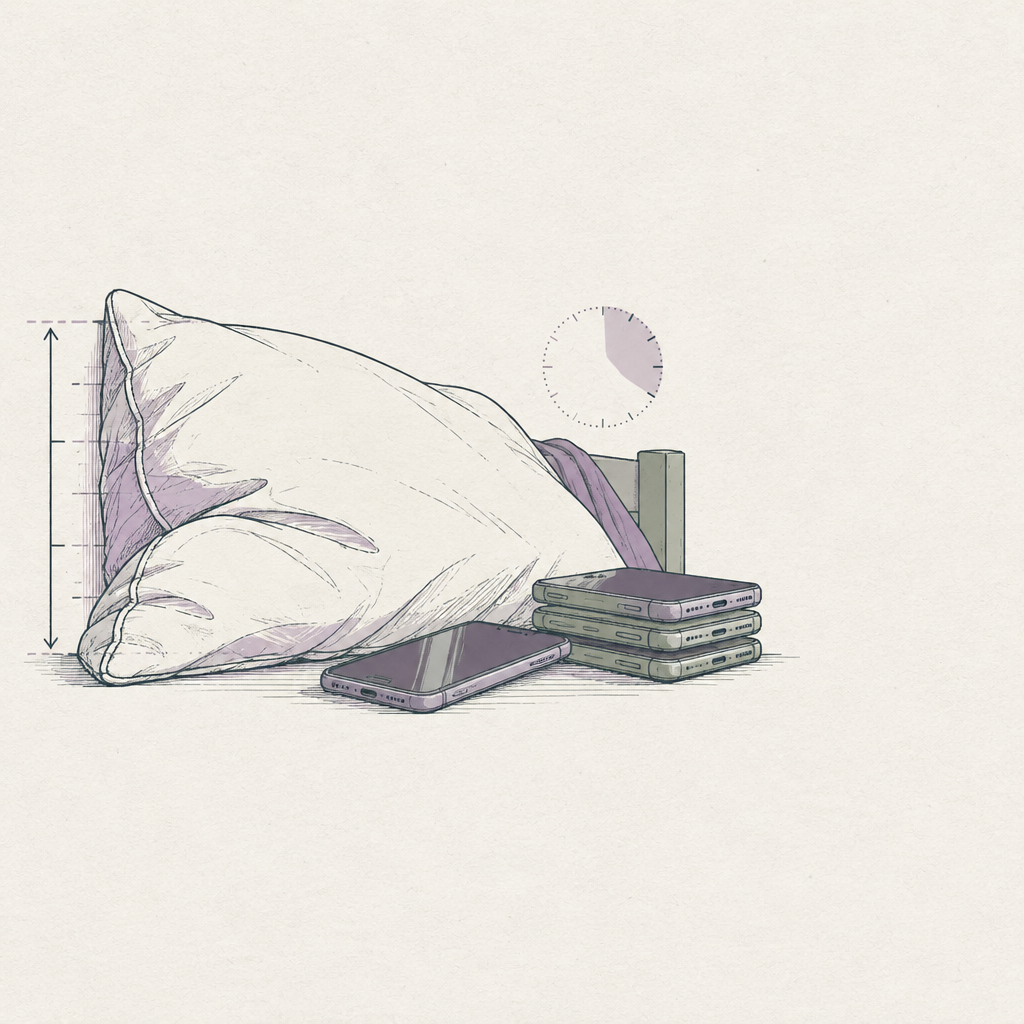
The UK government is backing ten longitudinal studies to track adolescent mental health before and after planned social media restrictions take effect. Researchers will monitor sleep markers, anxiety scores, and depressive symptoms across thousands of teenagers to measure what forced digital abstinence actually does to developing brains.
The architecture take
Epidemiologists spent fifteen years arguing about whether smartphones broke a generation without running a single clean, population-level natural experiment. Now British researchers are getting front-row seats to an involuntary detox. I used to think policy bans like this were mostly performative politics from ministers chasing easy headlines. I changed my mind once I looked at the adolescent sleep pressure data. When teenagers scroll until 1 AM, blue light suppresses melatonin, but the real culprit is the variable-ratio dopamine drip keeping their nervous system on high alert. That chronic sympathetic arousal leaves baseline cortisol elevated before they even walk into homeroom. It shows up fast. If kicking kids off TikTok and Instagram restores ninety minutes of deep sleep and dials down baseline social static, tech platforms lose their primary defense overnight. Watch the sleep architecture metrics across these ten cohorts; they'll reveal the physiological shift months before self-reported mood surveys catch up.