news
Anker Debuts Soundcore Sleep Earbuds 4 Targeting Snoring and Night Noise
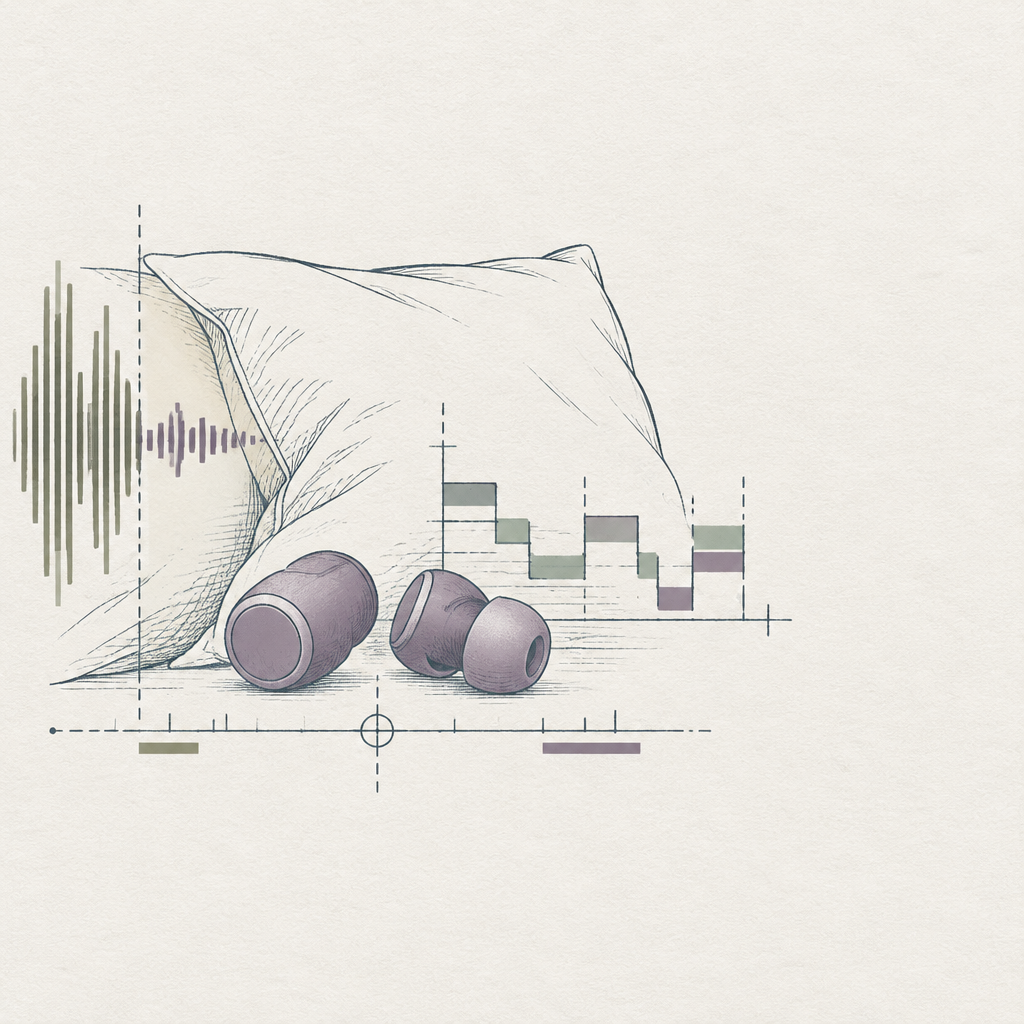
Anker unveiled the Soundcore Sleep Earbuds 4 at CES, adding a 3 to 5 dB reduction boost in active noise cancellation specifically tuned to muffle partner snoring and ambient bedroom noise. The low-profile earbuds target the estimated 20 million American couples battling sleep fragmentation from nightly acoustic interruptions. The release shifts sleep audio away from general earbuds toward dedicated nighttime recovery gear.
Anker unveiled the Soundcore Sleep Earbuds 4 at CES, adding a 3 to 5 dB reduction boost in active noise cancellation specifically tuned to muffle partner snoring and ambient bedroom noise. The low-profile earbuds target the estimated 20 million American couples battling sleep fragmentation from nightly acoustic interruptions. The release shifts sleep audio away from general earbuds toward dedicated nighttime recovery gear.
The architecture take
I spent years pretending white noise apps could drown out low-frequency bedroom rumble, and my HRV paid for every single decibel. The engineering problem with snoring has always been frequency: standard active noise cancellation handles uniform jet engines brilliantly, but uneven guttural spikes slip right past the mics. An extra 3 to 5 dB of targeted attenuation sounds modest on paper. Tiny decibel shifts matter. In a bedroom at 2 a.m., that drop is often the exact threshold between staying in slow-wave sleep and triggering an involuntary sympathetic spike. A micro-arousal does not always register as waking up, but it pumps just enough cortisol into your bloodstream to wreck your morning baseline. Earbuds that sit flush against a pillow without cartilage ache are hard to make, and Anker seems to finally grasp that sleep hardware is health tech, not commuter audio. I suspect we will see Bose and Sony chase this snore-specific frequency niche before the year is out.