news
Review of 82 Studies Pinpoints Skiing and Snowboarding Injury Differences
A systematic review of 82 sports-medicine studies evaluated trauma patterns across thousands of skiers and snowboarders to determine how each sport stresses the body. Snowboarders suffered significantly higher rates of wrist fractures, shoulder dislocations, and concussions from backward falls, while skiers absorbed severe rotational torque through knees and ligaments. The findings give recreational athletes specific joint-conditioning targets depending on which setup they ride.
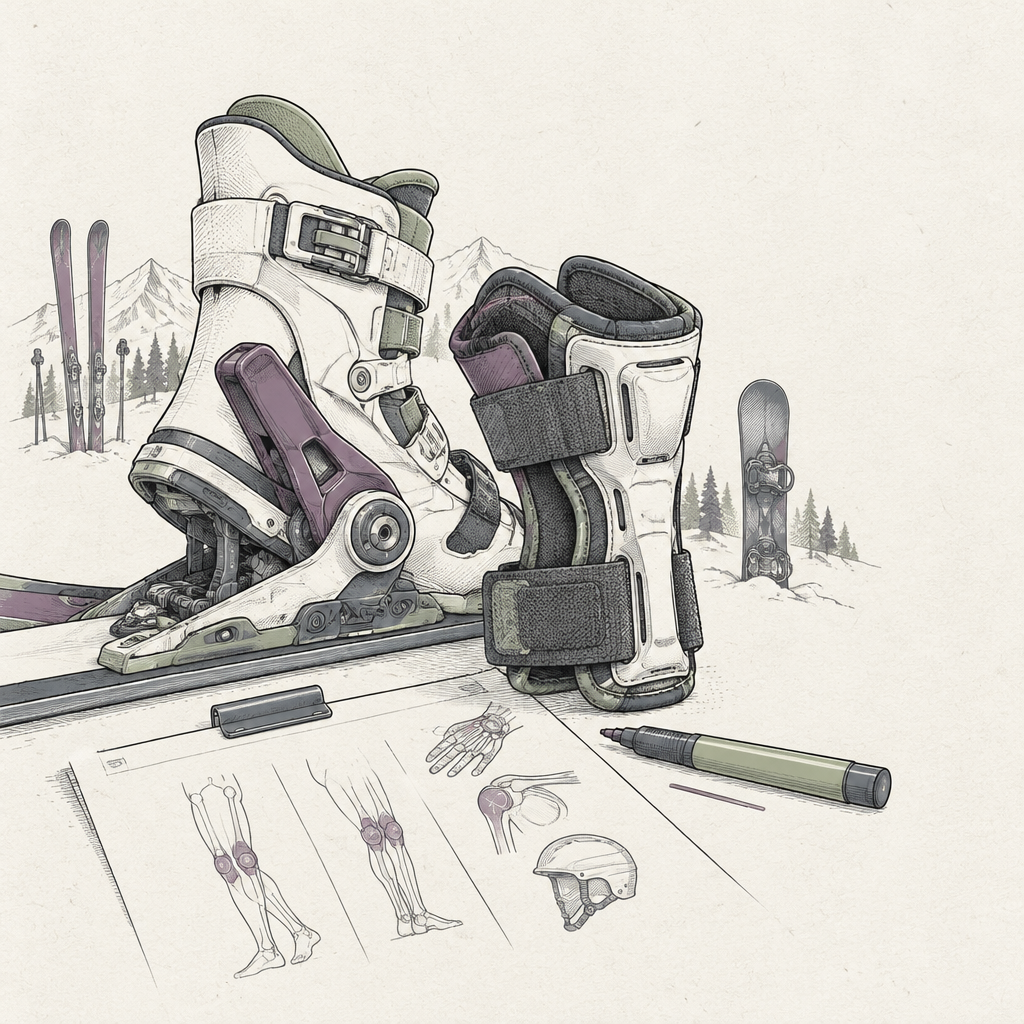
A systematic review of 82 sports-medicine studies evaluated trauma patterns across thousands of skiers and snowboarders to determine how each sport stresses the body. Snowboarders suffered significantly higher rates of wrist fractures, shoulder dislocations, and concussions from backward falls, while skiers absorbed severe rotational torque through knees and ligaments. The findings give recreational athletes specific joint-conditioning targets depending on which setup they ride.
The architecture take
I spent years assuming snowboarding was simply the reckless choice, mostly because I spent my twenties catching heel edges and rattling my skull. (I still have mild phantom wrist aches to prove it.) The aggregate data from 82 studies tells a different kinetic story. Snowboarding concentrates trauma in wrists, shoulders, and head from sudden backward deceleration, particularly when beginners lose balance. Skiing distributes forces differently until high-velocity rotational torque shears an ACL or tears an MCL when bindings refuse to release. The sports break bodies differently. If you ski, you need hamstring eccentric strength and knee stability to counter rotational shear. If you snowboard, wrist guards and neck isometric capacity for whiplash matter far more. I changed my pre-season routine after reading the ligament stats. Now I train the exact deceleration pattern instead of doing generic gym lunges.