news
Review finds turmeric supplements fail to improve knee osteoarthritis
A systematic review of clinical trial data shows turmeric and curcumin supplements provide no clinically meaningful benefit for knee osteoarthritis pain or mobility. Despite dominating the joint-health supplement aisle, the compound failed to show real-world improvement over placebo in daily physical function.
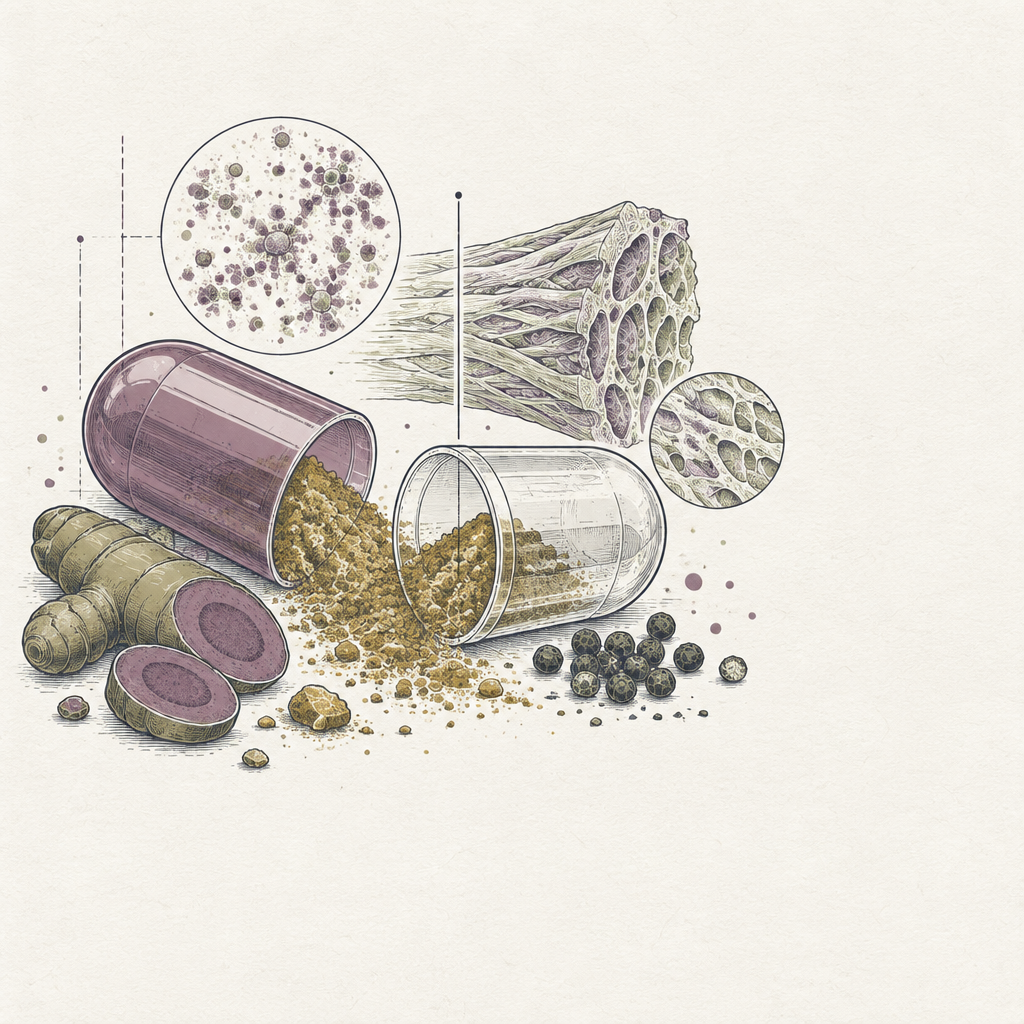
A systematic review of clinical trial data shows turmeric and curcumin supplements provide no clinically meaningful benefit for knee osteoarthritis pain or mobility. Despite dominating the joint-health supplement aisle, the compound failed to show real-world improvement over placebo in daily physical function.
The architecture take
I took high-dose curcumin for six months when my left knee started clicking on stairs, convinced I was outsmarting systemic inflammation. My knee kept clicking, my wallet was lighter, and this review explains exactly why. The researchers combed through the clinical trial data on knee osteoarthritis and found the actual effect on daily joint function is essentially indistinguishable from a sugar pill. Curcumin looks brilliant in a petri dish because it downregulates inflammatory markers like NF-kB and COX-2. Inside a living human digestive tract, however, its bioavailability is notoriously poor. Most of an oral dose gets metabolized by the liver before it ever reaches synovial fluid in a joint capsule. Brands responded by adding black pepper extract or liposomal delivery, but better absorption still has not translated into repairing cartilage or softening mechanical joint stress. I stopped buying the $45 bottles last year. If your joints ache, targeted quad loading and progressive resistance will do tenfold more for your knees than golden milk.