news
Brain recordings across 87 patients map how expectation blocks pain
Neuroscientists analyzed 15 years of direct intracranial brain recordings across 87 patients, mapping four distinct functional zones within the human insula. The findings reveal the specific top-down circuit where emotional context and expectation suppress pain signals before conscious awareness kicks in.
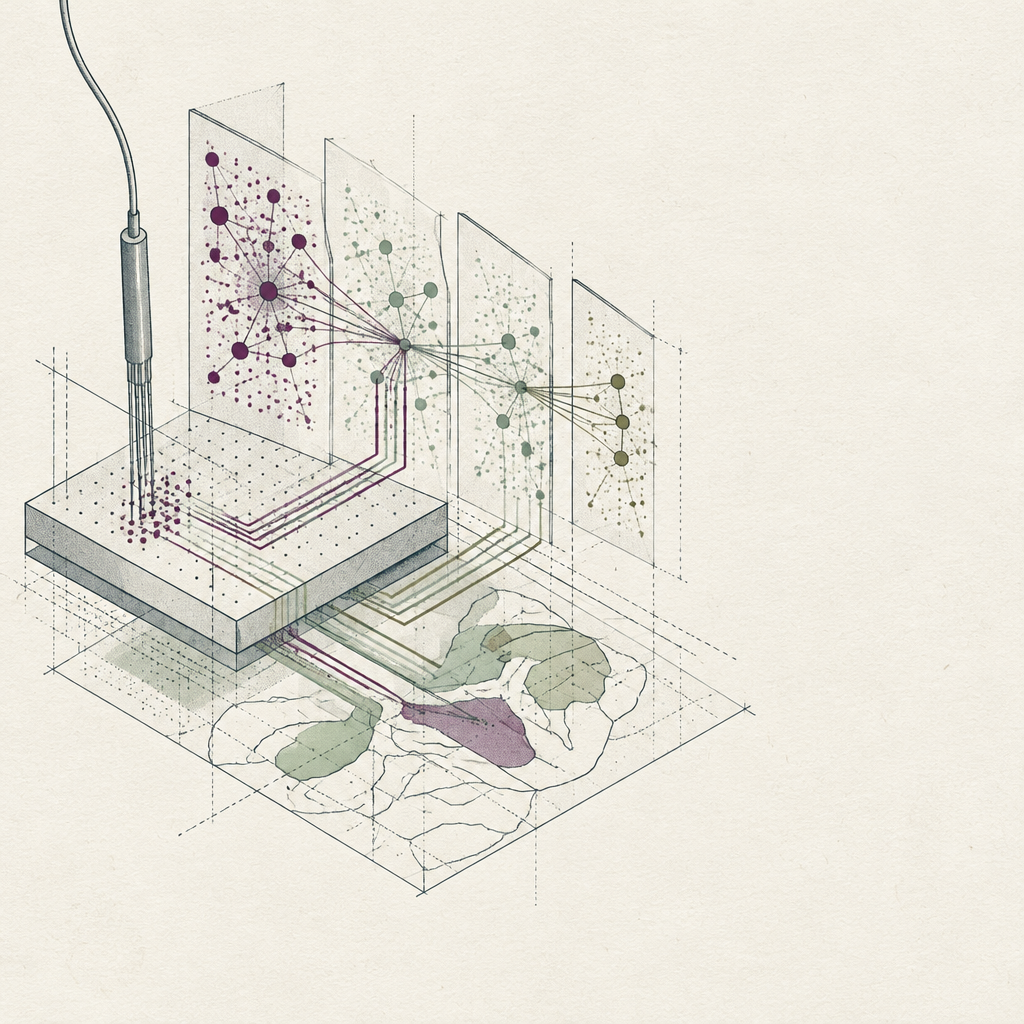
Neuroscientists analyzed 15 years of direct intracranial brain recordings across 87 patients, mapping four distinct functional zones within the human insula. The findings reveal the specific top-down circuit where emotional context and expectation suppress pain signals before conscious awareness kicks in.
The architecture take
I spent years assuming the placebo effect was basically polite self-delusion. You swallow a sugar pill, tell your doctor you feel better, and everyone moves on. Direct intracranial recordings from inside 87 human brains tell another story. The anterior insula receives your emotional state and expectations, then dials down nociceptive signaling in the posterior insula before the physical sensation hits conscious awareness. It changes the switchboard. I had to rethink how I look at recovery routines and somatic cues after reading this data. Your nervous system is not passively registering tissue distress and hoping for the best. It calculates physical threat based on context and perceived safety. When an intervention relieves pain, expectation directly alters what the nerves transmit upstream. I expect targeted neurostimulation protocols to aim straight at this anterior insula pathway by 2027.