news
Omega-3 and Vitamin Regimens Boost IVF Egg Fertilization by 38%
Adding targeted dietary adjustments alongside omega-3 and multivitamin supplementation yielded 38% more normally fertilized eggs for women undergoing IVF. The trial tracked nutrient protocols aimed at curbing follicular inflammation and fueling mitochondrial energy in developing oocytes. For anyone funding an IVF cycle out of pocket, basic fatty acid status is no longer an afterthought.
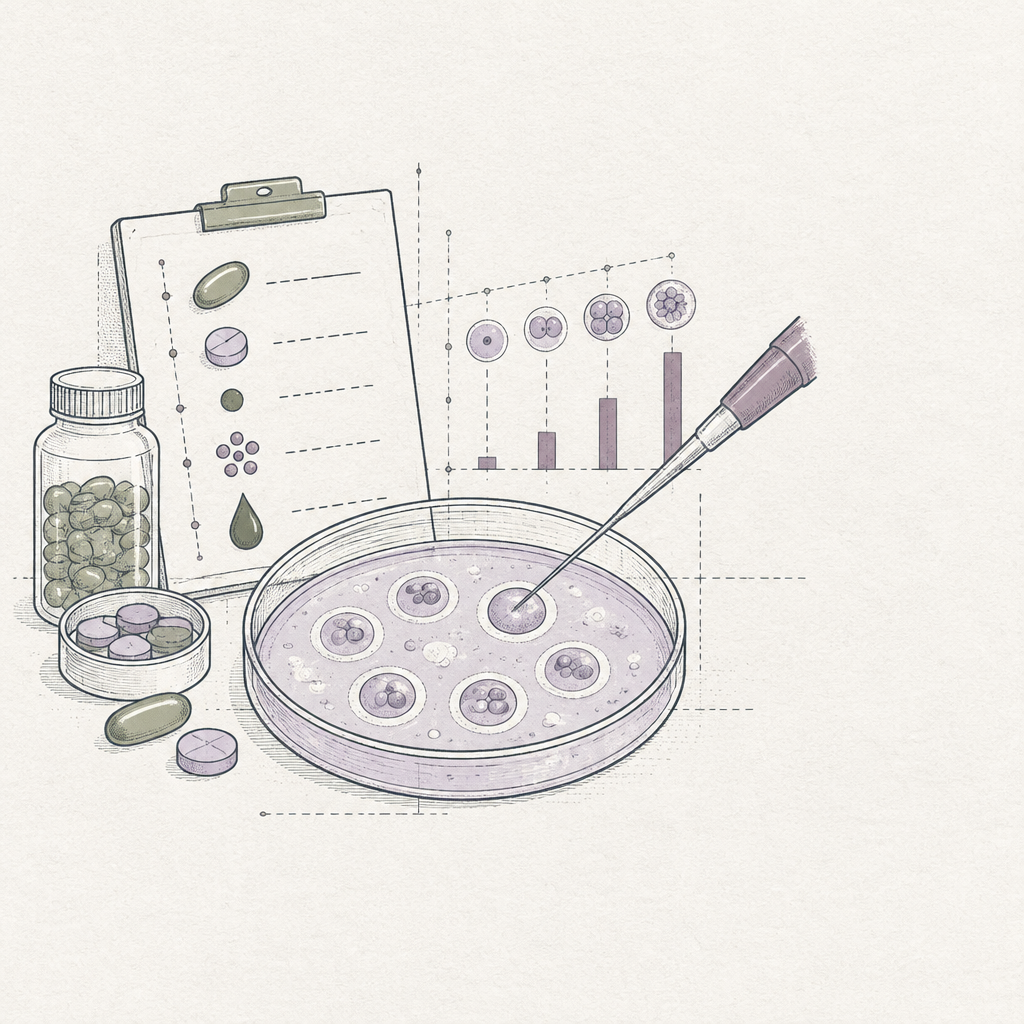
Adding targeted dietary adjustments alongside omega-3 and multivitamin supplementation yielded 38% more normally fertilized eggs for women undergoing IVF. The trial tracked nutrient protocols aimed at curbing follicular inflammation and fueling mitochondrial energy in developing oocytes. For anyone funding an IVF cycle out of pocket, basic fatty acid status is no longer an afterthought.
The architecture take
Most fertility clinics still treat nutrition like an optional lifestyle footnote (while charging $20,000 per retrieval cycle). I used to think the supplement stacks recommended on reproductive health forums were mostly expensive reassurance rituals. I was dead wrong. When a clinical protocol pairs anti-inflammatory fats with baseline micronutrients and sees a 38% jump in normally fertilized eggs, the mechanism is biological, not magical. High-dose omega-3s alter the fatty acid composition of follicular fluid, knocking down local oxidative stress so the egg's mitochondria can actually generate the ATP required for meiotic spindle assembly. Fertilization demands staggering cellular energy. If maternal eggs are starved of decent lipids or flooded with inflammatory signaling, the cellular machinery stumbles before cleavage even starts. Reproductive medicine moves at a glacial pace, but patients won't wait five years for guideline committees to catch up. I expect clinicians to quietly start writing supplement protocols into standard prep packets before the year is out.