news
Noom Launches a Wearable to Track GLP-1 Patients
Noom rolled out a proprietary wearable device for enterprise employers managing rising GLP-1 medication costs. The tracker monitors daily step counts, heart rate, and movement patterns to verify lifestyle changes alongside semaglutide prescriptions. It aims to help corporate health plans decide which workers keep their drug coverage.
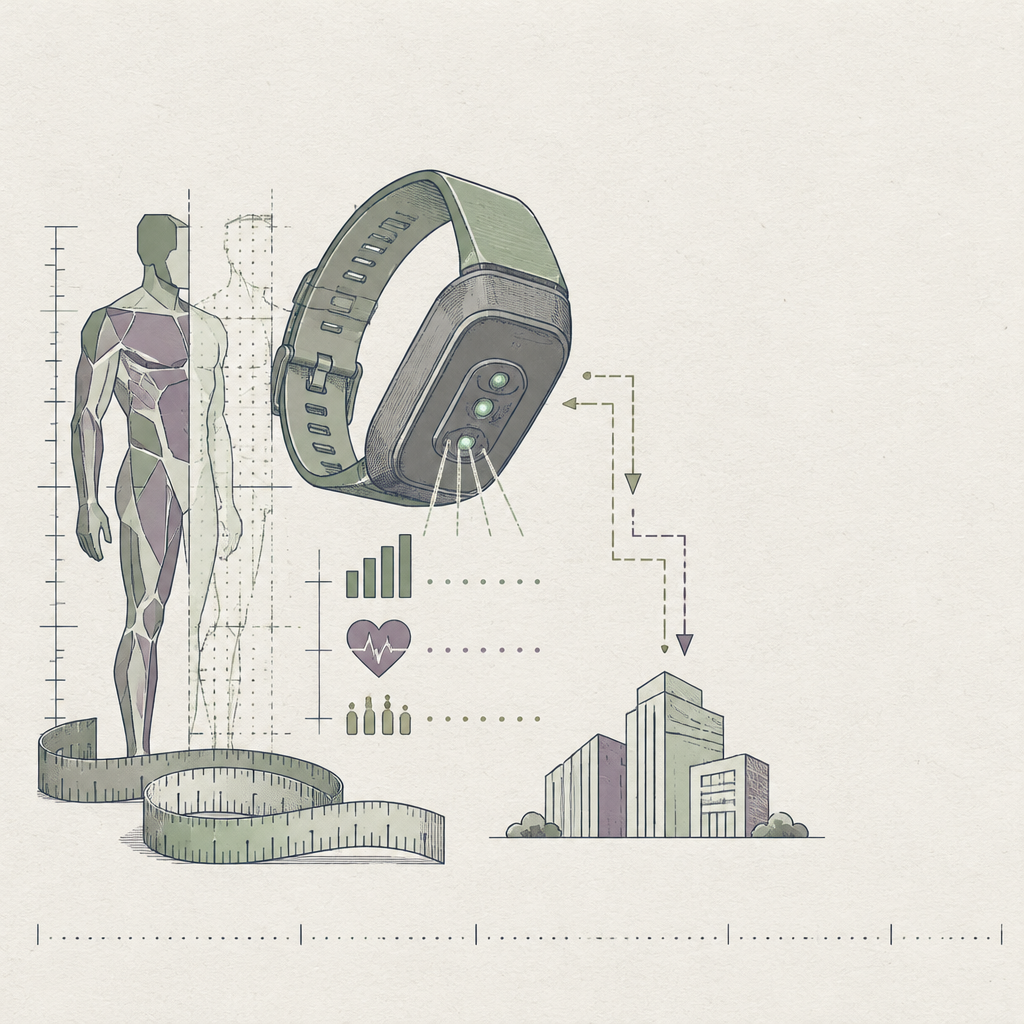
Noom rolled out a proprietary wearable device for enterprise employers managing rising GLP-1 medication costs. The tracker monitors daily step counts, heart rate, and movement patterns to verify lifestyle changes alongside semaglutide prescriptions. It aims to help corporate health plans decide which workers keep their drug coverage.
The architecture take
Employers are spending upwards of $1,000 a month per employee on semaglutide, and they are desperate for an off-ramp. I watched this exact dynamic play out with diabetes management five years ago, but the stakes here are much messier. When someone starts a GLP-1 agonist, roughly a quarter to forty percent of the weight they drop can come straight from lean skeletal muscle rather than adipose tissue. If a patient does not lift heavy or hit basic daily protein targets, their resting metabolic rate craters, their insulin sensitivity stalls, and their body composition ends up worse once they stop taking the injections. Noom built this tracker to give corporate health plans a clean digital paper trail to justify cutting off drug subsidies whenever activity slips. Expect other wellness platforms to link prescription refills directly to daily biometric compliance by the end of this year.