news
Solnul Replication Trial Confirms Resistant Potato Starch Shifts Microbiome
A four-week clinical replication trial showed that 3.5 grams of Solnul resistant potato starch daily increased Bifidobacterium abundance and normalized stool forms versus placebo. The study confirms that low-dose prebiotics can alter the microbiome without demanding the heavy 15-gram doses that cause digestive blowouts. It establishes a practical benchmark for gut motility and fiber tolerability.
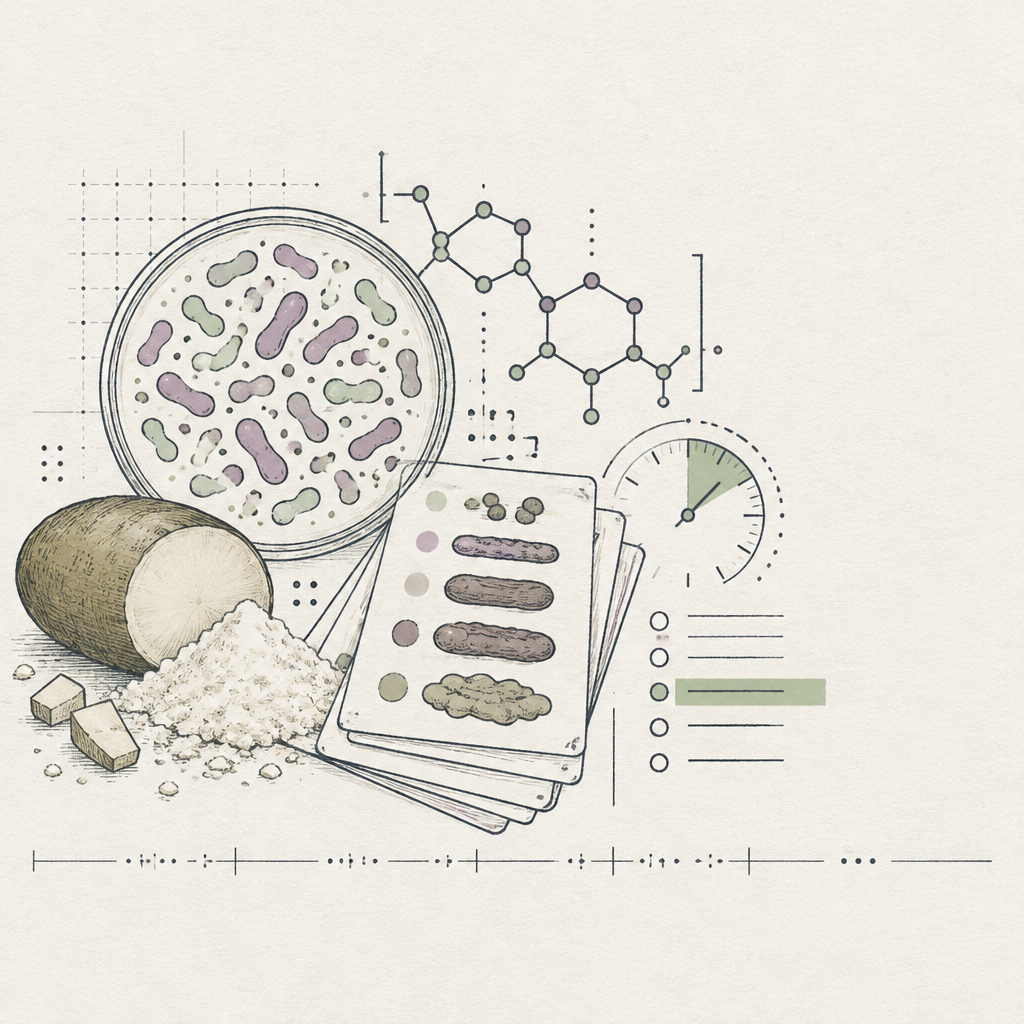
A four-week clinical replication trial showed that 3.5 grams of Solnul resistant potato starch daily increased Bifidobacterium abundance and normalized stool forms versus placebo. The study confirms that low-dose prebiotics can alter the microbiome without demanding the heavy 15-gram doses that cause digestive blowouts. It establishes a practical benchmark for gut motility and fiber tolerability.
The architecture take
Most prebiotic trials fall apart on tolerability because brands dump 15 grams of inulin into a seltzer and hope you enjoy the resulting bloat. I used to think the only way to genuinely feed Bifidobacterium was to suffer through massive doses of raw chicory root or chalky powders. This 3.5-gram daily figure caught my attention because it sits well below the gastrointestinal distress threshold. The mechanism is straightforward: resistant starch bypasses small-intestine digestion intact, letting colonic microbes ferment it directly into short-chain fatty acids. That drops local pH and improves stool water retention toward normal Bristol scores. What matters here is replication. Commercial supplement research is littered with one-off pilot studies that never hold up twice. Seeing a second human trial duplicate both the microbial bloom and the stool regulation at a tiny dose means formulators will swap out aggressive fibers for resistant starches by autumn. Your gut motility benefits, and your coworkers do too.