EDITION 1 |
The Nervous State
I
|
Why you feel 'tired but wired'
Your body's alarm bell isn't a personality flaw, it's a signal. Here's how to understand it.
|  |
|
A note for this week
II
| A note for this week | 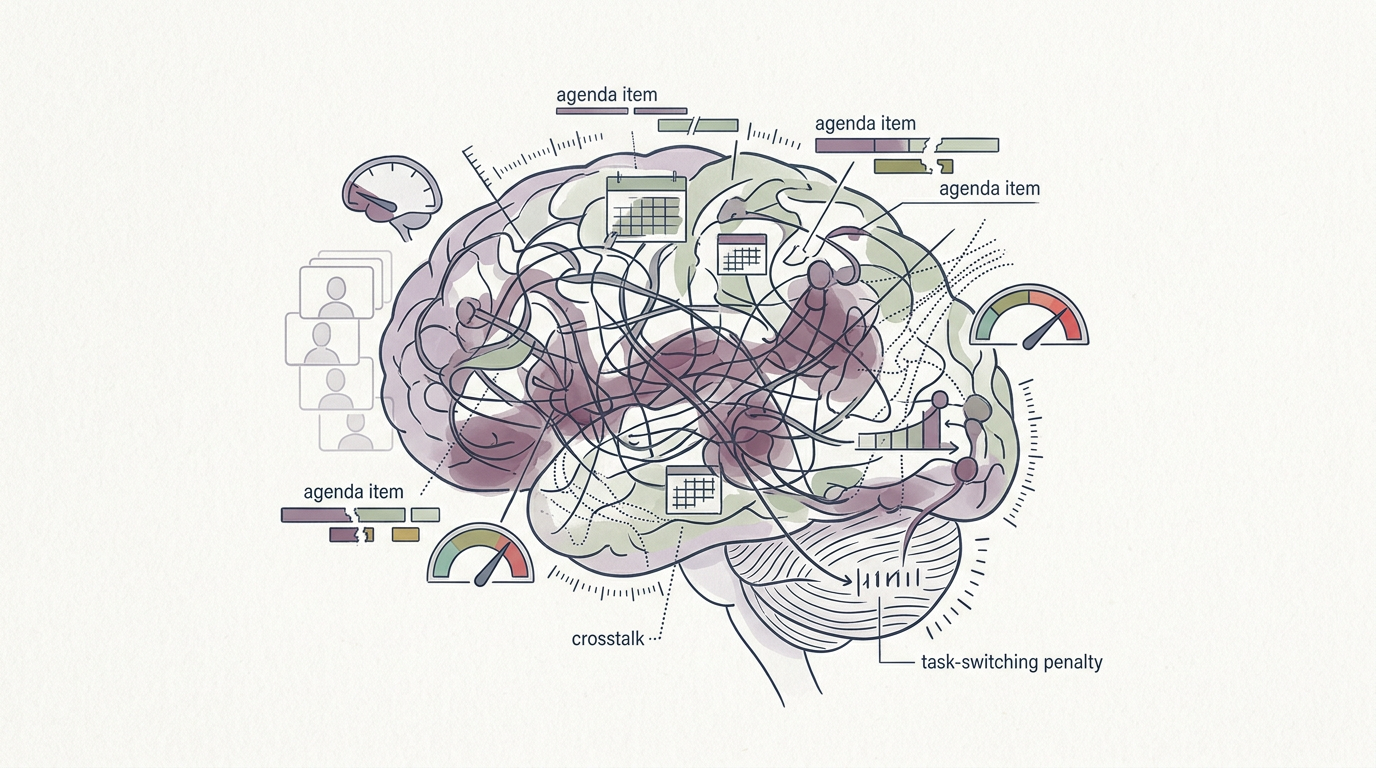 | Exhaustion ought to make bedtime straightforward. Instead, it sometimes gives the brain an audience. That contradiction is what I wanted to get clearer on in this first edition: how feeling depleted can coexist with feeling on alert. Calling it a failure to relax explains very little, although it does manage to make the tired person feel worse.
Keeping my own understanding current means following a question beyond the first plausible answer. Here, that meant bringing the tired-but-wired reading into conversation with the practices, and then looking at Calm Pops. A calming sweet is an appealing proposition. Whether it addresses the thing keeping someone awake is a different question entirely.
This magazine is the public version of that process: the reading, the connections, and the reservations worth keeping. What I want to carry forward is a distinction between exhaustion and safety. They aren't interchangeable states. A body can be ready to stop without yet feeling able to stand down.
— Sabin |
|
The Masthead
III
| Kokorology | | What Kokorology means
Kokoro is Japanese for the alignment of heart, mind, body and soul. The -logy is the ambition: that wellness stops being a lifestyle aisle and becomes a school subject.
Who writes this
I'm Sabin — founder, builder and writer, working across wellness, AI, design and independent media. Kokorology brings my reading on the nervous system together with practices, protocols and tools for everyday life.
I update my understanding as I read. This magazine is where I share the threads worth following: research, daily reads, movement, routines and the questions behind them. | |
More about Kokorology and Sabin
kokorology.com/about
|
|
Contents
V
| Week of Monday 13 July |  | |
A note for this week
From Sabin
| |
The Masthead
Kokorology and who writes this
| |
Keep in touch
The conversation continues
| |
The Read
The Tired-But-Wired Paradox isn't a Personality Flaw
| |
The Week in Briefs
7 daily reads, one page each.
| |
Signals
Signals this week illuminate the silent architectural stresses on our bodies, from environmental toxins to invisible algorithmic pressures.
| |
The Verdict
Calm Pops: A Sweet but Superficial Signal
| |
Evidence
Our bodies are always sending signals; here's the science that helps us decode them.
| |
The Practice
Trace Your Sternum for Ventral Vagus Access
| |
The Movement
Single Leg Balance With Head Turns
| |
The Routine
Gentle Nausea Reset
| |
Also this week
51 pieces recapped.
| |
Correspondence
Where to go next.
|
|
The Read
VI
| The Tired-But-Wired Paradox isn't a Personality Flaw | Feeling strung out but exhausted? It's not you, it's a structural readout from your nervous system, demanding you pay attention to your body's real stress signals. | We've all been there: the end of a long day, you're utterly drained, but the moment your head hits the pillow, your brain decides it's showtime. You're tired, but you're wired. The wellness industry will sell you a hundred different ways to 'calm your mind' or 'process your feelings,' but it's often talking past the actual problem. That 'wired and tired' feeling isn't an invitation to journal about gratitude; it's a cortisol issue, a direct readout from a nervous system that's been running a threat calculation all day, and the sentences arrived later, borrowing its budget.
The Body's Alarm Bells
Your nervous system isn't asking for a grade; it's showing you the load on the engine. Most mood tracking, like those apps asking you to rate your day, is just admiring the check-engine light without understanding the underlying mechanics. When you're tired but wired, it means your body's accelerator pedal is stuck to the floor. It's sympathetic nervous system overdrive, a system designed for short bursts of survival, not chronic, low-grade stress. This isn't a moral failing or a sign you're not 'handling' things well; it's a mechanical problem where your internal resources are depleted, but your internal alarm system is still screaming.
Cortisol: Friend, Then Foe
Cortisol, the hormone most associated with stress, isn't inherently bad. High-performers don't eliminate it; they learn its rhythm. It helps you wake up, it helps you focus, it helps you push through demanding situations. The problem arises when that rhythm gets disrupted, when the spikes become plateaus. Your morning dread, for instance, isn't a data problem your sleep tracker can fix. It's often a norepinephrine misfire from a brainstem nucleus you can't buy on Amazon. This persistent elevation keeps you in a state of high alert, depleting energy reserves and making genuine rest impossible. Neuroscientist Richard Davidson's work on 'flourishing' highlights that well-being isn't a state but a trainable skill, implying that we can, with practice, learn to modulate these internal responses.
The Real Mechanism: Allostatic Load
This 'tired but wired' phenomenon is a classic sign of allostatic load, the wear and tear on your body from chronic stress. It's the physiological bill for bad meeting architecture, for constant demands, for an environment that treats your body like a dashboard rather than a complex biological building. Pioneering research by McEwen and Stellar first described allostasis as the process by which the body achieves stability through change, adapting to stressors. But when the adaptation becomes chronic, when the system never returns to baseline, that's when the debt accumulates. Your body, in essence, keeps paying for a threat that isn't actively there.
How to Read the Structural Readouts
So, what do you do? Stop treating your body like a dashboard. Interoception is your building's foreman yelling about structural load, not another metric to add to your spreadsheet. That 3pm crash isn't solved with another coffee; it's a lagged signal from a nervous system that's been overdrawn since breakfast. Learning to read these signals means understanding that your nervous system doesn't need another wellness app or an optimized sleep routine. It needs a better load map for a building that's chronically over capacity. When you're tired but wired, it's your body telling you it's time for a structural audit, not just another coat of paint.
Renovation, Not Redecoration
Ultimately, tackling the tired-but-wired paradox isn't about simple fixes; it's about renovating the fundamental ways you interact with stress and recover from it. It's about downregulating sympathetic tone without performative speeches or journaling for forced optimism. It's about giving your body the inputs it actually needs – consistent nutrient-dense food, sensible movement, and real rest – not just more stimulants or superficial coping mechanisms. The goal of regulation isn't to become a human lotus flower. It's to build a system with the capacity to handle reality without catching fire. Your diary, if you keep one, should be for accounting the real costs and designing the necessary renovations, not for affirmations that ignore the underlying structural issues. | |
Your nervous system isn't asking for a grade; it's showing you the load on the engine.
| |
Read the original
www.kokorology.com/r/b4dut7j
|
|
The Week in Briefs
VII
| Deprescribing and Glymphatic Clearance: Beyond the Buzz | The industry's getting serious about data, pushing past fluffy wellness to real interventions. | 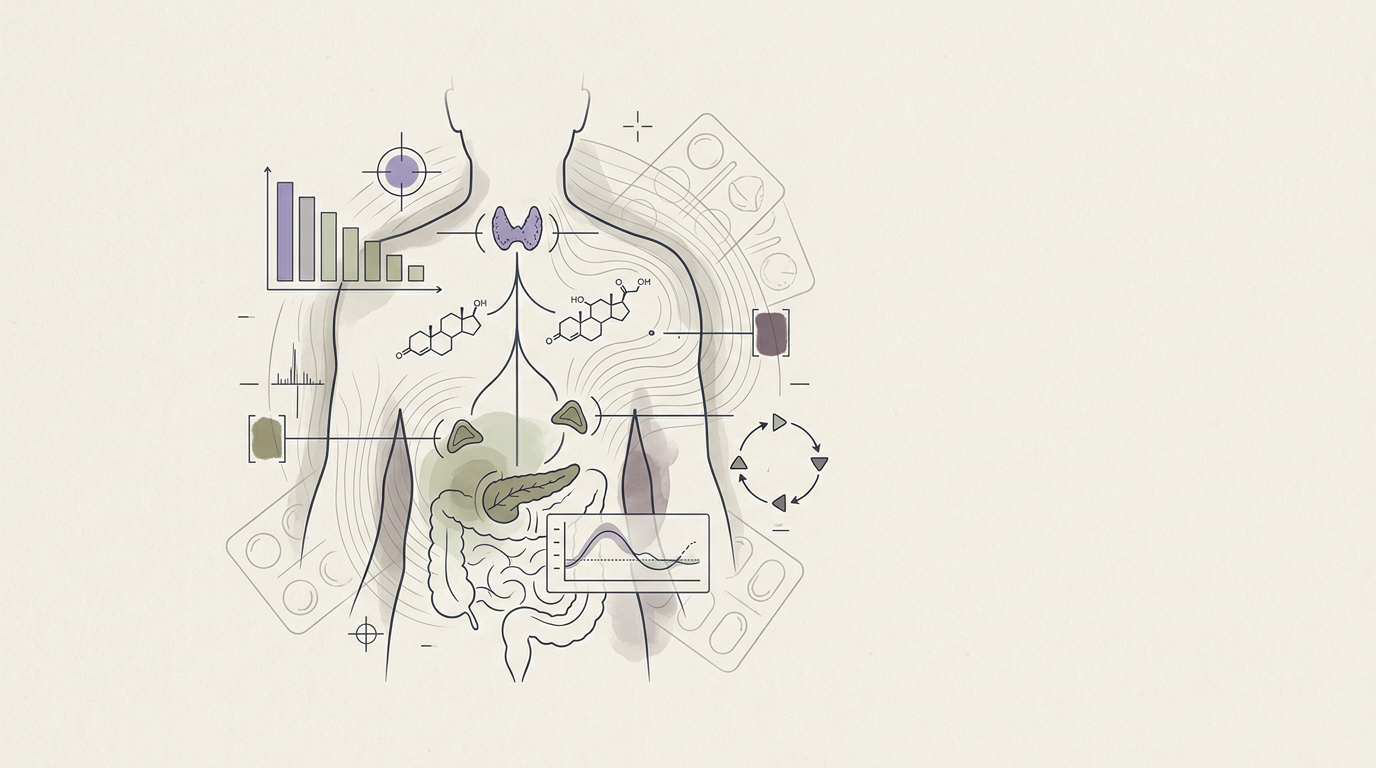 | Today's trend is away from vague wellness and towards data-backed interventions. For example, 'deprescribing' – reducing psychiatric medication – is gaining traction. While well-intentioned, this movement carries significant clinical hazards if not managed with individual assessment and medical oversight (32). You wouldn't arbitrarily stop blood pressure meds; messing with brain chemistry requires precise, informed guidance. Meanwhile, some 'wellness' trends are just re-packaging basic biological functions. 'Glymphatic clearance,' often sold as a sleep hack, is simply your brain's janitorial staff, who only work the night shift (26). It's not a new intervention but a crucial biological process that underscores the need for genuine, foundational sleep support, not just another buzzword. This signals a market demand for concrete, measurable health outcomes over abstract promises, even if some offerings are just old wine in new bottles. The focus is on what actually moves the needle, not just what sounds good. | |
Deprescribing needs medical oversight.
| |
Glymphatic clearance isn't a hack, it's basic biology.
| |
Focus on fundamental nervous system health.
| |
Read the full daily read
www.kokorology.com/r/iawqmva
|
|
The Week in Briefs
VIII
| Longevity's Hurdles: Gut, Genes, and Brain Aging Signals | Big leaps in longevity science face execution issues in consumer markets and policy gridlock. |  | Longevity science is making strides, but consumer integration and policy remain complex. Today, we're seeing advanced AI like 'GeneMachine' using Bayesian modeling to uncover genetic links in diverse health records (56). This promises deeper insights into personalized health trajectories, moving beyond simple diagnostics. Meanwhile, new research continues to highlight fundamental physiological architects: poor sleep impacts women's brains differently as they age (1), showing sex-specific vulnerabilities, and higher HbA1c in middle age strongly correlates with accelerated brain aging and dementia risk (19). Your body constantly sends signals—from symptoms like bloating in ovarian cancer (15) to the subtle cues of your 3pm mood check (21). These aren't just isolated issues; they're structural readouts. Treating your body like a dashboard, ignoring these nuanced interoceptive signals, is a missed opportunity for early intervention and nervous system regulation (1, 21). The path to longevity isn't just about advanced tech, it's about listening to the body's early warnings and stabilizing its foundational systems. | |
AI is making genetic health more precise.
| |
Women's brains uniquely affected by poor sleep.
| |
Blood sugar linked to accelerated brain aging.
| |
Read the full daily read
www.kokorology.com/r/bquo2vp
|
|
The Week in Briefs
IX
| Healthcare's Costly Conundrum & The Founder's Crash | Paying for healthcare is a mess, but tech and new science push therapies, bypassing traditional routes. |  | The cost of healthcare remains a major pain point, influenced by everything from climate change to insurance policies (11, 50). This financial and systemic pressure contributes to the allostatic load we all carry. Even success can trigger a crash, as seen with founders who collapse after a good quarter (19). This isn't a failure of gratitude; it's allostasis—your nervous system sending the bill. Simultaneously, technology and new science are pushing therapies to market, sometimes bypassing traditional routes. Sonathera, for example, is developing ultrasound to deliver gene therapies, offering a precise, less invasive method for targeted treatment (31). Yet, foundational discoveries continue to emerge: new research shows direct links between light exposure and immune system interaction with bacteria (6), suggesting simple environmental inputs have profound physiological effects. This highlights a critical lesson: while we navigate complex systems, supporting basic biological functions like light exposure, sleep, and managing stress remains paramount for our underlying structural integrity, even for high-functioning individuals battling burnout (16, 18). | |
Healthcare costs are a growing stressor.
| |
Success can lead to physiological crashes.
| |
Light exposure directly impacts immunity.
| |
Read the full daily read
www.kokorology.com/r/8hriyvg
|
|
The Week in Briefs
X
| Beyond Hustle: Gentle Movement, Hormonal Health, and Team Stress | Health trends push back against 'hustle' culture, favouring sustainable practices and biotech bets. |  | Today's health trends are pushing back against the 'hustle' culture, advocating for sustainable, long-term health practices. This is reflected in the expansion of low-impact fitness like Pilates, with Bodybar Pilates rapidly growing (21). Similarly, Pvolve, backed by Jennifer Aniston, is expanding with its functional, gentler approach to fitness (38), signaling a demand for movements that support, rather than exhaust, the nervous system. Meanwhile, managing team stress is still a significant challenge. 'Physiological synchrony' isn't just HR jargon; it's an architectural problem, not an initiative (15). Coaches, for instance, are experiencing burnout because their nervous systems are picking up clients' physiological tabs (12). This 'wired and tired' state isn't a moral failing; it's a mechanical problem (8). Even journaling, often pitched as a cure-all, needs to be precise; ADHD prompts, for instance, can shame rather than address the underlying nervous system dysfunction (14). The emphasis is shifting from superficial fixes to understanding and supporting the body's fundamental operating systems. It's less about trying harder, and more about building capacity and resilience from the ground up. | |
Gentle movement gaining traction over 'hustle'.
| |
Coaches experience burnout from client's stress load.
| |
Team stress is an architectural problem, not just HR.
| |
Read the full daily read
www.kokorology.com/r/7iacrh6
|
|
The Week in Briefs
XI
| Precision Wellness: From Biotech to Personalized Fitness | The wellness industry leans into precision, but regulatory bodies struggle to keep pace. |  | Precision is the new frontier in wellness, from biotech advancements to personalized fitness. AI, for instance, is increasingly integrated into gym operations, offering personalized workout and recovery programs (28, 37). This isn't just about convenience; it's about optimizing physiological adaptation based on data. Similarly, creatine, a well-established supplement, is now being explored with specific co-factors like alpha-lipoic acid and magnesium to enhance cellular uptake and energy production (17). This move to precision extends to understanding individual biological rhythms; caffeine's pre-workout impact can vary significantly with a woman's menstrual cycle (16). The recurring theme is that generic advice often misses the mark. Whether it's chronic stress disrupting cortisol awakening response (9) or journaling only processing feelings (10), true wellness demands a deeper understanding of individual mechanics. It's about recognizing that your nervous system doesn't need another generic solution; it needs specific inputs and intelligent adjustments, based on how your system is actually performing, not just what's trending. High-performers, for example, don't eliminate cortisol, they learn its rhythm (11). | |
AI is personalizing fitness and recovery.
| |
Creatine works better with specific co-factors.
| |
Caffeine's effect varies with menstrual cycle.
| |
Read the full daily read
www.kokorology.com/r/5kur5xk
|
|
The Week in Briefs
XII
| Internal Biology, External Pressures, and the Economics of Wellness | Internal biology, external pressures, and individual choices shape wellness and its economics. | 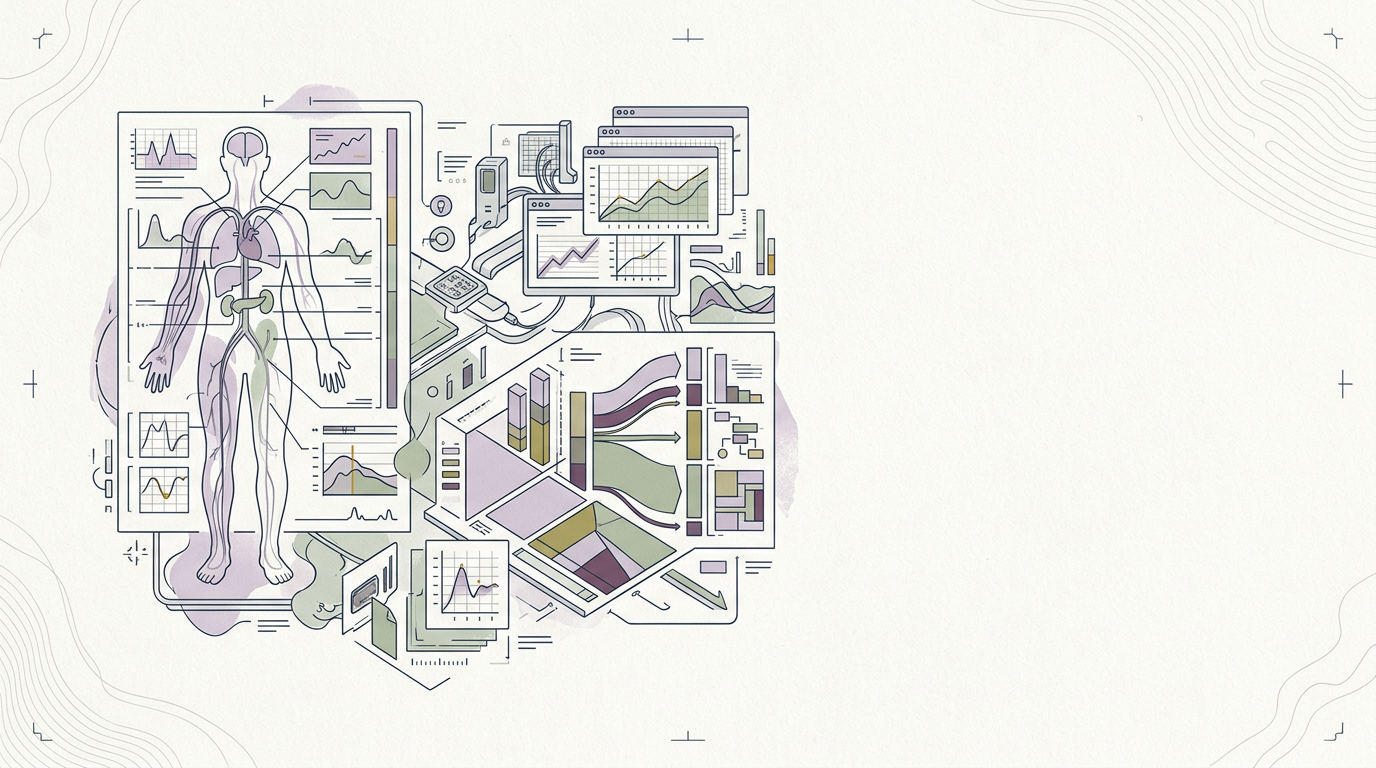 | The wellness landscape is increasingly shaped by how our internal biology interacts with external pressures and economic realities. For instance, consumers are spending real money on AI tools like Claude's subscription to offload cognitive strain and manage mental load (12). This isn't just about productivity; it's a direct investment in reducing the burden on the nervous system. Meanwhile, even in elite performance, the cost of sustained output is clear: a Hoka designer winning an ultramarathon over full-time pros suggests the professional ultra-running model is susceptible to burnout (10). The mental drag of 'this is my job' combined with constant performance pressure can elevate cortisol and drain dopamine, grinding down the nervous system more than a 9-to-5. This isn't just an athlete problem; it applies to anyone experiencing prolonged high-demand performance. It emphasizes that cognitive insight has a short half-life (4), and simply 'knowing' isn't enough without systemic support for emotional regulation (5). The takeaway: our nervous system pays a physiological tab for external demands, whether it's client care (12) or professional sport. True wellness requires acknowledging this cost and building sustainable frameworks that support, not deplete, our internal resources, especially for those returning from burnout (7). | |
Consumers pay for AI to reduce mental load.
| |
Elite sports highlight burnout in high-demand roles.
| |
Nervous system pays for external pressures.
| |
Read the full daily read
www.kokorology.com/r/bxq34ih
|
|
The Week in Briefs
13
| Health Costs Climb: Climate, Insurance, and Hormone Hazards | Health costs climb from climate impacts and insurance, while consumers buy AI to cope. | | Health costs continue to climb, driven by factors like climate change and insurance policies. Wildfire smoke, for example, is no longer just a regional issue but a widespread threat impacting respiratory and cardiovascular health (59, 8, 9). This environmental stress directly impacts the nervous system, prompting a boom in air purifiers (26) as consumers try to manage the inflammatory load. Simultaneously, the consumer market is reflecting shifting priorities: AI subscriptions are gaining traction as individuals invest in tools to manage cognitive load and offload mental burdens (12). On the women's health front, the conversation around perimenopause is finally being driven by women's lived experiences, not just 'hype' from the market (30), leading to a real demand for supportive products. Amidst these external pressures, basic nutrition remains a critical pillar. A massive meta-analysis confirms that ultra-processed foods significantly increase cancer risk (46), underscoring the foundational importance of what we put into our bodies for long-term health. The confluence of these trends points to a future where both systemic interventions and highly personalized, data-driven approaches are needed to navigate a complex health landscape. | |
Wildfire smoke directly stresses nervous system.
| |
Consumers use AI for cognitive load management.
| |
Ultra-processed foods linked to increased cancer risk.
| |
Read the full daily read
www.kokorology.com/r/8y5rqiz
|
|
Signals
14
| What moved, and what it means | Signals this week illuminate the silent architectural stresses on our bodies, from environmental toxins to invisible algorithmic pressures. |  | |
Neuroscientist: Flourishing Isn't Fortune, It's 4 Skills You Train
Mindbodygreen · 19/07/2026
Richard Davidson's work redefines flourishing as a trainable skill, suggesting mental well-being is an active practice of building neural pathways, not a passive state. This matters because it shifts mental health from a flaw to fix to a system to maintain.
| |
Poor Sleep Hits Women's Brains Differently As They Age
Mindbodygreen · 19/07/2026
New research highlights women's specific vulnerability to poor sleep's detrimental effects on brain aging, especially with hormonal shifts. This is critical for understanding sex-specific impacts on the nervous system and designing targeted sleep interventions.
| |
High-intensity training less effective for older women
Mindbodygreen · 19/07/2026
High-intensity training can be counterproductive for women over 50 due to elevated cortisol, emphasizing that 'more is more' doesn't apply universally. This signals a need for training approaches aligned with hormonal realities to avoid nervous system overload.
| |
Post-antibiotic gut repair is possible, says MD
Mindbodygreen · 19/07/2026
MDs are providing concrete steps for post-antibiotic gut repair, recognizing the gut-brain axis's role in overall systemic recovery. This means treating the gut is essential for stabilizing the nervous system, not just digestion.
| |
Pennen App Pencils In Daily Handwritten Journaling
Product Hunt — Health & Fitness · 19/07/2026
A new app, Pennen, encourages handwritten journaling to reduce digital overwhelm, tapping into the calming effect of slow thought processing on the nervous system. This suggests friction in digital interaction can be a therapeutic tool.
| |
US Military Considers Testosterone Screening, Raising Alarm Over False Lows
STAT News · 19/07/2026
The military's consideration of routine testosterone screening raises alarms about false 'low-T' diagnoses, potentially leading to unnecessary interventions. This highlights how high stress environments can temporarily suppress hormones, and medical interpretations need to consider the nervous system's role in regulation.
| |
New research shows light changes how immune systems interact with bacteria
Nature News · 18/07/2026
New research shows light directly influences immune cell function, making it an active ingredient in immune regulation beyond just sleep cycles. This means light exposure is a fundamental input for managing inflammation and infection, directly impacting cellular stress.
| |
Mediterranean-DASH Diet Scores Brain Health Win in New Study
Mindbodygreen · 18/07/2026
The MIND diet is linked to superior cognitive function, reinforcing that consistent, whole-food nutrition reduces inflammation and supports neural health. This isn't about magic ingredients, but rather steady, gentle support for the brain's baseline performance.
|
|
Kokorology product
15
| Choose the load-bearing problem first. Each protocol is €40; stacking more lowers the price. |  |
|
The Verdict
16
| Calm Pops: A Sweet but Superficial Signal | A functional candy that aims to calm, but misses the mark on deep nervous system regulation. |  | Calm Pops, marketed as calming confectionery, aim to deliver a moment of tranquility in a lollipop. The concept is simple: if you can deliver a calming agent in a format that encourages slow consumption, you might trigger a mild, top-down regulation. My take? They're fine. The problem isn't the product itself, but the framing. Real nervous system regulation isn't achieved by a quick sugar hit, even if it comes with a dash of L-Theanine. Your body's stress response is a deeply embedded, evolutionarily conserved mechanism. A lollipop, no matter how 'functional,' isn't going to undo chronic allostatic load or retune a dysregulated HPA axis. They might offer a momentary distraction or a small shift in state, much like a warm cup of tea. But don't mistake a momentary pause for a structural repair. This is a classic example of the wellness industry attempting to solve a deep-seated biological problem with a superficial, consumable fix. It addresses the symptom of anxiety (the desire to soothe) without touching the root cause. For a true nervous system reset, you need more than a sweet treat; you need to address the underlying physiological and environmental stressors. Calm Pops get a neutral 5/10 — harmless, but unlikely to be a game-changer for anything beyond a passing craving. | |
Calm Pops
neutral · 5/10
| |
Read the full review
kokorology.com/product-reviews/calm-pops-review
|
|
Kokorology product
17
| A daily record of what your system is actually doing. Includes the complete hacks library. |  |
|
Evidence
18
| The studies underneath | Our bodies are always sending signals; here's the science that helps us decode them. |  | |
Brief Structured Respiration Practices Enhance Mood and Reduce Physiological Arousal
Kokorology Research Library
Stanford research confirms that cyclic sighing, a simple breathing practice, significantly improves mood and reduces respiratory rate, working by extending exhalation to increase parasympathetic tone via the baroreflex.
| |
A Gradient of Childhood Self-Control Predicts Health, Wealth, and Public Safety
Kokorology Research Library
The Dunedin study, tracking 1,037 children, found a direct gradient: higher childhood self-control predicted better adult health, wealth, and public safety, even after controlling for IQ and family background.
| |
Semaglutide and Cardiovascular Outcomes in Obesity Without Diabetes (SELECT)
Kokorology Research Library
The SELECT trial showed semaglutide significantly reduces major adverse cardiovascular events in obese patients without diabetes, demonstrating benefits beyond weight loss, possibly through direct vascular and inflammatory effects.
| |
Chronic Psychological Stress Increases Transepidermal Water Loss and Impairs Skin Barrier Recovery
Kokorology Research Library
A controlled human study found chronic psychological stress significantly impairs skin barrier recovery, increasing transepidermal water loss and suppressing ceramide synthesis, with salivary cortisol directly correlating with recovery time.
|
|
The Practice
19
| Trace Your Sternum for Ventral Vagus Access | A micro-movement to re-establish internal safety when you feel ungrounded. | 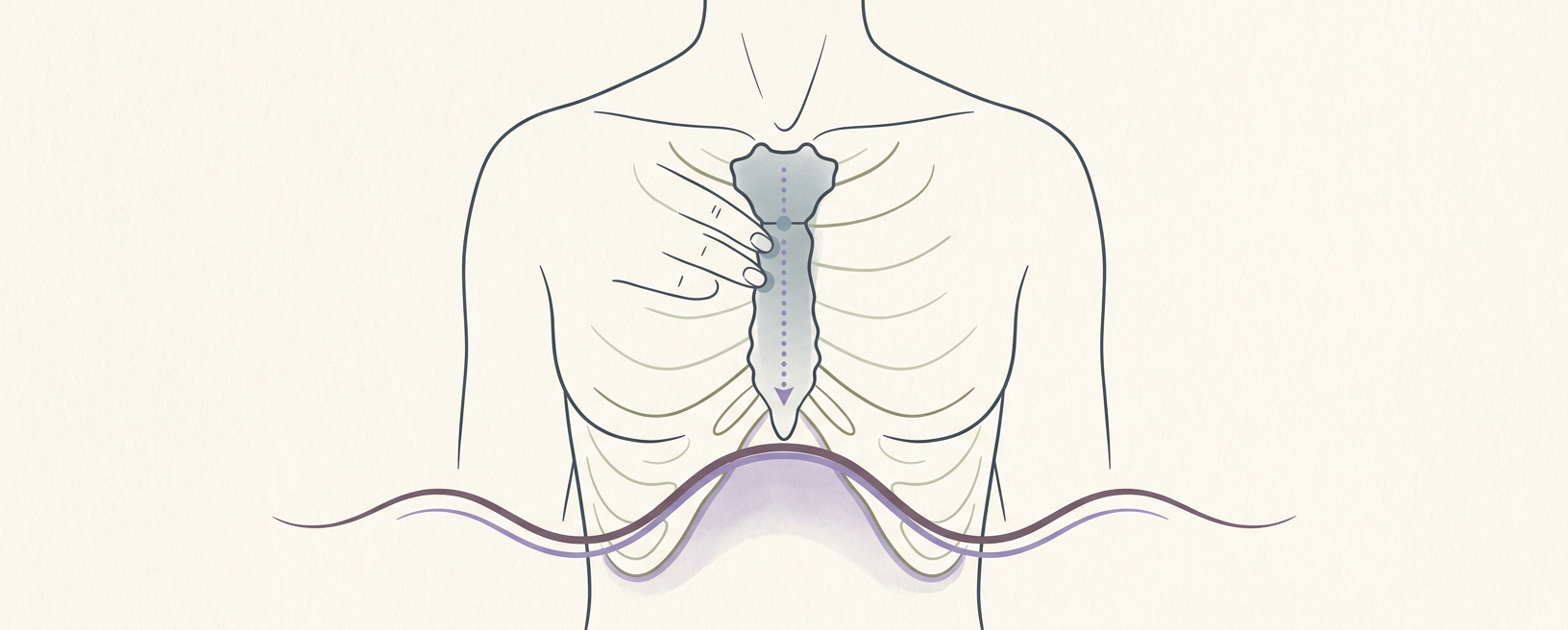 | When you feel disoriented or ungrounded, the body often defaults to a state of guardedness. This micro-movement offers a way to gently shift perception and re-establish a sense of internal safety.
Here's how to engage this simple practice:
- Find your sternum. Locate the flat bone in the center of your chest, between your ribs.
- With the pads of your fingertips, gently trace a slow line from the top of your sternum down to where it meets your diaphragm.
- Repeat this slow, light tracing three to five times.
- As you trace, breathe softly, allowing your exhale to lengthen naturally.
- Notice the subtle sensations under your fingertips and in your chest.
After a few repetitions, observe any shift in your internal state. You may feel a slight settling in your chest or a softening of your breath. | |
Practise it in full
www.kokorology.com/r/s7k8gd8
| |
Log this in your Nervous System Journal →
|
|
The Movement
20
| Single Leg Balance With Head Turns | Challenge your proprioception and nervous system regulation with this balancing act. |  | This exercise is a low-friction way to engage your proprioception and challenge your nervous system's ability to maintain stability under subtle input changes. It's not about being perfect; it's about noticing the micro-adjustments your body makes.
- Stand tall with feet hip-width apart, gaze forward. Distribute your weight evenly across both feet.
- Shift weight to your right leg, gently lifting your left foot off the ground. Aim to keep your pelvis level. You can place the toes of your left foot on the ground initially for support if needed.
- Find your balance on the standing leg. Notice the small oscillations and muscular engagement in your foot, ankle, and hip.
- Once stable, slowly turn your head to the right, keeping your gaze soft. Then, slowly turn your head to the left, as if looking over your shoulder. Coordinate the head turns with a smooth, controlled rhythm, not jerking.
- Return your head to center and gently place your lifted foot back down. Take a brief pause before switching sides.
- Repeat on the other side, lifting your right foot and turning your head right and left while balancing on your left leg.
| |
See the movement in full
www.kokorology.com/r/ywr5xms
| |
Log this in your Nervous System Journal →
|
|
The Routine
21
| Gentle Nausea Reset | A short, focused routine to downregulate your system when nausea strikes. | 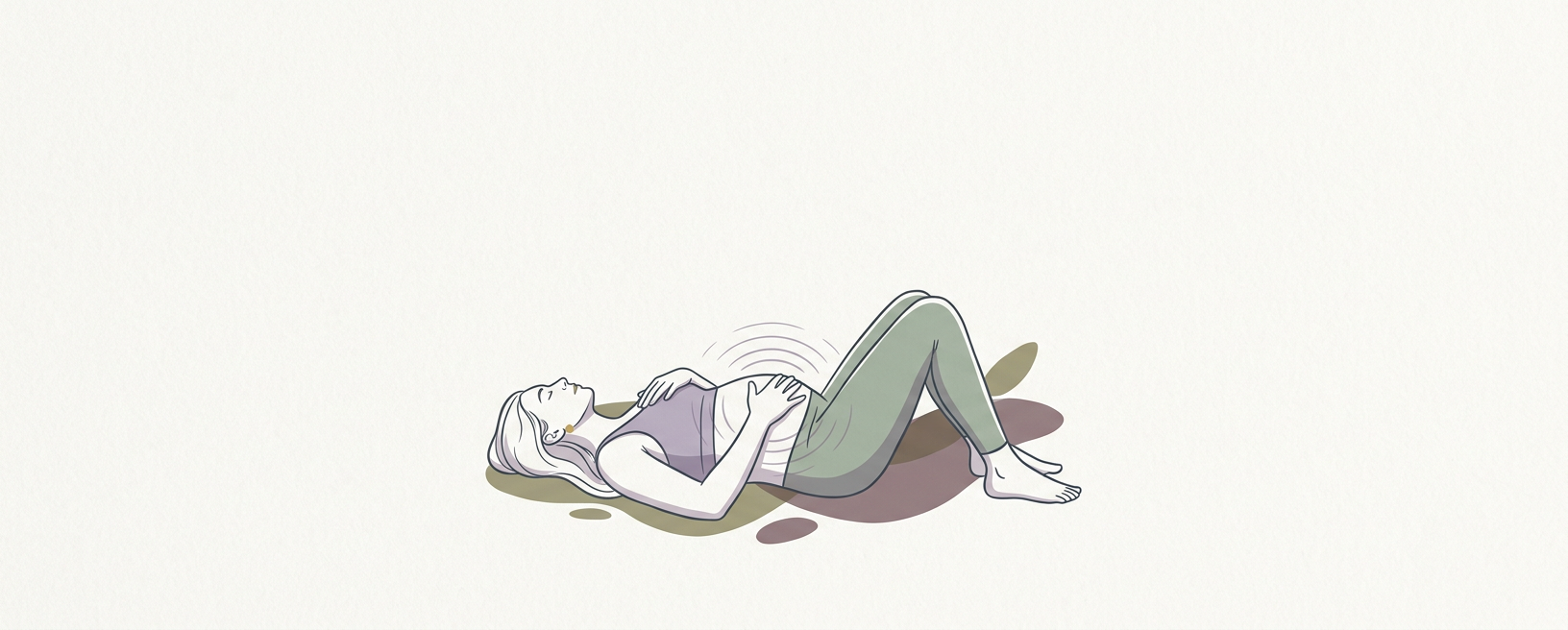 | When nausea hits, it's a clear signal your nervous system is in distress. This routine aims to gently shift you out of that state without adding more stress.
- Facial Softening and Jaw Release — Gently massage your temples and around your jaw hinge with fingertips. Focus on releasing any clenching or tension. Breathe slowly through your nose for 2 minutes.
- Supine Diaphragmatic Breathing — Lie on your back with knees bent, feet flat. Place one hand on your chest and one on your abdomen. Inhale slowly, allowing your belly to rise, then exhale completely, feeling your belly fall. Repeat for 5 minutes, focusing on smooth, deep breaths.
- Today's Daily Hack — Engage with the 'Trace Sternum for Ventral Vagus Access' practice. Integrate this short practice to further support your system.
- Slow Electrolyte Sip — Take small, deliberate sips of water with a pinch of sea salt or an unflavored electrolyte powder. Hydrate slowly, noticing the sensation in your mouth and throat for 2 minutes.
| |
Follow the routine in full
www.kokorology.com/r/f3hzemz
| |
Log this in your Nervous System Journal →
|
|
Kokorology product
22
| Every Anchor and every care package, without making your symptoms audition for separate subscriptions. |  |
|
From the house
27
| Two prompts in the morning, three at night, and the whole hacks library alongside them. €25/mo — the cheapest structural renovation on this list. |  |
|
Correspondence
28
| Your Nervous System Journal: A Structural Audit |  | Another week, another stack of signals telling us that our bodies are not dashboards to be monitored, but complex buildings that need structural audits, not just a fresh coat of paint. The 'tired but wired' phenomenon isn't a personality flaw; it's a mechanical problem, a readout from a system under sustained load. The Nervous System Journal isn't about logging your mood—it's about understanding the architecture of your internal state. Use it to chart the inputs and outputs, to see where the stress is accumulating, and to design renovations that actually stick. Take the time to implement one of this week's practices. Your nervous system isn't asking for hope; it's asking for a plan. | |
The Nervous System Journal — €25/mo
Two prompts in the morning, three at night. Includes the full hacks library.
| |
All Access — every anchor and care package
The whole system, one pass.
| |
Anchor protocols — €40 each
One protocol for the season you are actually in.
|
|