Research
Locus coeruleus: norepinephrine in the morning brain
Morning dread is a norepinephrine misfire from a brainstem nucleus, and no supplement will fix a baseline that is stuck on high alert.
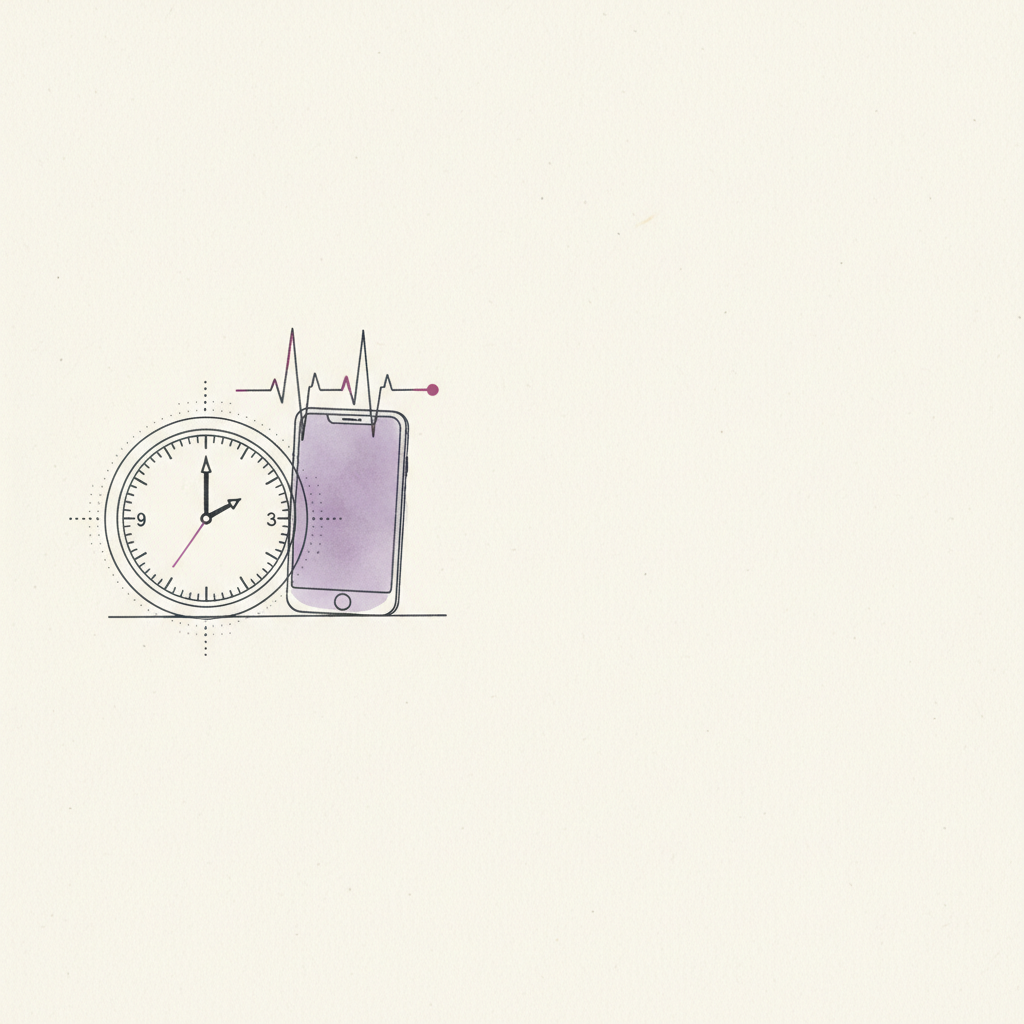
The wellness industry sells a very specific story about morning dread. You read that it is a data problem requiring a magnesium glycinate subscription, a wearable ring, and a complicated protocol to suppress your cortisol. I'm calling it. Morning anxiety is a norepinephrine misfire from a tiny brainstem nucleus called the locus coeruleus, and you can't buy your way out of it on Amazon.
You wake up at 4:12 am, heart thumping a frantic rhythm against your ribs. You lie there in the dark, the phone already hot in your hand, feeling anxious for no reason. By mid-morning, you are tired but wired, running on a brittle energy that makes the thought of another video call feel like carrying a boulder. You tell yourself you just need a nap, knowing full well you'll wake up at 3am every night this week anyway. Your jaw is locked, your shoulders sit rigid around your ears in the shower, and you open the fridge repeatedly despite having zero hunger. The second coffee lands like battery acid, doing absolutely nothing to clear the fog.
Common Questions
What is the locus coeruleus?
The locus coeruleus is a small nucleus in the brainstem that acts as the primary source of the neurotransmitter norepinephrine. It regulates wakefulness, threat detection, and autonomic arousal. When activated, it shifts the nervous system into a state of heightened vigilance and readiness.
What does norepinephrine do in the brain?
Norepinephrine operates as a chemical alarm. It increases heart rate, sharpens immediate focus, and prepares the body to react to environmental demands. In healthy doses, it supports learning and alertness. In chronic excess, it produces severe agitation and hyper-vigilance.
Why do I feel exhausted but unable to rest?
This state occurs when the locus coeruleus maintains a high baseline of norepinephrine despite systemic fatigue. The nervous system remains locked in threat-detection mode. The body is entirely depleted of energy, yet the brainstem continues to pump out chemical signals demanding vigilance.
The overactive alarm
The locus coeruleus is a cluster of neurons that produces the vast majority of your brain's norepinephrine. Norepinephrine is the chemical of vigilance. It snaps your attention to a breaking twig in the woods. The mechanism is entirely necessary for survival. The trouble with this system is that it can't tell the difference between a physical predator and a passive-aggressive slack message from your boss.
I used to believe I could out-caffeinate this state. I spent my late twenties pouring double espressos into a nervous system that was already screaming, wondering why my hands shook during morning meetings. I was trying to fix a physiological alarm with more voltage.
Signal and noise
The actual machinery works like this. The locus coeruleus has two modes of firing: tonic and phasic. Phasic firing is a sharp, precise burst of norepinephrine that helps you focus on a single task. It acts as a clear signal. Tonic firing is the background hum, the baseline level of alertness.
When you accumulate sleep loss, systemic inflammation, and chronic threat detection from staring at bright screens late at night, you crank up the tonic firing. Your baseline becomes a constant state of high alert. The cortex is flooded with norepinephrine. When you try to focus on something important, the phasic signal gets completely lost in the tonic noise. The brain can't distinguish what matters, making everything feel urgent and impossible at once. This constant alarm keeps the HPA axis—the stress-hormone control loop running from brain to adrenal glands—running permanently hot.
The dopamine hunt
A brain marinating in norepinephrine is a profoundly uncomfortable place to live. It feels like agitation and a desperate need for something to happen. The nervous system will inevitably seek a counterbalance. It looks for dopamine, the neurotransmitter of reward and novelty.
This explains why a spike in morning anxiety instantly translates into the urge to scroll social media, refresh an empty inbox, or fill an online shopping cart. Each tiny notification provides a fleeting squirt of dopamine that momentarily softens the norepinephrine-driven panic.
The urge to add another supplement to your cart is just your brain throwing dopamine at a norepinephrine problem.
The impulse is a predictable biological response to cellular exhaustion. Kokorology respond to autonomic overload by buying a weighted blanket Kokorology will use exactly twice. The inbox hasn't once cared about your heart rate, yet Kokorology check it anyway to soothe the hum.
Shifting the state
You can't life-hack a brainstem. You can't supplement your way out of a chronically elevated baseline. The work requires sending safety signals back up the vagus nerve to prove to the locus coeruleus that the emergency has passed.
What I notice in sessions is that people try to think their way out of a physiological state. They try to rationalize the morning dread. The locus coeruleus doesn't speak English, and it doesn't care about your logic. It responds to light, breath, and pacing. It requires concrete interventions that alter the autonomic state directly.
What to do this week
- First Light, No Screen. Get 10 minutes of morning daylight before looking at a device. Stand by an open window. This anchors your circadian rhythm, a primary input for down-regulating the locus coeruleus.
- The 90-Minute Boundary. The brain operates in 90-minute cycles of focus and rest. When you hit 90 minutes of work, stand up. Look at a distant object. Take five slow breaths. This forces the norepinephrine system to drop its baseline before the hum becomes a roar.
- Front-Load Protein. Aim for 30g of protein in your first meal. Neurotransmitters require amino acids to build. A breakfast of refined carbohydrates sends the system on a rapid spike and crash, destabilizing the exact chemistry you need to stay regulated.
Where this fits in the Kokorology system
Understanding the locus coeruleus is a core piece of your nervous system regulation practice. Spotting its patterns—the morning dread, the 3pm slump, the evening restlessness—is precisely what the Journal tracks. When you can see the physiological pattern, you can intervene with the targeted protocols inside Kokorology Anchors.
Closing
The biological urge to buy a new wearable is simply a request for a different state. The work is to build a routine where the internal alarm doesn't have to ring so often.
- Start by calming the entire system with the 7-Day Reset, the foundational on-ramp to regulation.
- Go deeper into the mechanisms and build lasting capacity in the core curriculum, Regulation (L1).
- Practice the daily tools for down-regulating an overactive system inside Kokorology Anchors.
TL;DR
Morning anxiety and a 'tired but wired' baseline are symptoms of an overactive locus coeruleus. This tiny brainstem nucleus floods your system with norepinephrine in response to chronic stress, poor light hygiene, and sleep loss. The resulting agitation drives you toward dopamine-seeking behaviors like impulsive scrolling or shopping to offset the panic. The solution requires interventions that directly regulate the nervous system's baseline, using light and pacing to prove to the brainstem that the environment is safe.
Sources
- Manfredi F, et al. (2020). The Locus Coeruleus: A new player in the neurobiology of mood disorders?. Brain Research.
- Arnsten, A. F. T. (2009). Stress signalling pathways that impair prefrontal cortex structure and function. Nature Reviews Neuroscience.
- Critchley, H. (2023). Interoception and Autonomic Regulation in Stress. Journal of Neuroscience.