EDITION 2 |
The Nervous State
I
|
Your Body's Signals
Learn to read what your nervous system is actually telling you, not what your app wants you to believe.
|  |
|
A note for this week
II
| A note for this week |  | A wearable can report on your body before you've even had breakfast. Whether it has understood your morning is another matter. The reading behind Signal, Not Noise made me want to be more precise about that difference: a measurement is a piece of information, not an instruction about how to feel.
I keep learning about the nervous system because the interpretation matters as much as the number. A useful score can help identify a pattern; it can also become another thing to worry about. This week's reading sits alongside the MetaGlow review for a reason. Both ask what happens when an attractive promise gets ahead of what a product can actually tell us or do.
Sharing these updates publicly is my way of showing the reasoning, rather than just handing over a conclusion. I'm interested in tools that improve attention to the body. I'm much less interested in tools that make the body seem untrustworthy without them. The graph is welcome at the conversation. It doesn't get the only chair.
— Sabin |
|
The Masthead
III
| Kokorology | | What Kokorology means
Kokoro is Japanese for the alignment of heart, mind, body and soul. The -logy is the ambition: that wellness stops being a lifestyle aisle and becomes a school subject.
Who writes this
I'm Sabin — founder, builder and writer, working across wellness, AI, design and independent media. Kokorology brings my reading on the nervous system together with practices, protocols and tools for everyday life.
I update my understanding as I read. This magazine is where I share the threads worth following: research, daily reads, movement, routines and the questions behind them. | |
More about Kokorology and Sabin
kokorology.com/about
|
|
Contents
V
| Week of Monday 20 July |  | |
A note for this week
From Sabin
| |
The Masthead
Kokorology and who writes this
| |
Keep in touch
The conversation continues
| |
The Read
Don't Blame the Messenger, Read the Message
| |
The Week in Briefs
7 daily reads, one page each.
| |
Signals
The week's most compelling data points, mechanism, and why they matter.
| |
The Verdict
MetaGlow: All Sparkle, No Substance
| |
Evidence
The latest science underpinning our understanding of the nervous system.
| |
The Practice
Single-Leg Stand: The Instant Reset
| |
The Movement
Single Leg Balance With Head Turns
| |
The Routine
Gentle Nausea Reset
| |
Also this week
47 pieces recapped.
| |
Correspondence
Where to go next.
|
|
The Read
VI
| Don't Blame the Messenger, Read the Message | Your body's constantly sending updates. Ignore them at your peril, or learn to speak its language. | I'm always baffled by how much we outsource our own bodies. We'll wear five different trackers, obsess over HRV scores, and then completely miss the memo our actual nervous system is trying to send. It's like having a dozen highly sophisticated weather stations but still getting drenched because you forgot to look out the window.
My take? The problem isn't the data, it's the interpretation. We treat every physiological readout as a grade we either passed or failed. Your HRV is 42ms? Panic! Your sleep tracker says you got 'poor' deep sleep? Existential dread! This isn't building resilience; it's creating a performative burden, adding another layer of anxiety to an already stressed system. As I wrote on the Kokorology blog, 'Your HRV score isn't a grade you failed before breakfast. It’s a signal from a system your app can’t read' (9). The app gives you a number; it doesn't give you the context, the mechanism, or the solution.
The real game-changer isn't more data, it's better interoceptive accuracy. That's a fancy way of saying: learn to feel what's going on inside you. Neuroscientist Bud Craig talks extensively about the insular cortex's role in integrating these internal body sensations, turning raw physiological data into felt experience. When your gut churns before a big meeting, that's not 'just anxiety'; it's a very real signal from your enteric nervous system, a structural readout from a body bracing for a perceived threat. You can try to talk yourself out of it, but as I've said before, 'You cannot talk your way out of a physiological state. All the cognitive insight in the world will not stop your heart from hammering during a routine email' (16).
This isn't about ignoring external metrics entirely. It's about putting them in their proper place. Your HRV can indicate autonomic balance, but it's not the whole story. Your sleep tracker might hint at disrupted sleep architecture, but it can't tell you why you're waking up at 3 AM with a racing mind (13). These are structural readouts, not feelings. The goal isn't to hit an arbitrary 'good' score, but to understand what your body's systems are actually doing and what inputs they might need.
Think of it as architectural maintenance. You wouldn't just look at a digital readout of your building's structural integrity and declare it fixed. You'd go look for cracks, listen to the groans, feel the vibrations. Your body's no different. It's constantly adjusting, repairing, and sending signals about its load-bearing capacity. The 3 PM crash, for instance, isn't a personal failing; it's 'your nervous system's accounting department closing the books on a day that already overspent its energy budget' (19).
So, what's the plain language takeaway? Stop letting your gadgets tell you how you feel. Start listening to your own damn body. It's got decades of experience operating under your specific conditions. It's sending you real-time structural updates. Your job isn't to judge them; it's to interpret and respond, gently, effectively. Become a skilled architect of your own internal experience, not just a scorekeeper. | |
Your HRV score isn't a grade you failed before breakfast. It’s a signal from a system your app can’t read.
| |
Read the original
www.kokorology.com/r/u5fuw9z
|
|
The Week in Briefs
VII
| AI's Health Promise Meets Biological Reality | Policy makers look to AI, but true health gains traction in biological pathways and self-awareness. |  | It's a tale of two futures: policymakers debating AI's role in healthcare (7, 26, 38, 51, 54), from GLP-1 prescribing to data collection, while the groundswell of consumer demand pulls gut health (6, 59) and physical performance into daily life. This week highlights a critical tension: the allure of cutting-edge tech versus the enduring importance of basic biological and physiological support. My bet is always on the organism. The underlying issue is less about who has the flashiest algorithm and more about how we support the body's baseline capacity. When you look at how foundational issues like a steady blood sugar (24) or recognizing physiological signals (23, 25) are gaining traction, it's clear the conversation is shifting from 'fixing' symptoms to truly understanding how the body's internal systems operate. | |
Tech promises, biology delivers.
| |
System resilience needs basic support.
| |
Policy struggles with real biological needs.
| |
Read the full daily read
www.kokorology.com/r/25pnokw
|
|
The Week in Briefs
VIII
| Policy, Pounds, and Your Gut | Politics tighten grip on healthcare, as consumer demand pushes gut health via new tech. |  | Today's news shows policy reaching deep into the fabric of health, influencing everything from GLP-1 advertising to Medicare payments. Simultaneously, consumer demand for gut health and fitness continues its upward trajectory, often powered by new tech. This dual movement underscores a core tension: top-down regulation clashing with bottom-up individual agency. We see this in the push for better sleep trackers (20) and tools to audit our 'nervous system capacity' (22). Yet, the underlying mechanisms of well-being often return to basics: how well your digestive system works, how effectively you clear metabolic waste, and how you manage the 'load' your daily life imposes (11). The best tech merely amplifies these fundamental biological signals; it doesn't replace them (21). | |
Policy impacts healthcare access.
| |
Gut health drives consumer tech.
| |
Basic biology trumps shiny gadgets.
| |
Read the full daily read
www.kokorology.com/r/sh6f6j8
|
|
The Week in Briefs
IX
| Wellness Goes Mainstream, Science Digs Deeper | Wellness hits retail, science delves into personal biology, policy still tangles healthcare. | 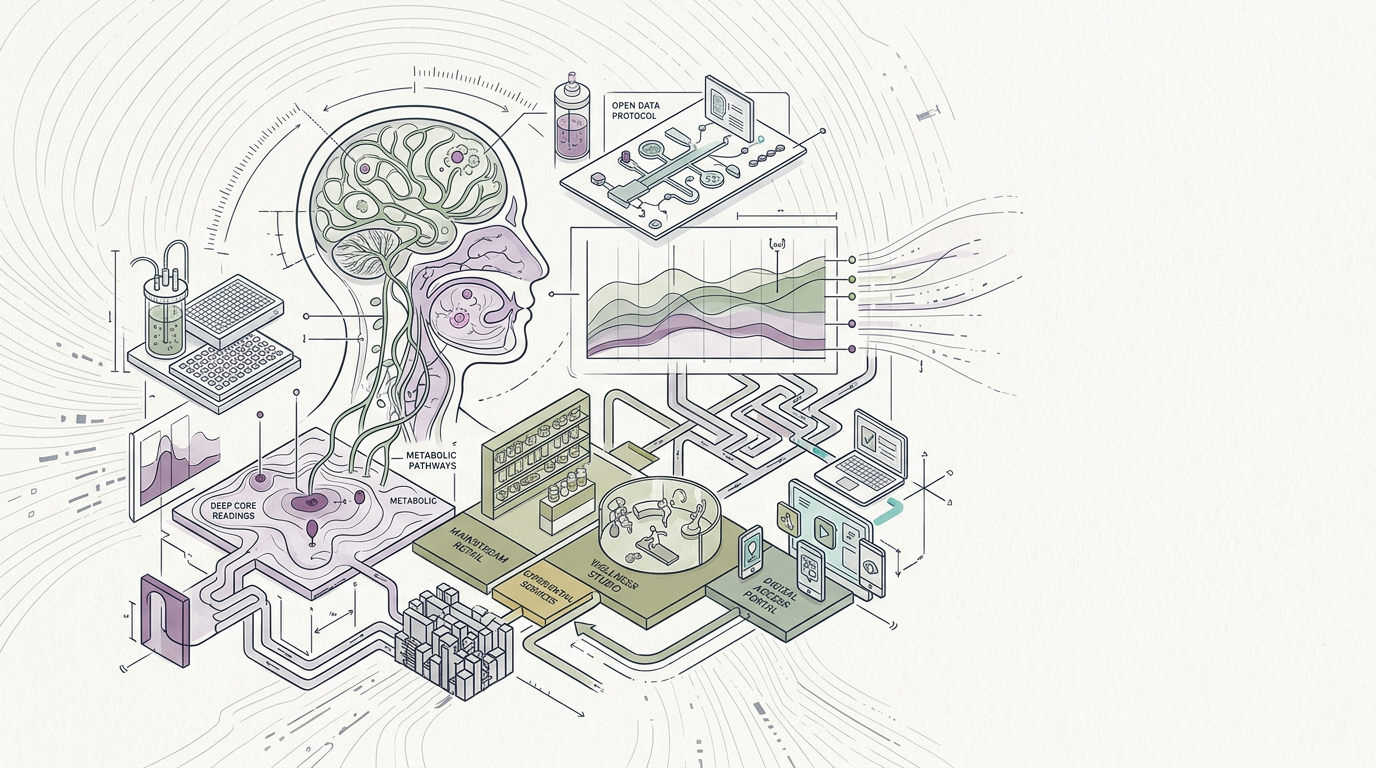 | This week, wellness continues its march into mainstream retail, repackaging everything from mood tracking (15) to bio-feedback (17) for wider audiences. Science, meanwhile, is diving deeper into the nuances of personal biology—think gut biome specifics and direct physiological markers. The stark contrast is policy's struggle to untangle basic healthcare access. What's often lost in the mainstream push is the fundamental, embodied experience: decision fatigue isn't a moral failing, but 'your nervous system's tax bill for running a scaling company inside your body' (18). My perspective is that all the external wellness efforts mean little if the underlying structural issues—both internal and systemic—aren't addressed. It's less about a new product and more about a new operating principle for living. | |
Mainstream wellness lacks depth.
| |
Personal biology still key.
| |
Policy fails healthcare access.
| |
Read the full daily read
www.kokorology.com/r/497vyhm
|
|
The Week in Briefs
X
| Policy Shifts Reshape Drugs, Aging, and Health | Policy and legal battles shake drug pricing, health funding, and understanding of aging. | 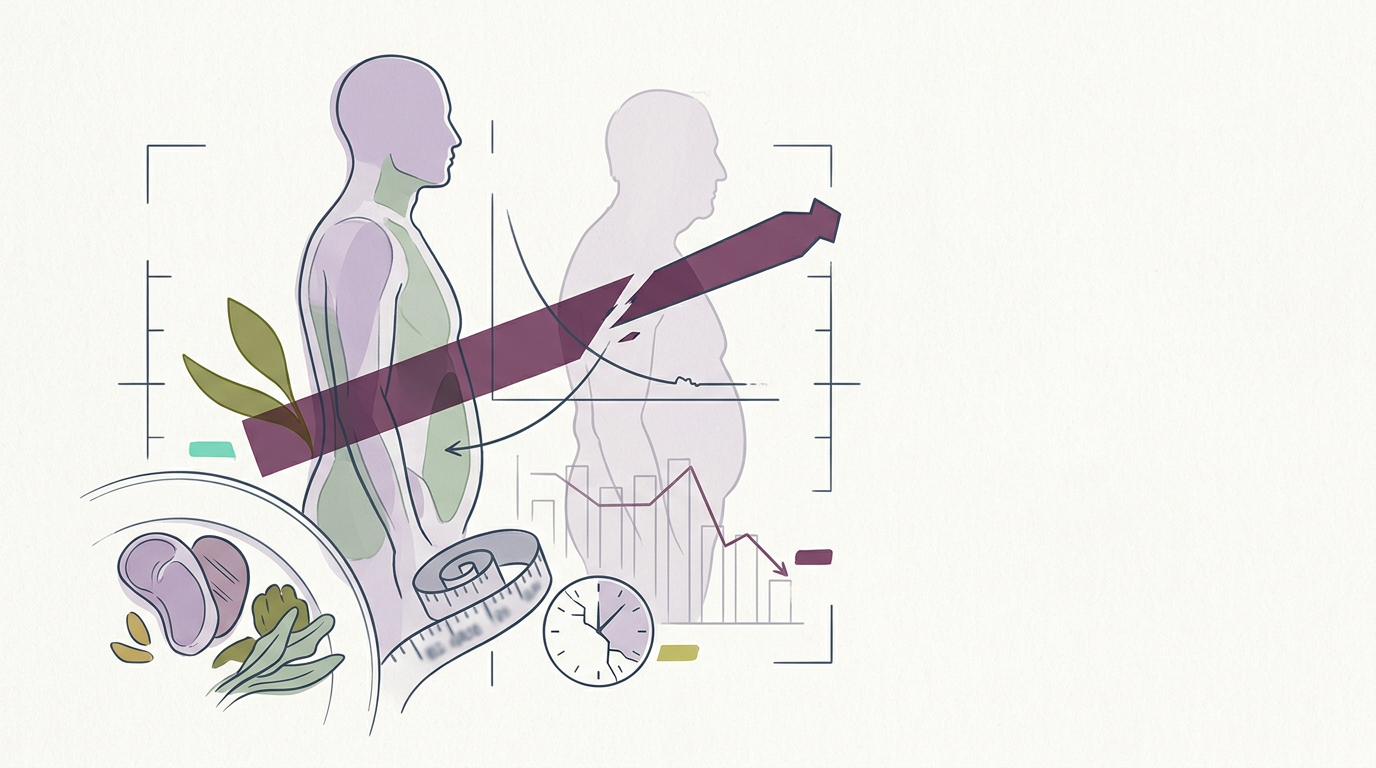 | Today's news is a stark reminder that the invisible hand of policy can dramatically reshape your physiological experience. From drug pricing to health funding, legal battles are setting the stage for how we access care and even how we conceptualize aging. The FDA's upcoming debate on peptide compounding (33, 56) is a prime example: will it legitimize or crack down on a booming gray market? Your body doesn't care about legalities; it cares about what you're putting into it. Meanwhile, the very notion of 'rest' is being re-evaluated: 'When rest stops feeling restful, the problem isn't your sleep tracker. It's an architectural readout from a nervous system defending its capacity against too much load' (11). This highlights the disconnect between policy-level interventions and the individual's lived experience of stress and recovery. The focus should be on building a system that honors biological needs, not just economic ones. | |
Policy dictates drug access.
| |
Gray markets face regulation.
| |
Real rest is a system signal.
| |
Read the full daily read
www.kokorology.com/r/9rvdhm9
|
|
The Week in Briefs
XI
| Peptides, Microplastics, and Peak Performance | Regulators open peptide doors, microplastics clog arteries, and elite sports prioritize health. | 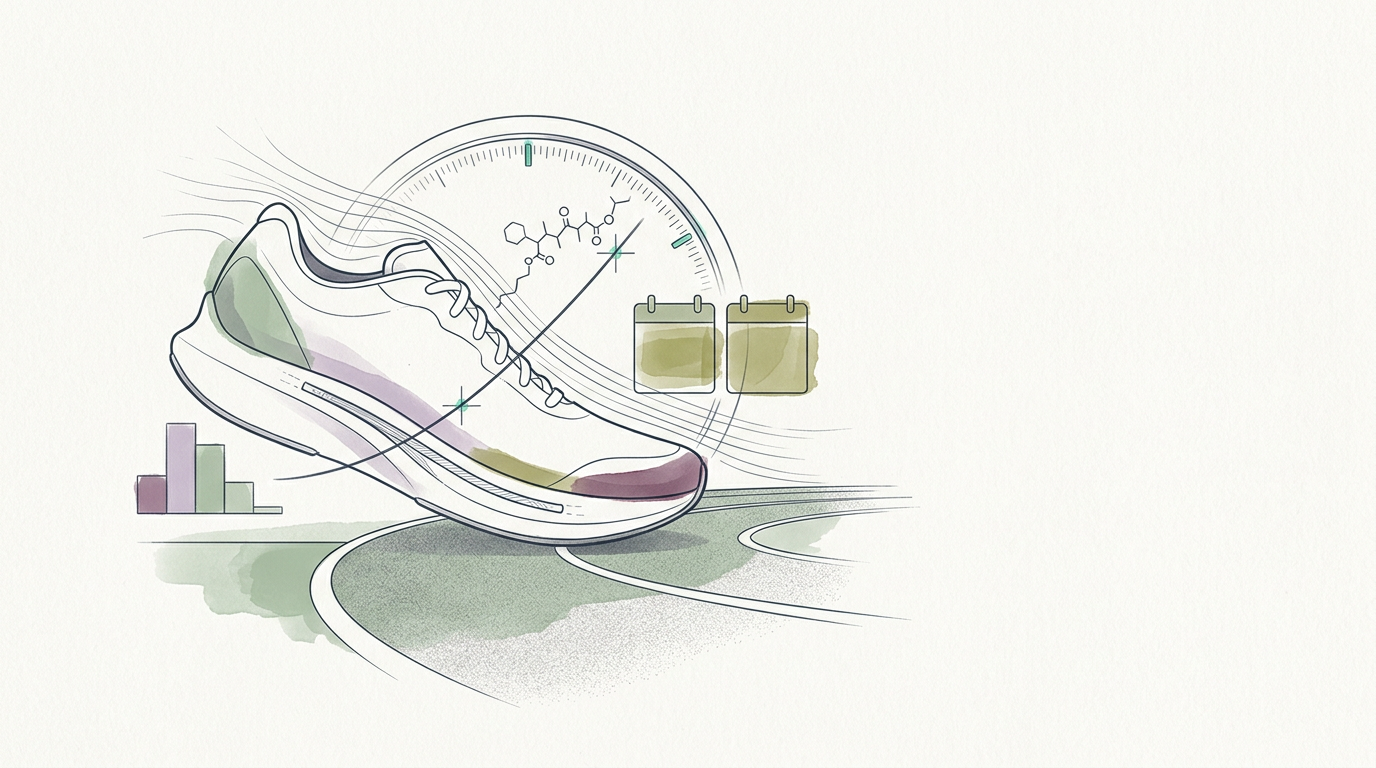 | Regulators are easing access to compounds like peptides (33), signaling a shift in what's available for health optimization. Simultaneously, unsettling science reveals microplastics clogging arteries, a silent structural issue affecting everyone. In stark contrast, elite sports are doubling down on athlete health, demonstrating a clear understanding of the 'cumulative physiological cost of high performance' (26). This divergence is telling: on one hand, a top-down relaxation of controls, on the other, a precise, science-driven approach to maintaining peak biological function. The political noise around public health (28) often overshadows the concrete biological realities. My view? The individual body is often caught in the crossfire, left to decipher complex signals like an HRV score that's 'a signal from a system your app can’t read' (9). It's a fundamental challenge of translating broad policy into individual health outcomes. | |
Peptides gaining traction.
| |
Microplastics, unseen threats.
| |
Elite sports lead on health.
| |
Read the full daily read
www.kokorology.com/r/wnwkr76
|
|
The Week in Briefs
XII
| Brain Biomedicine vs. Basic Well-being | Biomedicine makes brain leaps, but policy and trends lag on basic well-being principles. | 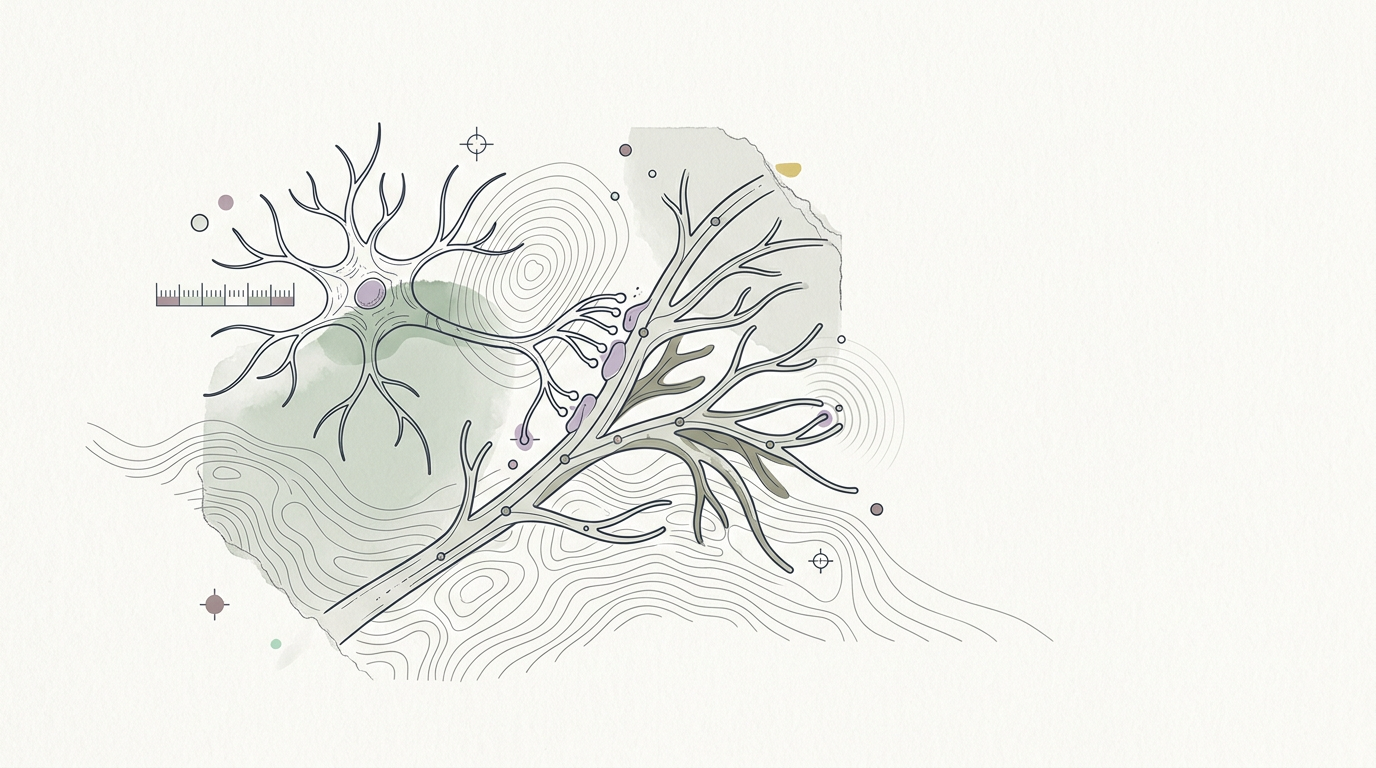 | This week brings news of incredible strides in brain-focused biomedicine—from Parkinson's drugs (16) to gene therapies for epilepsy (23) and new Alzheimer's treatments (21). These are precise, targeted interventions addressing fundamental failures in brain chemistry and communication. Yet, the broader policy landscape and consumer trends often lag, missing the basic principles of well-being. The 'cortisol awakening response' isn't an alarm, it's 'the ignition, not the alarm' (3). And being 'tired but wired' is often 'the logical outcome of an accelerator stuck on high' (4). My point is, even with all this advanced biotech, the underlying principle remains: the body is a complex, self-regulating system. The real challenge is integrating these high-tech solutions with an understanding of our fundamental physiological architecture and how we support it daily. This often means recognizing that our bodies are constantly signaling their status, not just waiting for a scientific breakthrough to fix them. | |
Brain science is rapidly advancing.
| |
Basic well-being is often overlooked.
| |
Regulation must catch up to tech.
| |
Read the full daily read
www.kokorology.com/r/m4x4728
|
|
The Week in Briefs
13
| Digital Detox Meets Dirt Under Nails | Consumers swap digital detox for analog wellness, while tech still pushes digital mental state solutions. | | The pendulum swings. This week, we're seeing consumers swap digital detoxes for 'dirt-under-fingernails' analog wellness (4). It's a clear signal: people are seeking tangible, embodied experiences to regulate their nervous systems. Yet, the tech world simultaneously pushes AI 'health companions' to manage your mental state (7). This creates a fascinating tension. On one hand, a craving for primal, simple inputs; on the other, a reliance on increasingly complex algorithms. My argument remains: your HPA axis is 'an operating principle not a feeling' (0). You can't code your way out of a physiological state. The real work is about reading the body's direct signals—like when anxiety is 'a physiological signal long before it's a story' (1). The trend toward analog wellness (46) is a direct, albeit often unconscious, recognition of this. It's the body trying to get back to basics, even if brands are quick to market it. | |
Analog wellness is gaining traction.
| |
AI companions offer limited value.
| |
Basic human needs drive health.
| |
Read the full daily read
www.kokorology.com/r/inmo7t7
|
|
Signals
14
| What moved, and what it means | The week's most compelling data points, mechanism, and why they matter. |  | |
Loneliness, Solitude, and Your Nervous System
Psyche · 25/07/2026
Loneliness, not solitude, is the physiological stressor. Choosing solitude proactively helps downregulate your stress response and recalibrate your emotional baseline, acting as a low-cost, high-return nervous system hack.
| |
Blue Zone Centenarians Point to Social Stability Over Stress
Mindbodygreen · 23/07/2026
Blue Zone longevity isn't just diet or exercise; it's robust social environments providing consistent, low-stress interaction. This social stability acts as a continuous, gentle buffer against daily cortisol spikes, sustaining a well-regulated nervous system over time.
| |
Sun Valley becomes first US Dark Sky-certified ski resort
Outside Online · 25/07/2026
Sun Valley's Dark Sky certification isn't just tourism; it's a strategic move to offer genuine darkness. This provides a direct, low-cost way to boost melatonin production and calm the HPA axis, turning darkness into a luxury amenity for nervous system restoration.
| |
Low Vitamin D Linked to Low Energy, Brain Fog
Mindbodygreen · 26/07/2026
Low Vitamin D causes more than 'brain fog'; it disrupts neurotransmitter synthesis, increases brain inflammation, and throws off hormonal balance. This is a systemic issue affecting sleep architecture and stress response, requiring holistic consideration beyond just supplementation.
| |
Most people don't need electrolyte supplements, experts say
Wired Science · 25/07/2026
Most people don't need electrolyte supplements unless severely dehydrated or doing intense endurance. The body's natural regulation, supported by plain water and food, maintains balance. Over-supplementing can disrupt this delicate equilibrium, underscoring that simple hydration is usually sufficient.
| |
Davos: The Original Wellness Retreat Destination
The Lancet · 24/07/2026
The historical context of Davos as a 'medical climatology' resort highlights that modern 'wellness travel' is a rebrand of 19th-century practices. The mechanism—environmental change impacting body systems—remains relevant, but the focus has shifted from clear medical directives to vague 'rejuvenation,' begging the question of measurable outcomes.
| |
Green Spaces May Improve Pregnancy Outcomes, New Study Finds
Mindbodygreen · 26/07/2026
Access to green spaces and reduced pollution improves pregnancy outcomes by mitigating environmental stressors. This reduces chronic low-grade sympathetic activation and inflammation, impacting everything from hormone regulation to the gut microbiome. Daily walks in parks become crucial for regulating the nervous system during pregnancy.
| |
Preventive medicine blurs obesity's heart disease risk, says Lancet review
The Lancet · 24/07/2026
Advances in cardiology and preventative meds might be masking obesity's true cardiometabolic risks. While drugs manage symptoms, underlying inflammation and metabolic dysfunction can persist, suggesting a need for more nuanced assessments like VO2max and DEXA scans to understand actual biological risk beyond BMI.
|
|
Kokorology product
15
| Choose the load-bearing problem first. Each protocol is €40; stacking more lowers the price. |  |
|
The Verdict
16
| MetaGlow: All Sparkle, No Substance | This 'daily glow' supplement promises radiance but delivers little more than marketing fluff. | 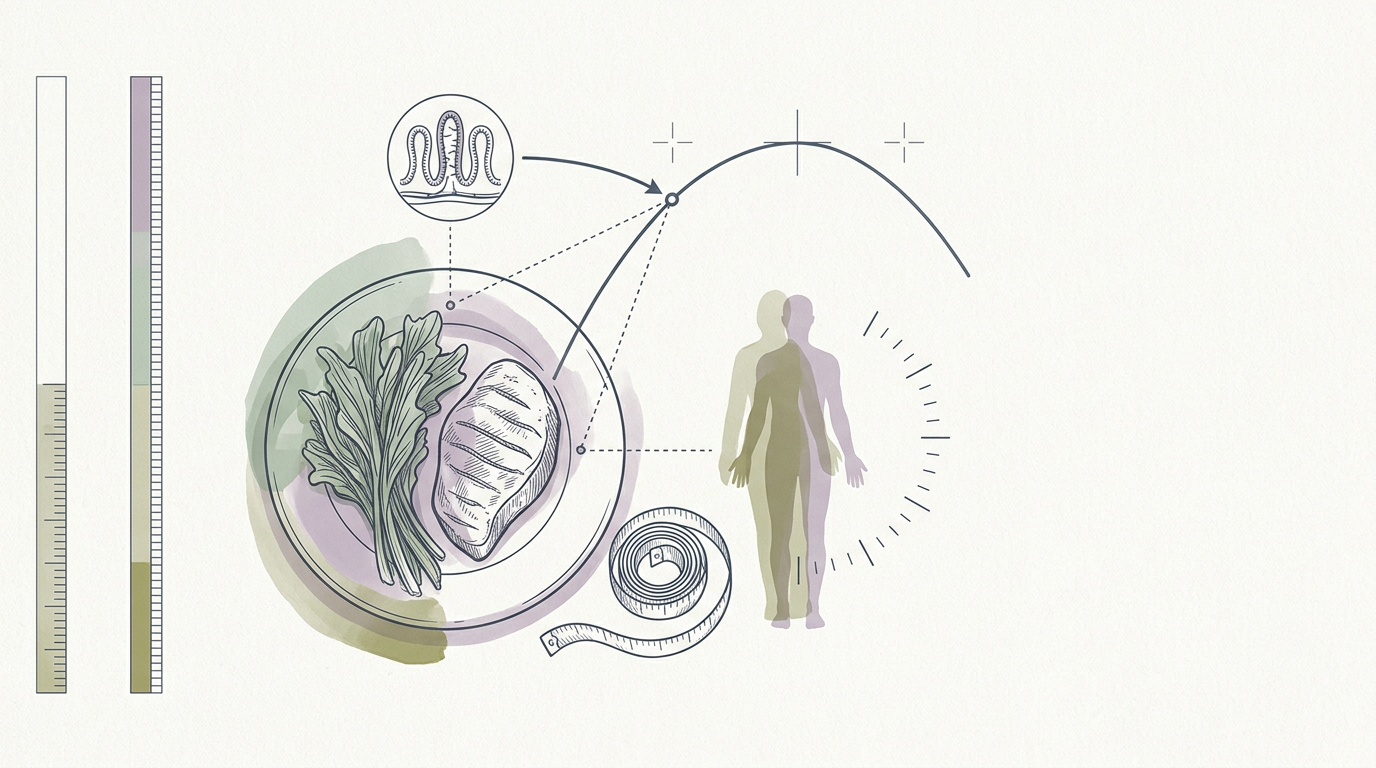 | MetaGlow positions itself as the secret to radiant skin and a 'daily glow.' The ingredient list features your usual suspects: collagen peptides, hyaluronic acid, and a smattering of vitamins. The problem? Most of these components, particularly collagen, face significant challenges in bioavailability when ingested orally and are then expected to magically rebuild your skin's extracellular matrix (12, 24). Collagen synthesis is a complex process, not a simple 'add more' equation. While Vitamin C is a critical co-factor, simply ingesting a blend doesn't guarantee targeted delivery to your skin cells. The real structural repairs for skin health are less about expensive powders and more about fundamental physiological stability. Chronic psychological stress, for instance, significantly impairs skin barrier recovery and increases trans-epidermal water loss (7). So, while MetaGlow might offer a temporary placebo effect, it's not addressing the deeper mechanisms of skin health or the environmental and internal stressors that truly affect your 'glow.' It’s all sparkle, no substance; a classic case of chasing a symptom with a supplement rather than supporting the underlying system. You'd get more 'glow' from consistent sleep and adequate hydration. | |
MetaGlow
use with care · 5/10
| |
Read the full review
kokorology.com/product-reviews/metaglow-review
|
|
Kokorology product
17
| A daily record of what your system is actually doing. Includes the complete hacks library. |  |
|
Evidence
18
| The studies underneath | The latest science underpinning our understanding of the nervous system. |  | |
Brief Structured Respiration Practices Enhance Mood and Reduce Physiological Arousal
Kokorology Research Library
Short, structured breathing practices like cyclic sighing significantly enhance mood and reduce physiological arousal by increasing parasympathetic tone via prolonged exhalations, offering a rapid, portable down-regulation mechanism for the nervous system.
| |
A Gradient of Childhood Self-Control Predicts Health, Wealth, and Public Safety
Kokorology Research Library
A gradient of childhood self-control, measured early in life, predicts adult health, wealth, and public safety outcomes across the entire population, even controlling for IQ, social class, and shared genes, highlighting the long-term impact of early regulatory capacity.
| |
Muscle Mass Loss With GLP-1 Therapy: Clinical Relevance and Mitigation
Kokorology Research Library
GLP-1 therapy leads to significant fat-free mass loss, averaging 25–40% of total weight loss. This disproportionate muscle loss, especially in older adults or those with low baseline muscle, can cross the sarcopenia threshold, necessitating concurrent resistance training and high protein intake (1.2–1.6 g/kg) from day one.
| |
Chronic Psychological Stress Increases Transepidermal Water Loss and Impairs Skin Barrier Recovery
Kokorology Research Library
Chronic psychological stress impairs skin barrier function, increasing trans-epidermal water loss and suppressing ceramide synthesis and corneocyte maturation. Salivary cortisol levels correlate linearly with skin barrier recovery time, demonstrating a direct physiological link between stress and skin health.
|
|
The Practice
19
| Single-Leg Stand: The Instant Reset | Realign your nervous system with this simple balance challenge. |  | When your nervous system feels scattered, a novel physical input can act as a circuit breaker. This quick balance practice forces your brain to re-engage with its fundamental proprioceptive systems, bringing you back to center.
- Find a clear, flat space. Stand with your feet hip-width apart and your arms relaxed at your sides.
- Shift your weight slightly onto your dominant leg. Lift your non-dominant foot a few inches off the ground, bending your knee slightly.
- Focus your gaze on a fixed point directly in front of you, not moving your eyes.
- Hold this position for 30 seconds. Pay attention to the subtle shifts and adjustments your body makes to maintain balance.
- Gently lower your foot.
- Repeat on the other side for 30 seconds.
After completing both sides, notice any shift in your perception of space or your sense of bodily presence. It's a quick way to remind your body who's in charge. | |
Practise it in full
www.kokorology.com/r/avr526g
| |
Log this in your Nervous System Journal →
|
|
The Movement
20
| Single Leg Balance With Head Turns | Challenge your nervous system to integrate balance and visual input, enhancing stability. |  | This exercise is a potent way to integrate your vestibular (balance), proprioceptive (body awareness), and visual systems. When you turn your head, you create a dynamic challenge that your nervous system must rapidly process, building a more robust and responsive internal map.
- Stand tall with feet hip-width apart, gaze forward. Distribute your weight evenly across both feet.
- Shift weight to your right leg, gently lifting your left foot off the ground. Aim to keep your pelvis level. You can place the toes of your left foot on the ground initially for support if needed.
- Find your balance on the standing leg. Notice the small oscillations and muscular engagement in your foot, ankle, and hip.
- Once stable, slowly turn your head to the right, keeping your gaze soft. Then, slowly turn your head to the left, as if looking over your shoulder. Coordinate the head turns with a smooth, controlled rhythm, not jerking.
- Return your head to center and gently place your lifted foot back down. Take a brief pause before switching sides.
- Repeat on the other side, lifting your right foot and turning your head right and left while balancing on your left leg.
| |
See the movement in full
www.kokorology.com/r/cp2ujyn
| |
Log this in your Nervous System Journal →
|
|
The Routine
21
| Gentle Nausea Reset | A sequence to gently downregulate your system when nausea strikes. |  | Nausea is a profound signal from your nervous system. Rather than fighting it, this routine offers gentle, systematic steps to soothe your body and bring it back to a baseline of calm. It's about coaxing, not conquering.
- Facial Softening and Jaw Release — Gently massage your temples and around your jaw hinge with fingertips. Focus on releasing any clenching or tension. Breathe slowly through your nose for 2 minutes.
- Supine Diaphragmatic Breathing — Lie on your back with knees bent, feet flat. Place one hand on your chest and one on your abdomen. Inhale slowly, allowing your belly to rise, then exhale completely, feeling your belly fall. Repeat for 5 minutes, focusing on smooth, deep breaths.
- Today's Daily Hack — Engage with [Today's Daily Hack](/practices/today-s-daily-hack). Integrate this short practice to further support your system.
- Slow Electrolyte Sip — Take small, deliberate sips of water with a pinch of sea salt or an unflavored electrolyte powder. Hydrate slowly, noticing the sensation in your mouth and throat for 2 minutes.
| |
Follow the routine in full
www.kokorology.com/r/qfx5to6
| |
Log this in your Nervous System Journal →
|
|
Kokorology product
22
| Every Anchor and every care package, without making your symptoms audition for separate subscriptions. |  |
|
From the house
27
| Two prompts in the morning, three at night, and the whole hacks library alongside them. €25/mo — the cheapest structural renovation on this list. |  |
|
Correspondence
28
| A Final Word: Decoding Your Inner Architect |  | This week's edition should serve as a stark reminder: your body is constantly speaking to you. The insights, the news, and the practices we've shared all point to one truth — become a better listener. Stop outsourcing your nervous system to numbers on a screen. Your internal architect knows what it needs, and its signals are often more profound than any external metric. Trust that feedback. Integrate it. And watch what happens when you start truly responding to what your body is trying to tell you. Head over to the Nervous System Journal, and start practicing your listening skills. | |
The Nervous System Journal — €25/mo
Two prompts in the morning, three at night. Includes the full hacks library.
| |
All Access — every anchor and care package
The whole system, one pass.
| |
Anchor protocols — €40 each
One protocol for the season you are actually in.
|
|