Research
The cortisol awakening response is the ignition, not the alarm
That morning cortisol spike isn't a stress signal. It’s the body turning on the lights and getting the coffee maker started for the day.
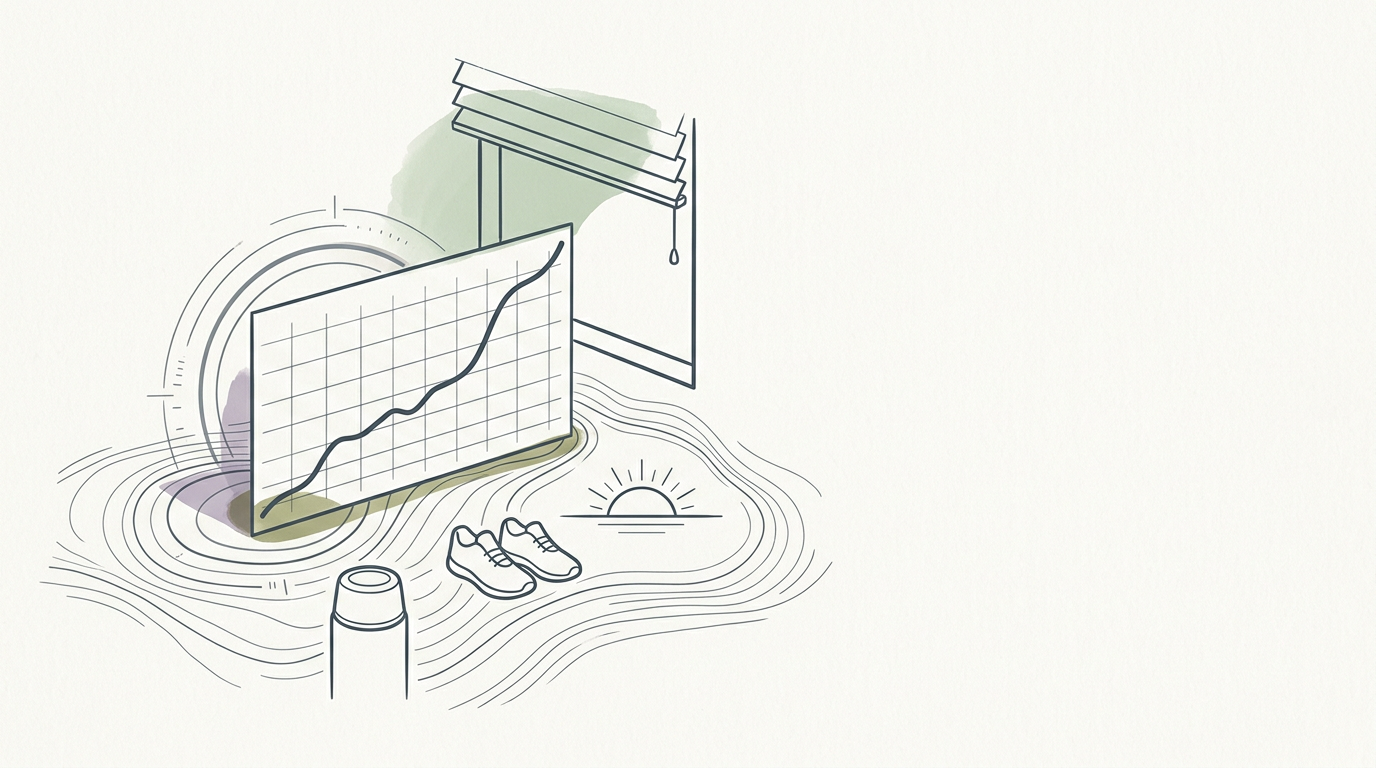
The supplement aisle has spent the last decade convincing you that morning cortisol is a toxic chemical you need to suppress before breakfast. I've stopped pretending this is just harmless marketing. That early hormone spike is the human body's daily start sequence, pushing glucose to the brain so you can physically stand upright. When you try to flatten it with expensive green powders, you're actively sedating a healthy nervous system exactly when it's trying to get you out of bed.
You open your eyes at 6:15 am, and before you've even moved a muscle, the static hits. It's a low-grade hum behind your eyes, a sudden tightening in the jaw, and the immediate mental rehearsal of an email thread from yesterday. You reach for your phone to check your sleep score, hoping an app will tell you why you feel anxious for no reason the second you wake up. The internet will tell you your stress hormones are ruining your life, prompting you to buy another tincture because you feel tired but wired every single morning. The physical reality is much more mundane. You feel a sudden rush of activation because your HPA axis is doing its job. You're exhausted but can't rest because the demands waiting for you are genuinely too high. Your morning biology is working perfectly.
Common Questions
What is the cortisol awakening response?
The cortisol awakening response is a sharp, predictable rise in cortisol that happens roughly 30 to 45 minutes after you open your eyes. This biological surge pulls glucose into the bloodstream, providing your brain and muscles with immediate fuel to start the day.
Is a high morning cortisol spike a sign of stress?
A single high spike is simply a sign of a responsive autonomic nervous system. Trouble arises when the response becomes chronically exaggerated, causing you to wake into a state of hypervigilance because your body is anticipating yesterday's threats.
Why do I wake up feeling exhausted?
When the system is heavily depleted, the HPA axis downregulates the morning signal. This blunted response leaves you groggy and foggy, requiring multiple coffees just to achieve a baseline state of alertness.
The Fear of the Morning Rush
The trouble with cortisol is everyone has heard of it, and no one knows what it does. I used to believe the sheer presence of it meant I was failing at nervous-system regulation. If my heart beat a little faster at 7 am, I assumed I was already losing the day.
The physiological truth is that this hormone is simply chemical mobilization. It pulls glucose from storage and pushes it to your brain so you can process visual input and make decisions. You don't need a diagnosis for the fact that your eyes opened.
The Biology of the Curve
Your HPA axis—the stress-hormone control loop that runs from your brain to your adrenal glands and back—acts as a biological thermostat. About 30 to 45 minutes after you wake up, it initiates the cortisol awakening response. This 50 to 75 percent increase in cortisol is a proactive, preparatory signal. It demonstrates that your body has the resources and the autonomic flexibility to anticipate the day's energy load. A robust spike means the system is well-regulated and ready.
I don't want you to suppress the very hormone that gives you the capacity to participate in your own life.
The Flattened Rhythm
The true information lives in the shape of the curve over time. A consistently blunted morning response is what it physically feels like to wake up tired. You drag yourself out of bed, foggy and heavy, waiting for the third coffee to hit. Most productivity advice suggests you just need a better morning routine. Your HPA axis suggests you need a month off.
This flattened curve is the biological signature of burnout. The brain realizes the output required significantly exceeds the input provided, so it downregulates the signal. The thermostat is turned down to survive the winter.
The Exaggerated Spike
On the other end of the spectrum is a chronically exaggerated curve. This is when you wake up straight into dread. Your heart races, your jaw is clamped, and you feel a profound sense of urgency before your feet hit the floor.
The nervous system is over-anticipating the day's load based on last week's emergencies. It's flooding the bloodstream with fuel because it predicts you'll need to sprint away from a predator, when in reality you're just joining a 9 am status meeting. The inbox has never once been impressed by your heart rate.
Changing the Inputs
You can't supplement your way out of a demanding environment, but you can change the early inputs the nervous system receives. Staring at an unread email thread in bed teaches your brain that waking up requires immediate defensive action. It trains the HPA axis to expect a threat the moment your eyes open. If you want a regulated morning curve, you have to give the brain signals of safety and plain, predictable demand.
What to do this week
- Get 15 minutes of direct daylight in your eyes before looking at a screen. Light suppresses melatonin and anchors the morning cortisol peak.
- Eat 30g of protein within an hour of waking to give the nervous system the actual raw material it needs to sustain energy.
- Delay coffee for 90 minutes. Let the natural cortisol curve do its work before you introduce artificial arousal.
Where this fits in the Kokorology system
Understanding the HPA axis and your daily rhythm is the core of the Regulation foundations course. If you need 60-second tools to manage that morning hum, you'll find them in the Hacks library, or you can track your daily autonomic state inside the Journal.
Closing
Reading the signal is the first step. The next is to deliberately and skilfully adjust the inputs your system receives.
- Start with the Regulation foundations course to rebuild your baseline.
- Continue inside the Community for weekly coregulation and guided practice.
- Work with a practitioner in a 1:1 Coaching session if you are stuck in an exaggerated stress pattern.
TL;DR
The morning cortisol surge is a vital biological process that prepares your body for the day by mobilizing energy. A healthy response is robust and sharp. Problems only arise when chronic overload distorts the curve, leaving it blunted (causing fatigue) or chronically exaggerated (causing hypervigilance). The signal simply reflects your body's prediction of the day's demands, confirming that your nervous system is assessing your environment exactly as it should.
Sources
- Miller, R. (2007). If it goes up, must it come down? Chronic stress and the hypothalamic-pituitary-adrenocortical axis in humans. Psychological Bulletin.
- Maslach, C. (2016). Understanding the burnout experience: Recent research and its implications for psychiatry. World Psychiatry, 15(2), 103–111.
- Chandola, T. (2008). Work stress and coronary heart disease: What are the mechanisms?. European Heart Journal, 29(5), 640–648.
- Clow, A. (2004). The awakening cortisol response: Methodological issues and significance. Stress, 7(1), 29-37.