EDITION 4 |
The Nervous State
I
|
The Stress Threshold
Why your system crashes under pressure — and how to reset your capacity.
|  |
|
A note for this week
II
| A note for this week |  | The reasonable message that provokes an unreasonable response is a useful place to begin. Not because snapping is admirable, but because the last demand often gets blamed for everything that came before it. The workplace piece in this edition asks us to look at that accumulated strain, without using physiology as a permission slip for bad behaviour.
That's the part of my reading I wanted to share this week: context changes the interpretation of a reaction. If I only look at the incident, I miss the conditions around it. If I only look at the conditions, I risk excusing the incident. Both matter.
The activewear review widens the frame in a quieter way, looking at the material against the skin rather than the campaign around it. Different subject, same habit of attention: inspect the actual conditions. I update my understanding through these connections, and this magazine is where I put them in public. The question worth keeping isn't just why someone reached their limit. It's what made that limit easier to reach, and what can change before the next message arrives.
— Sabin |
|
The Masthead
III
| Kokorology | | What Kokorology means
Kokoro is Japanese for the alignment of heart, mind, body and soul. The -logy is the ambition: that wellness stops being a lifestyle aisle and becomes a school subject.
Who writes this
I'm Sabin — founder, builder and writer, working across wellness, AI, design and independent media. Kokorology brings my reading on the nervous system together with practices, protocols and tools for everyday life.
I update my understanding as I read. This magazine is where I share the threads worth following: research, daily reads, movement, routines and the questions behind them. | |
More about Kokorology and Sabin
kokorology.com/about
|
|
Contents
V
| Week of Monday 3 August |  | |
A note for this week
From Sabin
| |
The Masthead
Kokorology and who writes this
| |
Keep in touch
The conversation continues
| |
The Read
Why Your Best People Snap Over Nothing
| |
The Week in Briefs
7 daily reads, one page each.
| |
Signals
New signals on capacity, regulation, and the subtle loads our bodies carry.
| |
The Verdict
Activewear: More Than Just Fabric
| |
Evidence
Mechanism-based research supporting today's theme.
| |
The Practice
Cold Water Face Plunge
| |
The Movement
Controlled Articular Rotation (CAR) of the Shoulder
| |
The Routine
Regulate Circadian Rhythm After Travel Shift
| |
Also this week
88 pieces recapped.
| |
Correspondence
Where to go next.
|
|
The Read
VI
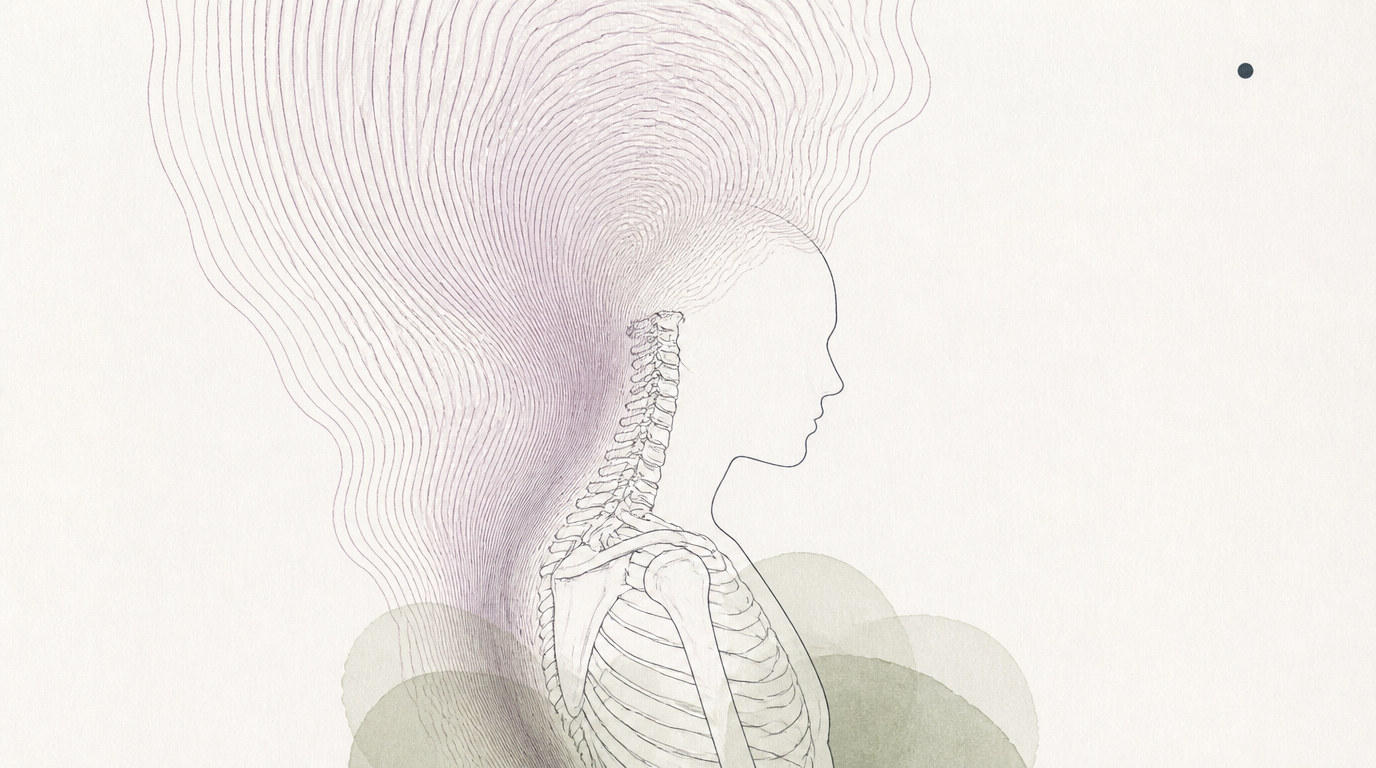
| Why Your Best People Snap Over Nothing | That sudden outburst? It’s rarely about the message. It’s about a nervous system pushed past its limit, begging for release. | Your ops lead snapped at someone today over a message that, read back later, was completely reasonable. She has no idea why. The message was never the cause. This isn't a character failing; it's a physiological readout of a nervous system that's hit its threshold. I've watched it happen in myself, and I've seen it in the data I track with clients. The breaking point arrives not from a single, massive blow, but from the cumulative weight of unaddressed, low-grade static.
We often misinterpret these outbursts. We search for a rational trigger – a rude email, a missed deadline, a personal slight. But the underlying mechanism is simpler: the system is full. Think about a circuit board handling too much current. It doesn't quietly dim; it shorts, sparks, or even catches fire. Your nervous system, constantly processing internal and external loads, behaves similarly.
For most of us, capacity isn't static. It fluctuates daily with sleep, nutrition, physical activity, and emotional states. But an acute spike in load — say, a child's birthday party [14] or a holiday travel buffer [2] — against an already high baseline can send us into the red. And the recovery isn't instant.
When a system is constantly overloaded, it struggles to return to baseline. This isn't just about feeling tired. It's about an elevated heart rate, higher background cortisol, and a diminished ability to regulate emotional responses. Dr. Stephen Porges, known for his Polyvagal Theory, highlighted how an overwhelmed system can shift into defensive states, making connection difficult and triggering fight-or-flight responses even to minor stimuli. His work underscores that our physiological state dictates our psychological capacity for interaction.
This isn't about blaming individuals. It's an indictment of cultures that valorize 'pushing through' or ignore the systemic factors contributing to this overload. The promise of AI is clearing cognitive clutter, but often it just atrophies the wiring that makes our own brains useful [5]. We offload executive function, but the underlying nervous system load remains, perhaps even increases as we lose our own capacity for cognitive heavy lifting [11].
The real solution isn't better coping mechanisms for a broken system. It's a reduction of the load itself, or a deliberate expansion of capacity. That means paying attention to the low hum of chronic inflammation from gut dysregulation [12, 57], acknowledging how hormonal shifts impact sleep [21], and recognizing that even minor physical stressors accumulate [56]. When you see someone 'snap,' it's a signal to address the environment, not just the individual. Their body is calling in a very old debt [9]. | |
The underlying mechanism is simpler: the system is full.
| |
Read the original
www.kokorology.com/r/pbijbej
|
|
The Week in Briefs
VII
| GLP-1s, Brain Aging, and Nature’s Impact | The week starts with a look at evolving health trends beyond weight loss and the enduring power of nature. | 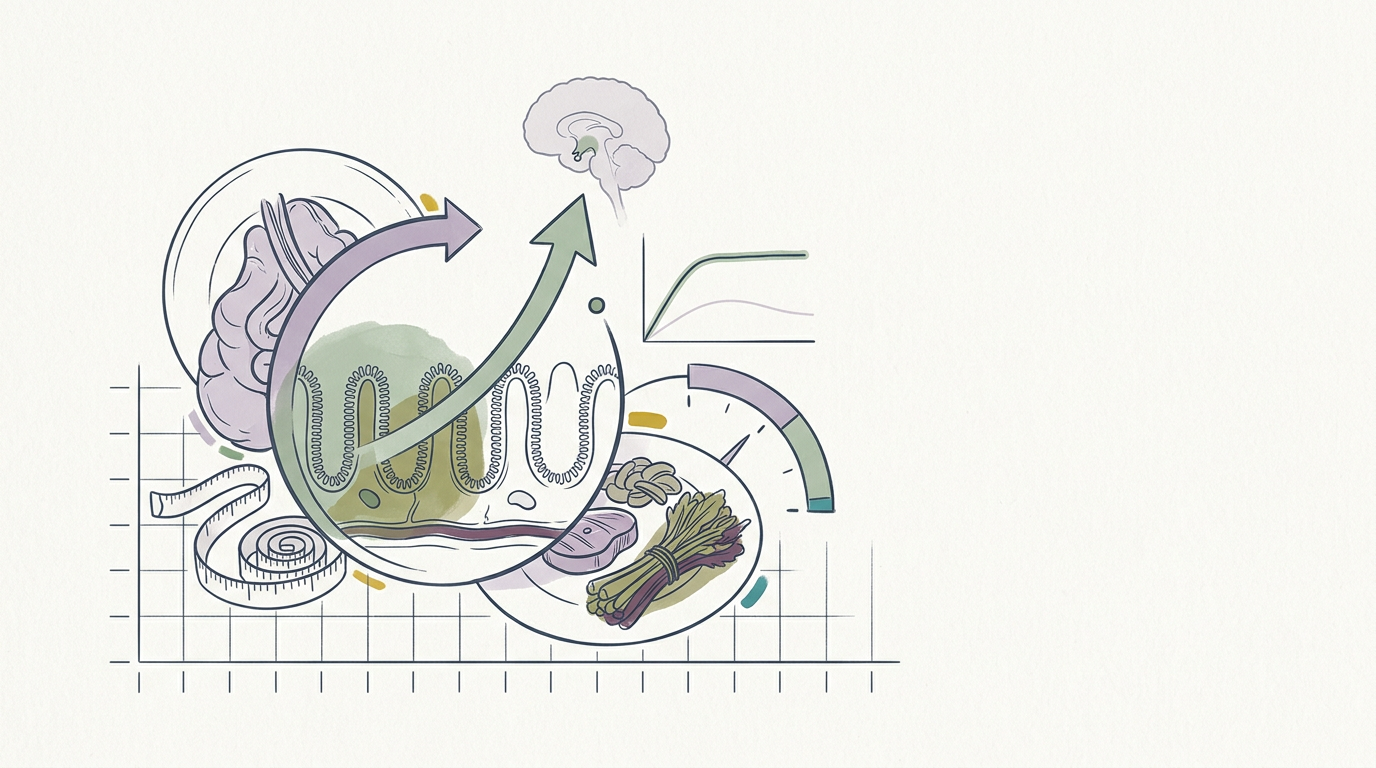 | Today's health trends are showing a divergence: on one hand, high-tech interventions like GLP-1 drugs are broadening their indications beyond weight loss, showing up in discussions about joint pain and even gym programming [6]. On the other, there's a renewed scientific emphasis on foundational, low-tech interventions like nature's impact on well-being and basic practices like tummy time for infants [19].
Biotech continues to pour capital into brain aging diagnostics and treatments, seeking to understand and mitigate cognitive decline. This dual focus – high-tech and high-touch – suggests a market grappling with how to address complex health challenges across the spectrum. The underlying thread is the nervous system, whether it’s regulating metabolic load or building foundational resilience. | |
GLP-1s are diversifying.
| |
Brain aging is a biotech focus.
| |
Nature's impact is re-emphasized.
| |
Read the full daily read
www.kokorology.com/r/vbf5tdq
|
|
The Week in Briefs
VIII
| GLP-1 Access, AI Oversight, and Global Health | Pharma pushes for wider GLP-1 access, while AI's real-world utility faces scrutiny and global policy hits snags. | 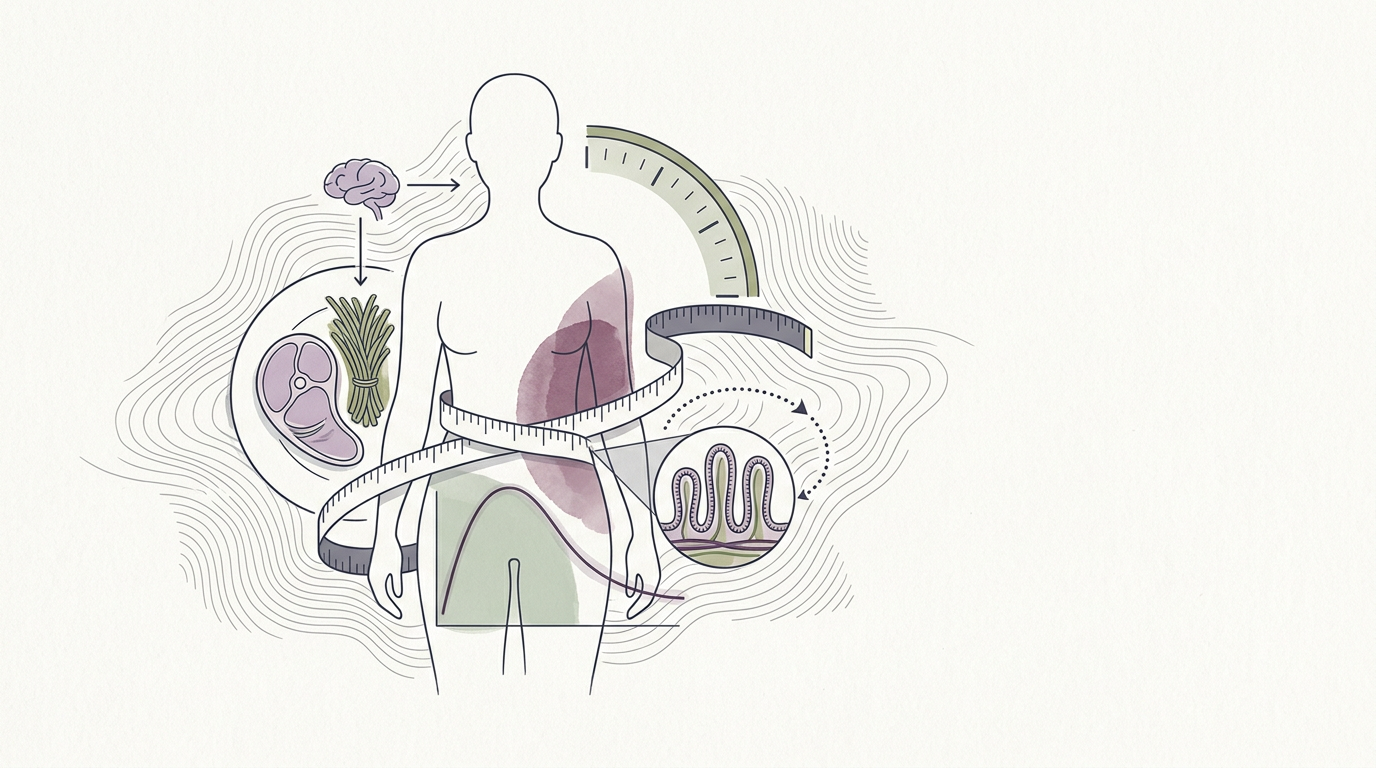 | Big pharma is on an aggressive push to widen access to GLP-1 drugs, securing legal victories to maintain market control [26]. This reflects immense patient demand for these medications, which are showing benefits beyond simple weight loss [6]. Meanwhile, the real-world utility of AI is hitting some snags, prompting increased scrutiny over its regulation and validation. We're seeing hospital librarians combat AI misinformation [17], highlighting the gap between promise and practical application.
Globally, health policy continues to struggle with implementation, as evidenced by recurring public health crises like bird flu [2] or persistent challenges in ensuring medication access [16]. The rapid expansion of specific gym franchises like Sweat440 [7] and Club Pilates [45] indicates a consumer demand for efficient, structured fitness that helps manage the daily load, speaking to an underlying need for nervous system regulation amidst chronic stress. | |
Pharma wants more GLP-1 access.
| |
AI's real utility under scrutiny.
| |
Global health policy struggles.
| |
Read the full daily read
www.kokorology.com/r/vqqyfjk
|
|
The Week in Briefs
IX
| GLP-1s Shape Gyms, Policy Battles Fragment Health | GLP-1s are influencing diverse sectors, while policy disputes create a fragmented global health outlook. |  | GLP-1 drugs are proving to be more than just weight loss agents; they're beginning to influence ancillary sectors like physical therapy and gym programming. This expansion signals a broader integration into general health and wellness. Concurrently, policy battles are creating a fragmented landscape for health, with trust issues impeding global preparedness for crises like bird flu [2].
The ongoing heatwaves [0] and their systemic impact on human and animal bodies [23] also highlight the limits of our collective capacity to adapt. The concept of 'cognitive screening,' often associated with conditions like dementia [6, 22], is a reminder that our brains, like our bodies, operate within a finite capacity. Understanding these limits is crucial, whether we're talking about global health systems or individual nervous systems. | |
GLP-1 influence expands.
| |
Policy disputes fragment health.
| |
Heatwaves show systemic limits.
| |
Read the full daily read
www.kokorology.com/r/yajji5e
|
|
The Week in Briefs
X
| Longevity to Clinical Practice, GLP-1s Diversify | Longevity research enters clinical care as GLP-1 indications broaden and screening failures highlight health disparities. |  | The pursuit of longevity is gradually making its way from the research lab into clinical practice, bringing a new focus on sustained healthspan. GLP-1s are a significant part of this, showing a broader utility beyond their initial applications. Their potential to reduce cardiovascular events [2] and improve kidney outcomes [3] positions them as multi-system agents, but their impact on muscle mass [4] requires careful consideration and mitigation strategies.
Meanwhile, systemic screening failures continue to expose stark health disparities, particularly in areas like cancer detection or infant health. This reinforces the idea that true health isn't just about cutting-edge treatments but equitable access to basic care. The underlying mechanism linking all these threads? The nervous system's capacity for regulation, which is constantly challenged by environmental, societal, and biological loads. | |
Longevity enters clinics.
| |
GLP-1s show new uses.
| |
Screening failures persist.
| |
Read the full daily read
www.kokorology.com/r/2wso2sz
|
|
The Week in Briefs
XI
| Low-Tech Health Gains Traction, AI Struggles | Accessible health methods gain ground while AI struggles to integrate, and policy battles define medical access. |  | Today’s landscape presents a fascinating dichotomy: accessible, low-tech health methods are gaining significant traction, proving their worth where high-tech solutions falter. This is juxtaposed against high-stakes policy battles determining access to complex medical care, particularly for new drugs and technologies. AI, despite its promise, still struggles to integrate meaningfully into the daily lives of patients and clinicians, often creating more noise than signal [17].
My blog post this week on executive function offloading to AI [5] speaks directly to this tension. The perceived ease of AI comes at the cost of our own cognitive wiring, highlighting a quiet atrophy of skills that impacts our overall capacity. This means a delicate balance must be struck: leveraging innovation without sacrificing foundational human capacities, or creating new loads on an already stretched nervous system. | |
Low-tech health is popular.
| |
AI integration is difficult.
| |
Policy shapes medical access.
| |
Read the full daily read
www.kokorology.com/r/kvdgtu8
|
|
The Week in Briefs
XII
| Movement, Food, and Mind for Longevity | Your daily habits directly influence your longevity levers, from how you move to what you eat and think. |  | This week's reads underscore the fundamental truth that how you move, what you eat, and even your self-perception directly influence your longevity. Whether it's optimizing muscle mass after 40 [13] or understanding the role of your gut in athletic performance [3], these daily inputs aren't minor details; they are primary levers for health and resilience.
The 'athlete gut problem' [3] I wrote about reveals how often we misinterpret our body's signals, treating symptoms like cramps as fuel issues rather than deeper nervous system responses to inflammatory static. Similarly, post-festival glucose recovery [4] isn't a metabolic test but a sign of life, challenging the notion of every meal as a 'crime scene.' These perspectives shift the narrative from constant optimization to understanding and supporting the body's natural regulatory capacity. | |
Movement impacts longevity.
| |
Food choices matter directly.
| |
Mindset affects health span.
| |
Read the full daily read
www.kokorology.com/r/stryxso
|
|
The Week in Briefs
13
| AI in Wellness, Global Health, and Nervous System States | AI transforms wellness consumption, global health investment rises, and new research links conditions to nervous system states. |  | AI is rapidly influencing consumer behavior in the wellness space, from personalized product recommendations [4] to macro tracking apps like Macrobite [6]. This shift towards AI-driven discovery shapes both product development and how individuals approach their health. Concurrently, global health investment is picking up, especially in areas like Nigeria [14], indicating a push to improve access and services in underserved regions.
Most critically, new research continues to link conditions previously considered distinct to underlying nervous system states [9]. The deep connection between rosacea and fibromyalgia [9], for example, highlights systemic issues rather than isolated symptoms. My post on HRV not accounting for intergenerational load [0] builds on this, arguing that current metrics only scratch the surface of our accumulated physiological burdens. It's a powerful reminder that our capacity is shaped by far more than just immediate inputs. | |
AI changes wellness shopping.
| |
Global health investment rises.
| |
Nervous system links conditions.
| |
Read the full daily read
www.kokorology.com/r/eamzfwi
|
|
Signals
14
| What moved, and what it means | New signals on capacity, regulation, and the subtle loads our bodies carry. |  | |
Europe's heatwaves stress power grids and human bodies
New Scientist · 09/08/2026
Extreme heat (0, 23) forces the body to work harder to maintain core temperature, increasing cardiovascular strain and cortisol. This taxes the nervous system's thermoregulation capacity, leading to cumulative metabolic and emotional load.
| |
It takes two weeks to reset kids' holiday sleep schedules
Videnskab.dk (Health) · 09/08/2026
Holiday sleep disruption for children (1) throws off circadian rhythms and melatonin production, increasing cortisol for both children and parents. This is a low-grade jet lag that pushes the nervous system out of its regulated state, requiring careful re-alignment.
| |
Rosacea Linked to 7x Higher Fibromyalgia Rates in New Study
Mindbodygreen · 09/08/2026
The seven-fold higher rate of fibromyalgia in rosacea patients (9) points to shared underlying mechanisms beyond surface symptoms, likely involving chronic, low-grade inflammation, an overactive immune response, and a persistently jumpy nervous system from perceived threat.
| |
Tanzania prisons boost care for mothers and infants
AllAfrica Health · 09/08/2026
Tanzania's improved care for mothers and infants in custody (15) prevents early life stress from triggering lifelong physiological consequences. Stabilizing the maternal environment directly impacts brain development and stress response for decades by reducing maternal cortisol.
| |
Hospital Librarians Combat AI Misinformation for Patients
Culture Study (Anne Helen Petersen) · 09/08/2026
Hospital librarians combating AI misinformation (17) highlights the real human cost when machines simplify nuanced health information. Trustworthy, accurate information is fundamental to nervous system regulation, as misinformation creates confusion and anxiety.
| |
Biologist argues intelligence isn't just brains
Aeon · 07/08/2026
Biologist Michael Levin's theory that intelligence isn't just brains (41) suggests even cells problem-solve. This implies the entire nervous system, gut, and immune cells are constantly problem-solving, influencing our state, and that anxiety might be a cellular feedback loop.
| |
Stop strength training for 3 weeks, lose a hidden benefit
Mindbodygreen · 07/08/2026
A three-week break from strength training (54) diminishes the body's adaptive capacity to buffer stress. Regular resistance provides a controlled, beneficial stress that trains the HPA axis for better cortisol rhythm, impacting systemic resilience beyond muscle mass.
| |
Midlife Brains Shed Myelin, Change Dopamine Receptors
Mindbodygreen · 07/08/2026
Midlife brains remodeling (55) with myelin thinning and dopamine receptor shifts around age 40 explains why interventions hit differently later in life. This isn't just about memory; it's about the physical machinery of the nervous system adapting, necessitating different maintenance.
|
|
Kokorology product
15
| Start with whatever is costing you most this week. Each protocol is €40; stacking more lowers the price. |  |
|
The Verdict
16
| Activewear: More Than Just Fabric | A look at what the big activewear brands actually put against your skin. | 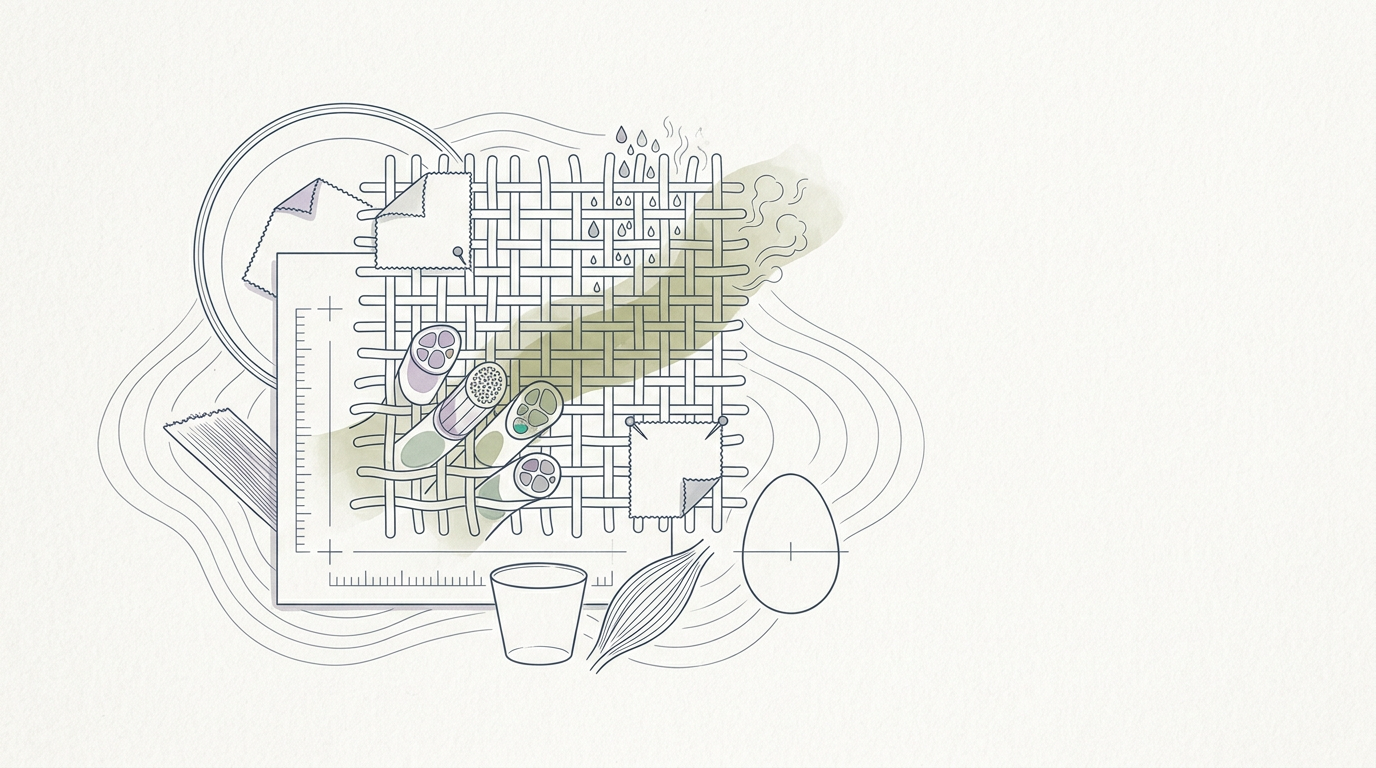 | I'm always looking at the interface between the body and its environment. So this review, judging activewear brands on textiles rather than campaigns, really got my attention. It’s less about branding and more about what's physically touching your skin.
Adidas, Alo Yoga, Athleta, Gymshark, Lululemon, Nike, On, Patagonia — all scored a 5/10 with the note 'use-with-care.' This consensus suggests a pervasive issue: materials that might be performance-oriented but aren't necessarily nervous system-friendly. Synthetic fabrics, often used for their moisture-wicking and stretch properties, can be irritating or lead to issues like microbial growth, affecting skin health and contributing to a low-grade inflammatory load. The body's largest organ, the skin, is in constant communication with the nervous system. What it touches matters. 'Use-with-care' implies a need for a deeper understanding of how these fabrics interact with our biological systems, rather than just how they perform during a workout. It’s a call to consider textile choices not just for aesthetics or performance, but for their direct impact on the body’s baseline state. | |
Adidas
use with care · 5/10
| |
Alo Yoga
use with care · 5/10
| |
Athleta
use with care · 5/10
| |
Gymshark
use with care · 5/10
| |
Lululemon
use with care · 5/10
| |
Nike
use with care · 5/10
| |
On
use with care · 5/10
| |
Patagonia
use with care · 5/10
| |
Read the full review
kokorology.com/product-reviews/activewear-brands-2026-alo-nike-adidas-lululemon-textile-review
|
|
Kokorology product
17
| A daily record of what your system is actually doing. Includes the complete hacks library. €25/mo. |  |
|
Evidence
18
| The studies underneath | Mechanism-based research supporting today's theme. | 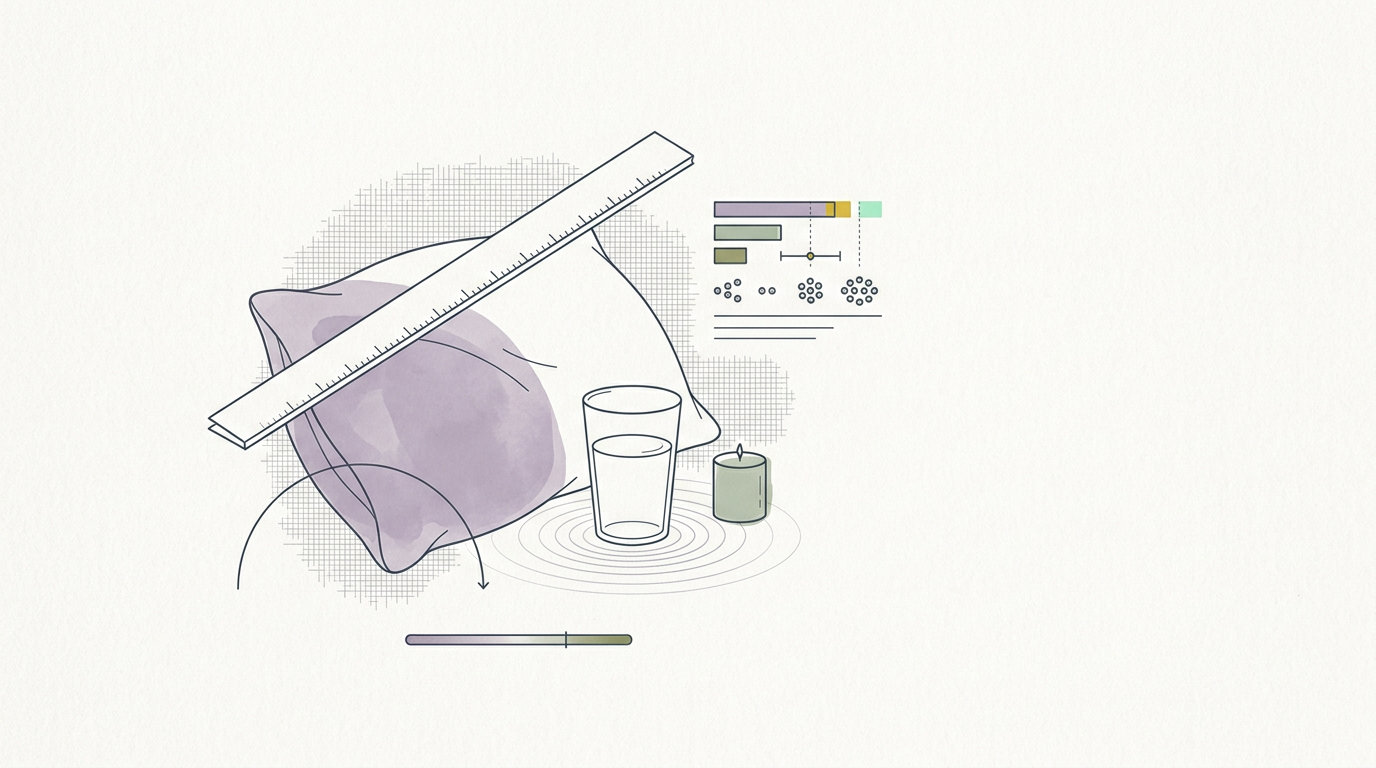 | |
Brief Structured Respiration Practices Enhance Mood and Reduce Physiological Arousal
Kokorology Research Library
Stanford research (0) on respiration found cyclic sighing improved mood and reduced respiratory rate, showing that longer exhalations increase parasympathetic tone via the baroreflex, thereby lengthening the vagal brake for rapid downregulation.
| |
A Gradient of Childhood Self-Control Predicts Health, Wealth, and Public Safety
Kokorology Research Library
The Dunedin study (1) found a gradient of childhood self-control predicted better adult outcomes in health, wealth, and public safety, even after controlling for IQ and environment. This indicates that self-regulation capacity in childhood profoundly shapes life trajectories, with adolescent 'snares' mediating some of the damage.
| |
Effect of Continued vs Withdrawn Semaglutide on Weight Maintenance (STEP 4)
Kokorology Research Library
The STEP 4 trial (6) showed that withdrawing semaglutide led to a 6.9% regain of weight within four weeks, with appetite and glycemic markers rebounding. This indicates that the medication actively manages physiological load and capacity, and these benefits reverse proportionally upon cessation.
| |
Chronic Psychological Stress Increases Transepidermal Water Loss and Impairs Skin Barrier Recovery
Kokorology Research Library
A human study (7) found chronic psychological stress increased transepidermal water loss by 37% and impaired skin barrier recovery, suppressing corneocyte maturation and ceramide synthesis. This demonstrates a direct mechanism where chronic stress (salivary cortisol) degrades the body's protective systems and increases its load.
|
|
The Practice
19
| Cold Water Face Plunge | A quick, potent nervous system reset. | 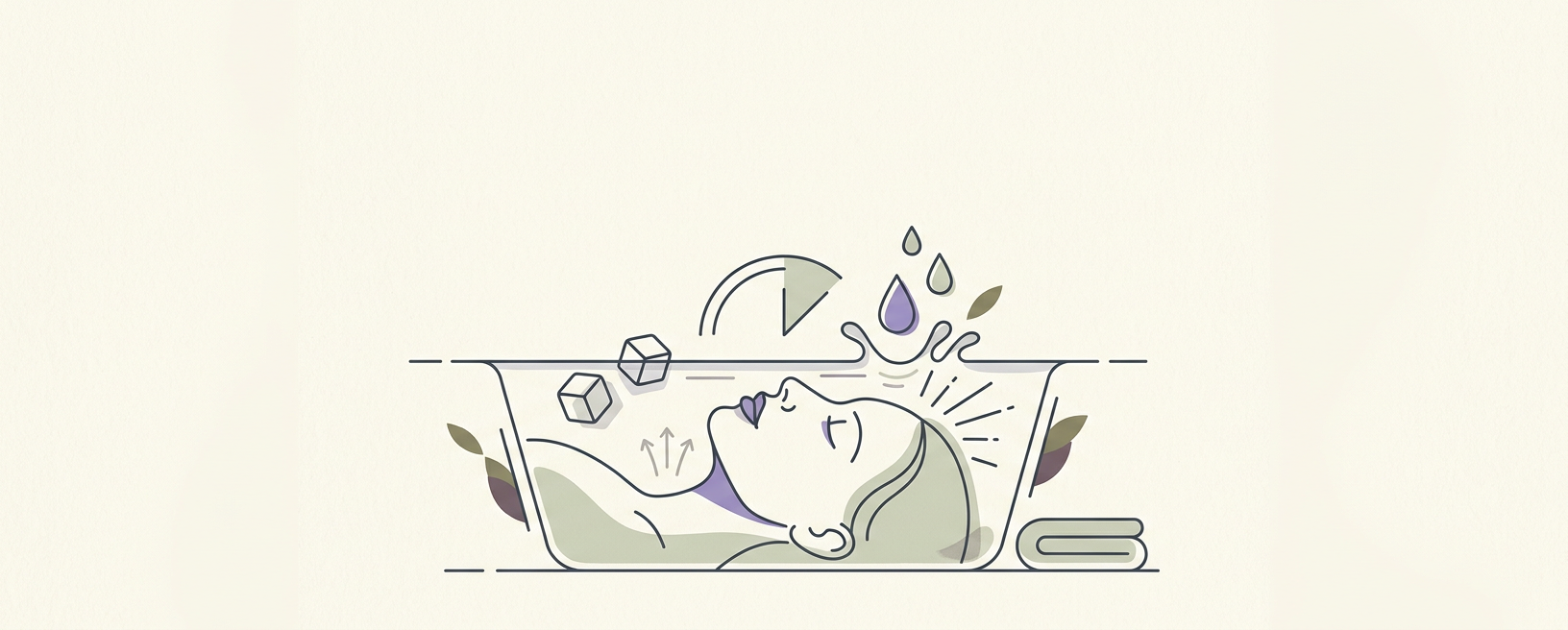 | Feeling sluggish or mentally foggy? This practice offers a quick physical reset by engaging the dive reflex, a powerful tool for regulating your nervous system.
- Locate a sink and fill it with cold tap water. Add a few ice cubes if desired for enhanced effect.
- Take a deep breath and hold it briefly.
- Submerge your face completely in the cold water for 10–30 seconds.
- Lift your face from the water and exhale slowly.
- Gently pat your face dry or allow it to air-dry.
- Notice the immediate shift in your felt sense of alertness and presence.
| |
Practise it in full
www.kokorology.com/r/yeo5g84
| |
Log this in your Nervous System Journal →
|
|
The Movement
20
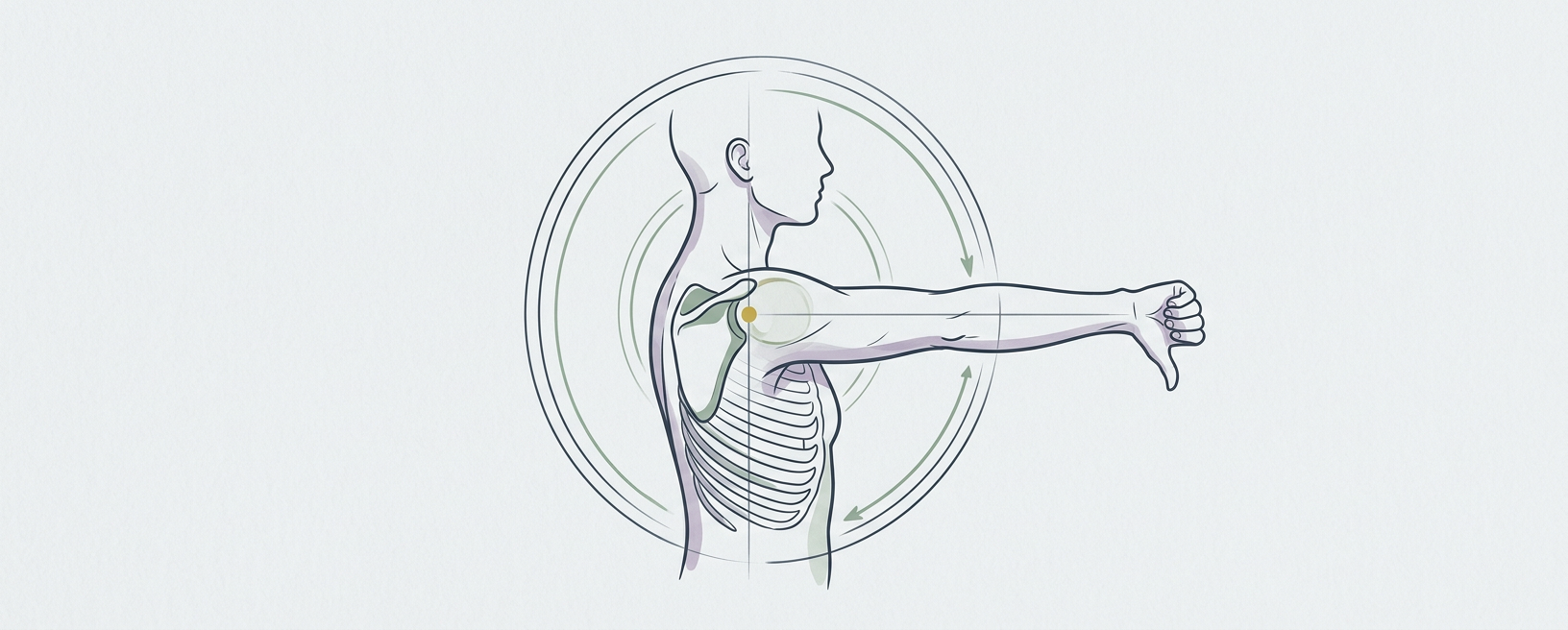
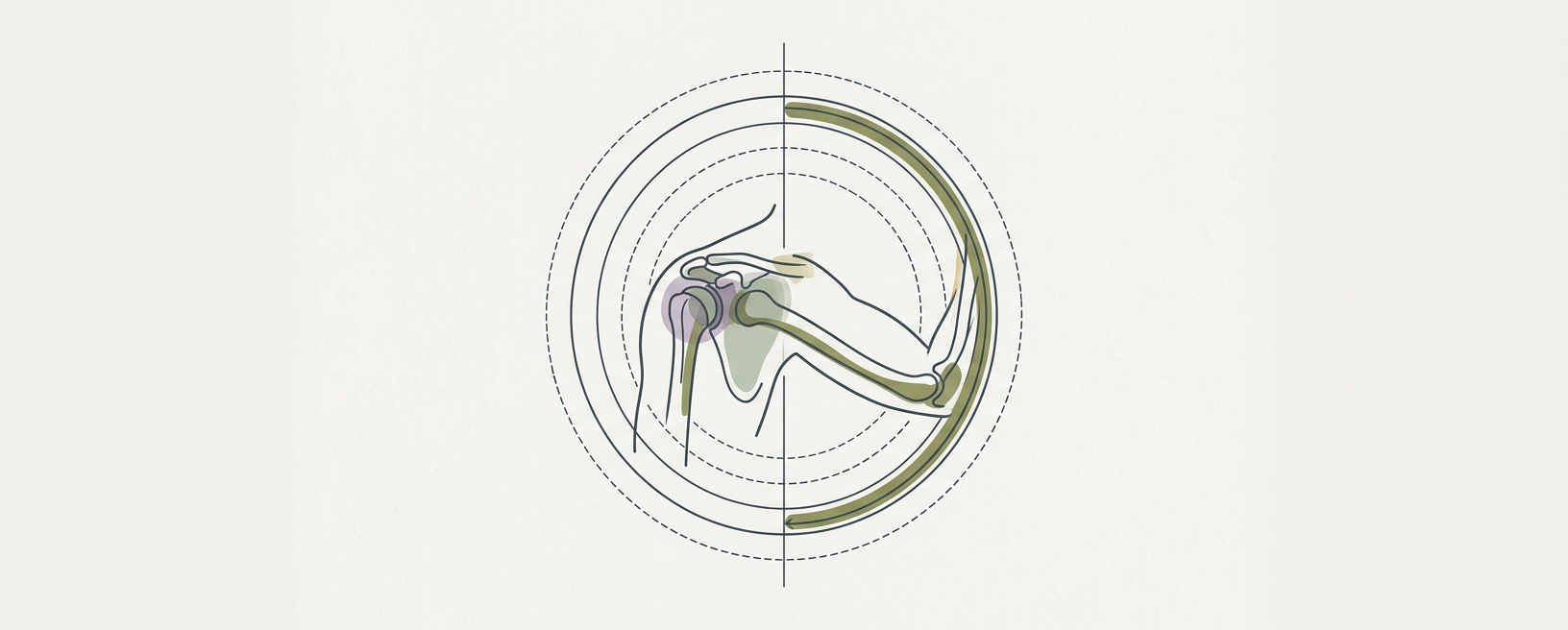
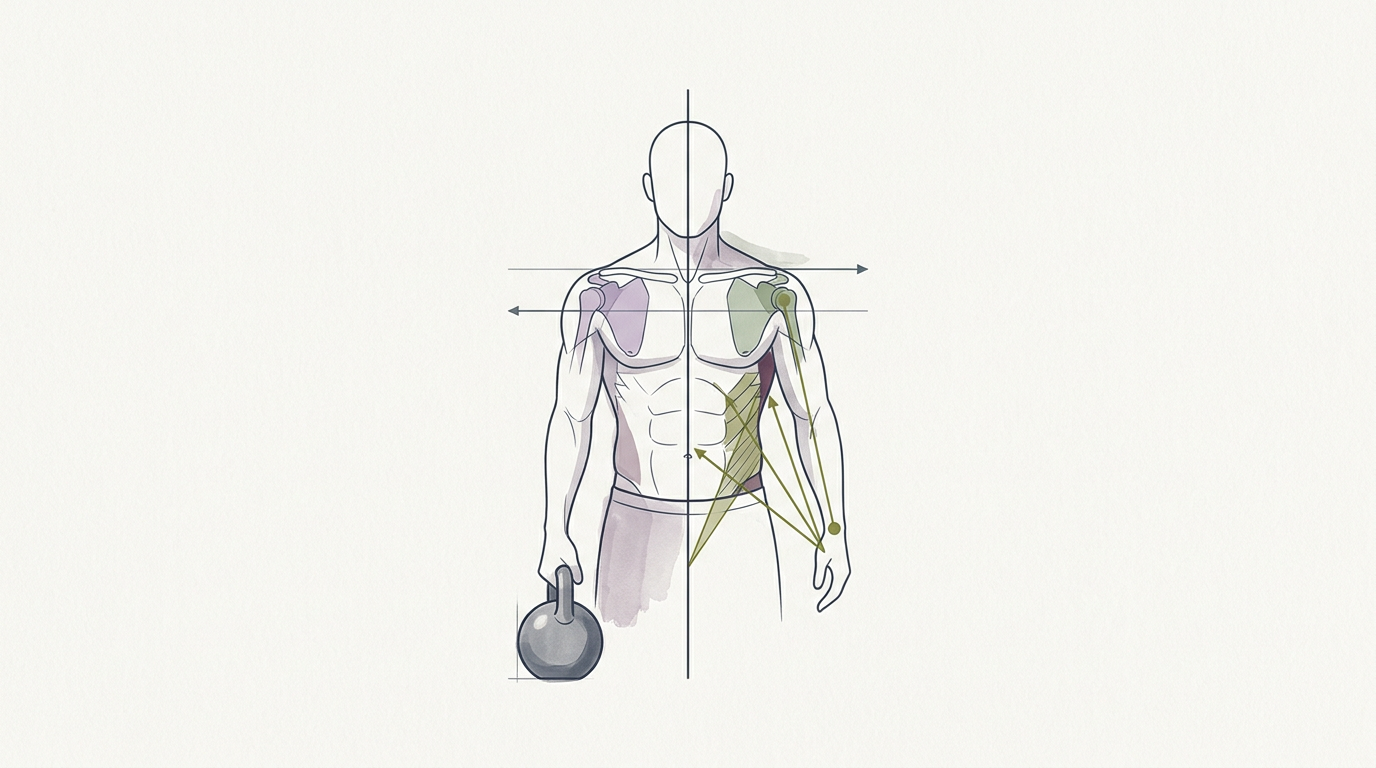
| Controlled Articular Rotation (CAR) of the Shoulder | Expand your shoulder’s range of motion with a mindful, controlled movement. | 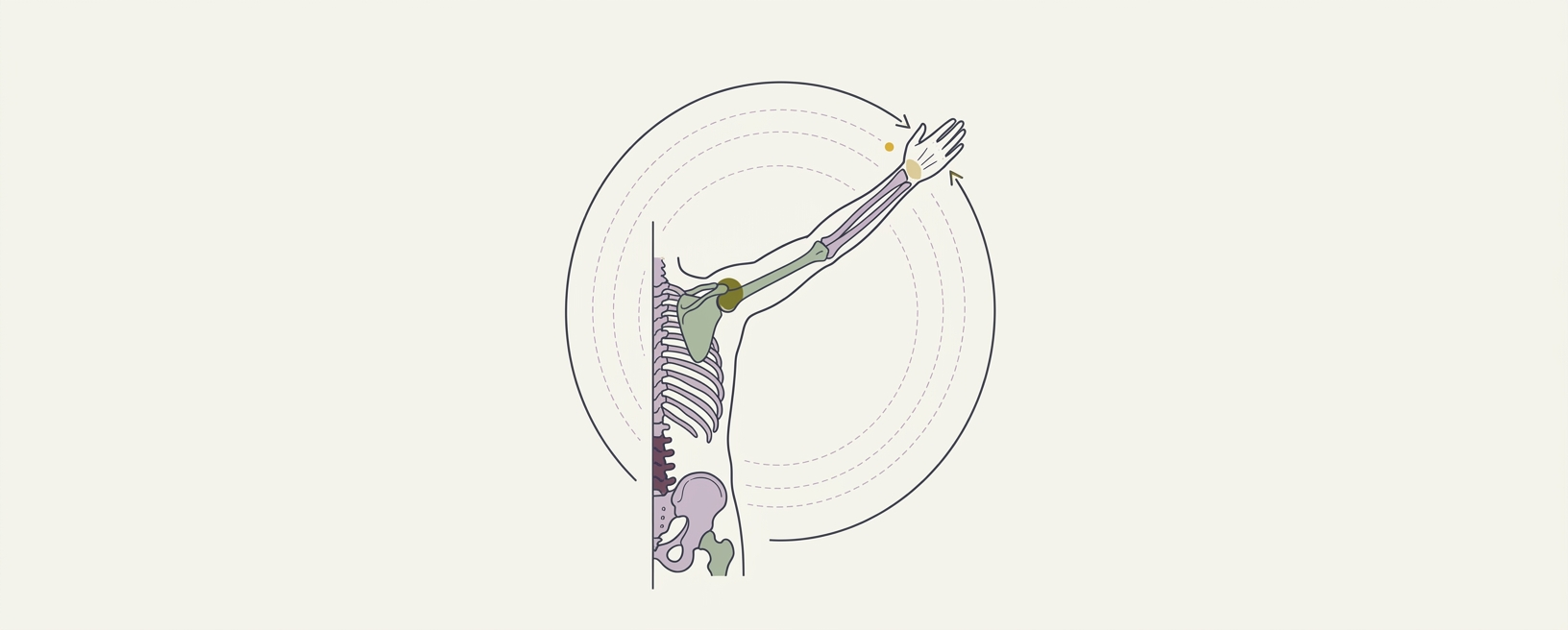 | This exercise is designed to actively take your shoulder joint through its maximum available range of motion, improving joint health and proprioception. Perform slowly and with precision.
- Preparation: Sit or stand tall, keeping your rib cage stacked over your pelvis. Use your non-working hand to gently press into your thigh or knee for stability. Your working arm begins hanging loosely at your side, palm facing in.
- Initiate Elevation: Keeping your bicep next to your ear, slowly lift your working arm forward and up, like you're painting a wall directly in front of you. Go only as high as you can without your shoulder shrugging towards your ear or your rib cage flaring forward.
- Rotate and Extend: At the top of the lift, slowly internally rotate your arm. Imagine turning your bicep to face backward and your thumb towards the floor. Continue rotating and extending the arm behind you, away from your body, maintaining that internal rotation.
- Lower and Sweep: Sweep your internally rotated arm down and back towards your hip, as if tracing a large arc. Maintain control and avoid any sudden drops. The goal is smooth, continuous movement.
| |
See the movement in full
www.kokorology.com/r/38gmi2d
| |
Log this in your Nervous System Journal →
|
|
The Routine
21
| Regulate Circadian Rhythm After Travel Shift | Gently realign your internal clock and soothe your nervous system after travel. | 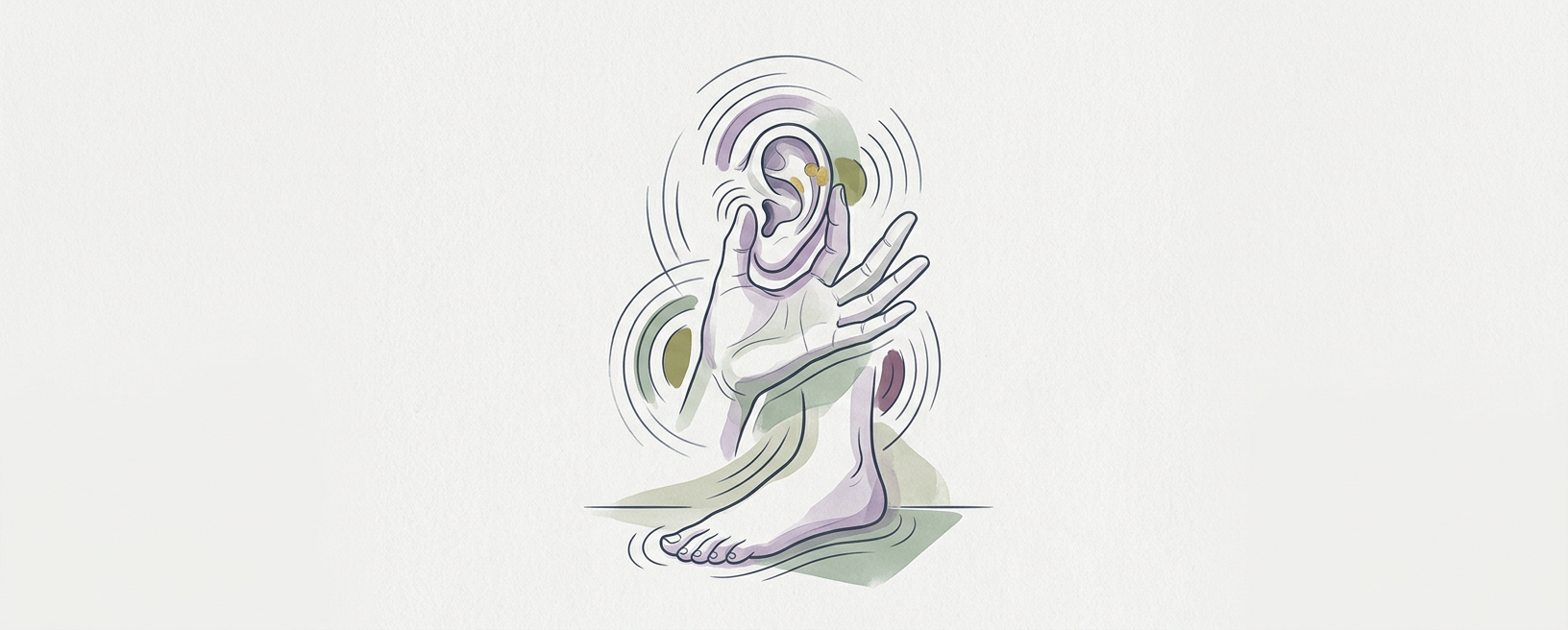 | Travel can significantly disrupt your circadian rhythm, leaving you feeling tired and wired. This routine focuses on gentle re-regulation to restore your baseline.
- Grounding Foot Roll: Stand with bare feet on a cool surface. Gently rock your weight from your heels to your toes, then side to side, for 2 minutes. Focus on the sensation of contact.
- Protein and Electrolyte Intake: Consume 3-5 oz of warm broth with a pinch of sea salt, or a small handful of plain almonds. These provide immediate electrolytes and amino acids without heavy digestion.
- Vagal Nerve Ear Massage: Using your thumb and forefinger, gently massage the outer rim of your ear, from the top helix down to the lobe, for 1 minute on each side. Breathe slowly and deeply.
- Open Palm to Mitigate Tension: Engage with today's daily hack: Open Palm to Mitigate Tension. Apply the technique to soften the facial muscles.
- Supported Recline: Lie supine on a firm surface, placing a rolled towel under your neck. Allow your eyes to close lightly. No need to sleep, just allow gravity to do its work for five minutes.
| |
Follow the routine in full
www.kokorology.com/r/epbaiqx
| |
Log this in your Nervous System Journal →
|
|
Kokorology product
22
| Every Anchor and every care package, without making your symptoms audition for separate subscriptions. |  |
|
Kokorology product
26
| Twenty packages, one per load: cortisol, sleep, recovery, hydration, peptides, cycle, immunity. |  |
|
Kokorology product
30
| Level 1 through certification. The mechanism, then the practice, then the proof you can teach it. |  |
|
Kokorology product
34
| The studies underneath every claim on this site, in plain English, with the numbers left in. |  |
|
Kokorology product
38
| One eight-minute repair a day. Free to read; included with the Nervous System Journal. |  |
|
Kokorology product
42
| For teams whose output keeps outrunning their recovery. Capacity, measured — not vibes. |  |
|
From the house
43
| Two prompts in the morning, three at night, and the whole hacks library alongside them. €25/mo, cancel whenever. |  |
|
Correspondence
44
| Until Next Time |  | This week's edition has been a deep dive into capacity and load, and it's clear the conversation isn't going anywhere. Your body is always giving you feedback, and my job at Kokorology is to help you read it correctly, not just white-knuckle through the static. Take some time this week to check in with your own baseline. What feels like a steady hum, and what’s buzzing a bit too loud? Remember, the Nervous System Journal is always there to log those subtle shifts. Write it down, make a note, and let's keep building that awareness. | |
The Nervous System Journal — €25/mo
Two prompts in the morning, three at night. Includes the full hacks library.
| |
All Access — every anchor and care package
The whole system, one pass.
| |
Anchor protocols — €40 each
One protocol for the season you are actually in.
|
|