Daily routine
Mitigate GLP-1 Nausea Through Sustained Somatic Pause
When a GLP-1 nausea wave hits, shift baseline visceral feedback and promote gentle digestive stillness.
When a GLP-1 nausea wave hits, shift baseline visceral feedback and promote gentle digestive stillness.
GLP-1 nausea wave · upon onset of nausea wave · 12 minutes
Why it works
The gut-brain axis is a two-way street; nausea signals ascend via vagal afferents. This routine focuses on sustained, gentle pressure and subtle movement to modulate visceral afferent input, thereby dampening sympathetic overload often co-occurring with nausea. The specific sequence aims to redirect attentional focus from interoceptive threat signals, allowing the parasympathetic system a chance to re-establish digestive rhythm. Gentle pressure on the diaphragm and intentional oral hydration can shift mechanoreceptor feedback, subtly recalibrating the vagal tone.
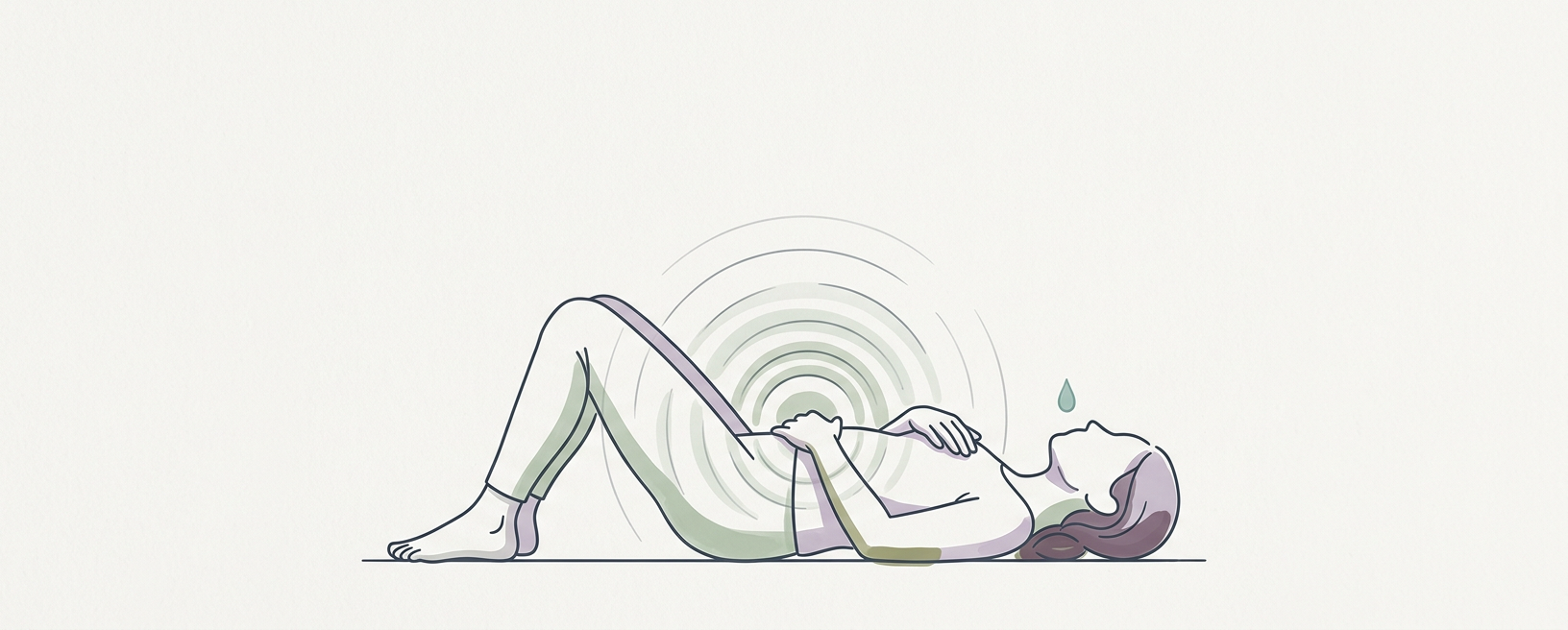
Semi-Supine Stillness — Lie on your back with knees bent, feet flat, hip-width apart. Place a thin pillow or rolled towel under your head and another under your knees. Rest your hands on your lower abdomen. Soften your gaze. Maintain this position for 3 minutes, focusing on the gentle rise and fall of your belly.
Sip Electrolyte Water — Slowly take 3-4 sips of water with a pinch of electrolyte salts. Focus on the sensation of the liquid moving down your esophagus. Pause between sips. Hydration can alleviate some physiological components of nausea.
Diaphragmatic Anchor — Maintaining the semi-supine position, place one hand on your sternum and the other just below your navel. As you inhale slowly through your nose, feel your lower hand rise gently. Exhale slowly through pursed lips, feeling both hands descend. Repeat for 3 minutes, keeping movements minimal.
Deep Squat Hold for Visceral Repositioning — Engage with the day's targeted somatic input. This brief, specific movement can help shift internal pressures and redirect interoceptive focus. See how it integrates with your current state: Deep Squat Hold for Visceral Repositioning.
Supported Recline — Return to the semi-supine position. Close your eyes. Focus on the feeling of support beneath you. Allow your breath to return to its natural rhythm, without effort. Stay for 3 minutes, simply observing the quiet.