EDITION 3 |
The Nervous State
I
|
Why you crash at 3pm
It isn't a discipline problem. It's fuel and load — and this week's fix takes ten minutes.
|  |
|
A note for this week
II
| A note for this week |  | Three in the afternoon is an oddly specific time to start questioning your entire competence. The morning went reasonably well. The same task now seems to require a committee. I wanted this edition to look beneath the productivity advice and ask what an afternoon loss of clarity might actually involve.
The midlife brain-fog piece brings energy supply into the discussion. That's a useful angle, provided it doesn't become an explanation for every tired afternoon. Sleep, meals, sustained demands and health all deserve consideration; a clock time isn't a diagnosis. Even the hair-density review raises a related editorial question: are we treating a visible change while overlooking what may be contributing to it?
My weekly reading is how I keep revising the picture. Publishing it lets me share the useful connections without pretending they're the whole picture. The thought I'm taking from this edition is fairly practical: before judging someone's output, ask what conditions they're producing it under. That includes your own. The afternoon version of you deserves more than a motivational reprimand.
— Sabin |
|
The Masthead
III
| Kokorology | | What Kokorology means
Kokoro is Japanese for the alignment of heart, mind, body and soul. The -logy is the ambition: that wellness stops being a lifestyle aisle and becomes a school subject.
Who writes this
I'm Sabin — founder, builder and writer, working across wellness, AI, design and independent media. Kokorology brings my reading on the nervous system together with practices, protocols and tools for everyday life.
I update my understanding as I read. This magazine is where I share the threads worth following: research, daily reads, movement, routines and the questions behind them. | |
More about Kokorology and Sabin
kokorology.com/about
|
|
Contents
V
| Week of Monday 27 July |  | |
A note for this week
From Sabin
| |
The Masthead
Kokorology and who writes this
| |
Keep in touch
The conversation continues
| |
The Read
Why you crash at 3pm
| |
The Week in Briefs
6 daily reads, one page each.
| |
Signals
What's actually moving in the field this week and why it matters to your body.
| |
The Verdict
Telogenesis Hair-Density System
| |
Evidence
Under the hood: what actually works and why.
| |
The Practice
Carry Weight for Grounding and Balance
| |
The Movement
Single Leg Balance With Head Turns
| |
The Routine
Gentle Nausea Reset
| |
Also this week
45 pieces recapped.
| |
Correspondence
Where to go next.
|
|
The Read
VI
| Brain fog in midlife is an energy supply problem | Not decline, not discipline. Your brain's glucose delivery gets worse before anything else does — and that part is negotiable. | The 3pm slump has an entire industry built on top of it. Better sleep hygiene, less screen time, more willpower, a supplement with a Scandinavian name on the label. All of that sits at the edge of the problem. None of it explains why the crash arrives at roughly the same hour every day, why it gets worse in your forties, or why it lands hardest on the one task that needed your best thinking.
Here is what is actually going on. Your brain runs on a near-constant glucose supply and stores almost none of its own, so it depends on delivery rather than reserves. From the early forties onward, that delivery gets less reliable. Insulin sensitivity drifts down. Small-vessel blood flow drifts down with it. The transporters that carry glucose across the blood-brain barrier get slower to respond. The tank is not empty. The pipe is narrower.
What the imaging shows
Lisa Mosconi's work at Weill Cornell captured this directly. Brain glucose uptake declines measurably across the menopause transition, years before anyone reports a memory problem. The decline tracks oestrogen, which does considerably more than reproductive work — it helps regulate glucose transport and mitochondrial output inside neurons. When oestrogen falls, the delivery system loses part of its management layer.
Men hear this story far less often, which does them no favours. The same decline happens to them, more slowly and with a different driver. Testosterone falls by roughly one per cent a year from the late thirties, visceral fat accumulates, insulin sensitivity follows, and cerebral blood flow drifts down behind it. Gentler curve, same destination. Most men experience it as an afternoon that costs two coffees and returns one usable hour.
The second fuel line
The brain has a backup supply, and this is the part almost nobody gets told. Ketones cross the blood-brain barrier by a separate transport route that ageing leaves largely intact. Stephen Cunnane's group in Sherbrooke has shown that where glucose uptake is impaired, ketone uptake often is not — and modest ketone availability improves cognitive performance in precisely the group whose glucose numbers look worst.
So the working target has two sides. Keep a small, steady ketone supply available, and keep glucose spikes shallow. Those two things are connected. A large spike triggers a large insulin response, a large insulin response switches ketone production off, and you are back to one fuel line that no longer performs. This is also where the money gets spent badly. Some people fast aggressively for the effect. Some drink more caffeine and call it a strategy. Some buy exogenous ketone esters at absurd prices. Others simply accept the fog as the cost of being over forty. The ones who actually shift the line do the dull version: keep ketones modestly up, keep spikes modestly down, and skip the mortgage.
What to do
- Eat protein first, and enough of it. Aim for 30g at breakfast. Protein blunts the glucose curve of whatever follows it, and it is also the intervention most people over forty are quietly under-doing.
- Leave a 12-hour overnight gap. Dinner at eight, breakfast at eight. Long enough for a small ketone contribution to appear, short enough that you are not running an endurance event.
- Walk ten minutes after your largest meal. Working muscle clears glucose without insulin. Ten minutes is enough to visibly flatten the post-meal curve.
- Put your hardest thinking before 1pm. Delivery is best earlier in the day. Fighting that with scheduling is expensive and unnecessary.
- Guard the last 90 minutes before sleep. Tomorrow's glucose control is largely decided tonight, by sleep quality more than by breakfast.
- Raise ketones without wrecking your lipids. You do not need butter coffee. Olive oil, nuts, oily fish, avocado and a spoon of MCT oil get you there on mostly unsaturated fat, so LDL stays where your doctor wants it. Keep coffee to the morning. Pushing caffeine into the afternoon borrows tomorrow's energy at a poor rate.
The seven-day version: do items 1 and 2 only. Rate your 3pm energy out of ten each evening. By day five the line usually moves, and five of your own data points will convince you faster than anything I can write here. | |
The tank is not empty. The pipe is narrower.
| |
Read the original
www.kokorology.com/r/zarn2mn
|
|
The Week in Briefs
VII
| Brain Fog isn't a Flaw, it's a System Alert | The cognitive wall you hit post-meeting? It's a signal, not a personal failing. | 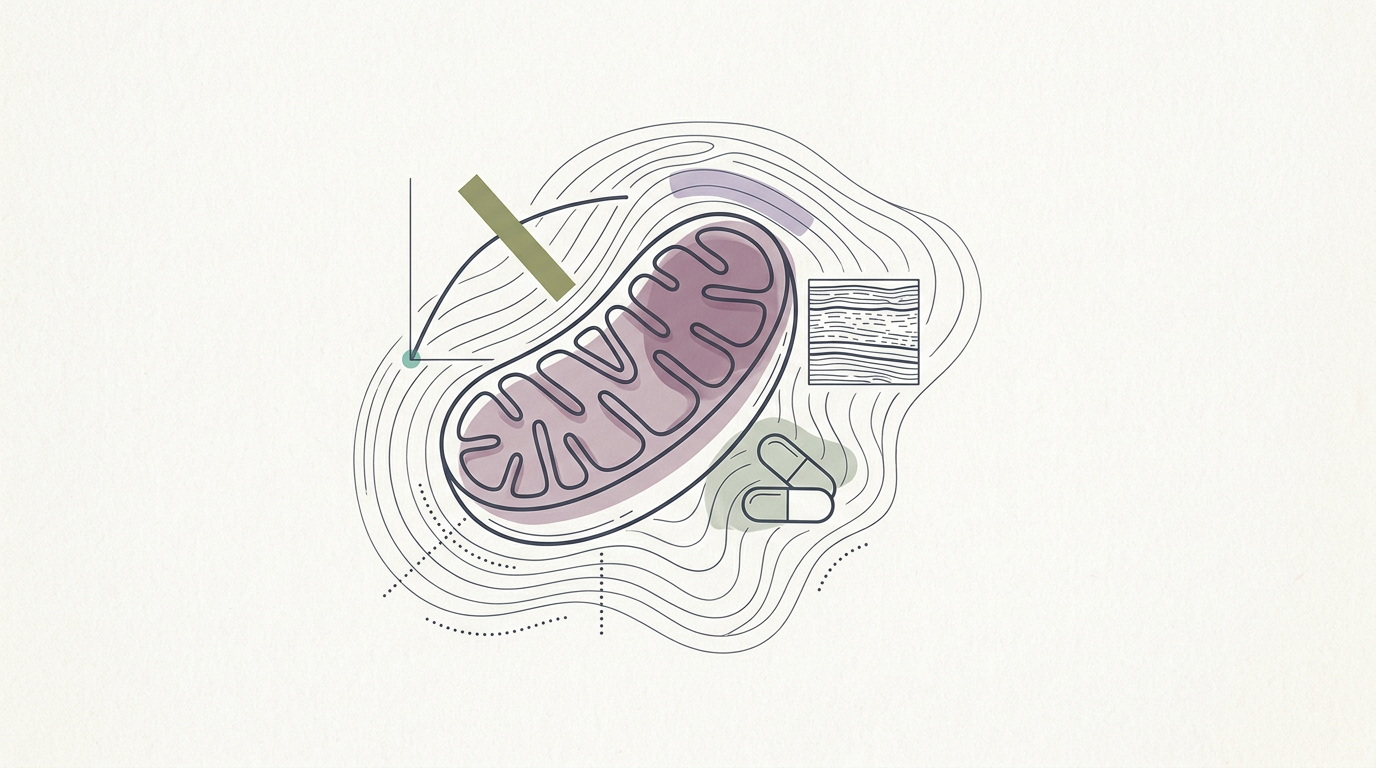 | When you hit a cognitive wall after a particularly demanding meeting, it's easy to internalize it as a personal failing or a sign you're not cut out for the work. But this isn't a user error; it's your system telling you it's been running at peak capacity. Your brain, while remarkable, has finite resources. Prolonged focus, context-switching (17), and managing complex social dynamics all consume significant metabolic energy. When that energy is depleted, the 'brain fog' descends as a physiological emergency brake (21). It's a signal that your nervous system needs a pause to clear metabolic waste and restore its energy currency. Ignoring it only compounds the problem, pushing you deeper into depletion. Understanding this allows you to respond with recovery, not self-criticism. | |
Brain fog is a physiological signal.
| |
Meetings are cognitively taxing.
| |
Prioritize recovery after intense focus.
| |
Read the full daily read
www.kokorology.com/r/dz9tenx
|
|
The Week in Briefs
VIII
| Your Trauma Isn't 'Messiness', It's Hoarding | Hoarding isn't just clutter; it's a complex response to trauma and anxiety. |  | The common perception of hoarding as mere messiness completely misses the point. New research and personal testimonies highlight that hoarding is deeply rooted in trauma and anxiety (19). It's not a character flaw, but a complex nervous system response. When individuals experience profound emotional distress or trauma, the brain seeks ways to establish a sense of control and safety. Accumulating objects can serve as a physical manifestation of this internal coping mechanism, a tangible attempt to fill voids or create boundaries. This perspective shifts the focus from superficial decluttering to therapeutic interventions that address the underlying psychological pain. Understanding this connection is crucial for effective support, moving beyond judgment to true compassion and targeted care. | |
Hoarding is a trauma response.
| |
It's about psychological pain, not clutter.
| |
Interventions need to be therapeutic.
| |
Read the full daily read
www.kokorology.com/r/x8p5koc
|
|
The Week in Briefs
IX
| Your Muscle Mass Needs More Protein After 40 | Standard protein advice is quietly dismantling your muscle; you need more. |  | The official protein advice for women after 40 is a quiet disaster. As we age, our bodies develop 'anabolic resistance,' meaning it takes more protein to trigger muscle protein synthesis (4). The standard recommendations often don't account for this, effectively giving a budget for slowly dismantling your own muscle mass. This isn't just about looking toned; muscle mass is critical for metabolic health, bone density, and overall resilience. Losing it accelerates the process of becoming fragile and metabolically inflexible. To counteract this, you need to increase your protein intake significantly, aiming for 1.2-1.6 grams per kilogram of body weight, distributed throughout the day. It's not a health goal; it's a foundational structural requirement to keep your body robust and responsive. | |
Anabolic resistance increases with age.
| |
Standard protein advice is insufficient.
| |
Higher protein intake protects muscle.
| |
Read the full daily read
www.kokorology.com/r/ucvy2ho
|
|
The Week in Briefs
X
| Midlife Brain Fog is a Fuel Problem, Not a Flaw | The brain fog of menopause isn't memory loss; it's your brain switching fuel sources. |  | That frustrating midlife brain fog – the word-finding struggles, the feeling of walking through molasses – isn't your memory failing. It's the metabolic static of your brain switching to a backup generator (10). As estrogen levels decline during perimenopause and menopause, your brain's ability to efficiently utilize its preferred fuel, glucose, diminishes. This forces a metabolic pivot, where the brain starts relying more on ketones for energy. This transition period, and the brain's adjustment to a new fuel source, manifests as cognitive sluggishness. It's a physiological restructuring, not a cognitive collapse. Researchers like Dr. Lisa Mosconi have shown how these hormonal shifts directly impact brain energy metabolism, highlighting the crucial link between reproductive health and long-term brain function (0, 45). Supporting metabolic flexibility through diet and lifestyle can help smooth this transition, turning a perceived failure into an adaptive strategy. | |
Brain fog is metabolic, not memory loss.
| |
Estrogen decline affects brain fuel use.
| |
Brain switches to alternative energy sources.
| |
Read the full daily read
www.kokorology.com/r/x8bzvz9
|
|
The Week in Briefs
XI
| AI Reliance Might Weaken Your Brain | Over-relying on AI for tasks could be detrimental to your long-term cognitive health. |  | Your shiny new AI assistant isn't just filtering the easy work; it's potentially turning your brain into a couch potato (9, 47). The concept is called cognitive offloading. If you consistently rely on AI to handle problem-solving, information recall, or complex analysis, those neural pathways in your own brain get less of a workout. It's the 'use it or lose it' principle for your gray matter. While AI offers immediate efficiency gains, the long-term cost could be reduced cognitive function and resilience. Your brain needs to grapple with challenges to stay sharp. If AI constantly provides the answers, your brain stops formulating the questions, or the connections needed to solve them. This isn't just a concern for clinicians; anyone integrating AI heavily into their workflow should consider the balance between efficiency and maintaining their own cognitive edge. It's a real tax on your metabolic capacity for thinking. | |
AI use can reduce brain activity.
| |
Cognitive offloading weakens neural pathways.
| |
Balance AI use with mental effort.
| |
Read the full daily read
www.kokorology.com/r/mj6svod
|
|
The Week in Briefs
XII
| Post-Meal Coma? Not Digestion, It's an Emergency Brake. | That heavy post-meal fatigue isn't 'rest and digest'; it's your body pulling an emergency brake. | | We've all been there: the heavy meal, followed by that inescapable urge to nap. We call it 'rest and digest,' or a 'food coma,' thinking it's a natural part of a satisfied meal. But here's the contrarian take: that post-meal slump isn't your body happily processing nutrients. It's a physiological emergency brake (3). When you dump a large quantity of rapidly absorbable glucose into your system, your nervous system registers it as an acute stressor. The body's immediate response is to pull resources, shift into an emergency state, and try to manage the flood. This can manifest as extreme fatigue, brain fog, and a general feeling of shutdown. It's a clear signal that your metabolic systems are being overwhelmed. The vagus nerve, often associated with 'rest and digest,' actually plays a complex role in this, sometimes initiating a more drastic down-regulation in response to metabolic chaos. This isn't efficient digestion; it's damage control. Consider meal composition, portion sizes, and timing to avoid these metabolic emergencies. | |
Food coma is a stress response.
| |
It's about glucose overload, not digestion.
| |
Adjust meals to prevent metabolic shutdowns.
| |
Read the full daily read
www.kokorology.com/r/49dkm6e
|
|
Signals
13
| What moved, and what it means | What's actually moving in the field this week and why it matters to your body. |  | |
Periodontitis Linked to Joint Pain, New Research Finds
Mindbodygreen · 01/08/2026
Inflammation in your mouth isn't isolated; it can signal systemic issues like joint pain. Your dentist is part of your systemic health team.
| |
New Breast Cancer Research Highlights Magnesium, Zinc
Mindbodygreen · 01/08/2026
Magnesium and Zinc are more than basic supplements; they're critical for cellular regulation, immune function, and hormone balance, affecting everything from DNA repair to breast cancer risk.
| |
Raide's LF 5L Vest Aims to Streamline Trail Running Gear
Outside Online · 01/08/2026
Performance gear isn't just about speed; it's about minimizing physical and sensory burden to keep your nervous system in a parasympathetic state longer, extending endurance.
| |
Midlife Sleep Change Is More Than Just Fewer Hours
Mindbodygreen · 01/08/2026
Midlife sleep changes aren't just about fewer hours but less REM and deep sleep, impacting memory and emotional regulation due to hormonal shifts. Focus on sleep quality, not just quantity.
| |
One Breakfast Swap May Lower Diabetes Risk
Mindbodygreen · 01/08/2026
A simple breakfast swap—refined carbs for healthy fats and protein—can buffer genetic predispositions for type 2 diabetes by stabilizing blood sugar and reducing metabolic stress.
| |
Cancer Survivors Face Higher Dementia Risk
Mindbodygreen · 01/08/2026
Cancer survival can come with a hidden cost: a 2.3x higher dementia risk. Chronic inflammation and oxidative stress post-treatment persistently attack neural pathways.
| |
Magnesium Might Be Your Brain's Best Stress Buffer
Mindbodygreen · 01/08/2026
Magnesium is a silent powerhouse, involved in over 300 enzyme reactions, many crucial for stress response and GABA synthesis. It’s a key buffer for your nervous system.
| |
Prior authorization appeals for health claims are a beast, expert says
Healio - Psychiatry & Mental Health · 01/08/2026
Insurance prior authorizations aren't just paperwork; they create a chronic stress state for patients and providers, delaying care and impacting mental well-being and outcomes.
|
|
Kokorology product
14
| Choose the load-bearing problem first. Each protocol is €40; stacking more lowers the price. |  |
|
The Verdict
15
| Telogenesis Hair-Density System | A direct-to-consumer attempt to treat hair loss. Does it move the needle? | 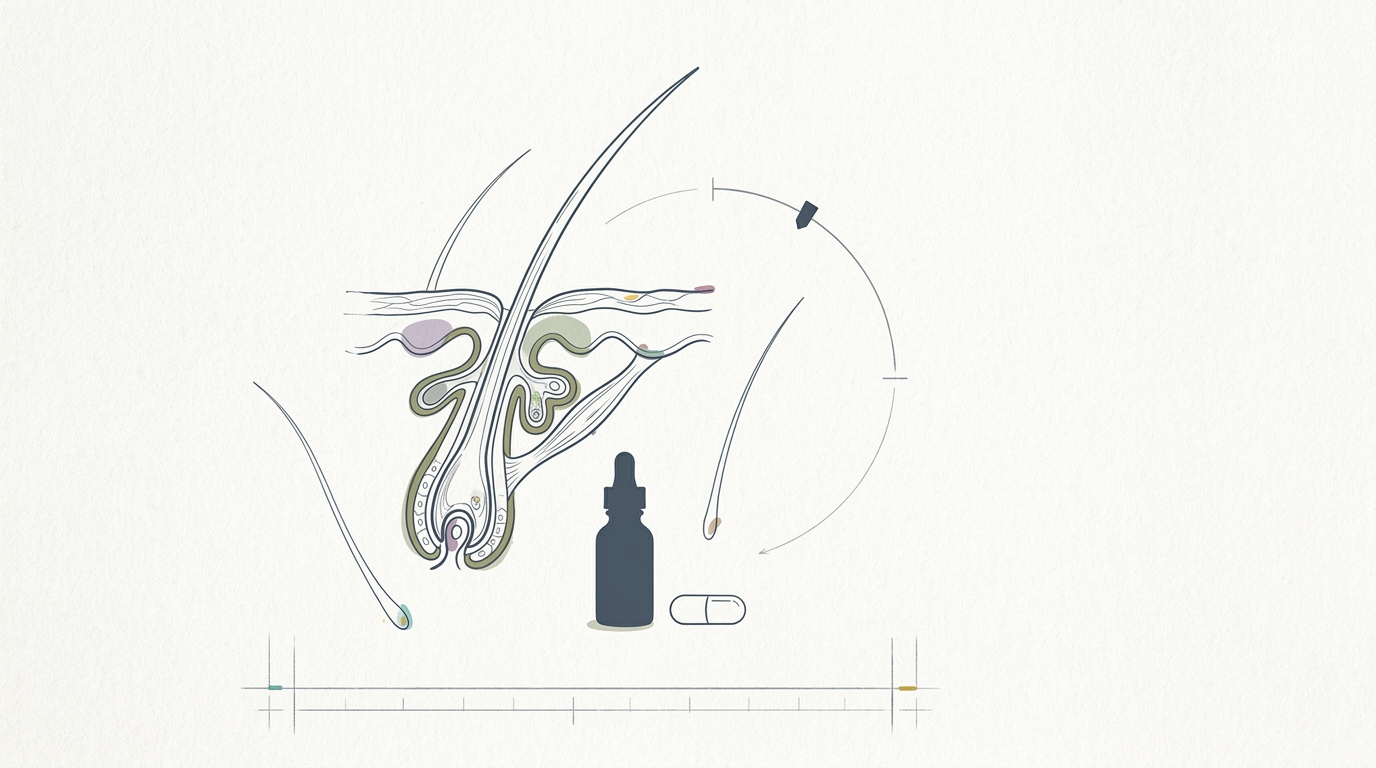 | Telogenesis markets itself as a sophisticated solution for hair loss and telogen effluvium, promising density and regrowth. The science on hair cycling is complex, and for telogen effluvium in particular, it's often a symptom of an underlying systemic issue (hormonal imbalances, significant stress, nutrient deficiencies) rather than a standalone problem. A topical system, no matter how 'advanced,' is unlikely to be the primary structural solution if your nervous system is in chronic overdrive or your nutritional architecture is crumbling. It might offer some surface-level support, but it's not addressing the load-bearing walls. Without fixing the root cause, you're essentially painting over cracks. I'd use this as a 'use-with-care' 4/10: not harmful, but also unlikely to deliver on its promises without a comprehensive internal audit of your stress, diet, and hormones. | |
Telogenesis
use with care · 4/10
| |
Read the full review
kokorology.com/product-reviews/telogenesis-review
|
|
Kokorology product
16
| A daily record of what your system is actually doing. Includes the complete hacks library. |  |
|
Evidence
17
| The studies underneath | Under the hood: what actually works and why. |  | |
Brief Structured Respiration Practices Enhance Mood and Reduce Physiological Arousal
Kokorology Research Library
Five minutes of cyclic sighing daily significantly improves mood and reduces respiratory rate, working through the vagal brake to lengthen exhalations and increase parasympathetic tone.
| |
A Gradient of Childhood Self-Control Predicts Health, Wealth, and Public Safety
Kokorology Research Library
Higher childhood self-control predicts better adult outcomes in health, wealth, and public safety, a gradient effect even after controlling for IQ, social class, and shared family environment/genes.
| |
Semaglutide and Cardiovascular Outcomes in Obesity Without Diabetes (SELECT)
Kokorology Research Library
Semaglutide reduced major adverse cardiovascular events by 20% in non-diabetic individuals with pre-existing CVD and obesity, showing early benefits independent of weight loss due to direct vascular and anti-inflammatory effects.
| |
GLP-1 Receptor Agonists and Kidney Outcomes: Meta-analysis of Cardiovascular Outcome Trials
Kokorology Research Library
GLP-1 receptor agonists consistently improve kidney outcomes, primarily by reducing albuminuria and stabilizing eGFR, offering significant renoprotective benefits across various drug types.
|
|
The Practice
18
| Carry Weight for Grounding and Balance | When your mind feels scattered, a physical anchor can re-establish your presence. |  | When you feel unmoored or mentally scattered, a simple physical anchor can redirect your attention and physiological state. This practice offers a direct way to engage your body's innate sense of stability.
- Select a common object with some heft, like a filled water bottle, a small book, or a bag of groceries. The key is manageable weight, not strain.
- Hold the object firmly in one hand, allowing your arm to hang naturally by your side. Notice the sensation of the weight pulling gently downwards.
- Take a slow, even breath, feeling the contact points of your feet on the floor.
- Walk a short distance, perhaps across a room or down a hallway. Focus on the subtle shifts in your balance and how your body compensates for the added load.
- After a minute or two, switch the object to your other hand and repeat the process.
- Continue for 5-8 minutes, alternating hands, noticing the grounded sensation in your feet and core.
Afterwards, observe any subtle shifts in your body's sense of presence or mental clarity. This practice offers a direct, low-effort repair for a sense of physical and mental drift. Find more grounding practices in the full Anchors program. | |
Practise it in full
www.kokorology.com/r/tah63we
| |
Log this in your Nervous System Journal →
|
|
The Movement
19
| Single Leg Balance With Head Turns | Improve stability and proprioception by challenging your balance with head movements. |  | Your balance system isn't just about your feet; it's a complex interplay between your inner ear, eyes, and proprioceptors. Adding head turns to a single-leg stance deliberately challenges this system, forcing it to recalibrate and strengthen.
- Stand tall with feet hip-width apart, gaze forward. Distribute your weight evenly across both feet.
- Shift weight to your right leg, gently lifting your left foot off the ground. Aim to keep your pelvis level. You can place the toes of your left foot on the ground initially for support if needed.
- Find your balance on the standing leg. Notice the small oscillations and muscular engagement in your foot, ankle, and hip.
- Once stable, slowly turn your head to the right, keeping your gaze soft. Then, slowly turn your head to the left, as if looking over your shoulder. Coordinate the head turns with a smooth, controlled rhythm, not jerking.
- Return your head to center and gently place your lifted foot back down. Take a brief pause before switching sides.
- Repeat on the other side, lifting your right foot and turning your head right and left while balancing on your left leg.
This movement isn't just for athletes; it's about maintaining a robust base for your nervous system, improving spatial awareness and reducing the risk of falls. Do 2-3 sets of 5-8 repetitions per side daily. | |
See the movement in full
www.kokorology.com/r/obu5uhg
| |
Log this in your Nervous System Journal →
|
|
The Routine
20
| Gentle Nausea Reset | A sequence to gently calm a queasy stomach and re-regulate your system. |  | Nausea is a clear signal that your nervous system is in distress, often tied to vagal activation or metabolic imbalance. This routine focuses on gentle, somatic actions to calm the internal storm, offering a pathway back to regulation without harsh interventions.
- Facial Softening and Jaw Release — Gently massage your temples and around your jaw hinge with fingertips. Focus on releasing any clenching or tension. Breathe slowly through your nose for 2 minutes.
- Supine Diaphragmatic Breathing — Lie on your back with knees bent, feet flat. Place one hand on your chest and one on your abdomen. Inhale slowly, allowing your belly to rise, then exhale completely, feeling your belly fall. Repeat for 5 minutes, focusing on smooth, deep breaths.
- Today's Daily Hack — Engage with [Today's Daily Hack](/practices/today-s-daily-hack). Integrate this short practice to further support your system.
- Slow Electrolyte Sip — Take small, deliberate sips of water with a pinch of sea salt or an unflavored electrolyte powder. Hydrate slowly, noticing the sensation in your mouth and throat for 2 minutes.
This sequence leverages the direct connection between facial tension, breath, and gut state. By easing physical tension and modulating your breath, you signal safety to your vagus nerve, helping to quiet the nausea. | |
Follow the routine in full
www.kokorology.com/r/dnjzkg5
| |
Log this in your Nervous System Journal →
|
|
Kokorology product
21
| Every Anchor and every care package, without making your symptoms audition for separate subscriptions. |  |
|
From the house
26
| Two prompts in the morning, three at night, and the whole hacks library alongside them. €25/mo — the cheapest structural renovation on this list. |  |
|
Correspondence
27
| Closing Thoughts |  | Another week, and it's clear: your body's signals are never random. Whether it's the quiet tax of cognitive offloading to AI or the metabolic static of midlife fuel-switching, every 'issue' is a structural readout. Stop blaming yourself and start understanding the mechanics. Use the Nervous System Journal to track your insights, and I'll meet you back here next week, ready to challenge another industry standard.
Bjs, Sabin. | |
The Nervous System Journal — €25/mo
Two prompts in the morning, three at night. Includes the full hacks library.
| |
All Access — every anchor and care package
The whole system, one pass.
| |
Anchor protocols — €40 each
One protocol for the season you are actually in.
|
|


