EDITION 11 |
The Nervous State
I
|
The Invisible Cost of Chronic Stress
Understand how low-grade stress saps your energy and what to do about it.
|  |
|
A note for this week
II
| A note for this week |  | Stress is a small word asked to cover an enormous amount of ground. A difficult meal, insecure circumstances, relentless work, a focus supplement: the pieces in this edition sit at very different scales. I wanted to keep those differences visible instead of collecting everything under one convenient label.
The main reading follows pressures from everyday choices to social conditions. The Brain Ritual review then brings us back to a purchasable intervention. Placing them together raises a question I think wellness needs to answer more often: are we helping someone with a demand, or helping them tolerate a demand that ought to change? Sometimes both are necessary. They still aren't the same job.
My weekly update is a way of testing these connections against what I'm reading, then sharing the ones worth discussing. Stress, Itemised isn't an invitation to monitor yourself more diligently. It's an attempt to be specific enough to act. Naming a pressure won't remove it. But calling everything 'stress' can make it remarkably hard to decide where help should begin.
— Sabin |
|
The Masthead
III
| Kokorology | | What Kokorology means
Kokoro is Japanese for the alignment of heart, mind, body and soul. The -logy is the ambition: that wellness stops being a lifestyle aisle and becomes a school subject.
Who writes this
I'm Sabin — founder, builder and writer, working across wellness, AI, design and independent media. Kokorology brings my reading on the nervous system together with practices, protocols and tools for everyday life.
I update my understanding as I read. This magazine is where I share the threads worth following: research, daily reads, movement, routines and the questions behind them. | |
More about Kokorology and Sabin
kokorology.com/about
|
|
Contents
V
| Week of Monday 28 September |  | |
A note for this week
From Sabin
| |
The Masthead
Kokorology and who writes this
| |
Keep in touch
The conversation continues
| |
The Read
When Static Becomes Systemic
| |
The Week in Briefs
6 daily reads, one page each.
| |
Signals
The world is sending signals. Here's what they mean for your nervous system.
| |
The Verdict
Brain Ritual: Focus Stack
| |
Evidence
The numbers don't lie. Here's what the latest research tells us.
| |
The Practice
Articulate the Ankle for Reflexive Grounding
| |
The Movement
Easy Zone 2 Walk for Low-Ferritin Days
| |
The Routine
Settle Before Your Iron Meal
| |
Also this week
79 pieces recapped.
| |
Correspondence
Where to go next.
|
|
The Read
VI
| When Static Becomes Systemic | From diet to social policy, seemingly external pressures leave a distinct biological imprint. Your nervous system is keeping score, even when you aren't. | I hear a lot of chatter about 'stress' as a sort of vague, unpleasant feeling. A 'mental health' issue. Something you might manage with an app or a deep breath. And while those tools certainly have their place, they often miss the core point: chronic stress, whether it's from personal overwhelm or systemic pressure, leaves a quantifiable, physiological load. It's not just a feeling; it’s an active degradation of your baseline capacity, shaping everything from your gut health to your immune system. Your body is always doing the math, even when you’re not.
Take the persistent problem of low iron (6). You might be eating all the right things, but if your system is under chronic duress, your body produces hepcidin, a hormone that locks iron away. It’s a mechanism designed to protect you from pathogens that feast on iron, but in a state of prolonged, non-infectious stress, it becomes a self-sabotaging loop (0, 1). Your nervous system, constantly signalling 'threat,' impacts your bloods, not just your mood. This isn't a moral failing or a willpower problem; it's a finely tuned biological response that, in the modern world, often works against us.
The Unseen Load
This principle extends far beyond individual physiology. Consider the very real, measurable impact of social and policy decisions. When the US government changes Medicaid eligibility, predicting 100,000 legal immigrants will lose health coverage, that isn't just an abstract policy shift (48). That's a direct, profound increase in stress load for an already vulnerable population. Chronic stress elevates cortisol, impacts sleep architecture, and can disrupt gut health, driving inflammation. It's a low-grade stress response that never switches off. Similarly, policies that ignore the public health costs of racism aren't just missing an ethical point; they're creating a downstream burden on healthcare systems and reducing the very human capital they aim to attract (28). Constant vigilance and the feeling of not belonging—those are biological inputs, not just social constructs.
What about the simple act of trusting the information you consume? When official sources, like the FDA or HHS, issue claims that turn out to be poorly substantiated, it creates a crisis of trust. This isn't just about an opinion; it triggers a fear response, especially for pregnant people (9). That anxiety isn't a fleeting emotion; it's a real physiological load that impacts the HPA axis and overall nervous system regulation. The algorithm doesn't care about peer review, it cares about engagement, and fear drives engagement like nothing else. Your nervous system doesn’t differentiate between a saber-toothed tiger and a TikTok video about Tylenol; it just responds to perceived threat.
Even something as seemingly mundane as the quality of your urban environment has a biological cost. New York City's public library offering free portable batteries for AC units isn't about green energy; it's about pure nervous system regulation (16). Heat, especially at night, will wreck your sleep, spike your cortisol, and drain your capacity faster than almost anything. The immediate benefit is better sleep and less agitation, but it also signals that cities are starting to recognize thermal comfort as a public health imperative. These are not 'soft' issues; they are directly impacting our ability to recover, to think clearly, to simply exist in a regulated state.
These seemingly disparate elements—your iron levels, immigration policy, social media misinformation, or the temperature in your bedroom—all converge on your nervous system. Each adds its own unique static. They aren't isolated problems; they are part of a larger picture of constant, low-level load. It’s time to move beyond seeing these as separate, discrete issues and recognize them as fundamental inputs that shape our physical and mental state. Ignoring them doesn't make them go away; it just means the bill lands somewhere else, usually on your capacity. | |
Your body is always doing the math, even when you’re not.
| |
Read the original
www.kokorology.com/r/dfdy2us
|
|
The Week in Briefs
VII
| Policy Static: Healthcare Gridlock & Chemical Exposures | Major policy battles are slowing healthcare access while persistent chemical exposures reshape health. |  | Today's news highlights a complex interplay of systemic stressors. On one hand, policy debates, such as those in Germany surrounding nursing care and child sickness benefits, expose the constant tension between social welfare and fiscal policy. These are not abstract discussions; they directly impact the support systems meant to buffer individual and family nervous systems against acute crises. On the other, the persistent threat of chemical exposures continues to reshape our understanding of health, creating an insidious, low-grade load on our biology. This constant barrage of environmental static contributes to a pervasive sense of unease and can subtly degrade baseline capacity. It means our bodies are constantly working to process and neutralize inputs that were never meant to be there, diverting resources from repair and recovery. | |
Policy choices create biological load.
| |
Environmental static degrades baseline.
| |
Systemic issues impact individual capacity.
| |
Read the full daily read
www.kokorology.com/r/yxyx3qt
|
|
The Week in Briefs
VIII
| Longevity Tech Outpaces Policy, Climate Ignored | Longevity science pushes ahead, but policy lags on new tech and ignores climate's health impacts. |  | Today’s landscape shows a stark contrast: the rapid advancement of longevity science is pushing the boundaries of what's possible, while public policy is lagging in its response to both new technologies and the undeniable health impacts of climate change. This creates a significant, unaddressed load on our collective nervous system. When the climate changes, it's not just an 'environmental' issue; it's a direct physiological stressor that impacts everything from sleep architecture to immune function (16). The delay in regulating AI health devices also means a Wild West for health tech, with unclear standards and potential for unintended consequences. It signals a systemic failure to protect baseline health, leaving individuals to bear the brunt of unmitigated external pressures. Your body constantly adapts to its environment, but when that environment is unpredictable and unregulated, its capacity for regulation is diminished. | |
Policy lags create health risks.
| |
Climate impacts stress the body.
| |
Unregulated tech adds to systemic load.
| |
Read the full daily read
www.kokorology.com/r/rtvxaqt
|
|
The Week in Briefs
IX
| Biotech Leaps, Policy Fumbles: Health Access & Environment | Biotech bets big on longevity and targeted therapies, but policy falters on access and environment. |  | The narrative today is one of technological aspiration clashing with foundational oversight. Biotech is making aggressive moves into extreme longevity and highly targeted therapies, offering tantalizing glimpses of a healthier future (8, 29). Yet, concurrently, policymakers are fumbling on issues of health access and environmental protection, often missing the obvious. This creates a systemic tension: grand solutions for complex diseases emerge, while basic public health needs remain unmet. The ethical lines surrounding these advanced therapies are blurring, and the public will eventually have to weigh in. This ongoing disconnect between what science can do and what policy does means that while individual innovations progress, the collective nervous system continues to absorb the static of inadequate basic support, leaving many feeling exposed to both environmental threats and the uncertainty of access. | |
Innovation outpaces basic care.
| |
Policy gaps increase public stress.
| |
Ethical questions around new tech.
| |
Read the full daily read
www.kokorology.com/r/hf2x8av
|
|
The Week in Briefs
X
| AI's Deep Dive, Policy's Shallow End: Health Access Fights | AI races for biological insight, but real health fights are still about basic access and funding. |  | Today's market is a paradox: cutting-edge AI is being harnessed for deep biological insight, promising revolutionary shifts in understanding our bodies (12, 47). Yet, the actual policy battles are still fought over basic access and funding for public health, which directly impacts the daily capacity of millions. The rapid translation of AI capabilities into consumer-facing health tools raises questions about interpretation and privacy. How much personal data are we willing to trade for convenience? At the same time, policy fights over healthcare access in major economies like Germany and the US signal broader trends in the resilience of social safety nets (27, 38). When these fundamental safety nets fray, it creates a background hum of anxiety and uncertainty that directly impacts our nervous systems. The contrast highlights that while we chase advanced solutions, the basic physiological need for security and access remains a profound, unaddressed stressor. | |
AI promises vs. access reality.
| |
Privacy concerns with health AI.
| |
Fragile safety nets stress populations.
| |
Read the full daily read
www.kokorology.com/r/giaspyr
|
|
The Week in Briefs
XI
| Longevity Race Meets Public Health Struggles | Longevity industry chases age reversal while public health struggles with basic access and drug safety. |  | The divide continues: the longevity industry is pouring resources into measurable age reversal, a pursuit that captures headlines and investor interest (3). Meanwhile, public health systems grapple with foundational issues—access to care, drug safety, and the equitable distribution of resources (35). Consider the challenges of implementing universal healthcare proposals, or ensuring the safety of existing medications. This creates a situation where advanced, aspirational health interventions exist alongside deep-seated systemic problems. It signals a fragmented approach where the 'nervous system' of public health is constantly under stress, unable to provide a stable, regulated baseline for all its citizens. The tension between high-tech breakthroughs and basic human needs creates an uneven playing field, where the physiological load of unmet needs disproportionately affects vulnerable populations. When basic needs are compromised, the entire system pays a higher biological cost. | |
Longevity tech vs. basic access.
| |
Drug safety remains a concern.
| |
Systemic strain on public health.
| |
Read the full daily read
www.kokorology.com/r/rr85g2d
|
|
The Week in Briefs
XII
| Wellness Tech Expands, Policy Fails Basic Needs | Home wellness tech gets cheaper and smaller, but public policy struggles to support basic nervous system needs. | | Today's reports present a curious dichotomy: wellness technology is becoming increasingly accessible, with smaller, cheaper devices entering the home (0, 6, 10). This means more individuals can track biometrics, engage with AI coaching, or use recovery tools. Yet, simultaneously, public policy is demonstrably failing to support basic nervous system needs. Consider the ongoing struggle to fund domestic violence prevention (13), or the repeated failures in healthcare disaster readiness drills (17). These are not minor oversights; they represent fundamental gaps in protecting the collective nervous system. When communities are unsafe, or when essential services are brittle, the physiological load on individuals increases exponentially. This juxtaposition raises a critical question: are we building genuine capacity with these personal tech tools, or merely creating dependencies that mask deeper systemic failures? My bet is on the latter, often at the expense of true, regulated baseline health. | |
Tech addresses symptoms, not causes.
| |
Policy gaps increase community load.
| |
Basic safety is a health imperative.
| |
Read the full daily read
www.kokorology.com/r/ffgozjf
|
|
Signals
13
| What moved, and what it means | The world is sending signals. Here's what they mean for your nervous system. |  | |
Smartwatch with 1.85-inch screen promises long battery life
Rebooted Body · 04/10/2026
A new smartwatch promises long battery life, which isn't just convenience but a reduction in 'charge anxiety,' subtly improving your baseline state by making the device less demanding on your attention. It's about reducing background load, not adding features.
| |
TikTok misinformation linked prenatal Tylenol to autism after HHS claim
Healio - Psychiatry & Mental Health · 03/10/2026
TikTok misinformation linking prenatal Tylenol to autism, amplified by an HHS claim, triggers fear and adds physiological load, especially for pregnant people. Fear-driven engagement on social platforms can quickly erode trust and elevate baseline stress, impacting nervous system regulation.
| |
Australia urged to fund domestic violence prevention
Croakey Health Media · 03/10/2026
Calls for funding domestic violence prevention highlight that chronic trauma profoundly dysregulates the nervous system, leading to hyper-vigilance and compromised health. Community-level safety is a biological imperative and a crucial intervention for upstream nervous system regulation.
| |
NYC program gives free batteries for window AC units
Ars Technica - Science & Health · 03/10/2026
NYC's program giving free batteries for window AC units isn't about green energy; it's about pure nervous system regulation. Heat stress at night wrecks sleep, spikes cortisol, and drains capacity, demonstrating how thermal comfort is a public health imperative.
| |
40% of health facilities failed disaster readiness drill
Ars Technica - Science & Health · 03/10/2026
40% of health facilities failing a disaster readiness drill signals a huge capacity problem. This erodes trust in the safety net, increasing individual stress responses and collective anxiety, which takes a real toll on our bodies.
| |
Brandenburg pays 20M more for emergency service 'ghost calls'
Deutsches Ärzteblatt · 03/10/2026
Brandenburg allocating 20 million euros for 'ghost calls' to emergency services reveals that people use extreme options when everyday support systems are broken. It signals a lack of community and mental health access, leading to costly, inefficient acute care for chronic stress.
| |
Migration policy ignoring public health costs of racism
Croakey Health Media · 02/10/2026
Ignoring the public health costs of racism in migration policy is a missed opportunity. Chronic experiences of racism are a direct hit to the nervous system, elevating cortisol, disrupting sleep, and driving inflammation, creating a long-term burden on healthcare systems.
| |
US Medicaid changes to strip 100K immigrants of health coverage
KFF Health News · 01/10/2026
US Medicaid changes stripping 100,000 immigrants of health coverage is a direct assault on the nervous system. Loss of care elevates cortisol, compounds trauma, and leads to untreated physical and mental illness, pushing vulnerable populations past their capacity.
|
|
Kokorology product
14
| Start with whatever is costing you most this week. Each protocol is €40; stacking more lowers the price. |  |
|
The Verdict
15
| Brain Ritual: Focus Stack | Does this 'focus stack' deliver, or is it just more static in a pill? |  | I'm always skeptical of 'stacks' that promise to 'unlock' your brain. Brain Ritual's focus stack, like many nootropics, sells the idea that you can simply supplement your way to better cognition. The problem isn't usually a lack of exotic compounds; it's a nervous system state that's already operating under too much static. If your sleep architecture is compromised, if you’re chronically inflamed, or if your gut biome is out of whack, a blend of adaptogens and amino acids isn't going to fix the underlying issues.
While some individual ingredients might offer marginal benefits, the claim of a 'daily focus stack' often bypasses the need for fundamental regulation. It adds another input when what most people need is subtraction – less screen time, more consistent sleep, better nutrition, and active stress management. My assessment for Brain Ritual is a use-with-care 5/10. It's not harmful, but it's unlikely to deliver significant results if your foundational health isn't already solid. It promises a shortcut, but our bodies don't operate on shortcuts. Save your money and invest in consistent practices that regulate your baseline state instead. | |
Brain Ritual
use with care · 5/10
| |
Read the full review
kokorology.com/product-reviews/brain-ritual-review
|
|
Kokorology product
16
| A daily record of what your system is actually doing. Includes the complete hacks library. €25/mo. |  |
|
Evidence
17
| The studies underneath | The numbers don't lie. Here's what the latest research tells us. |  | |
Hepcidin, inflammation and iron absorption: why stress can keep ferritin low
Kokorology Research Library
Chronic psychological stress elevates IL-6, which in turn increases hepcidin. This hormone degrades ferroportin, the only known iron export channel, trapping iron in cells and reducing serum iron, which explains why stress can keep ferritin low despite diet.
| |
Hepcidin: how inflammation and stress lock iron away
Kokorology Research Library
Hepcidin regulates iron by binding and breaking down ferroportin, the cellular iron exporter. Interleukin-6 (IL-6), a marker of inflammation, drives hepcidin production, explaining how both inflammation and stress can lead to low iron availability by locking it away.
| |
A Gradient of Childhood Self-Control Predicts Health, Wealth, and Public Safety
Kokorology Research Library
Semaglutide (2.4mg weekly) significantly reduced major cardiovascular events (CV death, non-fatal MI, non-fatal stroke) by 20% in adults with pre-existing CVD and obesity but no diabetes. The benefit emerged early, suggesting direct vascular or inflammatory effects beyond just weight loss.
| |
Muscle Mass Loss With GLP-1 Therapy: Clinical Relevance and Mitigation
Kokorology Research Library
GLP-1 therapies, while effective for weight loss, can lead to significant muscle mass loss (25–40% of total weight loss). In older adults or those with low baseline muscle, this can cross into sarcopenia. Recommended mitigation includes 1.2–1.6 g/kg protein and 2–3 resistance sessions weekly.
|
|
The Practice
18
| Articulate the Ankle for Reflexive Grounding | Re-establish a clear connection to your body with this simple grounding exercise. | 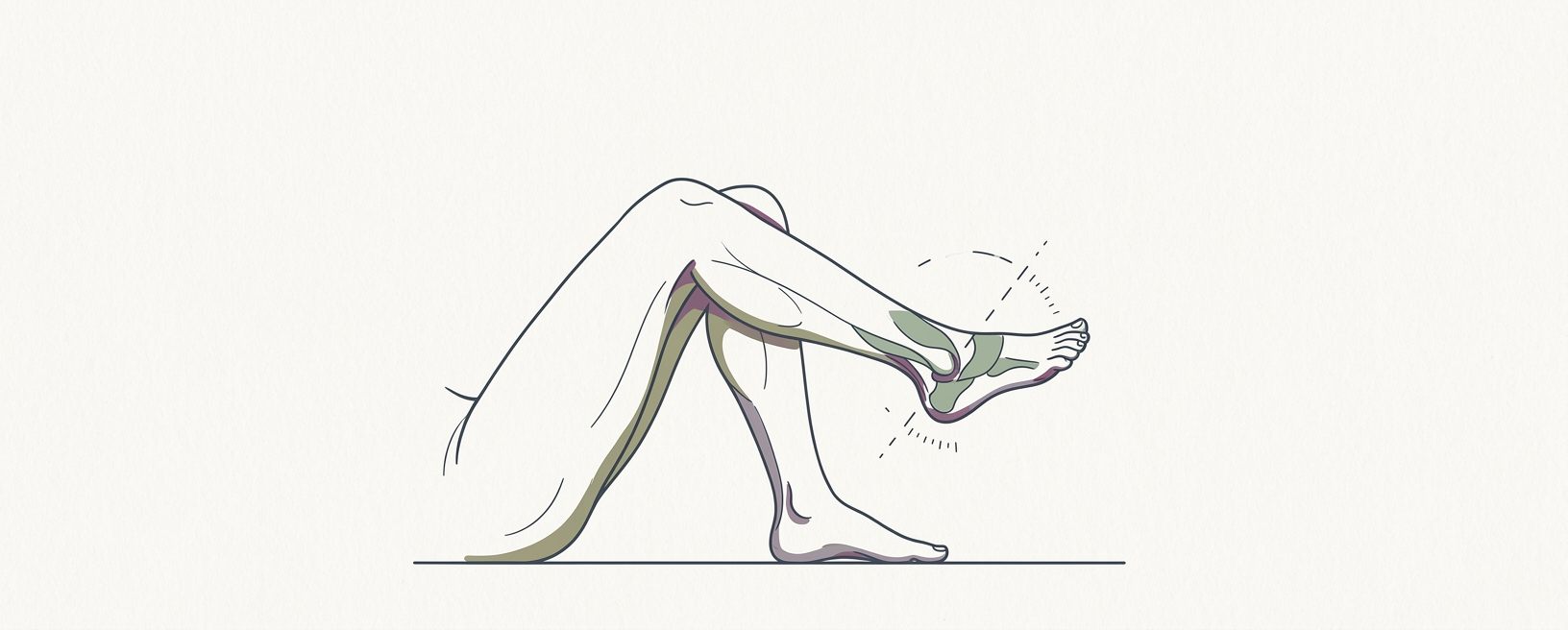 | When your system feels adrift or disconnected, it often registers as a subtle, pervasive hum of internal static. Your capacity to meet small challenges diminishes, leaving you reactive rather than responsive. This practice re-establish a direct, clear line of communication with the ground beneath you.
- Find a stable, low stool or a thick book. Sit upright with your feet flat on the floor.
- Cross your right leg over your left knee, allowing your right foot to hang freely.
- Using your right hand, gently cup your right heel. With your left hand, hold the top of your right foot just below the toes.
- Slowly circle your ankle clockwise five times, guiding the movement through its full, comfortable range. Feel the small bones and tendons articulating.
- Reverse the direction, circling counter-clockwise five times, moving with deliberate control.
- Uncross your legs, place both feet on the floor, and take a moment to notice the difference in sensation between your right and left ankles and feet.
- Repeat the entire sequence on the left side.
| |
Practise it in full
www.kokorology.com/r/uvcxjjw
| |
Log this in your Nervous System Journal →
|
|
The Movement
19
| Easy Zone 2 Walk for Low-Ferritin Days | Move for better iron absorption and nervous system regulation. | 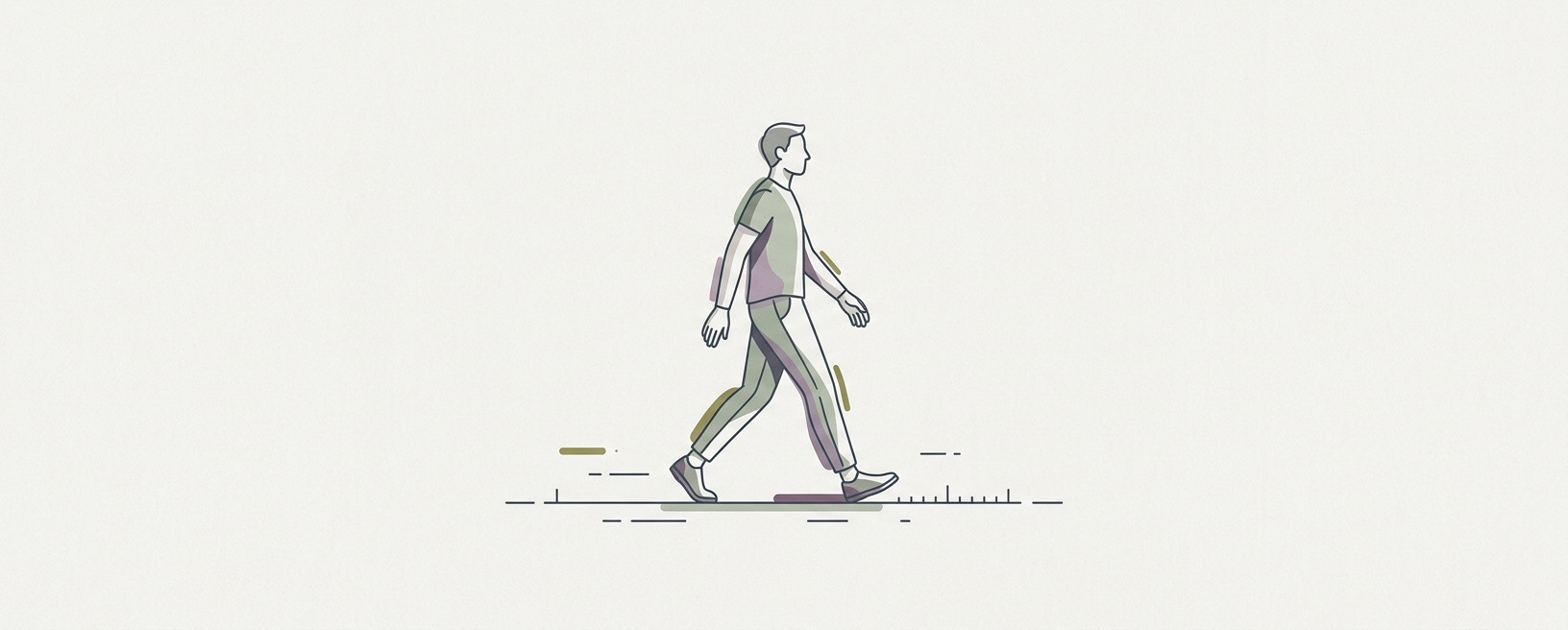 | This gentle movement practice is designed for anyone, of any gender, who is chasing a ferritin number that won't move. It helps support your body's energy production and regulate the nervous system, especially when stress is contributing to low iron levels. Pair this with a targeted nutritional approach, as discussed in 'Settle Before Your Iron Meal.' Always keep your clinician informed about your ferritin, haemoglobin, transferrin saturation, and CRP levels.
- Choose a pace where you can comfortably hold a conversation without gasping for air. This is your Zone 2.
- Aim for 30-45 minutes of continuous walking.
- Focus on rhythmic breathing. Try to exhale slightly longer than your inhale to promote parasympathetic activation.
- If possible, walk in a natural environment – a park, a quiet street with trees. The visual input of nature helps reduce static.
- Pay attention to the gentle sensation of your feet connecting with the ground, a subtle form of grounding that reinforces the safety signal to your nervous system. This isn't a workout; it's a moving meditation for your body's balance.
| |
See the movement in full
www.kokorology.com/r/o2h4ou9
| |
Log this in your Nervous System Journal →
|
|
The Routine
20
| Settle Before Your Iron Meal | Optimise your iron absorption by preparing your body and mind before you eat. |  | A pre-meal reset built for anyone chasing a ferritin number that won't move. This routine combines a slow mineral drink, a long-exhale downshift, and a few food-sequencing choices to support your bloods plan, not replace it. Always keep your clinician in the loop on ferritin, haemoglobin, transferrin saturation, and CRP. You can read the full thinking in 'Stress, hepcidin and the ferritin that won't budge' on kokorology.com.
- 10 minutes before eating: Prepare a glass of mineral water with a pinch of sea salt. Sip it slowly, allowing your body to hydrate and prepare for digestion. This isn't a chug; it's a gentle signal.
- 5 minutes before eating: Practice cyclic sighing for two minutes. Inhale slowly through your nose until full, then take a second short inhale to top off, followed by a long, slow exhale through your mouth. This simple breath practice will activate your vagus nerve and reduce physiological arousal (2).
- Meal Start: Begin your meal with a small portion of gut-supportive foods like fermented vegetables (e.g., kimchi or sauerkraut) or a small salad with apple cider vinegar. This primes your digestive system.
- Food Sequencing: Consume your iron-rich foods (e.g., lentils, red meat, dark leafy greens) alongside vitamin C sources (e.g., bell peppers, citrus) to enhance absorption. Avoid consuming tea or coffee with this meal, as tannins can inhibit iron uptake.
| |
Follow the routine in full
www.kokorology.com/r/745jmf5
| |
Log this in your Nervous System Journal →
|
|
Kokorology product
21
| Every Anchor and every care package, without making your symptoms audition for separate subscriptions. |  |
|
Kokorology product
25
| Twenty packages, one per load: cortisol, sleep, recovery, hydration, peptides, cycle, immunity. |  |
|
Kokorology product
29
| Level 1 through certification. The mechanism, then the practice, then the proof you can teach it. |  |
|
Kokorology product
33
| The studies underneath every claim on this site, in plain English, with the numbers left in. |  |
|
Kokorology product
37
| One eight-minute repair a day. Free to read; included with the Nervous System Journal. |  |
|
Kokorology product
40
| For teams whose output keeps outrunning their recovery. Capacity, measured — not vibes. |  |
|
From the house
41
| Two prompts in the morning, three at night, and the whole hacks library alongside them. €25/mo, cancel whenever. | 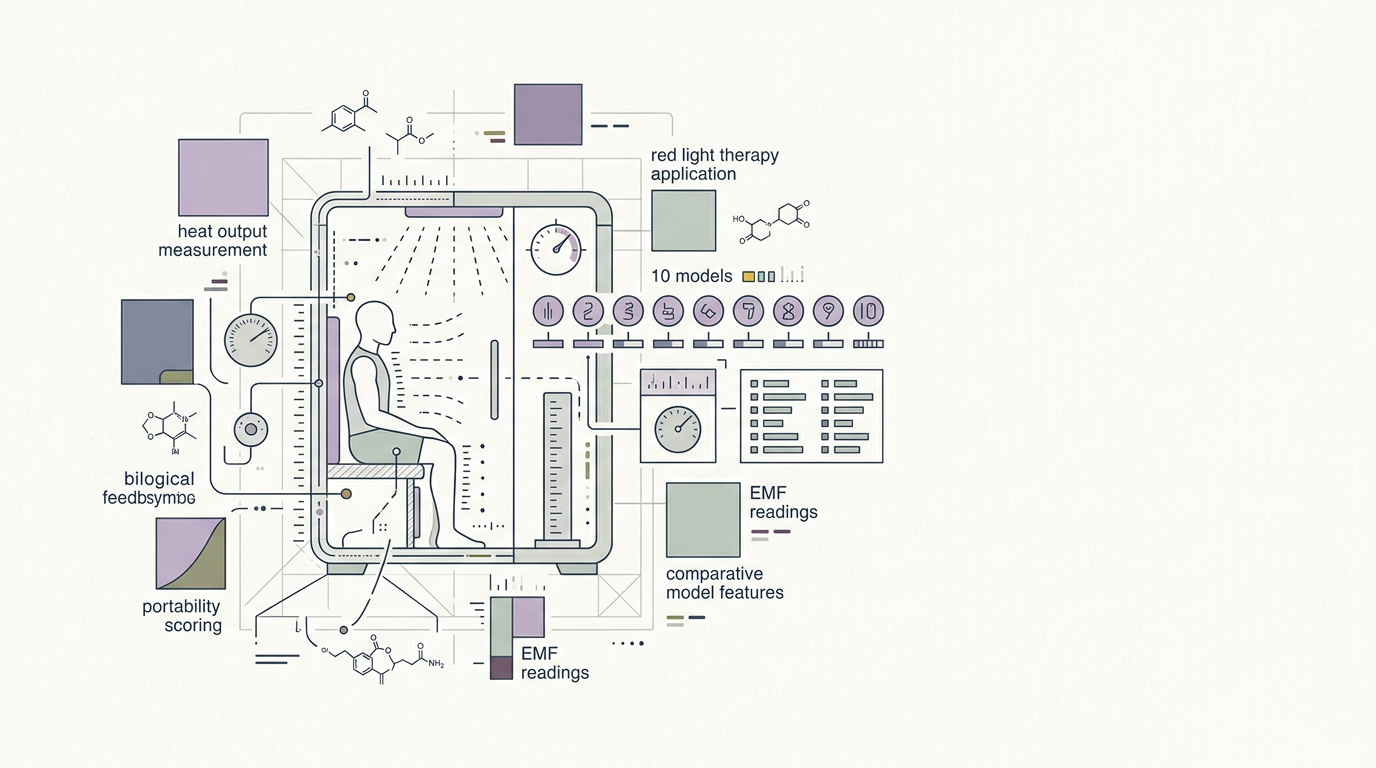 |
|
Correspondence
42
| Your Body Keeps the Score | 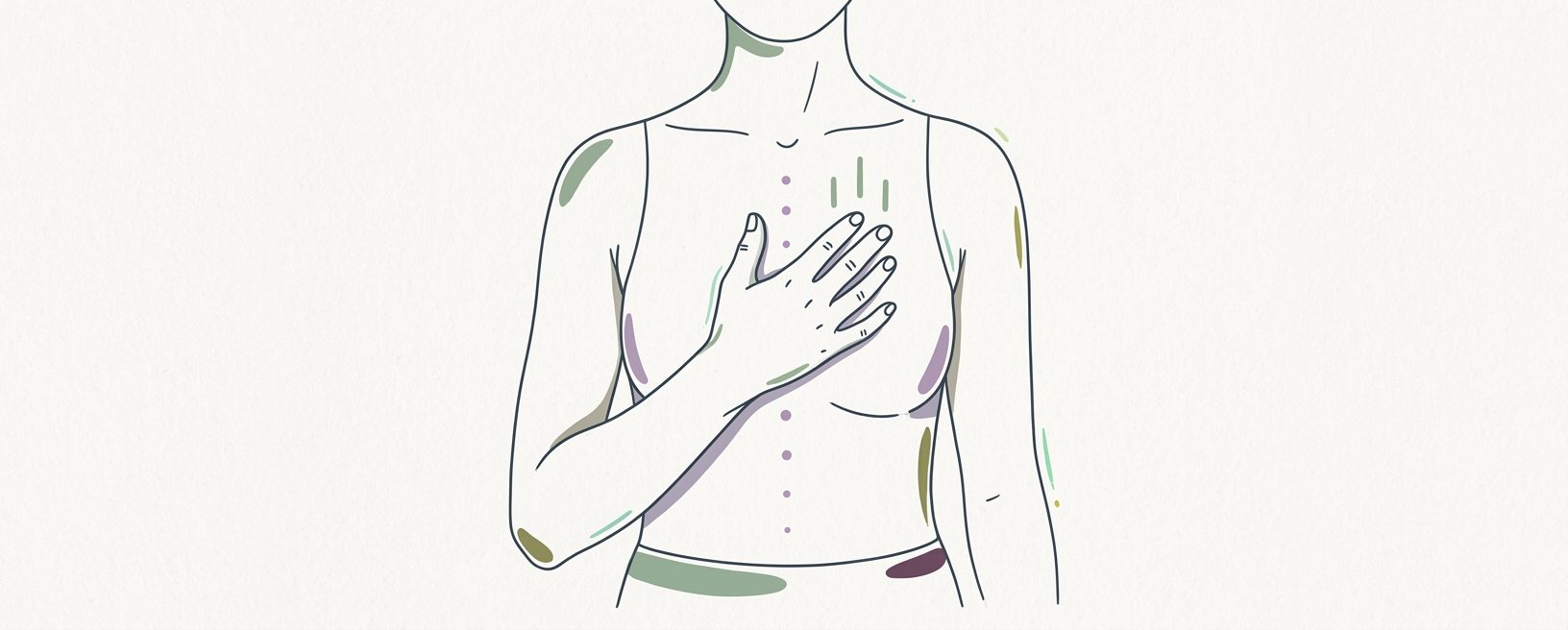 | This week's edition underscores a critical truth: your body is always listening. Every policy decision, every surge of misinformation, every environmental shift—it all registers as inputs that either support or degrade your baseline capacity. The static isn't just noise; it’s a measurable force. So, as you go into the next week, start paying attention to the subtle hum. What's adding to your load, and what can you do to reduce it? Begin by picking one small practice from this edition that resonates, whether it's a breath practice or a micro-movement. Make it a non-negotiable, a small act of reclamation. Your nervous system will thank you. | |
The Nervous System Journal — €25/mo
Two prompts in the morning, three at night. Includes the full hacks library.
| |
All Access — every anchor and care package
The whole system, one pass.
| |
Anchor protocols — €40 each
One protocol for the season you are actually in.
|
|