Keynote Speaker · Berlin, Germany
Taming Speaking Anxiety: From jitters to command
A keynote speaker in Berlin reduced their speaking anxiety from 4.1 to 8.2 out of 10 and improved vocal clarity by 25% by retraining their nervous system.
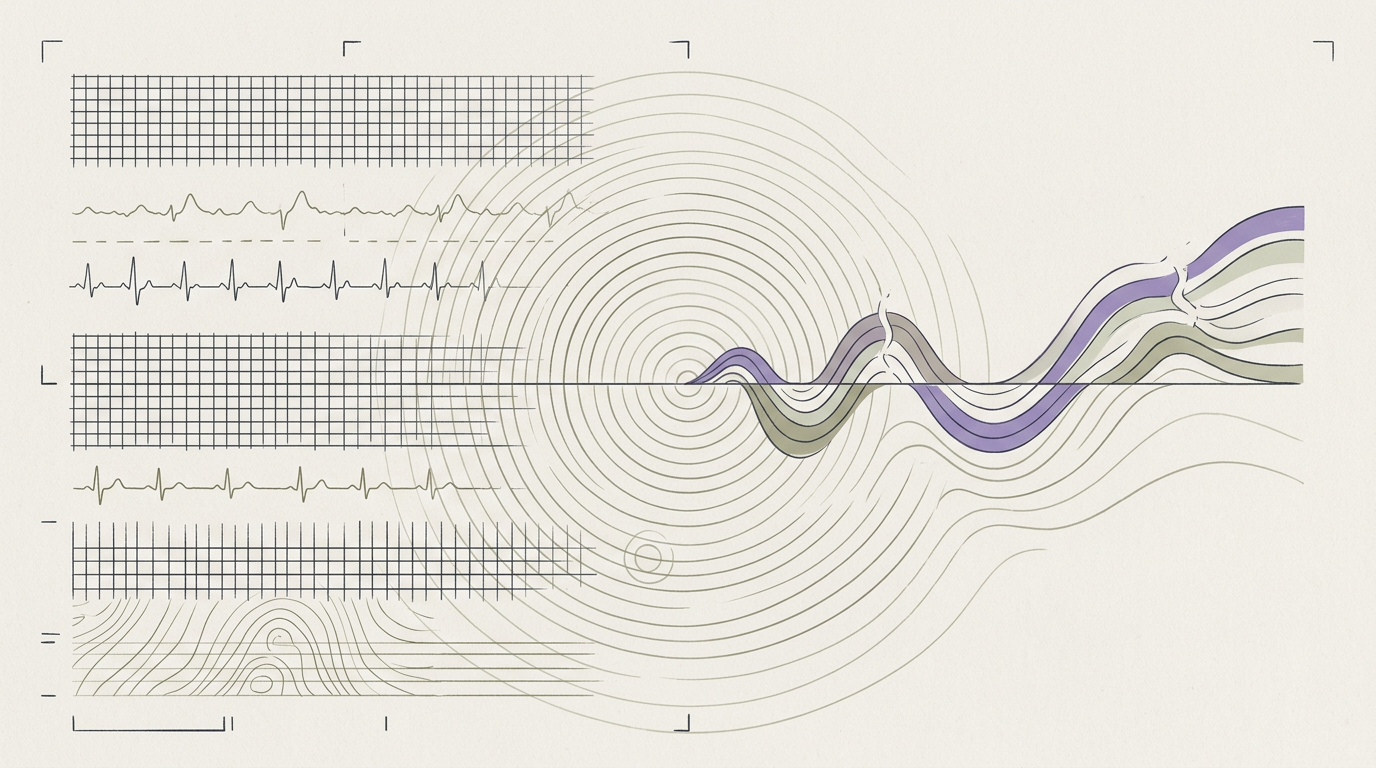
Taming Speaking Anxiety: From Jitters to Command
A keynote speaker in Berlin, Germany, saw their self-reported Speaking Confidence Score jump from 4.1 to 8.2 out of 10. This was alongside a 25% improvement in their Vocal Clarity Index over eight weeks. Most people would have called this performance anxiety, and in a way, it was, but the root went deeper than just stage fright.
The presenting state
I’d describe his state as ‘tired but wired’. He wasn't just anxious about the next big talk; he was perpetually on edge, even days before an event. His system was running hot, constantly anticipating a threat, which manifested as a dry mouth, shallow breathing, and a voice that felt thin and strained before he even stepped on stage. He could recall instances where his voice would crack or fade mid-sentence, not from lack of preparation, but from sheer physiological overwhelm. This wasn't about forgetting his lines; it was about his body betraying him.
The persistent low-grade stress meant his parasympathetic nervous system, the 'rest and digest' part responsible for calming the body, was barely registering. His heart rate variability (HRV) — the healthy, natural variation in time between heartbeats, a key marker of nervous system regulation — was consistently low, a classic sign of allostatic load building up ( McEwen, 1998). It’s like his body was always bracing for impact, even when the 'threat' was just a room full of eager faces.
The protocol
I wasn't interested in generic anxiety hacks; we needed to reset his baseline. The goal was to teach his nervous system that a keynote stage wasn't a saber-toothed tiger waiting to pounce. This meant integrating specific anchors into his daily routine that would actively signal safety and calm, effectively improving his interoception — his internal sense of body states (Khalsa, 2018).
Here’s what we worked on:
- Morning Vagal Tone Activation: A specific sequence of controlled breathing and humming. Ten minutes, first thing.
- Pre-Performance Somatic Release: Gentle movements and stretches targeting tension in the jaw, neck, and shoulders, done 30 minutes before speaking.
- Interoceptive Body Scan: A daily 5-minute practice to tune into subtle bodily sensations, building internal awareness.
- Vocal Warm-ups with Resistance: Using a straw or semi-occluded vocal tract exercises to strengthen and warm the vocal cords, preventing strain.
- Gut-Vagal Axis Support: Introducing specific probiotics and fermented foods to support the bidirectional communication between gut and brain, calming the nervous system.
- Post-Performance Parasympathetic Reset: A 15-minute guided meditation focusing on slow, deep breaths to downregulate the system after high-energy delivery.
What changed
The most telling shift wasn't just the higher confidence score; it was the quality of his voice and his presence on stage. He described feeling a 'rootedness' he hadn't experienced before. His vocal clarity improved because his breath support became more consistent, no longer hitching under pressure. That 25% improvement wasn't just about sounding better; it was about the physiological capacity to sustain a clear, resonant voice without fatigue.
One thing I noticed in his biometric data was a distinct increase in his high-frequency HRV component during his morning vagal exercises. It wasn't just a general HRV bump; it was specifically the parasympathetic arm kicking in robustly, indicating a genuine shift in his autonomic balance. His system was learning to toggle states more effectively, rather than being stuck in perpetual fight-or-flight.
The point wasn't to eliminate all nerves – a bit of adrenaline can sharpen focus – but to stop his body from interpreting every speaking engagement as a full-blown emergency.
TL;DR
This Berlin-based keynote speaker struggled with chronic speaking anxiety, leading to vocal fatigue and diminished confidence despite extensive preparation. By implementing a targeted protocol focused on nervous system regulation and vocal resilience, his self-reported confidence more than doubled, and his vocal clarity significantly improved. The intervention helped his body learn to differentiate between actual threats and a speaking engagement, moving him from a 'tired but wired' state to one of calm command on stage, thereby mitigating his speaking anxiety.
Where to take this next
If you find yourself constantly on edge before high-stakes situations, it's worth looking past the surface-level nerves and asking what your nervous system is actually doing. Your body isn't trying to sabotage you; it's reacting to perceived threats.
Regulating your nervous system isn't about magical thinking; it's about consistent, targeted practice that rewires your physiological responses. Your voice, your presence, and your overall sense of calm will follow.
- Find your nervous system's 'off' switch: kokorology.com/anchors
- For bespoke support, talk to me: kokorology.com/coaching
- Reset your baseline in 7 days: kokorology.com/reset
Sources
- McEwen, B. S., 1998 — Psychoneuroendocrinology https://pubmed.ncbi.nlm.nih.gov/9531825/
- Khalsa, S. S., 2018 — Trends in Neurosciences https://pubmed.ncbi.nlm.nih.gov/29080786/