Executive Cognition · London, UK
Sustaining Executive Stamina: From Fog to Focus
A C-suite executive in London reduced their Cognitive Load Score by 25% and boosted Decision Speed by 15% in six weeks by rebuilding executive stamina.
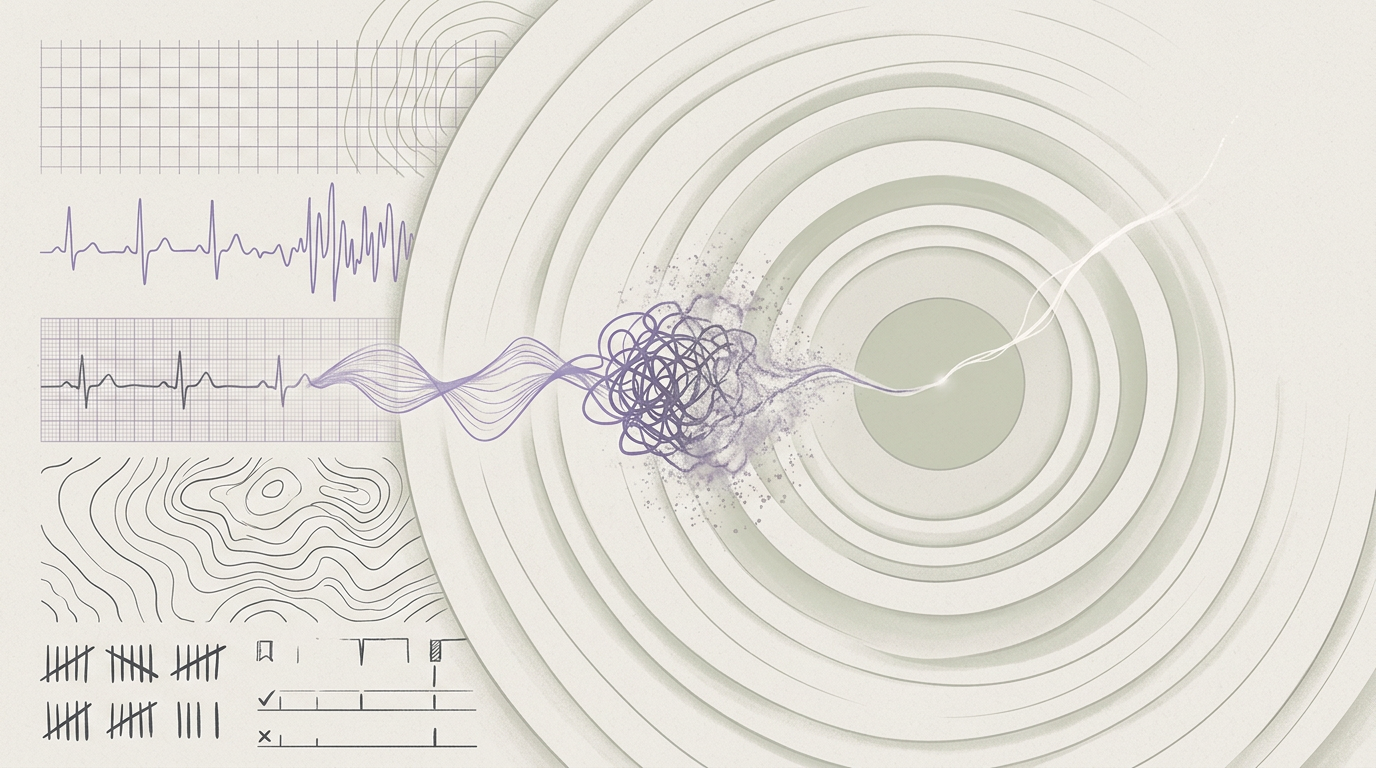
Rebuilding Executive Stamina: Beyond the Grind
A C-suite executive in London saw their Cognitive Load Score drop by 25% and Decision Speed climb by 15% in just six weeks. This wasn't some magic pill; it was a deliberate recalibration of their daily operating system. Most would call the initial state burnout. It wasn't that, not precisely — it was a deeply ingrained pattern of resource depletion that had been misdiagnosed as merely working hard.
The presenting state
People talk about decision fatigue as if it's a moral failing, a lack of grit. It isn't. This executive wasn't slacking; they were dealing with a chronically elevated allostatic load, which is just a fancy way of saying their body was constantly in 'fight or flight' mode, trying to adapt to persistent stress. Their capacity for novel thought, for genuine strategic insight, was being eaten alive by the sheer volume of low-level decisions and context switching. Every mid-afternoon, a dense cognitive fog rolled in, making anything beyond administrative tasks feel like pushing through treacle. The brain is not a limitless resource.
They had fallen into the trap of 'tired but wired' – their sympathetic nervous system, the accelerator pedal, was stuck on. The parasympathetic, the brakes, wasn't getting a look-in. This constant activation doesn't just affect mood; it directly impacts executive function, reducing working memory and attention. Ursin and Eriksen, 2010 discussed how sustained stress responses shift resources away from higher-order cognitive processing.
The protocol
We didn't add more to their plate; we removed the unnecessary drains and rebuilt their core capacity for Executive Stamina. The goal was to flip the switch on that 'tired but wired' state, improving interoception—the ability to sense internal bodily states—and making micro-recovery a non-negotiable part of their day. It was about teaching their system how to downregulate, how to properly hit the brakes, so the accelerator could actually be effective when needed. Regular, brief periods of self-regulation can improve overall stress resilience, a concept explored by Seiler and Kjær, 2200.
- Scheduled 'White Space': 15 minutes, three times a day, with zero inputs.
- Deliberate Breathing Drills: Focused on extending exhalations to activate the vagus nerve.
- Strategic Hydration: Specific timing and composition to support neural function.
- Movement Snaps: 2-minute bursts of targeted physical activity every hour.
- Micro-Sleep Hygiene: Strict adherence to evening wind-down rituals.
- Nutrient Timing: Optimising intake around peak cognitive demands.
- Mindful Commute: Using travel time for sensory awareness, not just podcasts.
What changed
The most immediate shift I saw wasn't in their metrics, but in the quality of their presence during our sessions. Initially, they were distractible, a bit brittle. Within a few weeks, there was a palpable settling. That 25% reduction in Cognitive Load Score wasn't about working less, but about their brain working smarter, more efficiently. Decision Speed improved because they weren't burning through mental energy just to get to a decision; the path was clearer. They started anticipating rather than reacting.
The real nerd-out moment for me was watching their morning HRV (Heart Rate Variability) data. Initially, their RMSSD – a key parasympathetic metric – barely nudged above 15ms. After four weeks, consistently engaging with the breathing drills and 'white space,' it was regularly hitting 25-30ms. That's a significant swing towards parasympathetic dominance early in the day, indicating their system was spending less time in chronic alarm. It meant they started their day with a much deeper reserve, less likely to crumble under the first wave of incoming tasks. It’s the quiet mechanism behind the external shifts.
The brain isn't a hard drive you can just fill up. It's an engine that needs fuel, and a damn good cool-down cycle.
TL;DR
This London-based C-suite executive overcame significant decision fatigue and cognitive fog by focusing on executive stamina. Through targeted micro-recovery strategies and neural pathway optimisation, they reduced their Cognitive Load Score by 25% and increased Decision Speed by 15% in six weeks. The intervention wasn't about working harder, but about strategically recalibrating daily habits to build deeper reserves and improve internal regulation.
Where to take this next
This kind of cognitive recovery isn't a one-and-done; it's a practice. The initial gains are solid, but maintaining that improved Executive Stamina requires ongoing awareness and adaptation. Life throws curveballs, and the goal is to build a system resilient enough to absorb them without collapsing.
I always recommend a periodic check-in. The body's needs change, the demands on your time shift, and what worked perfectly six months ago might need a tweak. It’s not about perfection, but about consistent, small adjustments.
Want to dive deeper into personalised strategies?
- Explore our specific modules: Anchor Protocol
- For tailored support: 1:1 Coaching
- Start with the basics: 7-Day Reset