On-call Intensivist · Toronto
Shift Worker Recovery: Fixing Autonomic Lock in an ICU Doctor
A Toronto intensivist increased restorative sleep by 34% using targeted shift worker recovery protocols to down-regulate post-call autonomic tone.
Shift Worker Recovery in Critical Care Medicine
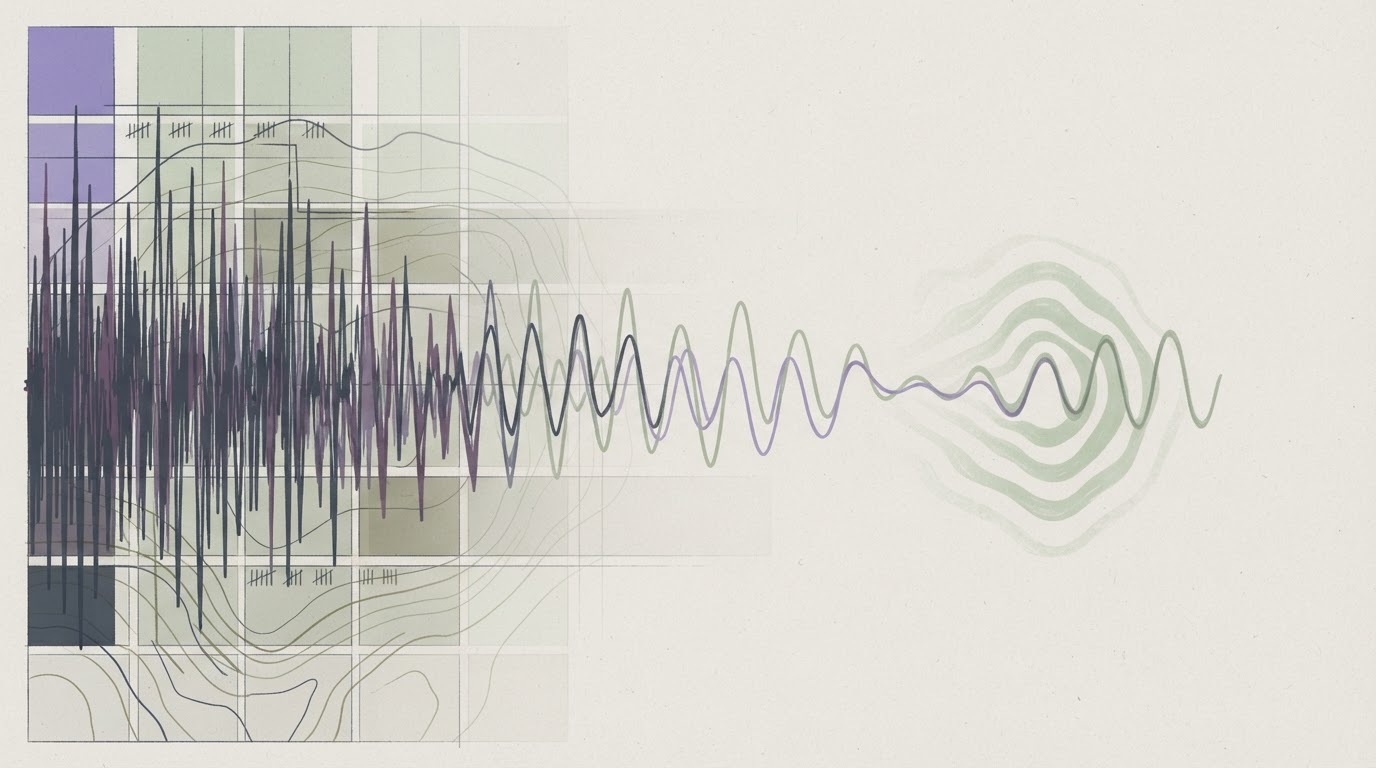
An on-call intensivist in Toronto increased restorative sleep by 34% across six weeks by stripping out post-shift adrenaline spikes before attempting sleep. Morning alertness climbed from 4/10 to 9/10, while sleep latency dropped to eighteen minutes. Hospital administrators usually dismiss this state as simple burnout. The actual mechanism was sympathetic lock: an autonomic nervous system kept on high alert twelve hours after the pager stopped buzzing. Effective shift worker recovery requires telling the vascular tree and the brainstem that the acute crisis has ended.
The presenting state
When you spend fourteen hours titrating vasopressors and catching deteriorating airways, your sympathetic tone does not dip because you walked through your front door. The prevailing assumption in hospital medicine is that fatigue produces sleep. Instead, high-stakes clinical shifts keep the locus coeruleus flooded with noradrenaline, leaving clinicians tired but wired. You lie in bed at 8:00 AM after a night shift, eyelids burning, yet your heart rate sits fifteen beats higher than baseline.
This state is sustained autonomic arousal, marked by blunted parasympathetic signaling and an inability to switch off threat vigilance. As Thayer and Lane demonstrated (Thayer & Lane, 2009), low heart rate variability directly mirrors rigid central autonomic control under high task demand. In this case, hypervigilance reduction had completely stalled. Diagnostic recall started lagging at hour eleven of a shift simply because the brain had spent three consecutive weeks waiting for an alarm that was no longer sounding.
The shift worker recovery protocol
I designed a mechanical bridge between the intensive care unit and the mattress, bypassing the usual useless sleep hygiene checklists. The Circadian Decompression sequence works through visceral inputs: it uses interoceptive anchors (sensory feedback from internal organs to the brain) to trigger parasympathetic signaling rather than waiting for an exhausted mind to calm down. Research shows structured down-regulation accelerates autonomic state transitions (Balban et al., 2023). Here is the protocol:
- Fifteen minutes of darkness transition during the morning transit home using 99% light-blocking glasses to prevent retinal suppression of melatonin.
- Twenty minutes of non-sleep deep rest (NSDR) immediately upon arrival, executed on a firm floor rather than in bed to decouple decompression from sleep attempts.
- Two rounds of physiological sighing (double inhale through the nose, prolonged exhale through pursed lips) every five minutes during the initial down-regulation phase.
- Peripheral cooling via cold water immersion of palms and soles for three minutes to trigger rapid core heat dissipation.
- A strict rule against opening electronic medical records or shift handover logs once across the threshold of the house.
What changed
Across forty-two days, deep slow-wave sleep expanded by 34%, shifting sleep latency from a frustrating seventy-five minutes down to eighteen minutes. The morning alertness score rose from a sluggish 4/10 to a dependable 9/10. Off-duty hours stopped feeling like waiting in an empty triage bay.
The metric I watched closest was not total sleep duration, but nocturnal low-frequency heart rate variability. During weeks one and two, nocturnal HRV showed a persistent suppression pattern typically seen during physical trauma, reflecting stubborn sympathetic overdrive. By week five, high-frequency vagal power surged by 42% within forty minutes of head-on-pillow. The vascular tone dropped, the skin flushed warm, and the brainstem finally yielded control to slow oscillations.
When the nervous system learns it can stand down without a disaster occurring, sleep arrives without negotiation.
TL;DR
Shift worker recovery fails when clinicians rely on raw exhaustion to overpower autonomic arousal. By using a 40-minute Circadian Decompression sequence featuring non-sleep deep rest, rapid heat dumping, and retinal shielding post-shift, an intensivist in Toronto increased restorative sleep by 34% and lifted morning alertness from 4/10 to 9/10 within six weeks, cutting sleep latency to eighteen minutes while resolving off-duty hypervigilance.
Where to take this next
I used to think grit carried people through rotational shifts. I was wrong. It took me years of watching resilient clinicians crash to realize physiology always collects its margin. If you work on-call, stop waiting for exhaustion to solve a nervous system tuned for emergency response.
If you want to install this decompression routine into your own roster, download the Circadian Reset Anchor at /anchors or apply for intensive 1:1 nervous system coaching at /coaching. If you just want to test your baseline parasympathetic responsiveness this week, grab my free 7-Day Reset.
Sources
- Thayer, J. F., & Lane, R. D., 2009 — Neuroscience & Biobehavioral Reviews Thayer & Lane, 2009
- Balban, M. Y. et al., 2023 — Cell Reports Medicine Balban et al., 2023