Team-sport athlete · Melbourne
Athlete Injury Recovery: Overcoming Post-ACL Hesitation
A Melbourne team-sport athlete achieved 92% force plate symmetry four weeks early, using neuro-motor integration for athlete injury recovery.
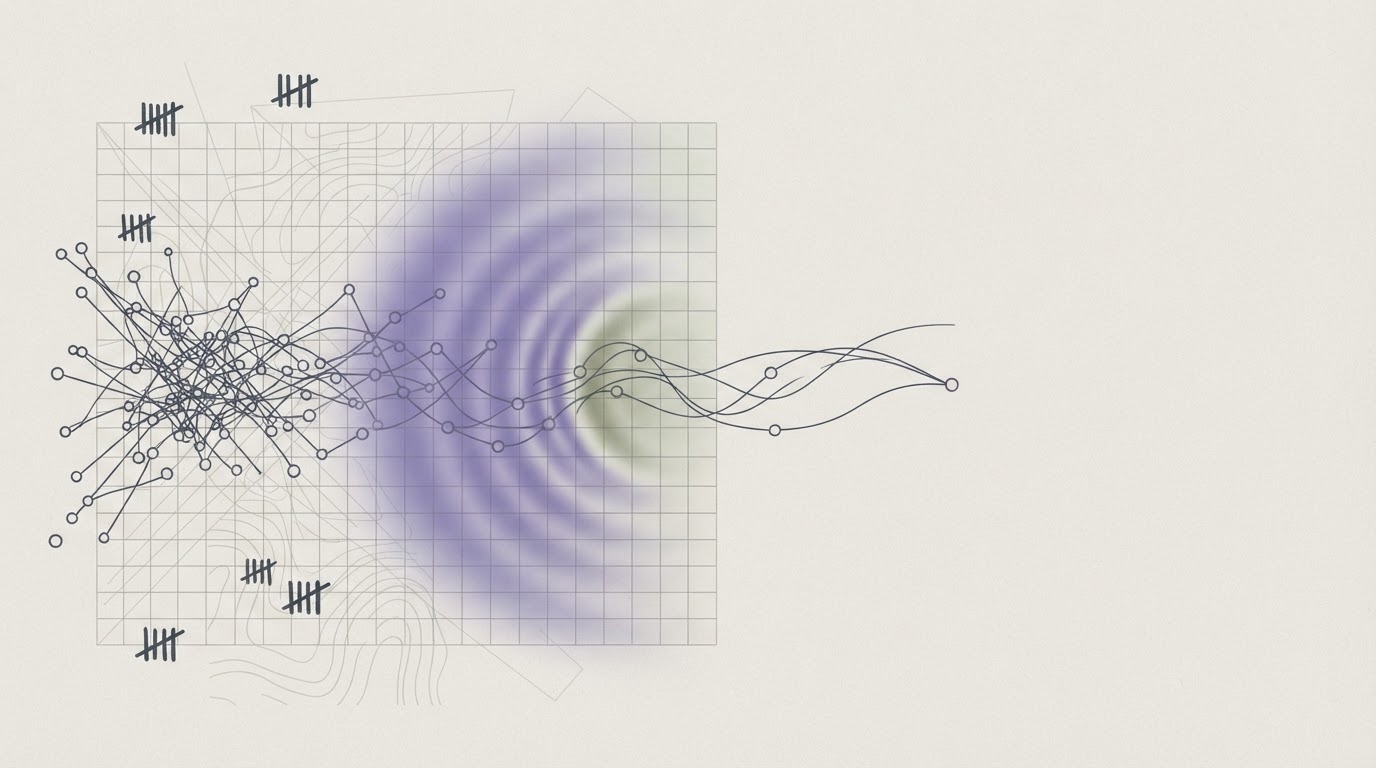
Athlete Injury Recovery: Re-Mapping the ACL Post-Reconstruction
A 24-year-old team-sport player in Melbourne restored force plate symmetry from 48% to 92% in ten weeks through targeted neuro-motor rehabilitation. They cleared match selection four weeks early by addressing central inhibition at the joint. The physical graft had healed at nine months, but the motor cortex was treating the reconstructed knee like an unexploded bomb (and playing field sports on one and a half legs works about as well as it sounds). The athlete was stuck in chronic reactive bracing, leaving the sound leg to absorb every sharp deceleration. In modern athlete injury recovery, structural repair often outpaces the nervous system's willingness to grant access to the tissue.
The presenting state in athlete injury recovery
The surgeon gave the structural all-clear at eight months, yet every cut on the grass triggered a micro-hesitation that threw off the player's kinetic chain. When an anterior cruciate ligament tears, mechanoreceptors inside the ligament vanish, starving the somatosensory cortex of joint position data (Needle et al., 2017). To keep the player upright, the central nervous system defaults to high-tone co-contraction of the hamstrings, effectively gating off full neuromuscular firing in the quadriceps.
The felt experience was maddening. The athlete felt like their left leg was wrapped in wet denim, unable to shake the sense that planting hard would cause another catastrophic shear. High sympathetic tone—the body's protective alert state—kept their nervous system on perimeter defence, eroding performance confidence before training even started.
The protocol for athlete injury recovery
I used Neuro-Motor Integration to re-map cortical signals directly to the injury site, bypassing the reflexive spinal inhibition that shuts down muscle recruitment after trauma (Grooms et al., 2017). I used to think strengthening drills alone could persuade an inhibited muscle to fire under speed; they do not. The cortex requires sensory re-education and graded perturbation before it relinquishes protective bracing.
- Strobe visual occlusion during unilateral deceleration to break visual over-reliance
- Contralateral motor imagery paired with low-load isometric holds at 60 degrees of knee flexion
- Down-regulating autonomic tone with four-second nasal inhales and eight-second exhales between high-speed drills
- Proprioceptive perturbation on unstable foam pads to stimulate dormant knee mechanoreceptors
- Real-time biofeedback during hop-to-stabilise drills to reward symmetrical landing mechanics
- Rapid reactive agility ladders under mild cognitive load to shift focus away from the knee
What changed
Force plate testing showed limb symmetry jump from 48% at baseline to 92% by week ten. That shift cleared them for full-contact training four weeks ahead of the club's projected timeline.
The detail that caught me was their resting nocturnal heart rate variability (HRV, an index of autonomic flexibility). During the initial phase of hesitation, their nightly average plummeted every Sunday before squad training, sitting at a stagnant 32 ms. As neuro-motor confidence returned and the nervous system stopped perceiving the reconstructed joint as a hazard, their Sunday baseline shifted to a steady 68 ms without any changes to their conditioning workload.
A guarded joint is not weak; it is merely waiting for the brain to drop the alarm.
TL;DR
Athlete injury recovery hinges on restoring cortical communication after joint reconstruction. By applying neuro-motor rehabilitation to a team-sport athlete in Melbourne suffering from persistent quadriceps hesitation, force plate symmetry improved from 48% to 92% in ten weeks. The athlete returned to competitive selection four weeks early. Resolving reflexive co-contraction and rebuilding neuromuscular firing allowed the nervous system to abandon protective bracing, proving that cortical re-education is just as critical as structural tissue healing for high-level performance confidence.
Where to take this next
When returning from major joint surgery, loading a guarded limb without addressing neural inhibition only reinforces compensatory movement. Restoring movement quality starts with teaching the brain that the joint is safe to load under speed.
If you are working through post-surgical hesitation, begin with the Nervous System Reset Anchor at /anchors to establish baseline down-regulation, or apply for direct 1:1 Neuro-Motor Coaching at /coaching. For an introductory protocol on regulating autonomic tone around movement, start with the free 7-Day Reset at /reset.
Sources
- Grooms, D. R., et al., 2017 — Journal of Athletic Training https://pubmed.ncbi.nlm.nih.gov/28169127/
- Needle, A. R., et al., 2017 — Sports Medicine https://pubmed.ncbi.nlm.nih.gov/28872017/