Daily routine
Reintegrate Movement After Injury
Gently ease back into training after injury by signaling safety to your nervous system and promoting tissue recovery.
Gently ease back into training after injury by signaling safety to your nervous system and promoting tissue recovery.
RETURN-TO-TRAINING AFTER INJURY · before your training session · 12 minutes
Why it works
Returning to activity after injury requires more than just physical readiness. Your brain may still perceive the injured area as a threat, leading to protective tension and altered movement patterns. This routine uses gentle somatics and targeted nutritional support to downregulate threat signals, enhance proprioception, and support connective tissue repair. The deliberate, slow movements, combined with specific touch, help to rebuild a sense of safety and competence in your body, allowing for a smoother, more resilient return to training. This process directly influences vagal tone and reduces allostatic load, preventing compensatory patterns.
Collagen Hydrolysate + Water — Mix 10-15g of collagen hydrolysate into 200ml of water. Drink this slowly, focusing on the texture and temperature. Collagen provides amino acid precursors for connective tissue repair and can support joint integrity, as observed in studies by Dr. Keith Baar.
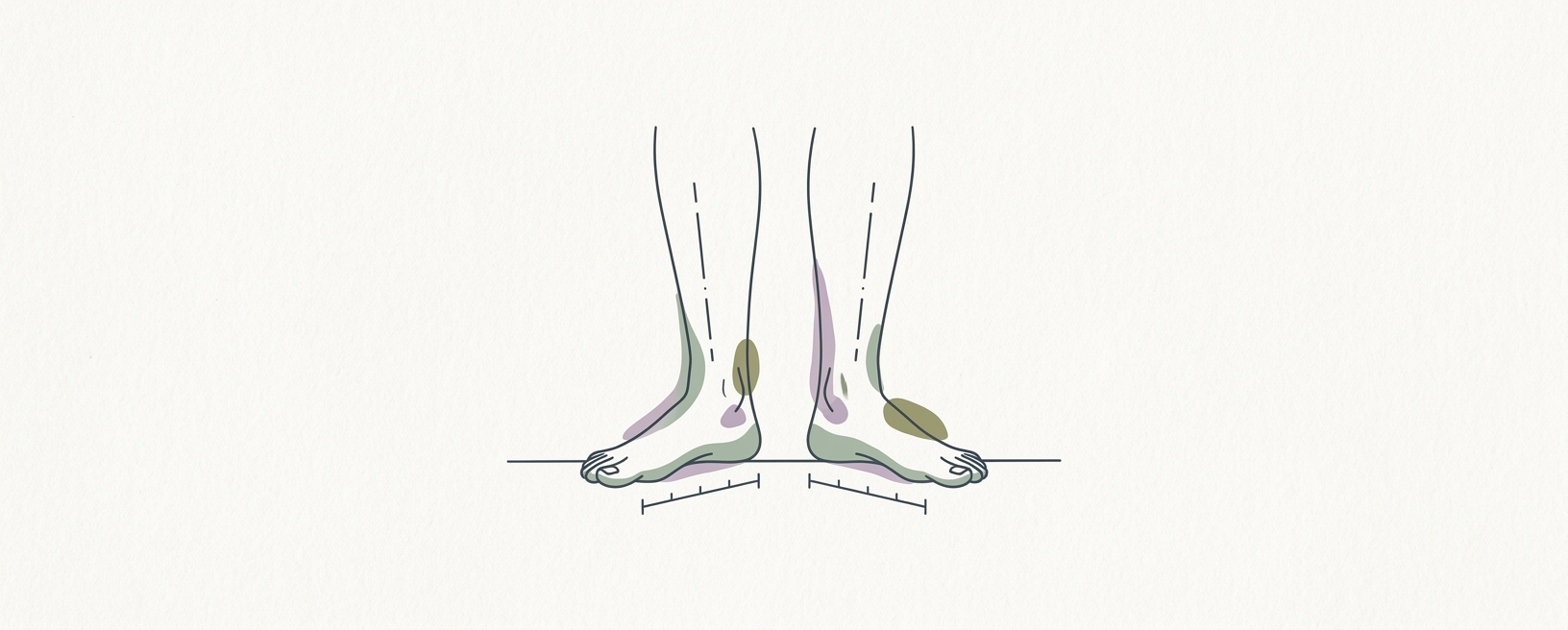
Foot Contact Sense — Stand barefoot, weight evenly distributed. Slowly shift your weight side to side, then front to back. Notice the contact points of your feet on the floor. Pay attention to how your arches engage and release. This re-establishes proprioceptive input, a critical feedback loop for stable movement.
Gently Stroke Forehead, Signal Safety — Integrate today's short practice: Gently Stroke Forehead, Signal Safety. This specific touch helps quiet the fight-or-flight response, reassuring your nervous system that you are safe.
Slow, Controlled Range of Motion — Perform 5-8 repetitions of a very gentle, pain-free range of motion exercise for the injured area (e.g., knee flexion/extension, shoulder circles). Move slowly, observing any sensations without judgment. Aim for smooth, controlled engagement, not stretching.
Supported Reclined Breath — Lie supine with a bolster or rolled blanket under your knees. Place one hand on your lower belly, one on your chest. Take 5-7 slow, diaphragmatic breaths. Allow your body to sink into the support, acknowledging the work it just did.