Daily routine
Recenter Static After Meeting Engagement
Downshift your nervous system after concentrated interaction, moving from cognitive load to integrated awareness.
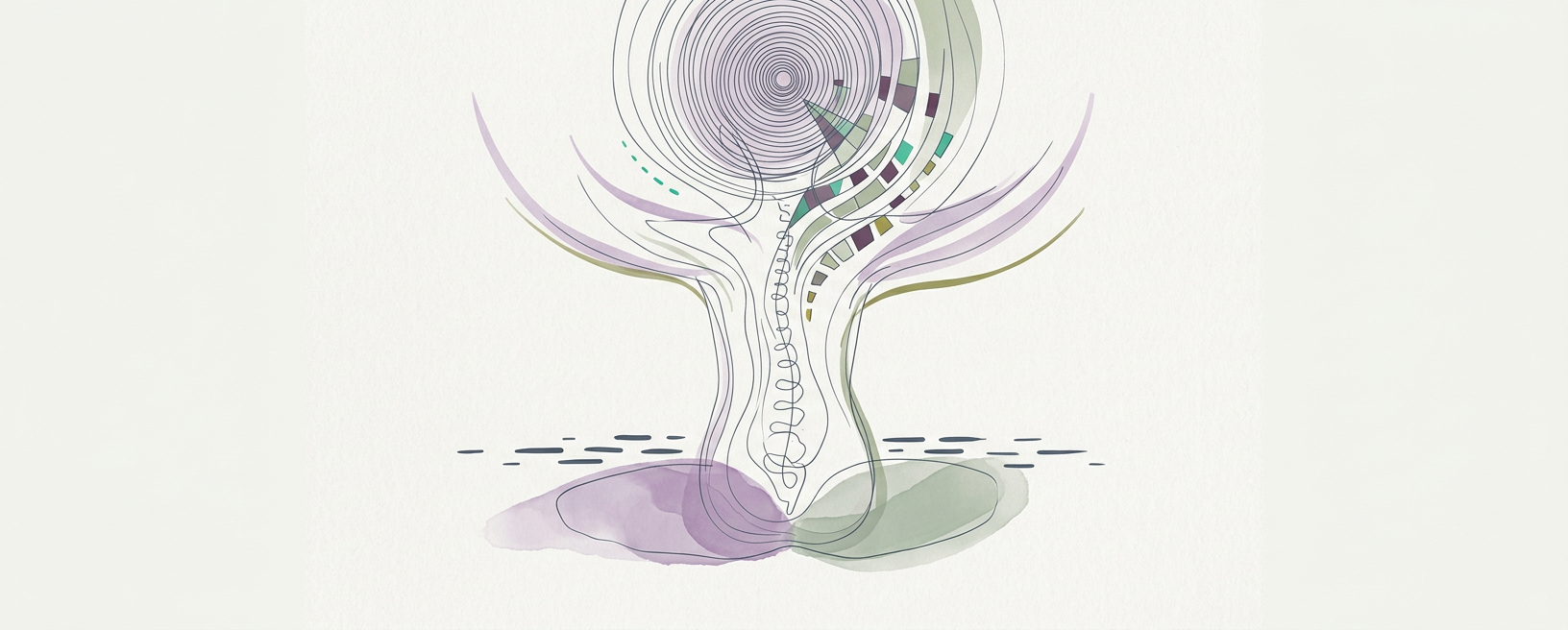
Downshift your nervous system after concentrated interaction, moving from cognitive load to integrated awareness.
POST-MEETING RESET · immediately after a focused meeting · 12 minutes
Why it works
Focused meetings often elevate sympathetic tone, increasing cognitive load and potentially creating mild muscle bracing. This sequence engages the vagal nerve through slow, intentional breathing and gentle movement, stimulating parasympathetic activity. The somatics address common tension points like the jaw and neck, which accumulate during sustained attention. Combining a simple micronutrient intake with mindful movement helps to reset baseline neurological static and restore internal capacity. The hack provides a targeted release, further contributing to a sense of internal quiet and integration.
Micro-Pause Breathing — Sit upright or recline slightly. Close your eyes and soften your gaze. Take 3-5 slow, complete breaths, inhaling deeply through your nose for a count of 4, holding gently for 2, and exhaling fully through pursed lips for a count of 6. Notice the subtle release in your shoulders.
Jaw and Neck Release — Gently massage your masseter muscles, just below your cheekbones, with soft pressure for 30 seconds per side. Then, slowly drop your chin towards your chest, then gently tilt your head to each side, pausing for two breaths at the end range. Repeat twice.
Hydrate and Replenish — Drink 200-300ml of water, slowly. Consider adding a pinch of good quality sea salt or a single electrolyte tablet to support cellular hydration and mineral balance after concentrated effort.
Side Bend to Unstick the Spine — Engage the day's specific movement: Side Bend to Unstick the Spine. This targets spinal mobility and subtle muscular release often overlooked during prolonged sitting.
Orient and Integrate — Take 2 minutes in silence. Look around your physical space, naming 3 objects you see, 2 sounds you hear, and 1 thing you feel. This simple orienting practice grounds you in the present, reducing residual cognitive noise from the meeting.