Daily routine
Re-engage and re-energize after afternoon shutdown
This routine addresses afternoon shutdown by incrementally reactivating your system for improved focus and presence.
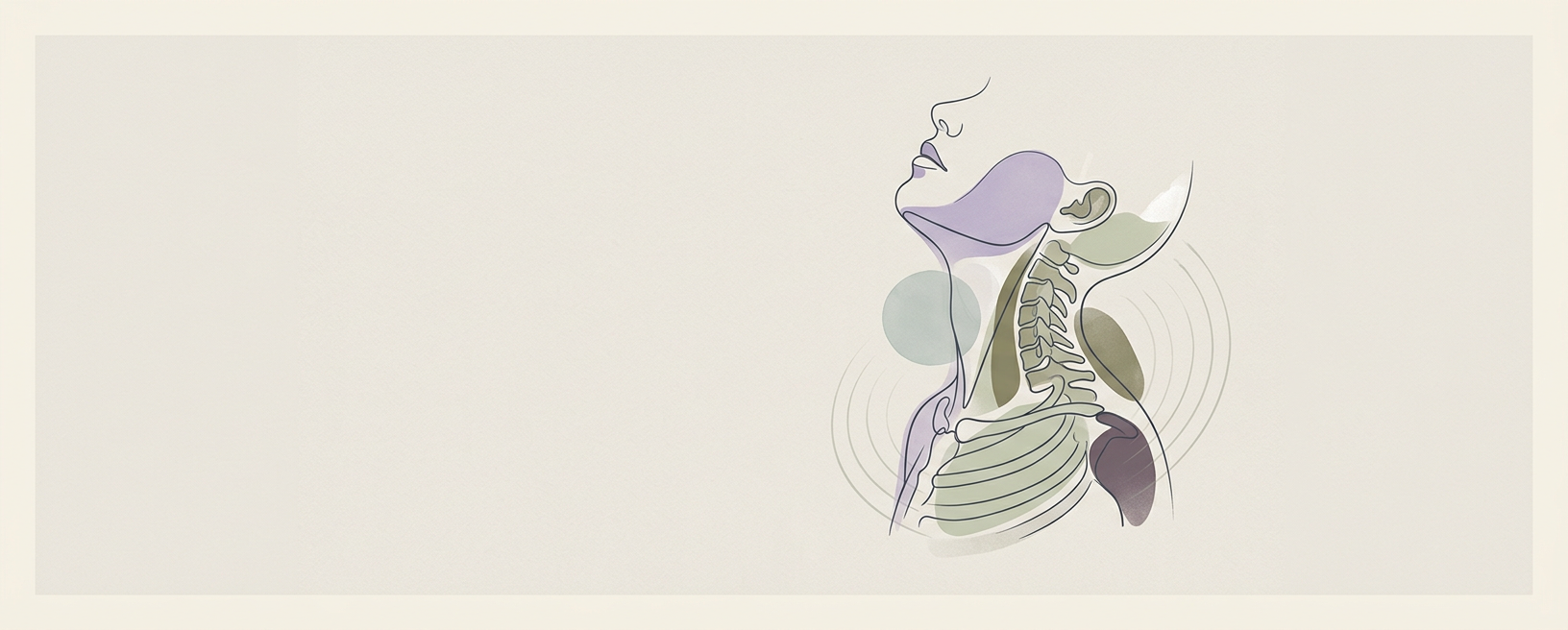
This routine addresses afternoon shutdown by incrementally reactivating your system for improved focus and presence.
shutdown / freeze afternoon · any afternoon when energy dips · 15 minutes
Why it works
During a shutdown state, the vagal brake is disengaged, limiting physiological resources. This sequence gently re-engages the ventral vagal complex through deliberate, yet mild, sensory input and movement, signaling safety to the nervous system. This incremental re-engagement supports a gradual return to active engagement, reducing feelings of lethargy and increasing cognitive clarity. The combination of targeted sensory and motor inputs helps to shift the organism from a state of conservation to one of modulated activation, allowing for sustained focus without overstimulation.
Hydrate with intention — Slowly drink 8-12 ounces of room temperature water. Notice the sensation of the liquid as it moves down your throat and into your body. Consider adding a pinch of a quality sea salt for electrolyte support.
Jaw and neck release — Gently massage your masseter muscles with your fingertips for 60 seconds on each side. Then, slowly tilt your head to each side, holding for 30 seconds to stretch the scalenes, feeling the release in your neck and shoulders.
Grounded spinal rotation — Seated or standing, gently twist your torso from side to side, allowing your arms to swing freely. Perform 10-15 repetitions to each side, synchronizing the movement with your breath, inhaling to center and exhaling into the twist.
Focused breath and posture — Find a comfortable, upright seated position. Focus on a slow, extended exhale for 4 counts, allowing your rib cage to soften. Repeat 5-7 times, noticing the natural inhale that follows and the subsequent relaxation in your core.
Supported Legs-Up-the-Wall for Stillness — Transition to today's daily hack: 'Supported Legs-Up-the-Wall for Stillness' to further integrate this state of calm alertness. Refer to the detailed guide for optimal positioning.