Daily movement
Wave Hands Like Clouds
A foundational Tai Chi movement promoting fluid weight transfer and tranquil nervous system engagement.
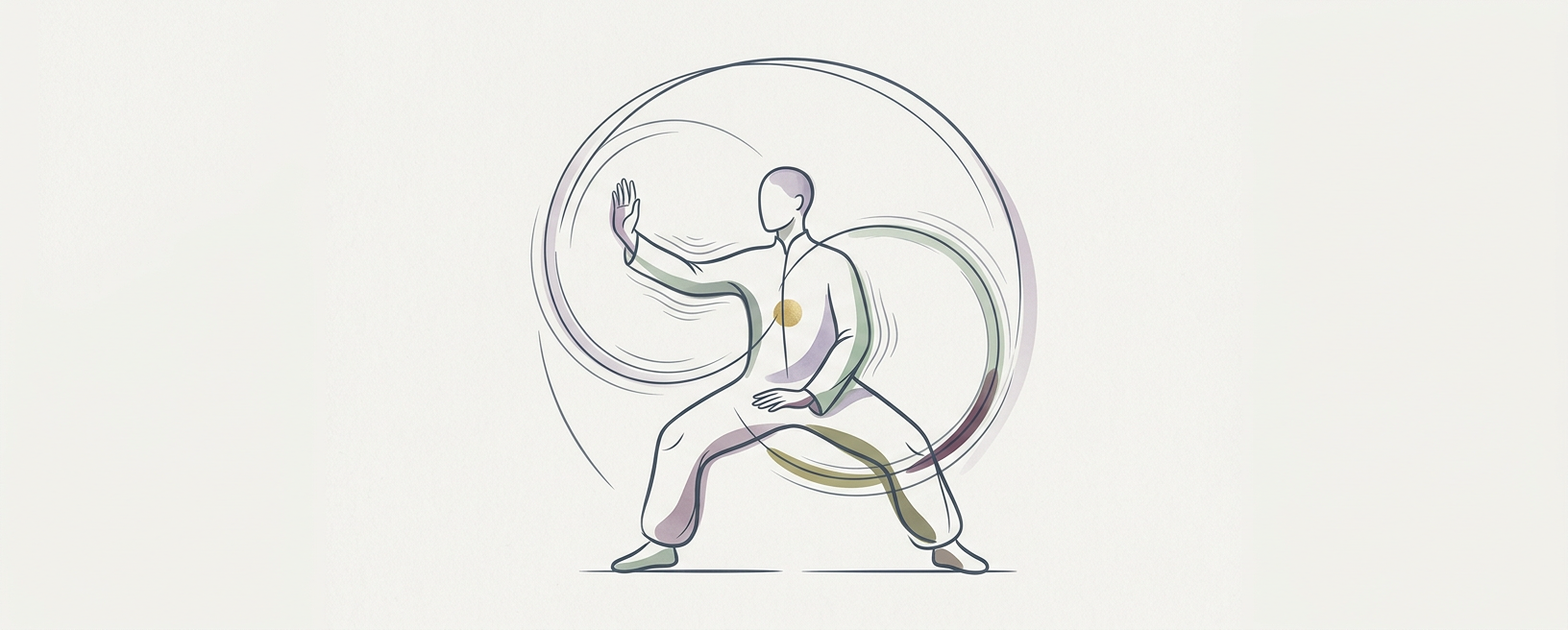
A foundational Tai Chi movement promoting fluid weight transfer and tranquil nervous system engagement.
Tai Chi Chuan · Yang family Tai Chi Chuan · Diffuse mental agitation, muscular tension, or compromised balance requiring re-calibration. · Perform for 5-10 minutes per session. Daily practice is recommended for sustained neurophysiological benefits.
Why it works
This movement systematically shifts the body's center of gravity, activating proprioceptors in the feet, ankles, and hips. The slow, continuous, circular arm movements articulate the shoulder girdle and thoracic spine, coordinating with the lower body's weight transfer. This intricate coordination, coupled with diaphragmatic breathing, down-regulates sympathetic nervous system activity and promotes parasympathetic tone. The absence of abrupt transitions minimizes startle reflex, fostering a state of mindful, embodied presence. Tissue engagement is characterized by eccentric loading and unloading of postural muscles, enhancing intermuscular coordination and improving joint lubrication through synovial fluid circulation.
How to practice
Step-by-Step Execution:
- Preparation (Wu Ji Stance): Stand with feet shoulder-width apart, knees slightly bent, spine elongated. Arms hang naturally. Establish diaphragmatic breathing.
- Initiate Weight Shift: Gently shift weight onto the right foot, allowing the left heel to lift slightly. The torso remains upright and centered over the pelvis.
- Left Hand Ascent: As weight shifts fully to the right, the left arm begins to rise in front of the body, palm facing inwards, fingers relaxed, moving towards shoulder height. The right hand remains low.
- Turn and Transfer: Begin to turn the torso to the left, approximately 45 degrees. Simultaneously, shift weight smoothly onto the left foot. The left hand continues its arc, now rotating palm outward as it moves to the left side of the body.
- Right Hand Ascent and Descent: As the left hand descends on the left side, the right hand begins its ascent, mirroring the left hand's initial path. The palms face each other, as if holding a large, invisible ball.
- Continuous Arc: As weight shifts fully to the left, the right hand rises to shoulder height while the left hand descends. The body gently turns to the right.
- Transition and Repeat: Continue this flowing sequence, alternating weight transfer from left to right, while the hands trace continuous, circular paths in front of the body, always maintaining a sense of "holding a ball." The gaze is soft and unfixed.
Breath Cues:
- Inhale: As a hand rises and the body begins to turn towards the side of the descending hand.
- Exhale: As a hand descends and the body finishes turning towards the side of the ascending hand.
- Maintain a smooth, continuous, and unforced breath synchronized with the movement's rhythm. Avoid breath holding.
Step-by-Step Execution:
- Preparation (Wu Ji Stance): Stand with feet shoulder-width apart, knees slightly bent, spine elongated. Arms hang naturally. Establish diaphragmatic breathing.
- Initiate Weight Shift: Gently shift weight onto the right foot, allowing the left heel to lift slightly. The torso remains upright and centered over the pelvis.
- Left Hand Ascent: As weight shifts fully to the right, the left arm begins to rise in front of the body, palm facing inwards, fingers relaxed, moving towards shoulder height. The right hand remains low.
- Turn and Transfer: Begin to turn the torso to the left, approximately 45 degrees. Simultaneously, shift weight smoothly onto the left foot. The left hand continues its arc, now rotating palm outward as it moves to the left side of the body.
- Right Hand Ascent and Descent: As the left hand descends on the left side, the right hand begins its ascent, mirroring the left hand's initial path. The palms face each other, as if holding a large, invisible ball.
- Continuous Arc: As weight shifts fully to the left, the right hand rises to shoulder height while the left hand descends. The body gently turns to the right.
- Transition and Repeat: Continue this flowing sequence, alternating weight transfer from left to right, while the hands trace continuous, circular paths in front of the body, always maintaining a sense of "holding a ball." The gaze is soft and unfixed.
Breath Cues:
- Inhale: As a hand rises and the body begins to turn towards the side of the descending hand.
- Exhale: As a hand descends and the body finishes turning towards the side of the ascending hand.
- Maintain a smooth, continuous, and unforced breath synchronized with the movement's rhythm. Avoid breath holding.