Daily movement
Wave Hands Like Clouds for Dynamic Balance
This Tai Chi movement calms the nervous system through fluid weight shifts and coordinated upper body motion.
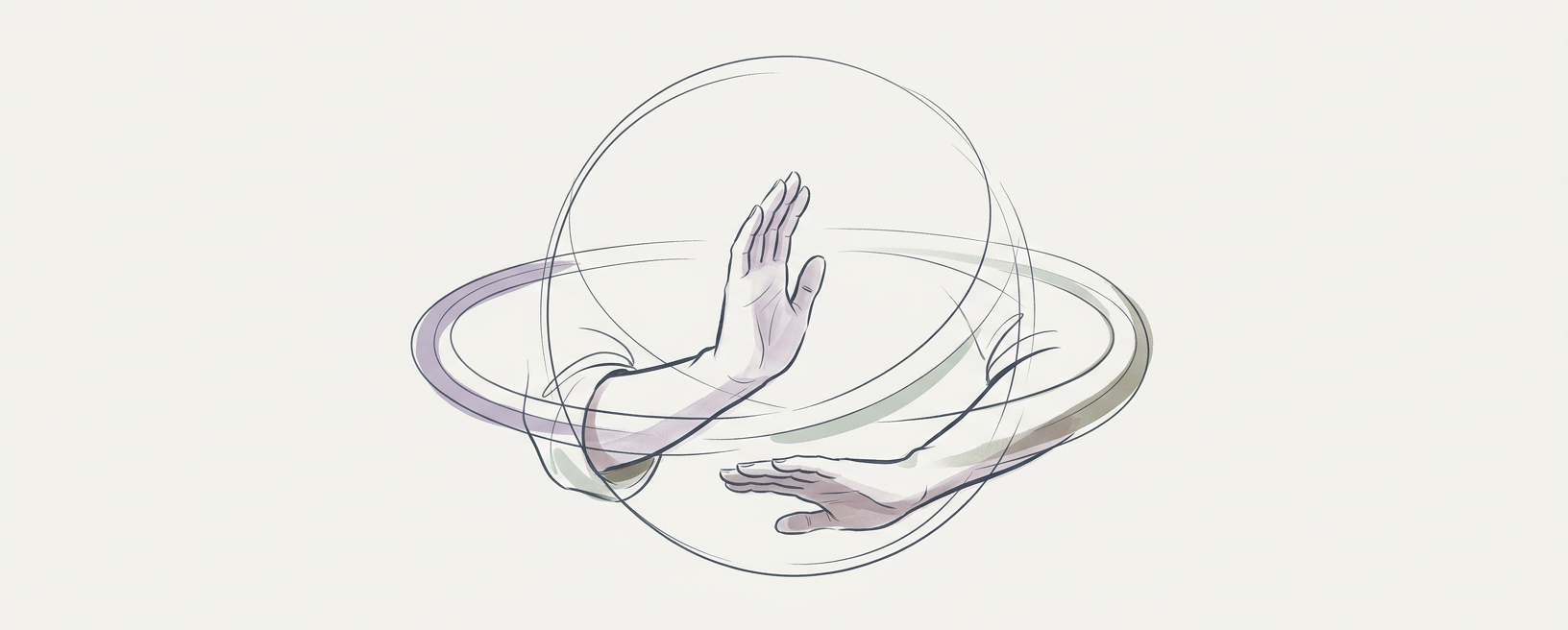
This Tai Chi movement calms the nervous system through fluid weight shifts and coordinated upper body motion.
tai chi · Yang-style Tai Chi (Yang Chengfu) · It addresses a state of static tension and mental overload by inviting fluid, continuous movement. · 5–7 minutes, continuous flow
Why it works
Wave Hands Like Clouds engages the parasympathetic nervous system through its slow, rhythmic nature and emphasis on continuous, flowing motion. The smooth, cyclical weight transfers across the lower body activate proprioceptors, sending sensory feedback that downregulates the sympathetic fight-or-flight response. Concurrently, the gentle, coordinated rotation of the torso and shoulders, combined with arm movements, promotes fascial hydration and extensibility through the superficial front and back lines. This continuous, low-amplitude movement helps to release myofascial restrictions in the chest, shoulders, and hips, areas often constrained by prolonged static postures. It encourages a perception of spaciousness within the body, reducing overall tissue load and fostering a sense of embodied calm.
How to practice
Stand with feet shoulder-width apart, knees soft, and pelvis neutral. Feel your weight evenly distributed across both feet.
Shift your weight entirely onto your right foot. As you do, allow your left foot to lift slightly and step out to the left, wider than shoulder-width, then softly return it to the floor. Your hips move gently with this shift.
As you shift left, your left hand rises to chest height, palm facing you, while your right hand lowers to your side, palm facing down. Imagine rotating a large invisible ball between your hands. Let your gaze follow your rising hand.
Shift your weight back to the right. As you do, your right hand rises while your left hand lowers, mirroring the previous movement. Your left foot will step in slightly as you shift, then out again as you prepare for the next leftward shift.
Continue this alternating weight shift, allowing your arms to move fluidly in opposition, as if gently sweeping through air. Maintain a soft, continuous motion, letting your breath deepen naturally with the rhythm.
Keep your core gently engaged—not rigid—to support the spinal rotation. Focus on the feeling of being rooted through the weighting foot and light through the unweighting foot.
Stand with feet shoulder-width apart, knees soft, and pelvis neutral. Feel your weight evenly distributed across both feet.
Shift your weight entirely onto your right foot. As you do, allow your left foot to lift slightly and step out to the left, wider than shoulder-width, then softly return it to the floor. Your hips move gently with this shift.
As you shift left, your left hand rises to chest height, palm facing you, while your right hand lowers to your side, palm facing down. Imagine rotating a large invisible ball between your hands. Let your gaze follow your rising hand.
Shift your weight back to the right. As you do, your right hand rises while your left hand lowers, mirroring the previous movement. Your left foot will step in slightly as you shift, then out again as you prepare for the next leftward shift.
Continue this alternating weight shift, allowing your arms to move fluidly in opposition, as if gently sweeping through air. Maintain a soft, continuous motion, letting your breath deepen naturally with the rhythm.
Keep your core gently engaged—not rigid—to support the spinal rotation. Focus on the feeling of being rooted through the weighting foot and light through the unweighting foot.