Daily movement
The eyes-closed single-leg stand for neural balance and stability
Improve dynamic balance and proprioception through neural challenge and refined ankle strategy.
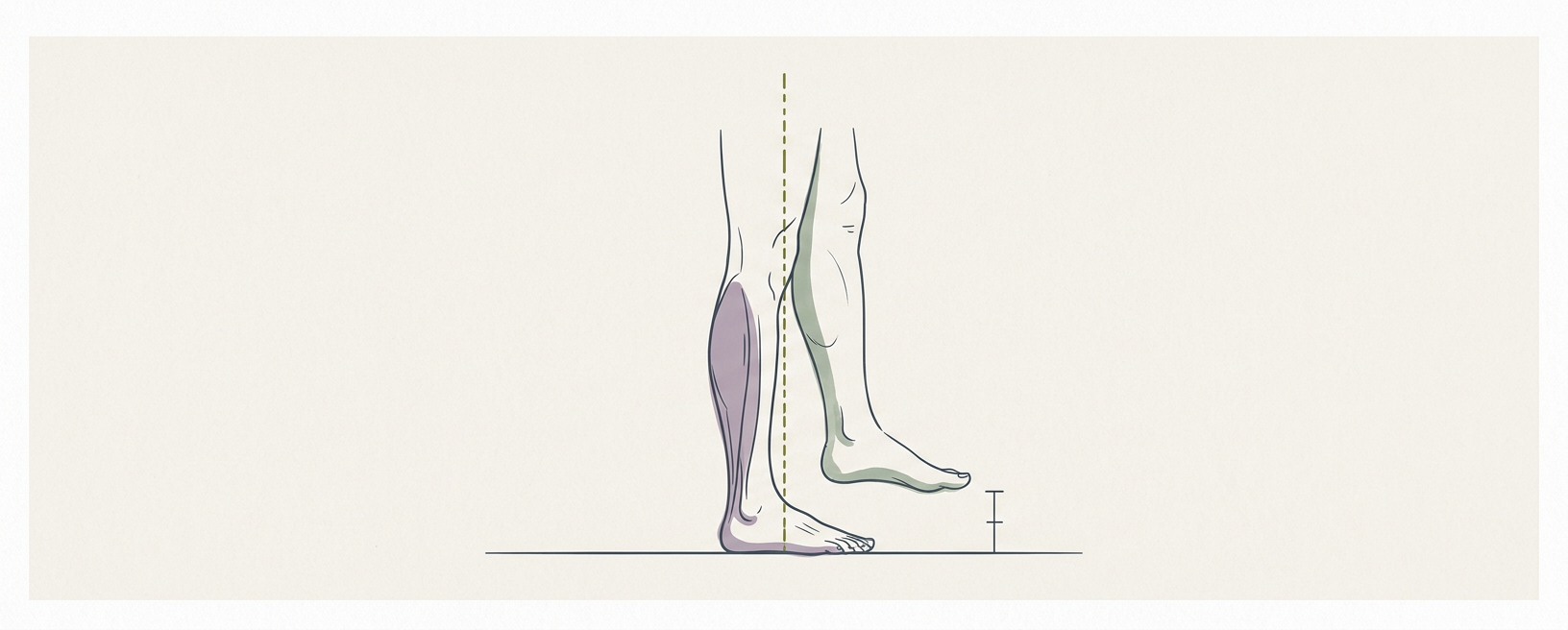
Improve dynamic balance and proprioception through neural challenge and refined ankle strategy.
balance / proprioception · Based on practices explored by Paul Chek and others in corrective exercise. · This meets the felt state of disorientation or ungroundedness, particularly after sensory overload or relational static. · 3 rounds per side, 30–60 seconds per round.
Why it works
Balancing with eyes closed disrupts visual input, forcing the brain to rely more heavily on proprioceptive feedback from mechanoreceptors in the joints and muscles, particularly around the ankle and foot. This neural challenge refines the brain’s ability to interpret and respond to subtle shifts in pressure and joint position, improving reactive stability. On a tissue level, it engages the intrinsic foot muscles and peroneal muscles, which are crucial for ankle stabilization. The lack of visual reference also demands a higher degree of attentional focus, which can help regulate an overstimulated nervous system by channeling mental energy into a precise, present-moment task. This practice strengthens the sensorimotor loop, leading to more efficient and automatic postural adjustments and a greater sense of bodily control and groundedness.
How to practice
Find a quiet, open space. I like to do this barefoot on a firm surface, like a hardwood floor, for better sensory input.
Stand tall with feet hip-width apart. Shift your weight slightly onto your right foot, maintaining a soft knee. Feel the entire sole of your foot on the ground.
Lift your left foot just an inch or two off the floor. Fix your gaze on a non-moving point straight ahead. Hold here for 10-15 seconds, noticing how your ankle makes small, constant adjustments.
Gently close your eyes. Immediately notice the increased challenge. Allow your body to sway slightly as it finds its new equilibrium. Focus your attention on the subtle movements in your standing foot and ankle.
Breathe slowly and deeply into your belly. Aim for smooth, controlled inhales and exhales, which helps calm the nervous system and improves concentration. If you feel too unstable, you can briefly touch your toe down or open your eyes, then reset.
Hold for 30–60 seconds, or as long as you can maintain control without excessive wobbling. The goal isn't stillness, it's controlled movement.
Open your eyes and place your foot down. Take a moment to notice the difference in sensation between your two feet.
Repeat on the left side. My left side is always harder; yours might be too.