Daily movement
Nasal breathing cool-down for post-interval recovery
This practice down-regulates the nervous system and accelerates physiological recovery after intense exercise.
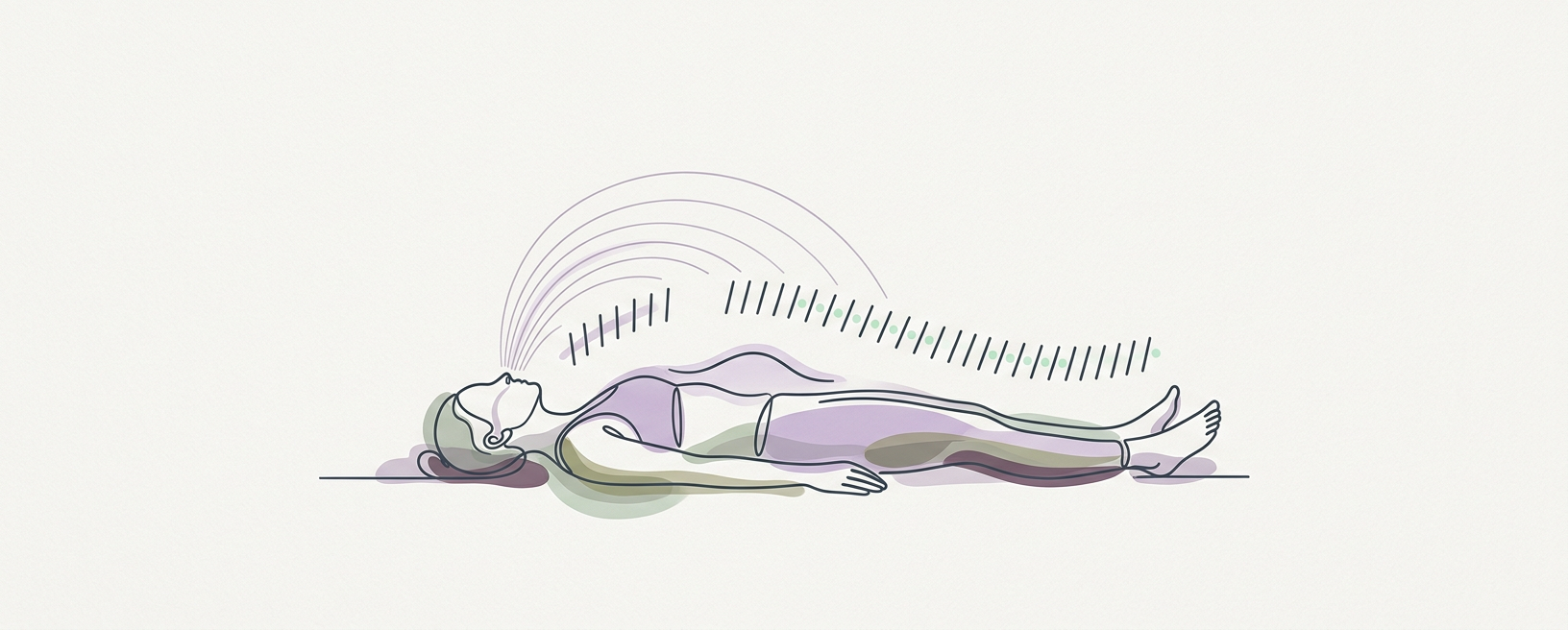
This practice down-regulates the nervous system and accelerates physiological recovery after intense exercise.
athlete recovery / readiness · Sports science recovery protocols (Stephen Seiler) · This meets the physiological state of sympathetic nervous system overdrive after high-intensity interval training, characterized by elevated heart rate and respiratory rate. · 5–10 minutes, immediately post-workout
Why it works
After intense exercise like interval training, the body is in a fight-or-flight state, dominated by the sympathetic nervous system. Directing attention to nasal breathing—especially slow, controlled exhalations—stimulates the vagus nerve, which is a primary conduit of the parasympathetic nervous system. This activation shifts the body towards a 'rest and digest' state, reducing heart rate variabilitiy (HRV) and lowering circulating stress hormones like cortisol. At the tissue level, this shift promotes vasodilation, improving blood flow to fatigued muscles for nutrient delivery and waste removal. The slow diaphragmatic breathing also mobilizes the diaphragm, which can become stiff during high-exertion efforts, allowing for more efficient gas exchange and reducing accessory breathing muscle tension in the neck and shoulders. It's a direct signal to the body that the danger (high-intensity effort) has passed.
How to practice
Find a quiet space. After your last interval, walk slowly for 30-60 seconds. Then, either sit or lie down comfortably. I prefer lying supine on a yoga mat, legs extended, arms by your sides.
Close your mouth. Throughout this practice, you’ll breathe only through your nose. If nasal passages feel congested, a quick blow or saline spray can help. The goal is to make nasal breathing accessible, not a struggle.
Inhale slowly through your nose. Focus on filling your lower lungs first, feeling your abdomen gently rise. Keep your chest relatively still. Count silently to 3 or 4 during this inhale.
Exhale slowly and completely through your nose. Aim for an exhalation that is noticeably longer than your inhalation. Try counting to 6 or 8. Feel your abdomen soften and gently fall. The longer exhalation is key for vagal tone.
Maintain a smooth, continuous rhythm. Avoid holding your breath at the top or bottom of the breath cycle. Just a gentle, continuous flow of air in and out through your nose.
Gaze softly upwards or close your eyes. Direct your awareness to the subtle sensation of air moving through your nostrils. Let your jaw relax.
Find a quiet space. After your last interval, walk slowly for 30-60 seconds. Then, either sit or lie down comfortably. I prefer lying supine on a yoga mat, legs extended, arms by your sides.
Close your mouth. Throughout this practice, you’ll breathe only through your nose. If nasal passages feel congested, a quick blow or saline spray can help. The goal is to make nasal breathing accessible, not a struggle.
Inhale slowly through your nose. Focus on filling your lower lungs first, feeling your abdomen gently rise. Keep your chest relatively still. Count silently to 3 or 4 during this inhale.
Exhale slowly and completely through your nose. Aim for an exhalation that is noticeably longer than your inhalation. Try counting to 6 or 8. Feel your abdomen soften and gently fall. The longer exhalation is key for vagal tone.
Maintain a smooth, continuous rhythm. Avoid holding your breath at the top or bottom of the breath cycle. Just a gentle, continuous flow of air in and out through your nose.
Gaze softly upwards or close your eyes. Direct your awareness to the subtle sensation of air moving through your nostrils. Let your jaw relax.