Daily movement
Knocking on the Door of Life (Ming Men)
A gentle, rhythmic torso rotation to release spinal tension and stimulate organ function.
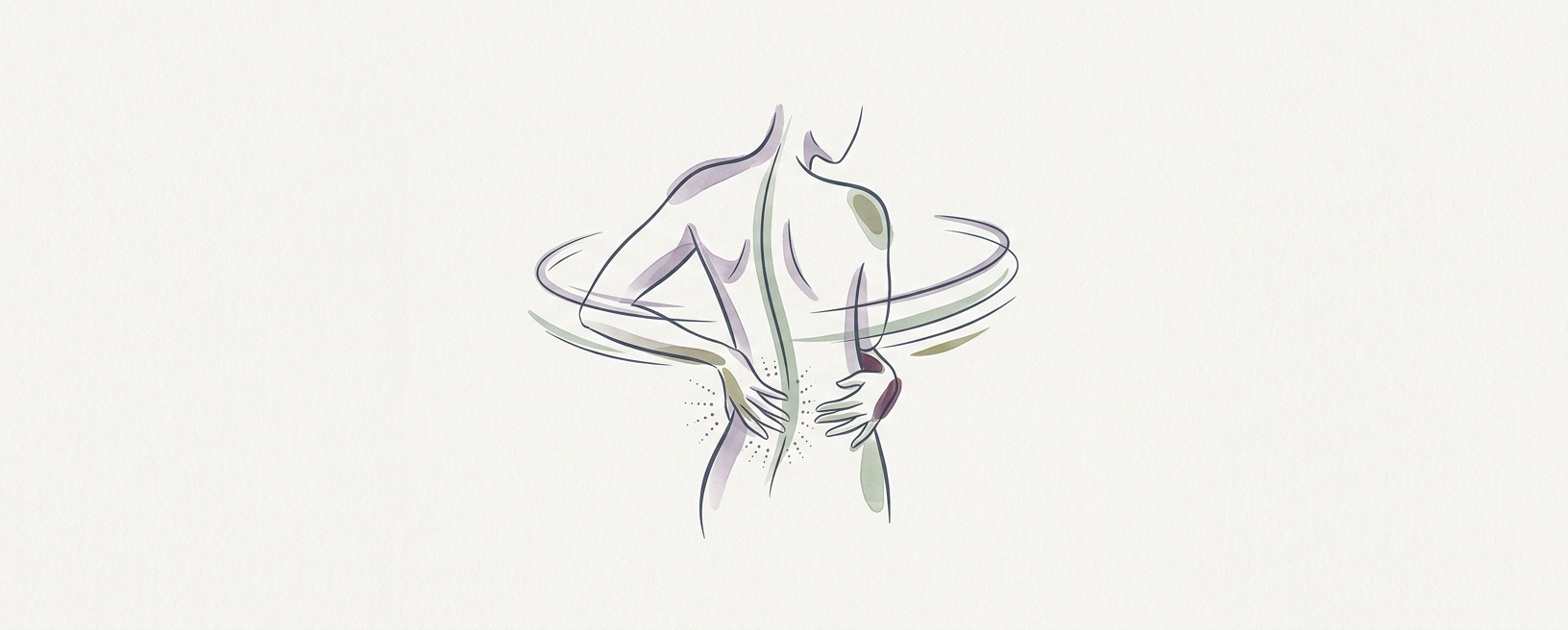
A gentle, rhythmic torso rotation to release spinal tension and stimulate organ function.
Medical Qigong · Taoist Qigong, popularized by Mantak Chia and Lee Holden. · Stress, anxiety, stiffness in the back and hips, stagnant energy. · Perform for 3-5 minutes, 1-3 times daily, or as needed for stress reduction and mobility.
Why it works
This movement targets the Ming Men (Door of Life) point in the lumbar spine, which is a significant energy gateway in Traditional Chinese Medicine. The gentle twisting action mobilizes the vertebrae, massages internal organs, and stimulates the flow of qi and blood. The rhythmic, repetitive nature of the movement downregulates the sympathetic nervous system, promoting a parasympathetic (rest and digest) state. The passive arm swing helps to release tension in the shoulders and neck.
How to practice
Starting Position: Stand with feet shoulder-width apart, knees slightly bent, and spine long. Arms hang loosely at your sides.
Initiate the Twist: Gently rotate your torso from side to side, allowing your arms to swing naturally around your body. The movement originates from the waist, not the shoulders.
Arm Placement: Allow one hand to lightly tap the lower back (Ming Men area) and the other hand to lightly tap the abdomen or rib cage. The taps are not forceful, but rather a gentle proprioceptive input.
Head Movement: Allow your head to follow the natural rotation of your torso, gazing softly to the side as you twist.
Relaxation: Keep your shoulders relaxed and your breath soft and natural.
Starting Position: Stand with feet shoulder-width apart, knees slightly bent, and spine long. Arms hang loosely at your sides.
Initiate the Twist: Gently rotate your torso from side to side, allowing your arms to swing naturally around your body. The movement originates from the waist, not the shoulders.
Arm Placement: Allow one hand to lightly tap the lower back (Ming Men area) and the other hand to lightly tap the abdomen or rib cage. The taps are not forceful, but rather a gentle proprioceptive input.
Head Movement: Allow your head to follow the natural rotation of your torso, gazing softly to the side as you twist.
Relaxation: Keep your shoulders relaxed and your breath soft and natural.