Daily movement
Dynamic Cat-Cow (Marjaryasana-Bitilasana) with Breath Coordination
A spinal articulation practice to lubricate the vertebrae, release tension, and synchronize movement with breath, promoting a sense of ease and fluidity.
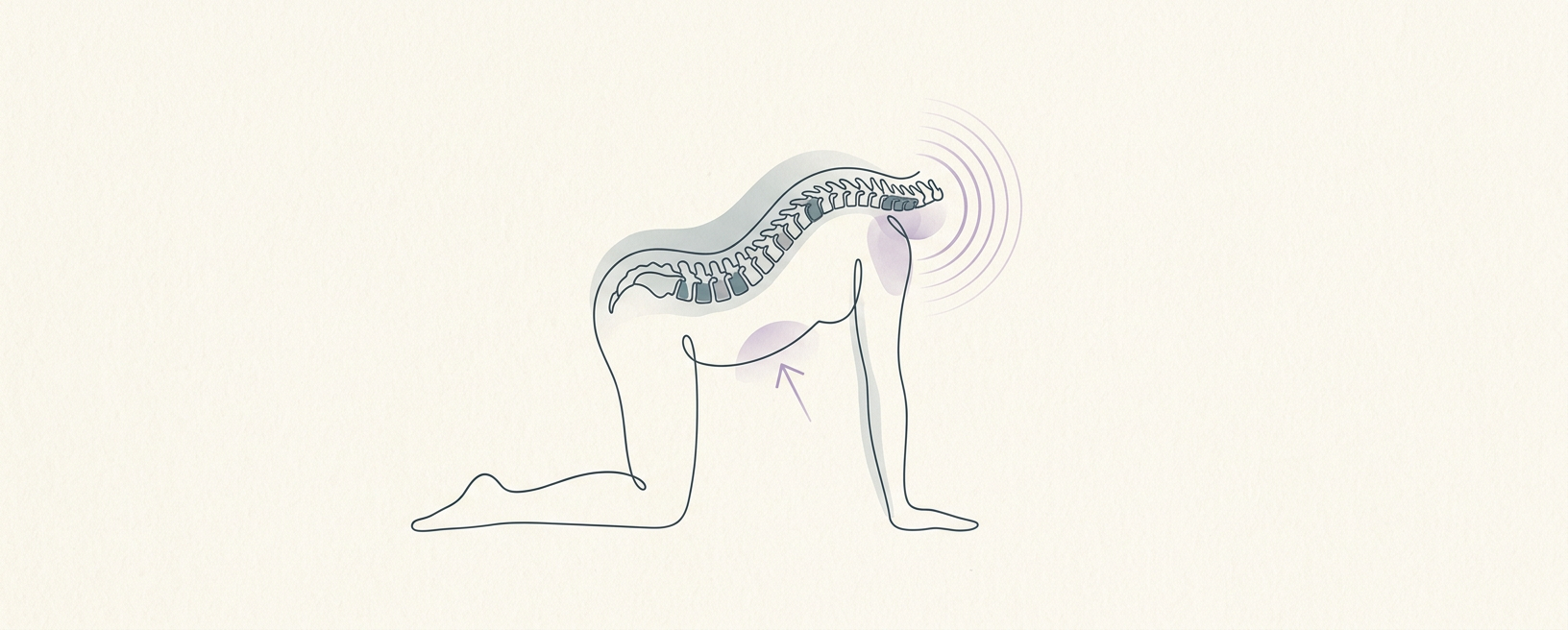
A spinal articulation practice to lubricate the vertebrae, release tension, and synchronize movement with breath, promoting a sense of ease and fluidity.
Yoga (Hatha, Vinyasa) · Hatha Yoga; popularized in contemporary vinyasa and somatic practices. · Spinal stiffness, mental or physical tension, feelings of being "stuck" or rigid. · Perform for 3-5 minutes, approximately 10-15 repetitions, or as desired for somatic release. Can be integrated multiple times throughout the day.
Why it works
The undulating movement of the spine in flexion and extension mobilizes the vertebral column, increasing synovial fluid flow and nourishing intervertebral discs. Synchronizing this movement with the breath deeply engages the parasympathetic nervous system through rhythmic diaphragmatic breathing, promoting vagal tone. This active, yet gentle, range of motion can release fascial restrictions along the spine and back muscles, reducing localized tension and contributing to a global sense of calm and integration.
How to practice
Begin on all fours: hands beneath shoulders, knees beneath hips. Fingers are spread, pressing through the metacarpals and fingertips, not just the heel of the hand. Maintain a neutral spine.
Inhale: Initiate movement from the pelvis, allowing the tailbone to lift, then sequentially articulate the spine such that the belly softens toward the floor, chest opens, and gaze lifts slightly. Avoid compressing the neck. Focus on the sensation of lengthening the front body.
Exhale: Initiate movement from the pelvis, tucking the tailbone under, sequentially rounding the spine. Draw the navel toward the spine, letting the head release gently toward the floor. Focus on the sensation of lengthening the back body.
Continue this dynamic flow, allowing the breath to lead the movement through the full range of spinal flexion and extension. The movement should be fluid, not segmented.
Begin on all fours: hands beneath shoulders, knees beneath hips. Fingers are spread, pressing through the metacarpals and fingertips, not just the heel of the hand. Maintain a neutral spine.
Inhale: Initiate movement from the pelvis, allowing the tailbone to lift, then sequentially articulate the spine such that the belly softens toward the floor, chest opens, and gaze lifts slightly. Avoid compressing the neck. Focus on the sensation of lengthening the front body.
Exhale: Initiate movement from the pelvis, tucking the tailbone under, sequentially rounding the spine. Draw the navel toward the spine, letting the head release gently toward the floor. Focus on the sensation of lengthening the back body.
Continue this dynamic flow, allowing the breath to lead the movement through the full range of spinal flexion and extension. The movement should be fluid, not segmented.