Daily movement
Cloud Hands (Wave Hands Like Clouds)
A foundational Tai Chi movement promoting fluid weight transfer and tranquil nervous system regulation.
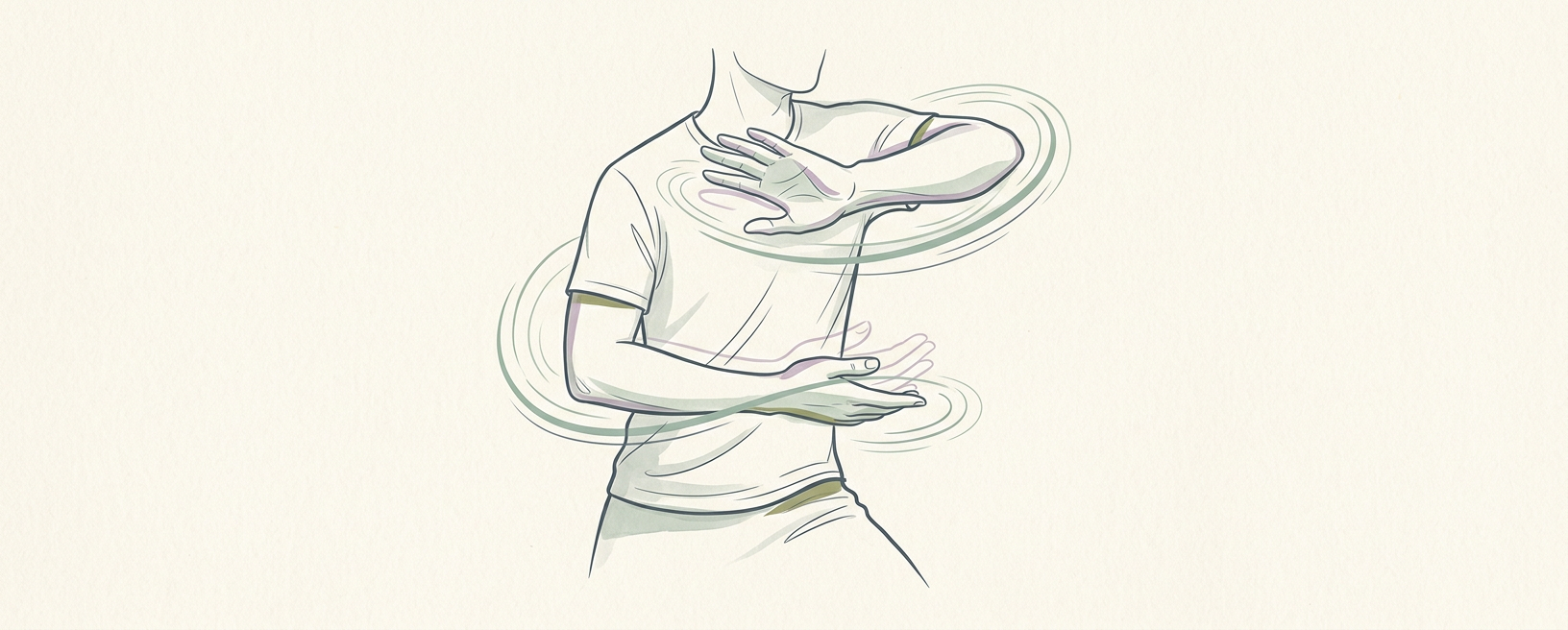
A foundational Tai Chi movement promoting fluid weight transfer and tranquil nervous system regulation.
Tai Chi Chuan, Yang-style. · Yang-style Tai Chi, adapted from Chen-style. · Stress, anxiety, difficulty with balance or coordination, mental overstimulation, sympathetic nervous system dominance. · Perform for 5-10 minutes daily. Can be broken into shorter 2-3 minute segments throughout the day.
Why it works
The slow, continuous rotation of the torso and arms, coordinated with shifting weight from one leg to the other, gently mobilizes the spine and hips. This rhythmic, full-body engagement, coupled with focused, deep breathing, down-regulates the sympathetic nervous system and activates the parasympathetic response. The continuous, cyclical nature of the movement bypasses rigid mental constructs, fostering a state of calm awareness and proprioceptive integration. Tissue-wise, it encourages fascial hydration and extensibility through gentle, sustained movement, rather than forceful stretching.
How to practice
Starting Position: Stand with feet shoulder-width apart, knees slightly bent, and body upright but relaxed. Arms hang naturally by your sides. Gaze is soft and forward.
Initiate Weight Shift: Gently shift your weight to your right leg. As this occurs, the left arm begins to rise, elbow leading, palm down, as if reaching forward and slightly upward to shoulder height.
Torso Rotation & Arm Cycle: Simultaneously, the right hand drops and moves inwards towards the body. As your weight continues to shift, smoothly rotate your torso to the left, allowing the rising left arm to arc across your front, palm now facing inward, as if "clouding" to the left. The right arm, having dropped, begins to rise with the palm facing up, following the torso’s rotation.
Opposite Shift: As the left arm reaches its apex at the left side of your body, and the torso has rotated, begin to shift your weight to your left leg. The right arm now starts its upward arc, palm down, as if reaching forward and slightly upward to shoulder height.
Continuous Flow: The movement is continuous, like a rotating sphere. As one arm "clouds" across the body, palm down, the other arm drops and begins to rise, palm up, ready to cycle. The gaze follows the lead hand loosely, maintaining a soft focus. The knees remain bent, and the waist drives the movement.
Starting Position: Stand with feet shoulder-width apart, knees slightly bent, and body upright but relaxed. Arms hang naturally by your sides. Gaze is soft and forward.
Initiate Weight Shift: Gently shift your weight to your right leg. As this occurs, the left arm begins to rise, elbow leading, palm down, as if reaching forward and slightly upward to shoulder height.
Torso Rotation & Arm Cycle: Simultaneously, the right hand drops and moves inwards towards the body. As your weight continues to shift, smoothly rotate your torso to the left, allowing the rising left arm to arc across your front, palm now facing inward, as if "clouding" to the left. The right arm, having dropped, begins to rise with the palm facing up, following the torso’s rotation.
Opposite Shift: As the left arm reaches its apex at the left side of your body, and the torso has rotated, begin to shift your weight to your left leg. The right arm now starts its upward arc, palm down, as if reaching forward and slightly upward to shoulder height.
Continuous Flow: The movement is continuous, like a rotating sphere. As one arm "clouds" across the body, palm down, the other arm drops and begins to rise, palm up, ready to cycle. The gaze follows the lead hand loosely, maintaining a soft focus. The knees remain bent, and the waist drives the movement.