EDITION 8 |
The Nervous State
I
|
The Trauma Legacy
Why your parents' stress can literally change your stress response.
|  |
|
A note for this week
II
| A note for this week | 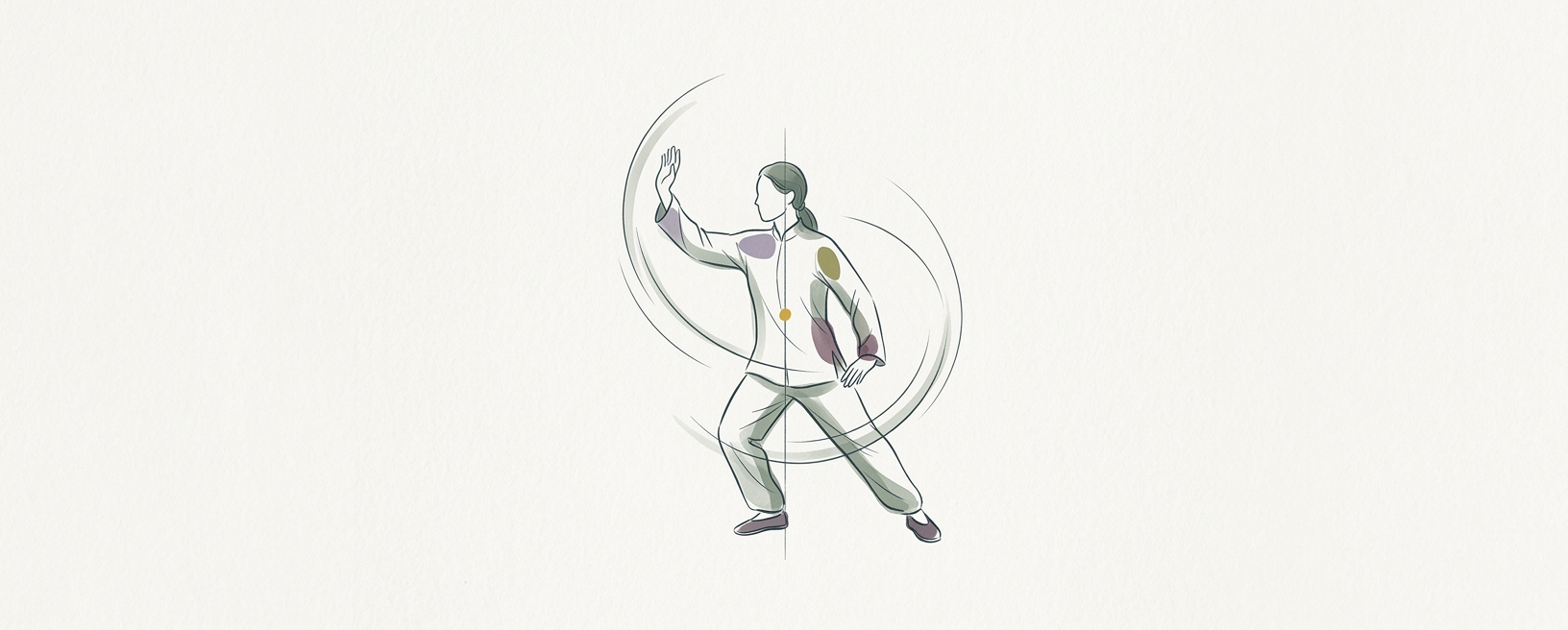 | Inheritance is a word that can make uncertainty sound settled. Put it next to trauma and a compelling story almost writes itself. This edition needed a slower reading: what might pass between generations, through which mechanisms, and how confidently can we say so? Family circumstances, learned responses and biological findings shouldn't be folded into one dramatic explanation.
Updating my understanding here means resisting the neatest version. A finding about stress across generations doesn't tell an individual that their future has already been decided. Nor does a plausible mechanism prove every personal story attached to it. Those limits are part of the knowledge I want to share, not qualifications to get out of the way.
The sleep-tech review offers a different kind of restraint: more observation doesn't automatically produce better rest. Across both subjects, I'm asking what the information actually allows us to conclude. What You Inherit should open a conversation about context and possibility. It shouldn't hand anyone a family history and call it a sentence.
— Sabin |
|
The Masthead
III
| Kokorology | | What Kokorology means
Kokoro is Japanese for the alignment of heart, mind, body and soul. The -logy is the ambition: that wellness stops being a lifestyle aisle and becomes a school subject.
Who writes this
I'm Sabin — founder, builder and writer, working across wellness, AI, design and independent media. Kokorology brings my reading on the nervous system together with practices, protocols and tools for everyday life.
I update my understanding as I read. This magazine is where I share the threads worth following: research, daily reads, movement, routines and the questions behind them. | |
More about Kokorology and Sabin
kokorology.com/about
|
|
Contents
V
| Week of Monday 7 September | 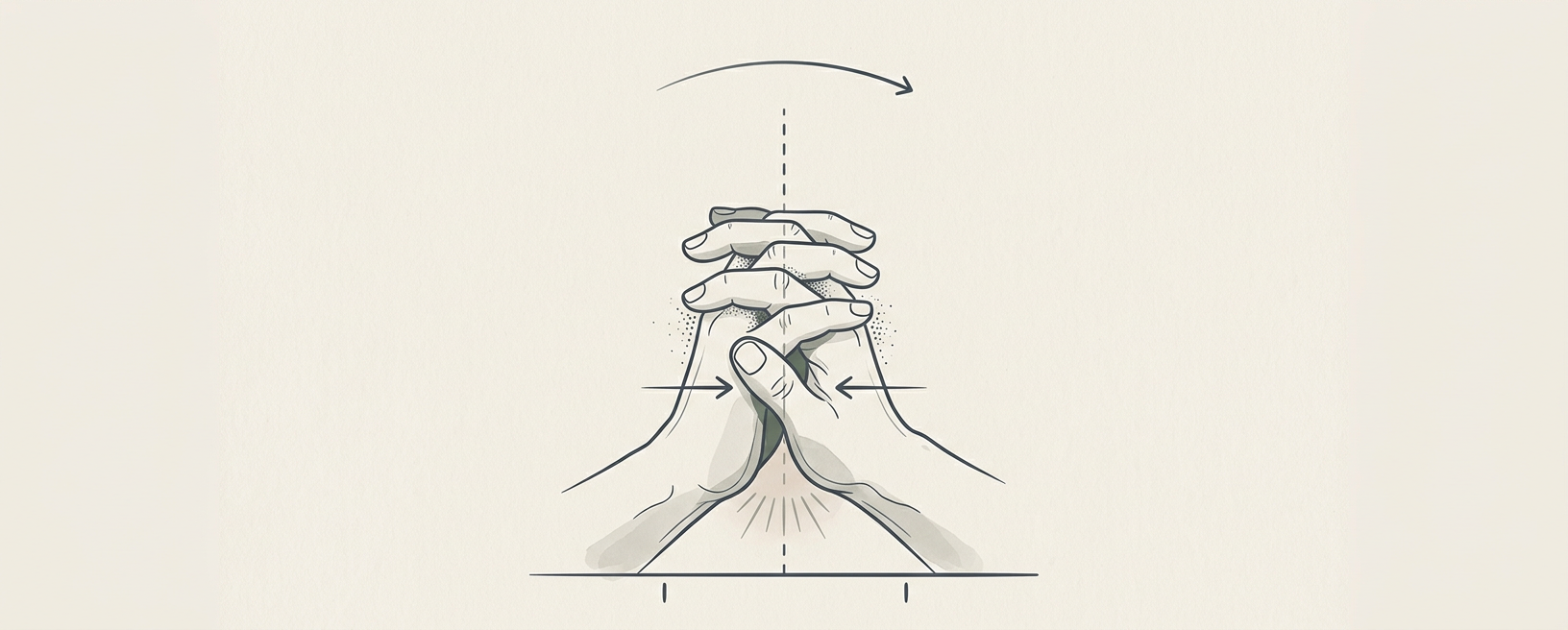 | |
A note for this week
From Sabin
| |
The Masthead
Kokorology and who writes this
| |
Keep in touch
The conversation continues
| |
The Read
Your inherited baseline: how stress shapes generations
| |
The Week in Briefs
6 daily reads, one page each.
| |
Signals
What the headlines are saying, and what your body is hearing.
| |
The Verdict
Sleep Tech: More Sensors, Less Sleep
| |
Evidence
What the latest research says about your body’s operating system.
| |
The Practice
The Post-Exertion Reset
| |
The Movement
Pelvic Clock for Spinal Freedom
| |
The Routine
Post-Workout Re-regulation
| |
Also this week
77 pieces recapped.
| |
Correspondence
Where to go next.
|
|
The Read
VI
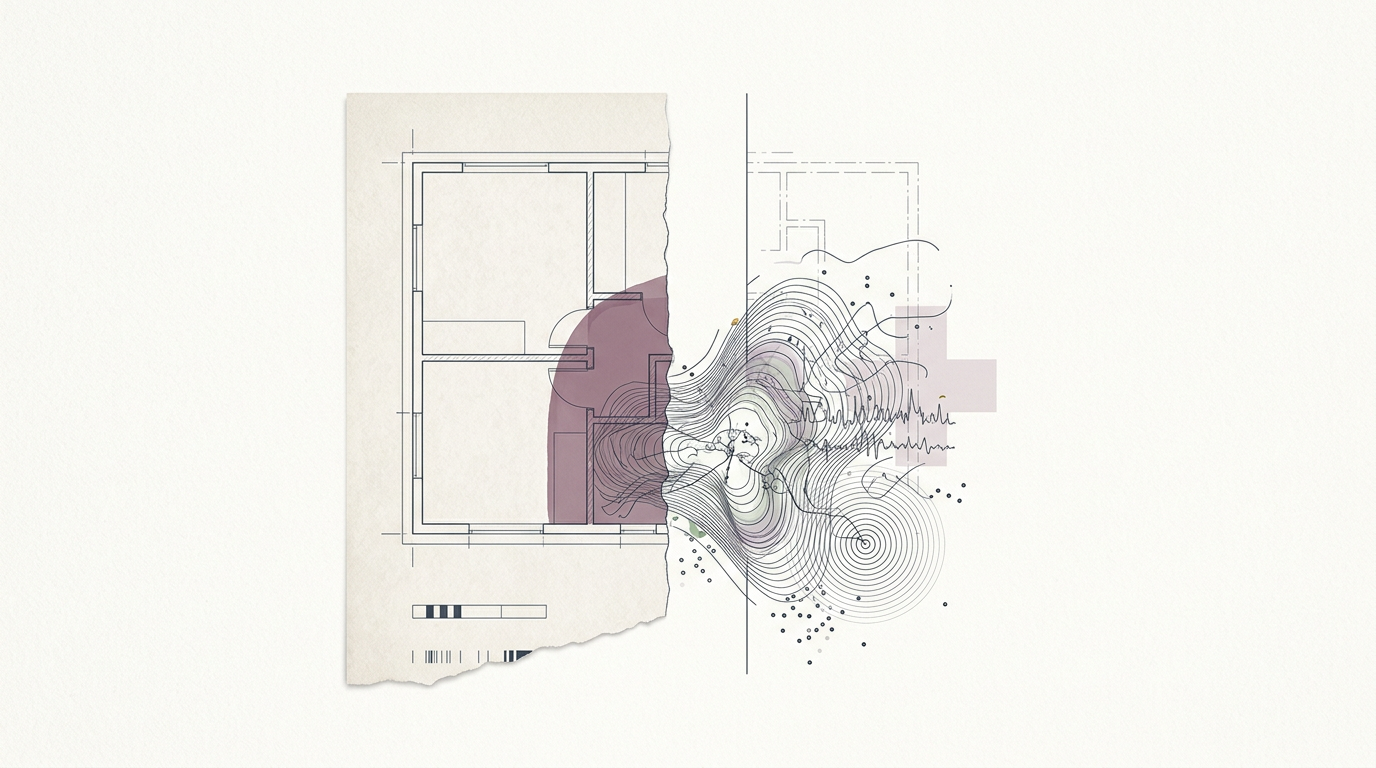
| Your inherited baseline: how stress shapes generations | The chronic hum of your nervous system isn’t always your own. Sometimes, it’s a reverberation from a past you never lived. | I often hear people describe their anxiety as 'just how I am,' or 'always been like this.' We tend to internalize these states, framing them as intrinsic traits. But what if that 'always been like this' isn't just about your unique makeup or recent experiences? What if it's a legacy, imprinted before you were born?
It's a confronting thought: the idea that some of our most deeply felt states — our baseline capacity, our susceptibility to feeling tired but wired — might be influenced by the experiences of our parents and even grandparents. This isn’t about vague psychological inheritance; it's about actual biological shifts. When a nervous system experiences prolonged, intense stress, it adapts. And sometimes, those adaptations get passed on.
Take the findings from Videnskab.dk, highlighting children born to 9/11 first responders. They show altered stress responses, specifically lower cortisol levels, a pattern often seen in PTSD. This isn't coincidence. This is a physiological imprint. It suggests that trauma experienced by parents can alter a child's nervous system regulation even before birth. Dr. Rachel Yehuda’s work at Mount Sinai has explored this for years, looking at how the offspring of Holocaust survivors also show changes in cortisol sensitivity. Your body literally keeps the score, and it can pass it down. It means understanding a person's stress capacity might need to look beyond their own lived experience.
This isn’t to say you're condemned by your ancestors' battles. It just means that the starting line for your own regulation might be different. Your HPA axis, your body's central stress response system, can be dialed up or down based on these early, even pre-natal, influences. It shapes your capacity for handling future load. It means some of us are walking into life with a nervous system that's already operating on a different program, having learned lessons from a trauma it never directly experienced. That's a lot of static to manage.
So, what do you do with this information? First, it’s not a moral failing. It’s a biological reality. Second, it gives you a different lens on your own responses. Your quick temper, your constant worry, your difficulty relaxing — these aren’t necessarily character flaws. They might be echoes of a system that learned to be on high alert generations ago. It changes the conversation from 'what's wrong with me?' to 'what load has my system adapted to, and what can I do to re-regulate it now?' Your body can adapt, but it needs consistent signals of safety and regulation to shift its baseline. Understanding the depth of the imprint is the first step towards writing a new script. | |
Your body literally keeps the score, and it can pass it down.
| |
Read the original
www.kokorology.com/r/4ynahij
|
|
The Week in Briefs
VII
| Data Bias, Nutrition Shifts: Human-Scale Problems Remain | Advanced neuroscience still grapples with fundamental human challenges. | 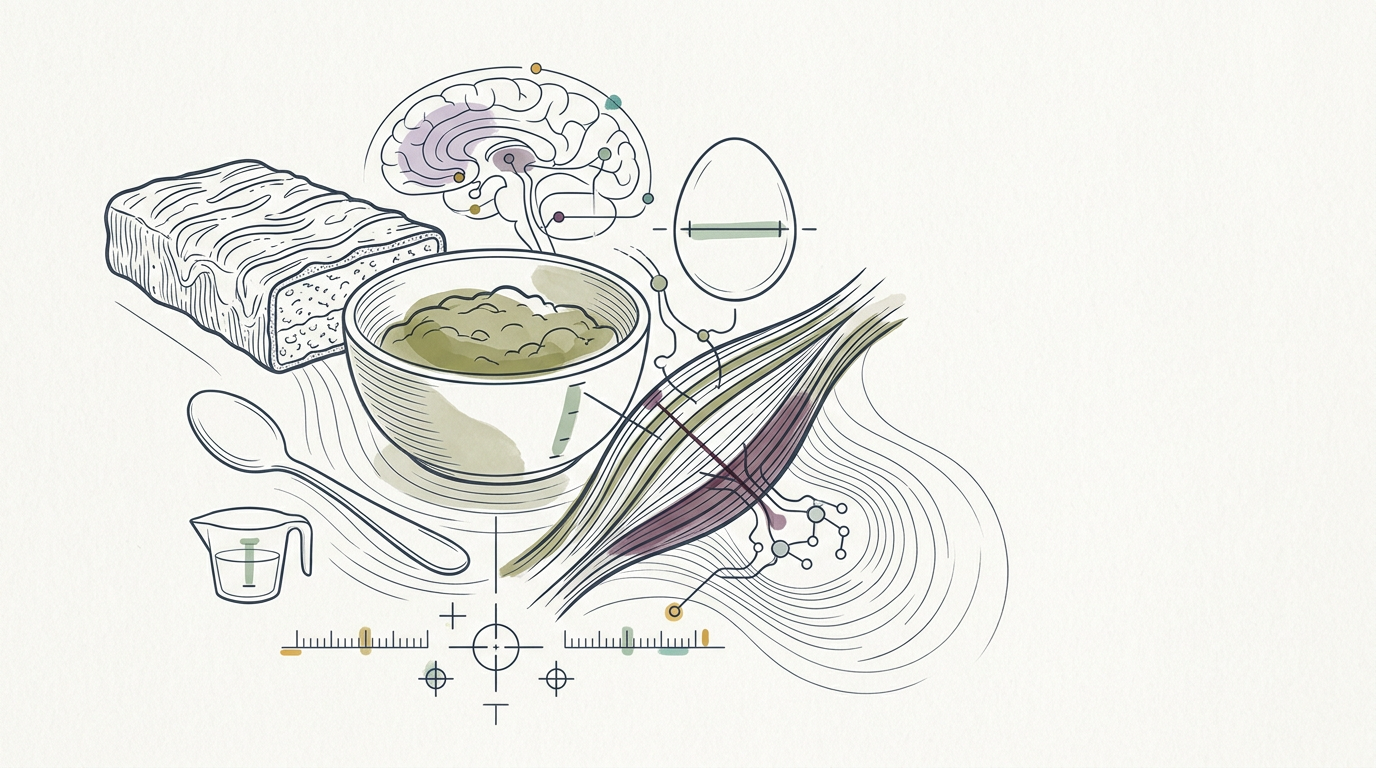 | Today's patterns show advanced neuroscience revealing the brain’s wiring and adaptation, while biotech tools push boundaries. However, these advancements still hit human-scale problems like data bias and nutritional shifts. This is a critical reminder that while we chase cutting-edge solutions, the foundational elements of well-being — like access to diverse data sets or adequate nutrition for a stable nervous system — remain largely unresolved. Without addressing these, even the most sophisticated tools risk widening existing disparities, making it harder for some to regulate their baseline states. It’s a call to ground our ambition in basic needs. | |
Read the full daily read
www.kokorology.com/r/4qrvd95
|
|
The Week in Briefs
VIII
| Longevity Scales, Policy Pushes Mental Health & Plastic | Anti-aging science grows, but policy shifts impact everyday wellness. |  | Longevity science is scaling, from anti-aging patents to cell therapies, yet policy pushes back on plastic and mental health funding changes. I see the market chasing radical life extension with one hand, while the other hand is grappling with the basics: clean environments and accessible mental health support. The 'reinvent yourself' industrial complex has made us feel like we need to ditch everything we've ever been. But as news signal 1 suggests, true longevity isn't about discarding your past, it’s about integration. These policy shifts will directly impact the collective load on our nervous systems, determining who gets access to the fundamental elements of a regulated state. | |
Read the full daily read
www.kokorology.com/r/6kcv22j
|
|
The Week in Briefs
IX
| Nervous System Focus Sharpens; Longevity Segments | Market focuses on neurology, while longevity research targets specific biopathways. |  | Market patterns show a sharpened focus on the nervous system’s role in health and disease. Meanwhile, longevity R&D segments populations by genetics and specific biological pathways. This means we're moving towards hyper-personalized health, which can be fantastic for targeted issues. But it also means that the benefits might be unevenly distributed. As US health insurers’ vertical integration impacts patient cost and access, I’m watching to see if these innovations become widely accessible or remain niche. A true shift would mean these insights translate to broader improvements in regulating the human nervous system, not just for the genetically 'optimized' few. | |
Read the full daily read
www.kokorology.com/r/89su82r
|
|
The Week in Briefs
X
| Health Market Swings: High-End vs. Granular Interventions | Wellness trends oscillate between luxury destinations and precise health hacks. |  | Today's moves show the health market swinging between massive, high-end destinations like Saudi Arabia's AMAALA Triple Bay (signal 55) and precise, granular interventions in the body and brain. This dichotomy highlights a core tension: is wellness a luxury experience or a series of accessible, targeted hacks? I'm watching to see how proposed AI regulations translate into actual product approvals, and which of these approaches gains traction. The ultimate goal should be reducing the nervous system load for as many people as possible, not just those who can afford exclusive retreats or highly specialized tech. | |
Read the full daily read
www.kokorology.com/r/9vnip7i
|
|
The Week in Briefs
XI
| Environment, Politics, Trauma Pressures Mount on Health | External stressors and tech solutions collide in a complex health landscape. |  | Our bodies and minds are under pressure from environmental toxins, political gridlock, and the long shadow of trauma. All while the market races for tech-driven solutions. News signal 43, discussing intergenerational trauma from 9/11, is a stark reminder that some pressures aren't just current events but deep historical imprints on our nervous systems. While AI-driven diagnostic tools (signal 58) are promising, they won't solve the fundamental issue of systemic load. I'm watching policy debates around Medicaid work requirements, which signal broader trends in health equity. Because you can't regulate your body effectively if your daily life is a fight against systemic hurdles. | |
Read the full daily read
www.kokorology.com/r/tn98xov
|
|
The Week in Briefs
XII
| Health Access Gap Widens; Tech Targets Nervous System | Basic health access decreases as new tech focuses on specific neural loads. | | Market patterns show a widening gap in basic health access alongside new tech trying to fix specific nervous system loads. News signal 5, on Australia's NDIS reforms and the push for a Human Rights Act, underscores how policy shifts impact personal capacity and sense of safety. While bio-modulating tech (signal 6) offers targeted solutions, it won't compensate for a crumbling baseline of public services. I'm watching how policymakers respond to challenges in basic services—especially water rights and disability access—because these directly influence who can regulate their nervous system and maintain a stable state. Everyone wants a silver bullet, but sometimes the problem is just the lack of fundamental care. | |
Read the full daily read
www.kokorology.com/r/vymcppo
|
|
Signals
13
| What moved, and what it means | What the headlines are saying, and what your body is hearing. | 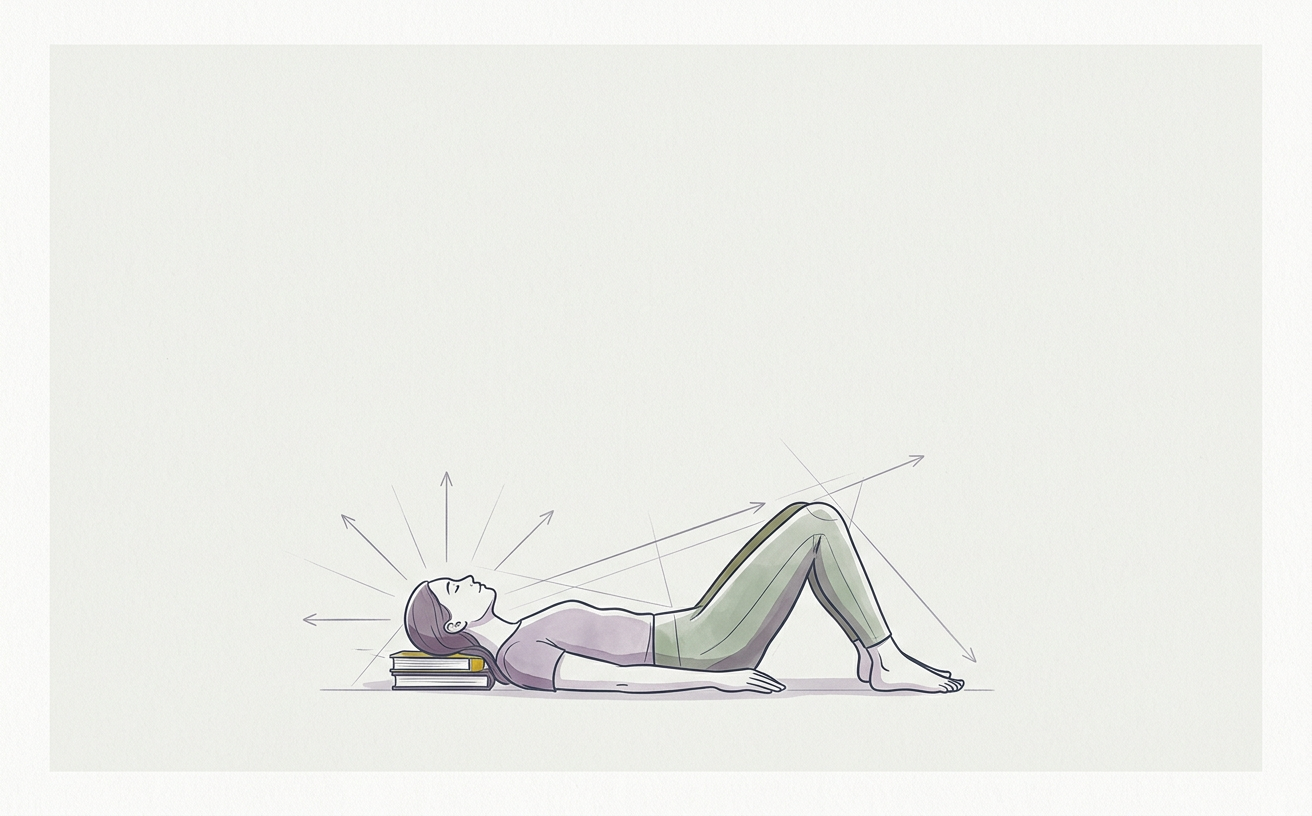 | |
Postpartum Depression isn't a Personal Failing, it's a Systemic Issue
The Better India (Health) · 13/09/2026
Postpartum depression isn't just an individual failing; it's a systems issue where unrealistic societal expectations collide with the biological reality of extreme load. The body's capacity to regulate takes a predictable hit under sustained stress.
| |
Arabic words for sadness show nuanced emotional states
Psyche · 13/09/2026
The specificity of language for sadness in Arabic allows for granular understanding and processing of internal states. Naming the precise flavor of distress helps the nervous system identify and address specific loads, rather than being overwhelmed by amorphous bad feelings.
| |
Global South health funding cuts shift burden to countries
The Lancet Global Health · 12/09/2026
Cuts to global health funding, especially from wealthy nations, shift financial burden to countries in the Global South. This directly impacts human nervous systems by reducing access to basic health services, increasing chronic stress, and hindering disease prevention.
| |
Equitable education recognized as core driver for Indigenous health
Croakey Health Media · 12/09/2026
Equitable education is a core driver for health, especially for Indigenous populations. Systemic inequities create a profound physiological load, manifesting as chronic stress and inflammation, directly shaping an individual's biology and capacity for regulation.
| |
Colombia earthquake spotlights mental health crisis in strained regions
The Lancet · 11/09/2026
An earthquake in an underserved region shatters the capacity for nervous system regulation for everyone. When a health system is already on life support, major shocks lead to collective, chronic stress, elevating cortisol and driving long-term health crises.
| |
9/11 Trauma Echoes in Offspring's Stress Response
Videnskab.dk (Health) · 11/09/2026
Children born to 9/11 first responders show altered stress responses, specifically lower cortisol levels, a pattern seen in PTSD. This suggests trauma experienced by parents can literally remodel their stress hardware, which then gets inherited, impacting the child's nervous system regulation before birth.
| |
German medical groups push for child climate protection
Deutsches Ärzteblatt · 10/09/2026
Medical and children's organizations in Germany are demanding stronger climate protection, recognizing the direct health impacts on young nervous systems. Chronic heat stress, respiratory issues, and anxiety from environmental instability push the sympathetic nervous system into overdrive, shaping what 'healthy' means for the next generation.
| |
Danes spend more time on self-care, Brits on housework, study finds
Videnskab.dk (Health) · 10/09/2026
Danes allocate significantly more time to exercise, sleep, and personal care than Brits, who spend more on chores and commuting. This highlights how cultural values and time allocation directly impact individual capacity for nervous system regulation, revealing time as a crucial currency for baseline state.
|
|
Kokorology product
14
| Start with whatever is costing you most this week. Each protocol is €40; stacking more lowers the price. |  |
|
The Verdict
15
| Sleep Tech: More Sensors, Less Sleep | The latest sleep tech measures everything, but doesn't necessarily help you sleep better. |  | I've reviewed the latest crop of sleep devices – from wearables like the Oura Ring Gen 4 to smart beds like the Eight Sleep Pod 4. My take? They're brilliant at data collection. You can get minute-by-minute readouts on heart rate variability, temperature, sleep stages, and even how many times your cat jumped on the bed at 3 AM. The problem is, they're often better at measuring your baseline state than changing it.
I rated them all a 'use-with-care 5/10' because while the data is compelling, the actual interventions they offer to improve sleep are often generic or require significant user effort. The Apple Watch Ultra 2 will tell you you're tired, but won't make you put down your phone. The Chilipad Dock Pro can cool your mattress, but it won't fix a racing mind. It’s easy to get lost in the numbers, mistaking data for wisdom. My advice is always to ground your efforts in practices that directly influence your nervous system's capacity, not just track its output. Sometimes the simplest interventions are the most effective. | |
Apple Watch Ultra 2
use with care · 5/10
| |
Chilipad Dock Pro
use with care · 5/10
| |
Eight Sleep Pod 4
use with care · 5/10
| |
Garmin Fenix 8
use with care · 5/10
| |
Hatch Restore 3
use with care · 5/10
| |
Loftie Clock
use with care · 5/10
| |
Muse S Athena
use with care · 5/10
| |
Oura Ring Gen 4
use with care · 5/10
| |
Read the full review
kokorology.com/product-reviews/sleep-devices-2026-oura-whoop-eight-sleep-review
|
|
Kokorology product
16
| A daily record of what your system is actually doing. Includes the complete hacks library. €25/mo. |  |
|
Evidence
17
| The studies underneath | What the latest research says about your body’s operating system. |  | |
Brief Structured Respiration Practices Enhance Mood and Reduce Physiological Arousal
Kokorology Research Library
Brief structured respiration practices, particularly cyclic sighing, significantly enhance mood and reduce physiological arousal. The mechanism is a longer exhale increasing parasympathetic tone via the vagal nerve, offering a fast, portable method for down-regulation.
| |
A Gradient of Childhood Self-Control Predicts Health, Wealth, and Public Safety
Kokorology Research Library
A clear gradient of childhood self-control predicts adult health, wealth, and public safety outcomes, not just for those with disorders but across the entire population. This effect holds even after controlling for IQ and family environment, suggesting deep-seated developmental influences on future capacity.
| |
Muscle Mass Loss With GLP-1 Therapy: Clinical Relevance and Mitigation
Kokorology Research Library
GLP-1 therapy leads to significant fat-free mass loss, averaging 25–40% of total weight loss, potentially crossing the sarcopenia threshold in older adults or those with low baseline muscle. Authors recommend 1.2–1.6 g/kg protein and 2–3 resistance sessions per week from day one to mitigate this load.
| |
Chronic Psychological Stress Increases Transepidermal Water Loss and Impairs Skin Barrier Recovery
Kokorology Research Library
Chronic psychological stress significantly increases transepidermal water loss and impairs skin barrier recovery. Salivary cortisol levels correlate linearly with recovery time, demonstrating a direct physiological link between perceived stress and the body's ability to maintain its physical integrity.
|
|
The Practice
18
| The Post-Exertion Reset | Bring your nervous system back to baseline with targeted breathing. | 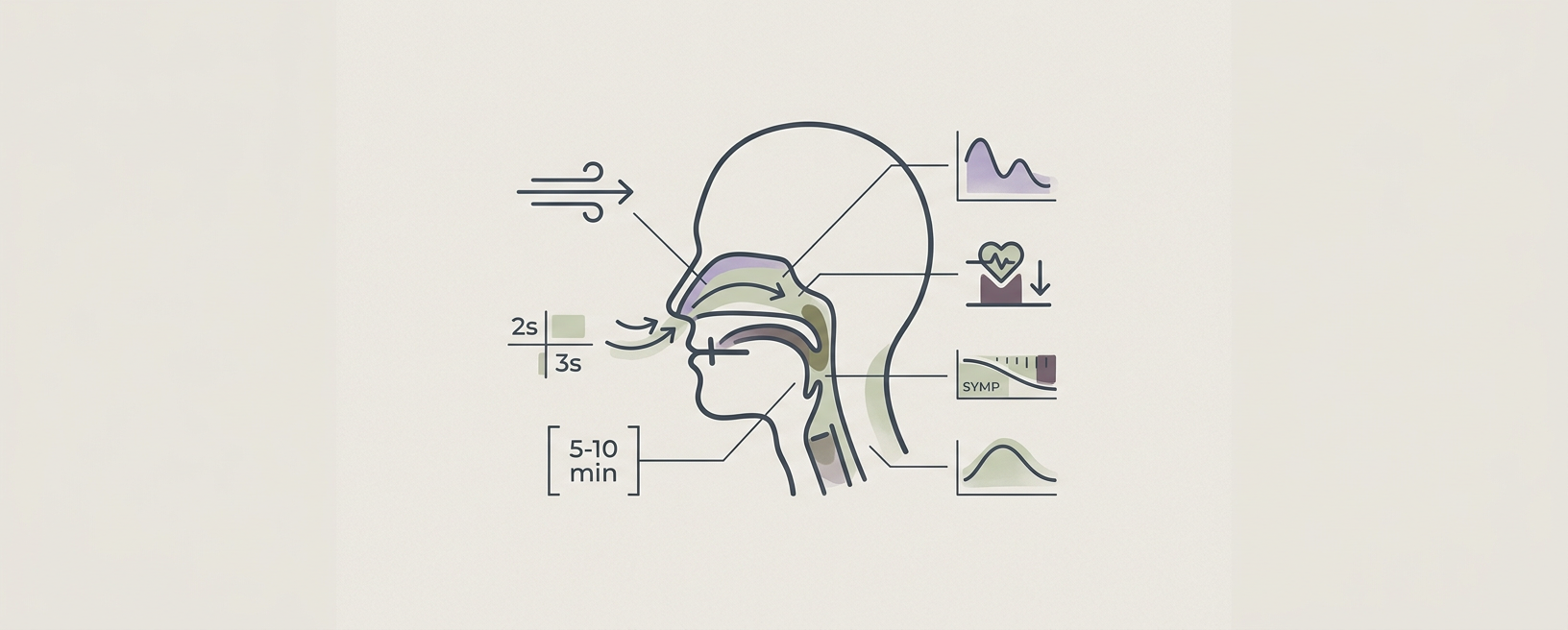 | After intense physical exertion, your system can remain in a heightened state. This practice helps to shift away from that sustained sympathetic drive.
- Immediately after your training session, find a place where you can stand or sit comfortably.
- Close your mouth and breathe exclusively through your nose. Focus on a gentle, continuous inhale and exhale.
- Aim for a slightly longer exhale than inhale. Try a 2-second inhale, 3-second exhale, or similar ratio.
- Continue this nasal-only breathing for 5 to 10 minutes.
- Notice the gradual settling of your breath and heart rate. After 7 minutes, you might feel a shift in internal state.
| |
Practise it in full
www.kokorology.com/r/y7zkukn
| |
Log this in your Nervous System Journal →
|
|
The Movement
19
| Pelvic Clock for Spinal Freedom | Gentle movement to release tension and improve spinal mobility. | 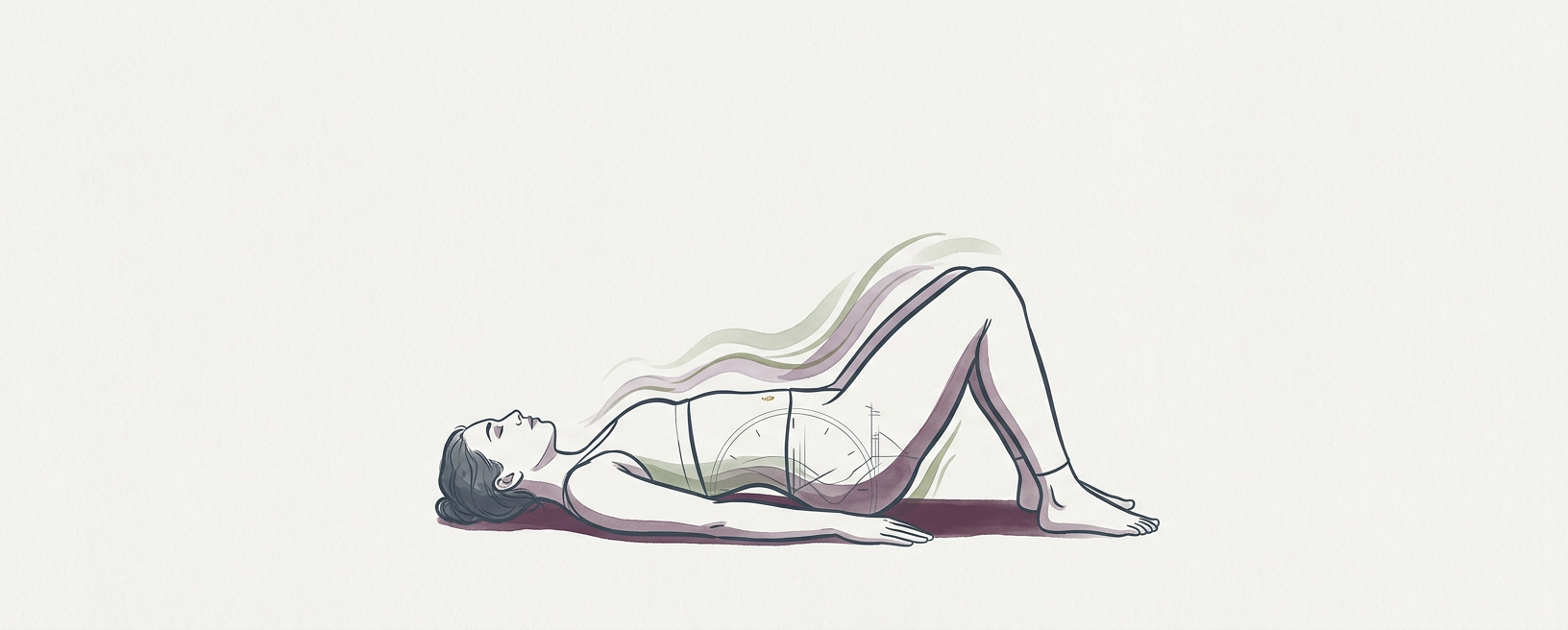 | This subtle movement practice helps you reconnect with your pelvis and lower back, easing static and increasing capacity.
- Lie on your back on a firm but comfortable surface. Your knees are bent, feet flat on the floor, about hip-width apart. Let your arms rest comfortably by your sides, palms up or down. Close your eyes or soften your gaze.
- Imagine a clock face painted flat on your belly, with your navel at the center. Twelve o'clock is towards your head, six o'clock towards your feet. Three o'clock is your right hip bone, nine o'clock your left.
- Gently, slowly, without force, roll your pelvis so that the weight shifts towards twelve o'clock. This will likely flatten your lower back slightly against the floor. As you do this, exhale softly. Notice how your spine responds.
- Return to center. Now, shift your weight towards six o'clock. This will create a small arch in your lower back. Inhale gently here. Observe how the pressure under your sacrum changes. Move only as far as feels easy and pleasant.
- Continue slowly, exploring the movement between twelve and six o'clock, li
| |
See the movement in full
www.kokorology.com/r/bvizhmp
| |
Log this in your Nervous System Journal →
|
|
The Routine
20
| Post-Workout Re-regulation | A sequence to gently guide your body back to a calm, stable state. | 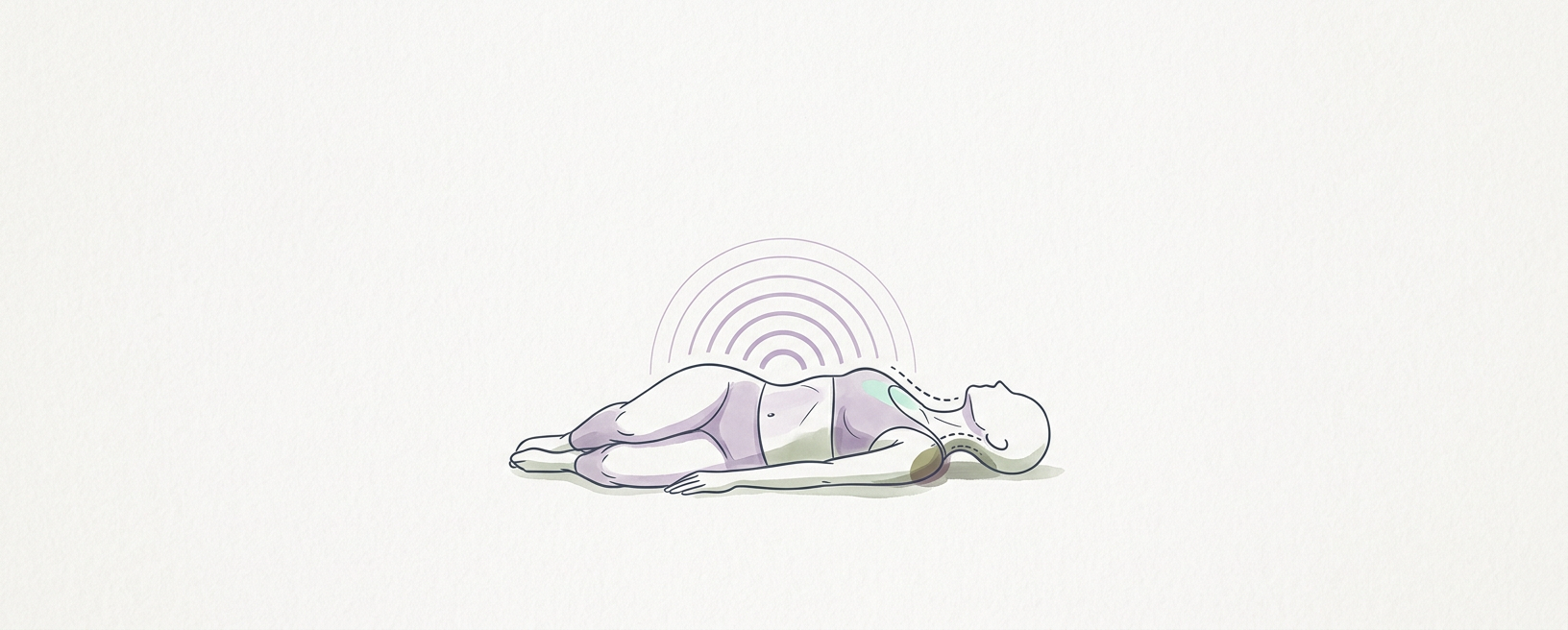 | After exertion, your body needs more than just rest; it needs signals of safety to return to baseline. This routine helps. Your nervous system will thank you.
- Electrolyte and mineral re-up — Mix 250ml of water with a pinch of sea salt and 1/4 teaspoon of magnesium glycinate powder. Sip slowly, noticing the taste.
- Scalene and SCM release — Gently palpate just above your collarbone and along the side of your neck, finding any tender spots. Apply light, sustained pressure with your fingertips for 30-60 seconds on each side, breathing softly. Release tension in the neck and jaw.
- Restorative spinal twist — Lie on your back. Draw your knees to your chest, then let them fall to one side, keeping both shoulders grounded. Hold for 60 seconds, breathing into the stretch. Repeat on the other side. Move gently, without force.
- [Short nasal breathing after exertion](/practices/short-nasal-breathing-after-exertion-2026-09-13) — Refer to the daily hack for a specific technique to cue down-regulation.
- Quiet supine settle — Find a comfortable position on your back. Close your eyes. Place one hand on your belly, one on your heart. Allow your body to fully surrender its weight to the floor. Stay here for 5 minutes, simply observing your breath without trying to change it. This allows your nervous system to register safety and shift its state.
| |
Follow the routine in full
www.kokorology.com/r/jbo324o
| |
Log this in your Nervous System Journal →
|
|
Kokorology product
21
| Every Anchor and every care package, without making your symptoms audition for separate subscriptions. | 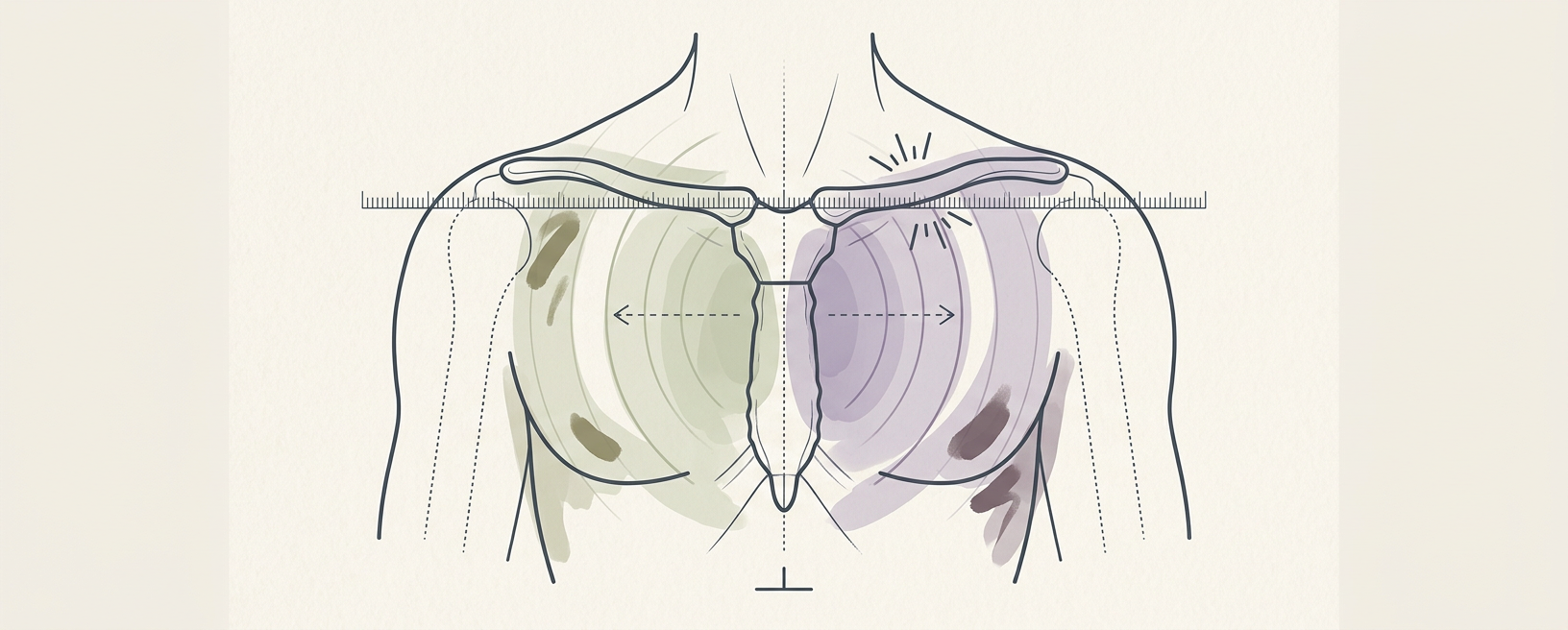 |
|
Kokorology product
25
| Twenty packages, one per load: cortisol, sleep, recovery, hydration, peptides, cycle, immunity. | 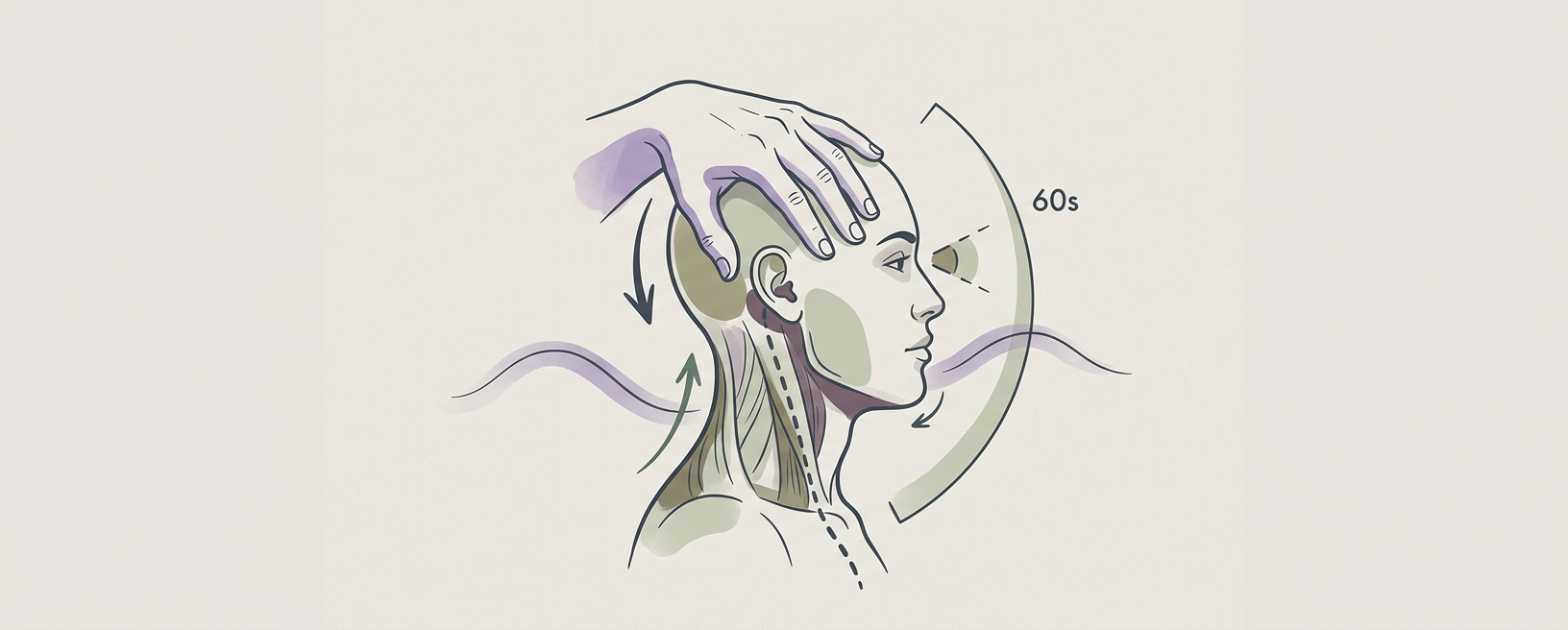 |
|
Kokorology product
29
| Level 1 through certification. The mechanism, then the practice, then the proof you can teach it. | 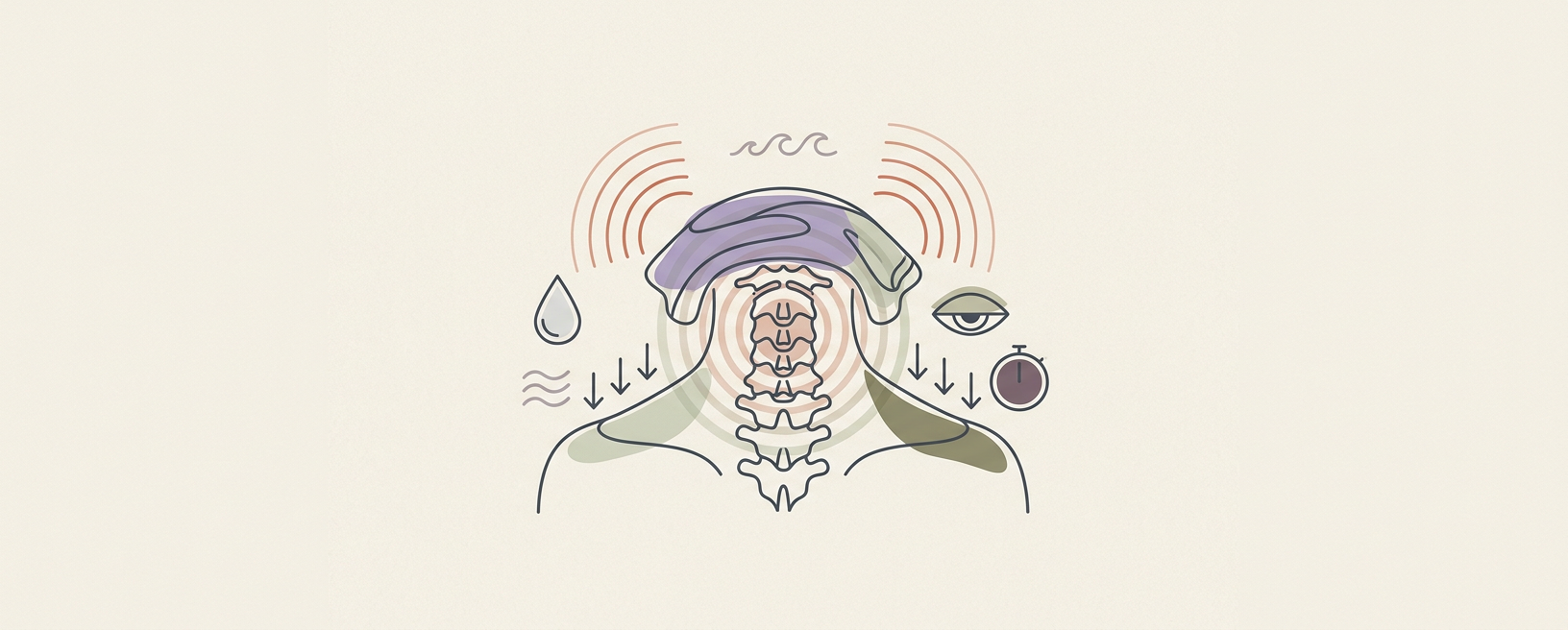 |
|
Kokorology product
33
| The studies underneath every claim on this site, in plain English, with the numbers left in. | 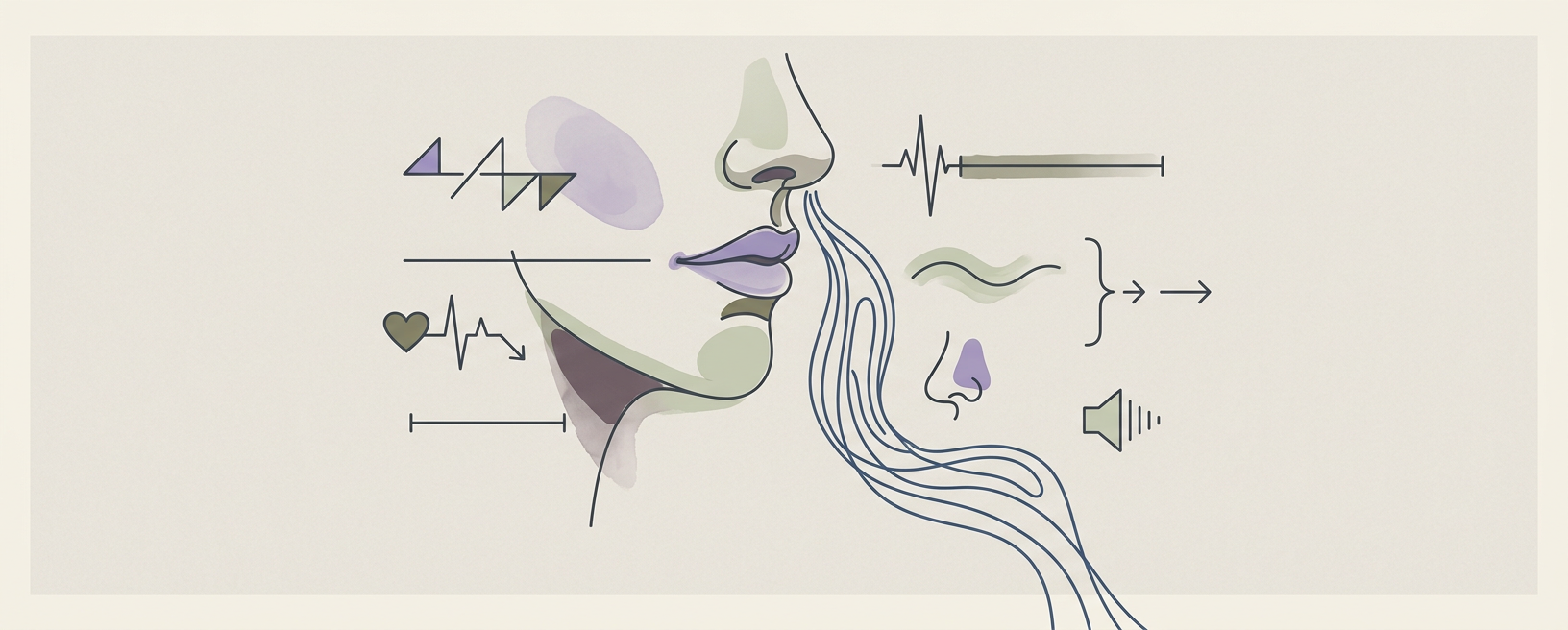 |
|
Kokorology product
37
| One eight-minute repair a day. Free to read; included with the Nervous System Journal. |  |
|
Kokorology product
39
| For teams whose output keeps outrunning their recovery. Capacity, measured — not vibes. | 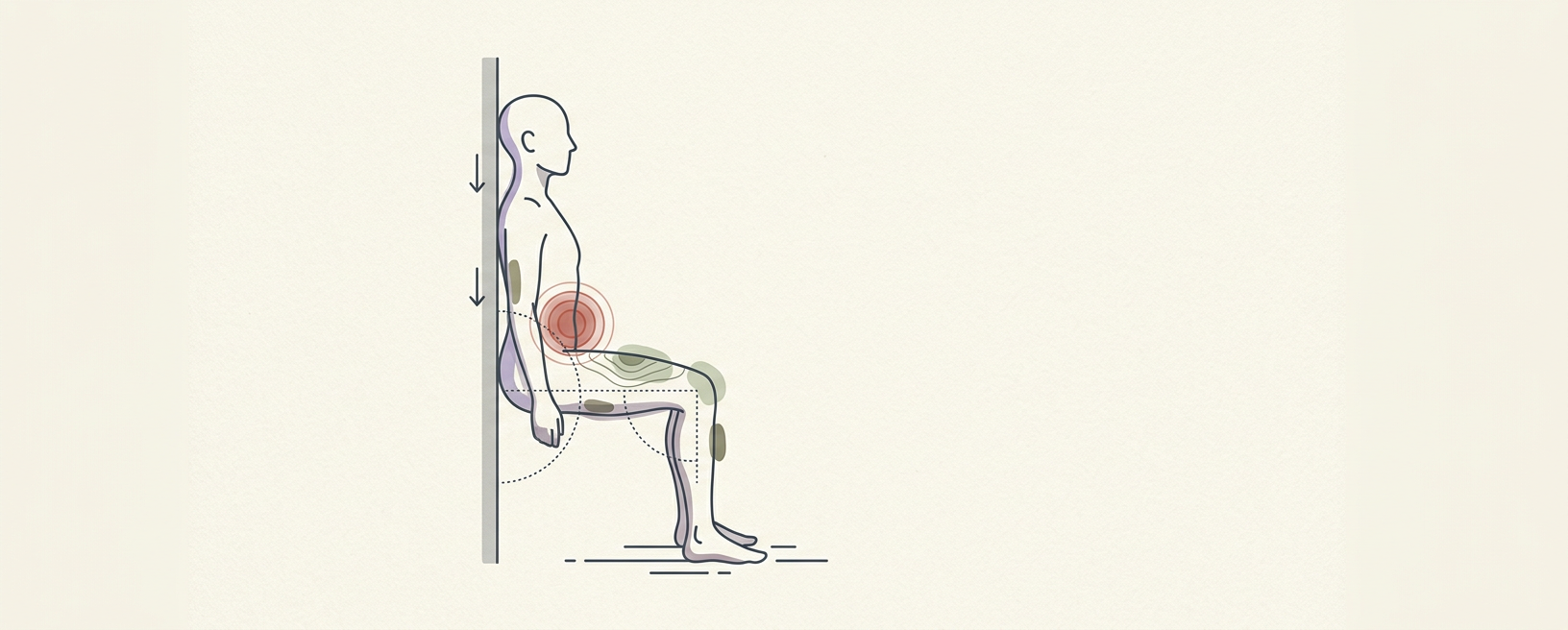 |
|
From the house
40
| Two prompts in the morning, three at night, and the whole hacks library alongside them. €25/mo, cancel whenever. |  |
|
Correspondence
41
| Your inherited load, your path forward. |  | This week's edition dives into some deep currents—the subtle ways our family's past shapes our present capacity. It's a heavy thought, but also a liberating one. It allows us to view our own struggles through a wider lens, less as personal failings and more as systemic echoes. The work then becomes about consciously creating new patterns, new baselines. Pick one signal that resonated with you this week and reflect on how it impacts your own state. Maybe try the Post-Exertion Reset after your next workout, and notice the shift. Every small, deliberate choice helps to rewrite the inherited script. Keep track in your Nervous System Journal. | |
The Nervous System Journal — €25/mo
Two prompts in the morning, three at night. Includes the full hacks library.
| |
All Access — every anchor and care package
The whole system, one pass.
| |
Anchor protocols — €40 each
One protocol for the season you are actually in.
|
|