Daily routine
Regulate Your System After Screen Overload
Address post-screen overstimulation to restore baseline nervous system function.
Address post-screen overstimulation to restore baseline nervous system function.
POST-SCREEN-BINGE OVERSTIM · after prolonged screen exposure · 12 minutes
Why it works
The brain’s orienting response to screen stimuli creates static, elevating sympathetic tone. This sequence down-regulates the sympathetic nervous system, engaging vagal pathways through deliberate sensory input. Reducing visual input, coupled with gentle somatic releases and strategic rest, helps recalibrate the nervous system’s set point. It mitigates the physiological fatigue and hyperarousal common after extended digital engagement, allowing for a more settled state. This method acknowledges the system's actual load, not a perceived failing.
Hydrate and Mineralize — Drink 8-12 oz of water with a pinch of sea salt. This supports electrolyte balance, crucial for nerve impulse transmission after periods of dehydration common with prolonged screen use.
Soft Gaze Scan — Stand, allowing your eyes to soften. Slowly scan the room from left to right, then right to left, without judgment or fixation. Let your peripheral vision expand. This helps discharge accumulated visual tension and re-engages the parasympathetic system.
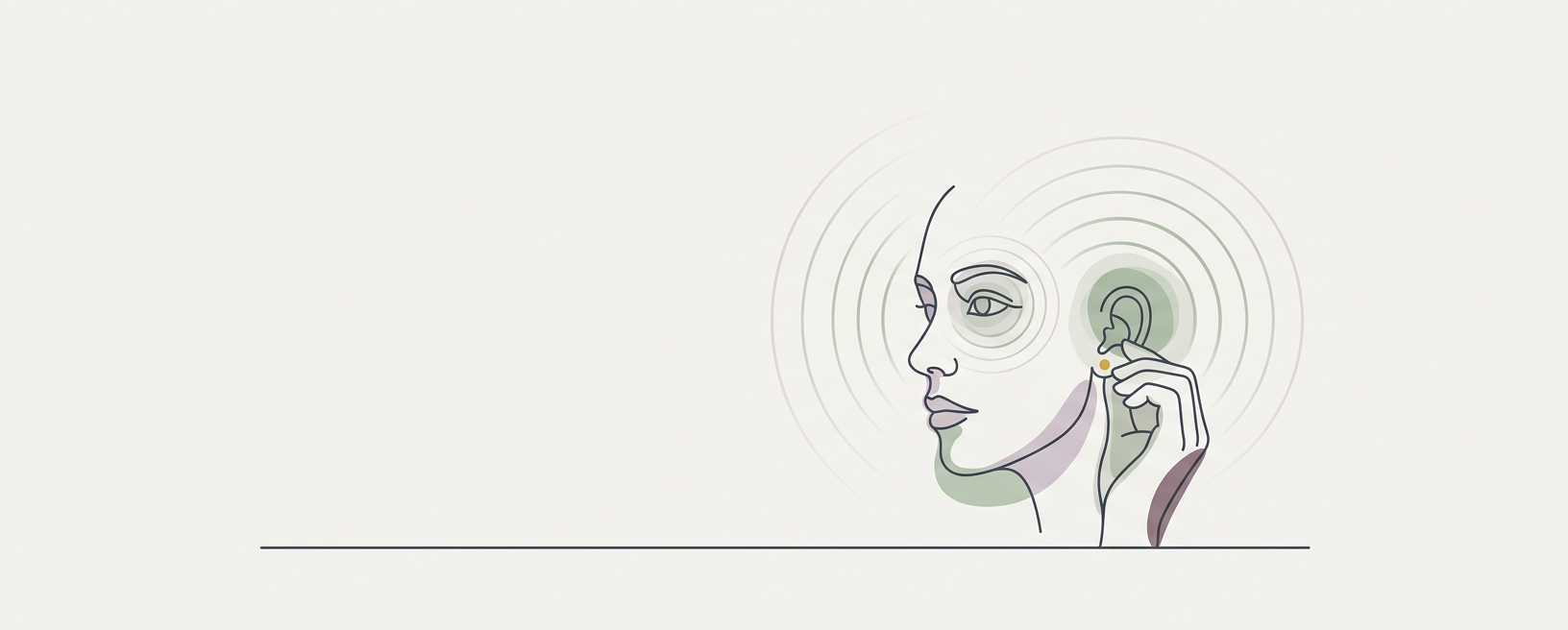
Ear Pulls — Gently pull the top, middle, and bottom of each earlobe for 10-15 seconds per section. The vagus nerve innervates parts of the ear, and this light traction can send down-regulating signals.
Balance Your Weight, Refine Your Stance — Integrate today's insight: Balance Your Weight, Refine Your Stance. This practical application reinforces body awareness.
Grounding Posture — Lie supine on the floor, knees bent, feet flat, hands on your lower belly. Notice the weight of your body against the floor. Allow your breath to settle into a natural rhythm, aiming for a slow exhalation. This position promotes a sense of safety and stillness.