All movements
Loading…
Previous movements
Previous movements open for members. Today's movement is always free.
Daily movement
Drain venous pooling and switch off post-interval sympathetic drive with passive leg elevation and prolonged nasal exhales.
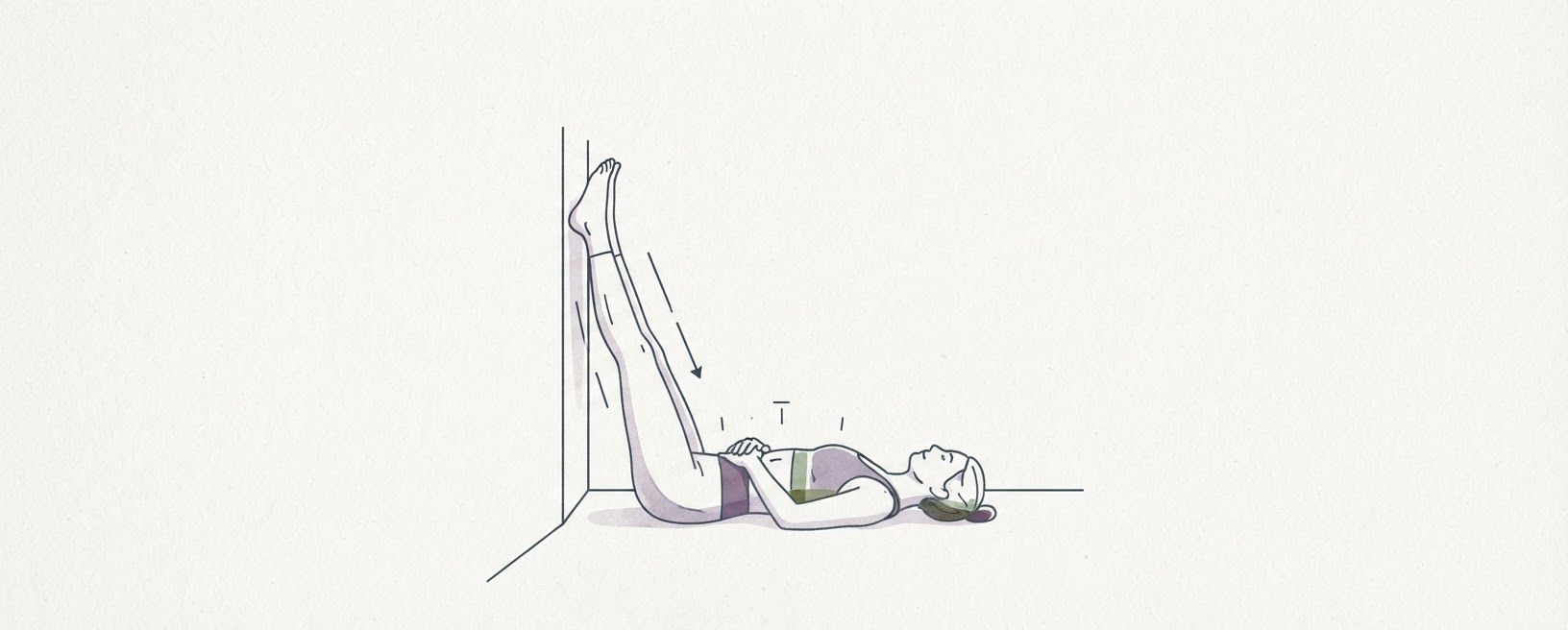
Drain venous pooling and switch off post-interval sympathetic drive with passive leg elevation and prolonged nasal exhales.
athlete recovery / readiness · Autonomic recovery protocols (Shona Halson, Australian Institute of Sport) · Post-interval sympathetic lock and heavy, blood-pooled legs that leave you feeling tired but wired after hard efforts. · 6 to 8 minutes, nasal breathing with 4-second inhales and 8-second exhales
Hard interval sessions leave the sympathetic nervous system switched on long after your heart rate drops, holding high resting motor tone in the calves and quads. Inverting the legs against a flat wall uses gravity to clear venous pooling and metabolic byproducts from the lower limbs without requiring muscular work. Shona Halson at the Australian Institute of Sport documented how elevating the extremities accelerates fluid clearance while taking peripheral vascular load off the myocardium. Pairing this inverted position with an extended 1:2 nasal breathing ratio activates cardiopulmonary baroreceptors. The prolonged exhalation slows the sinoatrial node firing rate via the vagus nerve, shifting you into parasympathetic recovery before your evening meal.
Bring your mat perpendicular to a bare wall, sit sideways with your right hip pressed against the skirting board, and pivot your legs up the wall as your back settles flat against the floor.
Slide your seat forward until your sit bones are as close to the plaster as your hamstrings comfortably allow, letting your heels rest shoulder-width apart against the wall.
Rest your palms flat across your lower abdomen, soften your elbows against the floor, and close your mouth so all airflow moves quietly through your nose.
Draw a silent breath down into your lower belly for 4 counts, sensing your hands lift without your collarbones rising toward your ears.
Empty your lungs through your nose over a slow 8 count, letting your ribcage drop and feeling the weight of your thigh bones sink down into the hip sockets.
Stay here for 6 minutes, keeping your eyes unfocused on the ceiling and letting peripheral pooling in the lower legs drain back toward the pelvis.